2026 Top Double-Wing Drop Tester Guide for Global Buyers?
In the fast-evolving industry of packaging testing, the importance of reliable mechanisms cannot be overstated. Experts like Dr. Richard Greene, a recognized authority in material testing technology, emphasize the crucial role of the Double-Wing Drop Tester. He states, "In packaging, the integrity of products relies on precise testing." This highlights the necessity of effective testing solutions.
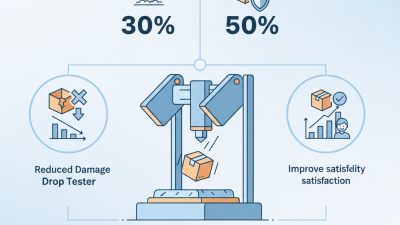
The Double-Wing Drop Tester stands out due to its innovative design. It simulates real-world impacts, ensuring packages withstand transit challenges. As buyers globally seek quality assurance, understanding the nuances of this equipment becomes essential. The tester not only measures durability but also provides insights into cost-effective packing strategies.
While many manufacturers claim to offer advanced testing tools, distinguishing genuine quality from mere marketing claims requires scrutiny. Buyers should consider factors like calibration accuracy and user feedback. Engaging with verified experts can illuminate potential pitfalls and enhance decision-making. The journey to securing efficient packaging solutions may not be straightforward, inviting critical reflection and careful evaluation.

Overview of Double-Wing Drop Testers and Their Applications
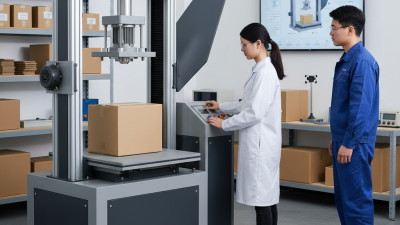
Double-wing drop testers are essential tools in quality control. They simulate the impact that products face during shipping. These testers help manufacturers evaluate how well their products can withstand drops. Various industries, from electronics to packaging, rely on these devices for durability testing.
Tips: Consider using a double-wing drop tester for products with varying weights. Understanding your product's specifications will help you choose the appropriate test height. This ensures reliable results reflective of real-world conditions.
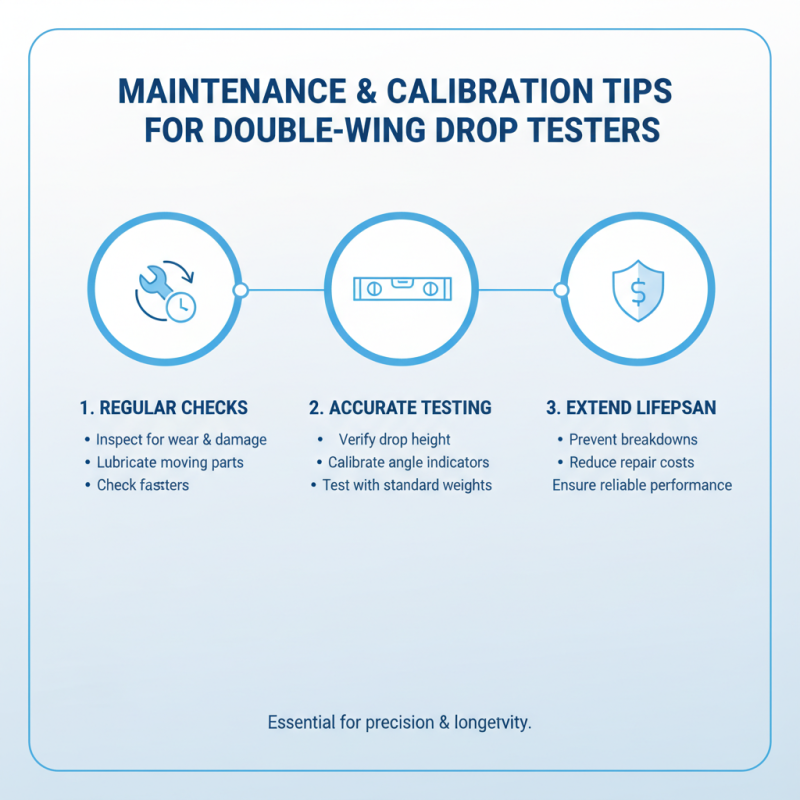
Additionally, it’s vital to regularly calibrate your testing equipment. Regular calibration improves accuracy, which is crucial in evaluating product safety. However, it’s easy to overlook this step. Many find their results inconsistent due to neglecting equipment maintenance. Implementing a routine calibration schedule can enhance reliability. Always document your testing processes for accountability and improvement.
2026 Global Double-Wing Drop Tester Market Overview
Key Features to Consider When Purchasing Double-Wing Drop Testers
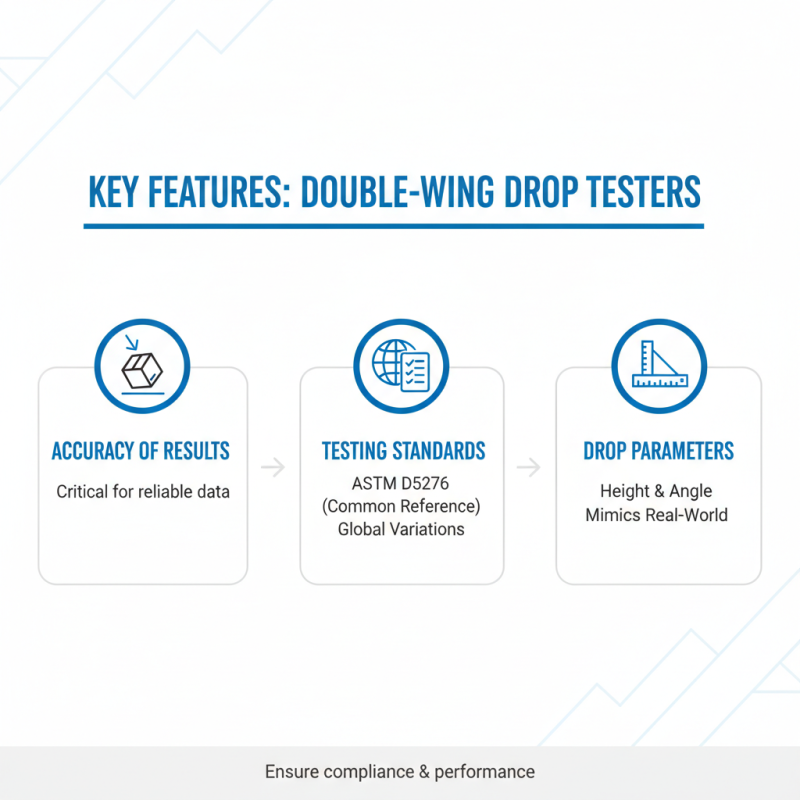
When selecting a double-wing drop tester, consider key features that ensure accurate results. Testing standards vary globally, but ASTM D5276 is commonly referenced. This standard encompasses drop heights and angles that mimic real-world conditions. Reliability in test results hinges on adherence to established methods.
Users should prioritize the testing capacity of the machine. Many units can accommodate payloads up to 150 kilograms, while others may handle more than that. Choosing a model with adjustable drop heights is crucial. It allows for flexibility in testing various packaging materials. A sturdy frame design enhances stability. Stability aids in obtaining consistent results over multiple tests.
**Tip:** Always check the calibration history of the tester. Proper calibration ensures the accuracy of results.
Look for options with advanced data recording features. Digital interfaces enable easy tracking and analysis of test outcomes. However, some testers lack this technology, which can lead to inaccuracies in your assessments.
**Tip:** Investigate user reviews and reports for insights. Customer experiences reveal issues that specifications may overlook.
Top Manufacturers of Double-Wing Drop Testers in 2026
As the demand for quality testing equipment rises, the double-wing drop tester remains vital in various industries. These machines simulate drops to evaluate product durability. They offer data on how well products withstand impacts. Testing helps improve design and manufacturing processes.
In 2026, key manufacturers are stepping up their game. Advances in technology have enhanced the precision and efficiency of these testers. Reliable testing outcomes are crucial for businesses. However, not all machines perform equally under diverse testing environments. Some may struggle with specific materials or weight distributions.
Investing in equipment from leading manufacturers often brings benefits. Yet, users must critically assess their testing needs. The right choice involves understanding both material properties and usage conditions. Certain testers might fall short under extreme conditions. Continuous evaluation of performance ensures the machinery meets the required standards over time. Choosing wisely can prevent costly missteps in product development.
Comparison of Global Standards for Drop Testing Equipment
When evaluating drop testing equipment, global standards can vary significantly. Different regions have specific requirements that manufacturers must meet. Understanding these variations is crucial for buyers. The parameters for drop testing often include drop height, weight, and surface type. Each standard has its own set of guidelines, impacting the equipment design.
For example, some standards emphasize shock absorption. Others may focus on structural integrity after impact. Buyers should also consider the reproducibility of test results. Variations in testing methods may lead to inconsistencies. It's vital to align your needs with the appropriate standards in your area.
The complexity of complying with each standard cannot be overlooked. Manufacturers may struggle to adapt their equipment. Keeping up with updates in testing protocols is necessary. Buyers should seek equipment that demonstrates flexibility and meets multiple standards. Ultimately, a thorough understanding of these global disparities is essential for optimal investment in drop testing equipment.
2026 Top Double-Wing Drop Tester Comparison
| Model |
Drop Height (cm) |
Weight Capacity (kg) |
Test Standards |
Dimensions (cm) |
Price (USD) |
| Model A |
100 |
50 |
ASTM D5276 |
150 x 80 x 60 |
$2,500 |
| Model B |
80 |
75 |
ISO 2248 |
140 x 70 x 55 |
$2,800 |
| Model C |
120 |
60 |
MIL-STD-810 |
160 x 85 x 65 |
$3,000 |
| Model D |
90 |
70 |
ASTM D4632 |
145 x 75 x 60 |
$2,200 |