2026 Top Drop Test Equipment for Product Durability and Safety Testing?
In the quest for product safety and durability, the role of Drop Test Equipment is crucial. This equipment simulates real-world impacts to evaluate how products withstand drops and shocks. Companies rely on these tests to ensure their products meet quality standards.
As industries evolve, so do the methods for testing product resilience. Advanced Drop Test Equipment now incorporates various features like adjustable drop heights and testing angles. This variety enhances testing accuracy. However, inconsistency in testing procedures can lead to misleading results. It's essential for manufacturers to adopt standardized practices to ensure reliable outcomes.
The importance of Drop Test Equipment goes beyond mere compliance; it encompasses consumer trust. Products that fail tests may invite recalls, damaging brand reputation. Thus, investing in high-quality testing equipment not only guarantees safety but also fosters a culture of accountability. Steps to improve testing methodologies should always be pursued, even as technology advances.
Overview of Drop Test Equipment and Its Importance in Product Testing
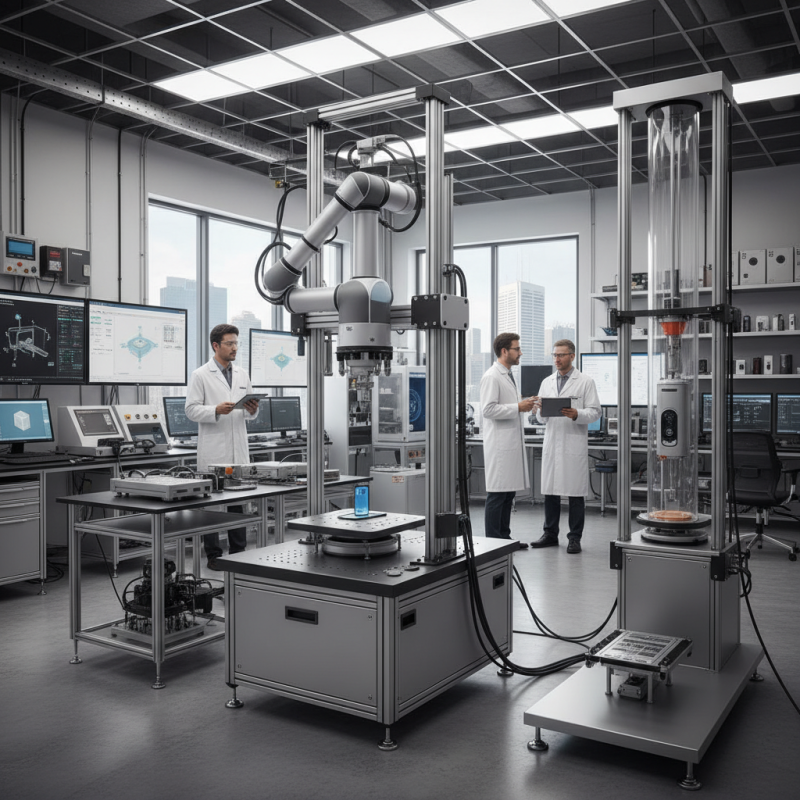
Drop test equipment plays a vital role in evaluating product durability. During testing, products are subjected to controlled impacts from various heights. These tests simulate real-world scenarios where items might fall or be mishandled. Understanding how different materials react to these forces is essential for manufacturers. It allows them to design safer and more reliable products.
The significance of drop tests extends beyond just performance metrics. They help identify potential weaknesses in the design or materials used. For instance, certain plastic types may crack when dropped from specific heights. Such insights guide improvements in product design. However, reliance on drop tests alone can be misleading. Real-life situations often involve multiple impact points and dynamic movements. Thus, combining drop tests with other forms of testing provides a more comprehensive view of durability.
In the world of product testing, the accuracy of drop test equipment is crucial. High-quality tools ensure consistent results, allowing comparisons across different iterations of a product. Yet, it's important to recognize that no test can replicate every possible scenario. Regularly evaluating and refining testing methods is necessary. The goal is to continuously enhance product safety and quality in the market.
Key Features to Consider When Selecting Drop Test Equipment
When selecting drop test equipment, several key features deserve attention.
First, the maximum drop height is critical.
It determines the force the product endures during testing. Higher drop heights may reveal weaknesses in design or materials. Each product type may have different requirements, so adaptable height settings can be beneficial.
Another essential factor is the drop surface material. Different surfaces simulate various real-world scenarios.
A hard surface mimics a concrete floor, while softer surfaces can indicate impacts on softer ground. Choosing the right surface helps ensure reliability in test results.
Precision in measurement is crucial for accurate data.
Advanced equipment can record impacts precisely, offering deeper insights. Automated systems may offer better efficiency, but they should also allow manual adjustments. This balance can provide both detailed data and usability.
A well-rounded understanding of these features can lead to better safety outcomes.
Identifying gaps or inconsistencies in testing can provoke further inquiries, but clarity in these details ensures a robust testing process.
Top Brands and Models of Drop Test Equipment in 2026
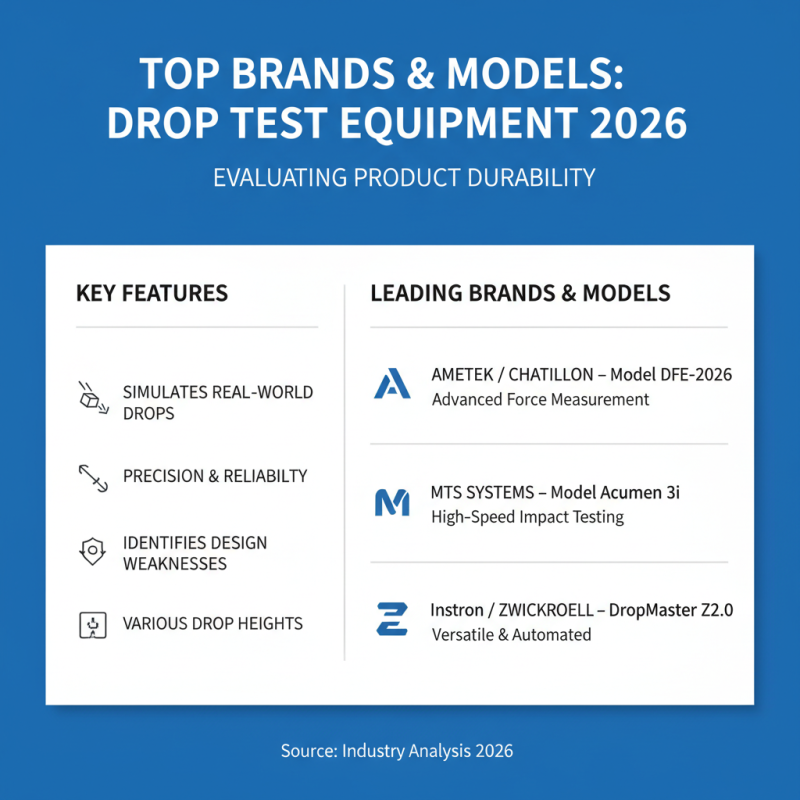
When it comes to evaluating product durability, drop test equipment is essential. In 2026, several top models stand out for their reliability and precision. These machines simulate real-world conditions by dropping products from various heights. They help manufacturers identify weaknesses in design and material. Understanding the unique features of each model can help companies choose the best fit.
Leading brands focus on user-friendly interfaces and accurate measurement. Advanced systems include video analysis to observe impact damage closely. Some models even allow for customizable drop heights. This flexibility is crucial for testing a wide range of products, from electronics to packaging materials. However, not every model suits every industry. There's often a learning curve involved in using advanced equipment.
While it’s tempting to rely solely on technology, human judgment remains key. Operators must understand how to interpret data effectively. Each drop test provides valuable insights, but misinterpretation can lead to flawed conclusions. It’s essential to continuously refine testing methods for optimal results. Balancing equipment capabilities with experienced personnel is vital for effective testing in 2026.
Standards and Regulations Governing Drop Testing for Safety
Drop testing is crucial for ensuring product durability and safety. Various standards guide this process, focusing on how a product withstands impact. These regulations often come from organizations that set safety benchmarks. Understanding these standards is essential for manufacturers. It helps them design products that endure real-world conditions.
National and international standards define testing methods. They specify drop heights, angles, and surfaces. Commonly referenced standards include ASTM and IEC. Each standard has unique criteria tailored to different industries. However, not all manufacturers fully grasp these complexities. Some may overlook specific requirements, leading to non-compliance risks.
As products evolve, regulations must adapt. Many standards are updated to reflect new technologies. The challenge lies in staying informed. Manufacturers often struggle to keep pace with changes. Continuous training is vital to avoid gaps in knowledge. Building a culture of compliance will enhance product safety and durability.
Future Trends in Drop Testing Technology and Equipment Innovation
As we look ahead to 2026, the evolution of drop testing technology is prominent in ensuring product durability and safety. Reports highlight that the global market for drop test equipment is projected to reach approximately $3 billion by 2025, driven by demands across various industries. Innovations in sensors and data analytics are transforming how tests are conducted, making them more efficient and insightful.
Recent advancements include the integration of artificial intelligence and machine learning in testing processes. These technologies allow for rapid analysis of testing data, enabling engineers to identify potential weaknesses in products. However, while these advancements promise precision, they also pose a challenge. Many companies struggle to adapt to these technologies due to costs and the need for skilled personnel.
Moreover, some industries remain skeptical about the reliability of automated testing environments. They question whether machines can replicate real-world scenarios effectively. Even with significant progress, it is essential for manufacturers to regularly reassess their testing protocols. Regular updates will ensure that they meet evolving industry standards and consumer expectations while maintaining safety and durability.