2026 Top Drop Testing Machine Innovations and Trends to Watch?
The upcoming innovations in Drop Testing Machines are crucial for the packaging and shipping industry. According to a recent report by the International Institute of Packaging Technology, the global demand for reliable drop testing solutions has grown by 35% over the last three years. This trend indicates a deeper need for machines that ensure product protection during transit.
Dr. Emily Chen, a leading expert in packaging simulation, once stated, “A robust Drop Testing Machine is essential for evaluating product durability.” Her insights underline the importance of investing in advanced testing technology to avoid costly damages.
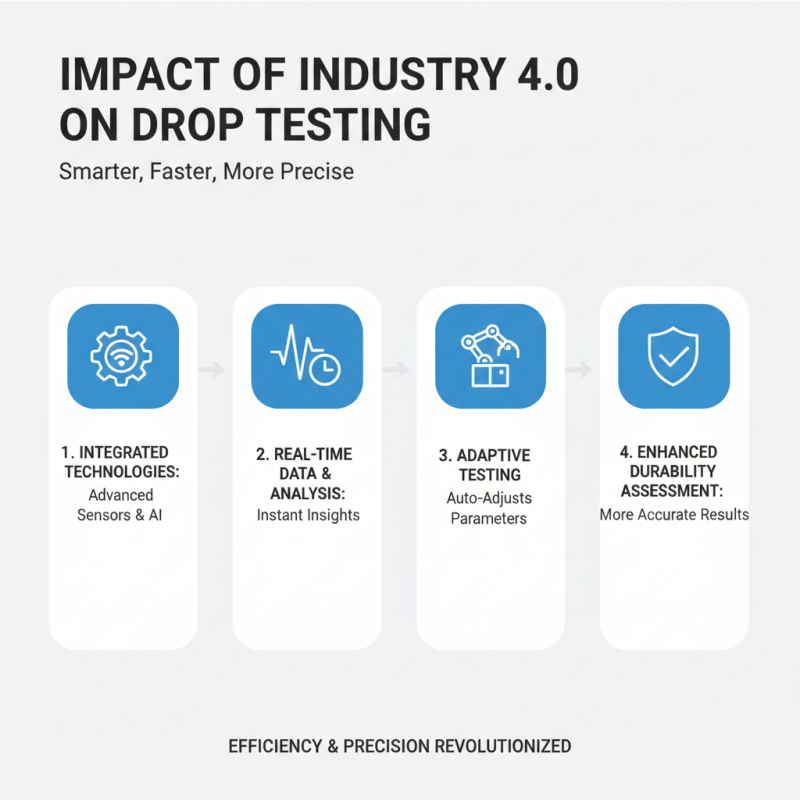
Innovations in this field include automated systems that provide real-time data analysis and improved energy absorption materials. However, many companies still rely on outdated methods, leading to increased vulnerability. Embracing new technologies is no longer optional; it is a necessity. The future of Drop Testing Machines holds great promise, yet requires a shift in traditional practices to fully realize their potential.

Emerging Technologies in Drop Testing Machines for 2026
The drop testing machine industry is on the cusp of significant
innovation in 2026. Emerging technologies are redefining how these machines evaluate product
durability and safety. According to a recent industry report, the market for drop testing
equipment is expected to reach $1 billion by 2026,
driven by advancements in automation and data analytics.
One key trend is the integration of smart sensors into
drop testing machines. These sensors can provide real-time data about how products react
to drops. This level of detail allows manufacturers to refine their products based on
performance insights. Companies may struggle with the initial investment for these technologies,
yet the potential for improved product reliability is substantial.
Another noteworthy development involves the use of artificial
intelligence to analyze drop test results. AI can help identify patterns that humans
might overlook. It can optimize testing protocols, ultimately saving time and costs. However,
the effectiveness of AI in this context is still under evaluation. Manufacturers need to
approach these advancements with caution, ensuring they complement existing methodologies
rather than replace them entirely. The shift toward these technologies presents both
opportunities and
challenges for the industry
as it moves closer to 2026.
Key Trends Shaping the Future of Drop Testing Equipment
The future of drop testing equipment is evolving rapidly. One major trend is the integration of AI and machine learning. These technologies can analyze impact data in real time. They help predict potential product failures more accurately. Such insights can significantly reduce development costs and time.
Another important trend is the move towards more sustainable materials in test equipment. With growing environmental concerns, manufacturers seek eco-friendly options. This transition may involve using recyclable materials or reducing energy consumption. However, the durability of these sustainable options remains a challenge.
Remote testing capabilities are also gaining traction. Engineers can now conduct tests from anywhere in the world. This innovation saves time and resources but also requires robust software. The reliability of remote testing methods must be evaluated. Testing conditions may vary widely, which can affect results.
Innovative Features to Expect in Drop Testing Machines
In 2026, drop testing machines are set to undergo remarkable innovations. Key features will enhance their reliability and functionality. One major advancement is the integration of AI algorithms. These algorithms can analyze drop impacts in real-time, adjusting settings according to specific testing needs. This results in quicker and more accurate data collection, ultimately improving product safety assessments.
Another exciting trend is the development of more intuitive interfaces. Users will find it easier to operate these machines with touch screens and guided workflows. This can reduce human error, which is often a critical factor in testing. Additionally, new materials will enhance the durability of machines, allowing them to withstand harsh environments. However, the challenge lies in maintaining accuracy amidst these changes.
Moreover, many companies focus on sustainability. New designs will incorporate eco-friendly materials. Still, creating machines that are both high-performing and environmentally responsible is not without obstacles. As technology advances, balancing efficiency with safety standards is essential. Continuous reflection on these improvements will shape the future landscape of drop testing equipment.
2026 Top Drop Testing Machine Innovations and Trends
Sustainability and Eco-Friendly Designs in Drop Testing Technology
Sustainability in the field of drop testing technology is gaining traction. Manufacturers recognize the need for eco-friendly designs. Traditional drop testing machines often rely on energy-intensive processes. New innovations focus on optimizing energy use and reducing waste. This shift aligns with global efforts toward sustainability.
One notable trend is the use of recyclable materials in machine construction. Many companies are exploring this direction. By integrating sustainable materials, they aim to minimize the environmental impact. However, achieving durability while being eco-conscious is a challenge. Finding that balance requires careful engineering and design.
Moreover, improvements in software are also emerging. Advanced algorithms can enhance testing efficiency, reducing resource requirements. These systems can simulate drop tests with high accuracy. Yet, as we embrace these advancements, we must reflect. Are we sacrificing precision for sustainability? The quest for greener technology invites ongoing evaluation and refinement.