What is an Aging Testing Room and Why is it Important?
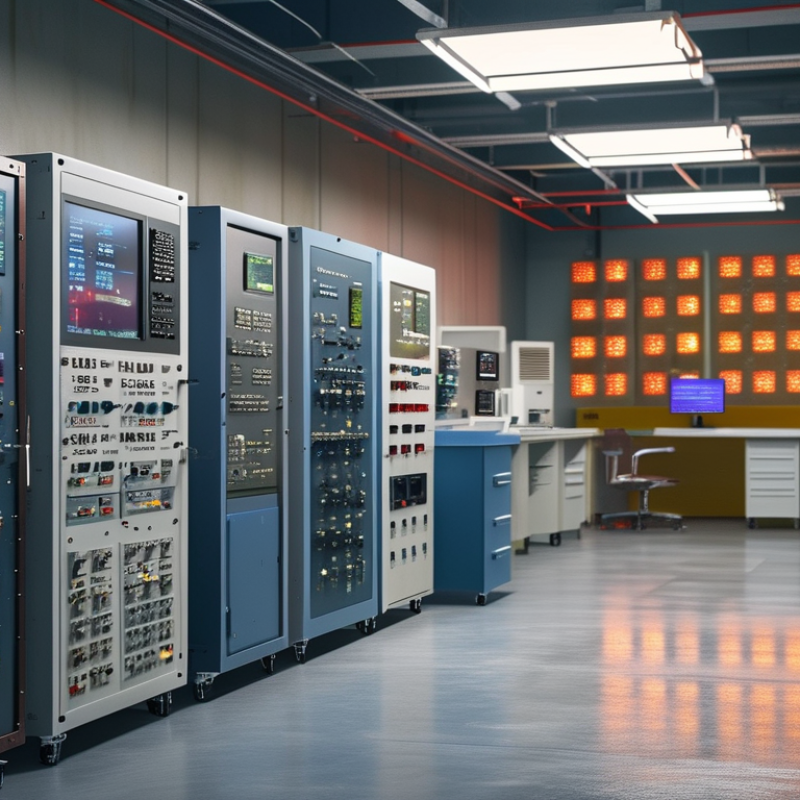
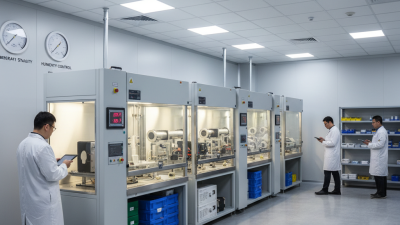
An Aging Testing Room is a critical facility for evaluating product durability. It simulates long-term exposure to various conditions. Companies use this space to assess how products age over time. This process is essential to ensure reliability and safety.
In an Aging Testing Room, factors like temperature, humidity, and light are carefully controlled. The objective is to predict how products will perform in real-world environments. Testing aims to identify weaknesses before products reach consumers. It is a proactive approach to quality assurance.
While the concept seems straightforward, the execution poses challenges. Each product may react differently in these conditions. This variability makes it crucial to understand the limitations of tests. Proper interpretation of results is necessary for informed decision-making in product development.
What is an Aging Testing Room?
Aging testing rooms are specialized environments designed to simulate long-term aging conditions for various materials and products. These rooms allow researchers and manufacturers to understand how items deteriorate over time due to environmental factors such as temperature, humidity, and light exposure. The significance of these tests cannot be overstated. A report by the American Society for Testing and Materials (ASTM) highlighted that products often fail under real-world conditions due to inadequate aging assessments.
The operational design of an aging testing room is crucial. It needs precise control over its variables. For example, the temperature might range between -20°C and 80°C, while humidity levels need careful regulation. Unexpected outcomes can arise from even slight deviations in these settings. Recent studies indicate that 30% of product failures stem from insufficient aging tests, demonstrating the potential cost and safety implications of neglecting this practice.
However, aging testing is not infallible. Even with advanced technology, results can be inconsistent. Factors influencing outcomes might include material quality or testing duration. In some cases, a lack of comprehensive data has led to misinterpretations of aging results. As researchers continue to refine methods, ongoing discussions about standardized testing practices are essential for improvement.
Key Components of an Aging Testing Room
An aging testing room is essential for evaluating product durability over time. Key components of such a room include precise temperature and humidity controls. These factors significantly impact the reliability of test results. By simulating environmental conditions, products can be subjected to accelerated aging processes. This leads to a better understanding of how materials will perform in real-world scenarios.
Another critical aspect is the use of various testing equipment. Chambers for thermal cycling are often employed to observe material responses to drastic temperature changes. Light aging devices expose products to UV light, replicating the sun's effects. Regular maintenance of this equipment is necessary to ensure accurate results. Poor calibration may introduce errors, leading to unreliable findings.
Finally, documentation plays a vital role. Comprehensive records of tests, conditions, and results contribute to transparency and repeatability. This documentation helps in identifying trends and potential issues. However, not all tests yield clear outcomes. Some may require further analysis and reflection to understand underlying causes. Balancing efficiency with accuracy remains a continuous challenge in aging testing practices.
Importance of Aging Testing in Product Development
Aging testing is crucial in product development. It evaluates how products will perform as they age. Understanding aging helps designers anticipate issues. This test mimics the effects of time under controlled conditions. Factors like temperature and humidity are carefully regulated. This approach reveals potential failures that could emerge later.
Incorporating aging tests leads to better product reliability. It allows teams to address weaknesses early in the development cycle. Products subjected to these tests often have enhanced durability. However, it’s important to note that aging tests may not always predict real-world conditions accurately. Sometimes, unexpected issues arise. Testing is an iterative process that requires constant updates.
Creating an aging testing room involves specific requirements. It should include controlled environments for various tests. Equipment for monitoring and data collection is essential. Nevertheless, even with careful setup, results may vary. Teams need to remain flexible and adjust their strategies accordingly. Effective aging testing demands a blend of expertise and practical adjustments.
What is an Aging Testing Room and Why is it Important? - Importance of Aging Testing in Product Development
| Test Item |
Testing Duration |
Temperature (°C) |
Humidity (%) |
Purpose of Testing |
| Plastic Material |
1000 hours |
60 |
75 |
Evaluate durability and lifecycle |
| Electronic Components |
500 hours |
70 |
60 |
Assess potential failures |
| Textiles |
2000 hours |
40 |
80 |
Test colorfastness and wear |
| Coatings |
1500 hours |
50 |
50 |
Determine degradation rates |
| Batteries |
800 hours |
25 |
90 |
Evaluate capacity retention |
Common Tests Conducted in Aging Testing Rooms
Aging testing rooms are essential for evaluating product longevity. Various tests take place in these controlled environments. Each examination provides insight into how items will perform over time.
Environmental stress tests simulate conditions like heat, humidity, and light exposure. These tests reveal potential weaknesses. For example, materials may degrade faster in high humidity. Similarly, light can cause colors to fade. Observing these changes helps manufacturers adjust their designs.
Another key test is accelerated aging. Here, products are subjected to extreme conditions for shorter periods. This method speeds up the aging process, allowing researchers to predict long-term effects quickly. Results guide future improvements in product formulation. However, the outcomes can be unpredictable. Adjusting testing parameters is often necessary for accurate predictions.
Applications of Aging Testing in Various Industries
Aging testing is vital across various industries. It simulates the long-term effects of environmental stressors on products. In electronics, for example, devices endure heat and humidity tests. This helps manufacturers understand failure modes. As a result, they can enhance reliability.
In the automotive sector, aging tests evaluate materials used in car interiors. Over time, materials can degrade. Understanding these changes helps in selecting better components. This knowledge extends to the aerospace industry too. High-performance materials must withstand extreme conditions. Aging tests ensure safety and functionality for pilots and passengers.
Consumer goods also benefit from aging tests. Packaging materials, for instance, must protect contents during storage. Testing mimics real-life scenarios, revealing weaknesses. However, some tests may not cover every possible situation. Companies need to continuously review and improve their methods. Aging testing remains crucial for innovation and safety in many fields.
Aging Testing Applications Across Different Industries