Why Use an Altitude Chamber for Enhanced Athletic Performance?
Athletes are constantly searching for ways to improve their performance. One promising method is using an Altitude Chamber. This technology simulates high-altitude conditions, where oxygen levels are lower. Research shows that training in these chambers can enhance endurance and overall athletic performance. A study by the Journal of Sports Science reported that athletes can experience up to a 15% increase in aerobic capacity after altitude training.
Dr. Julia Yang, a leading expert in sports physiology, stated, "Altitude Chambers can transform an athlete's training regimen." These chambers create an environment that forces the body to adapt to lower oxygen levels. It enhances red blood cell production, which is crucial for improved oxygen delivery during physical activity. However, it's important to note that effects vary among individuals.
Some athletes may not respond as expected. This inconsistency raises questions about who benefits most from altitude training. While many report significant improvements, others see limited results. Ultimately, athletes should approach the concept of using an Altitude Chamber with caution and tailor their training plans to their unique needs.
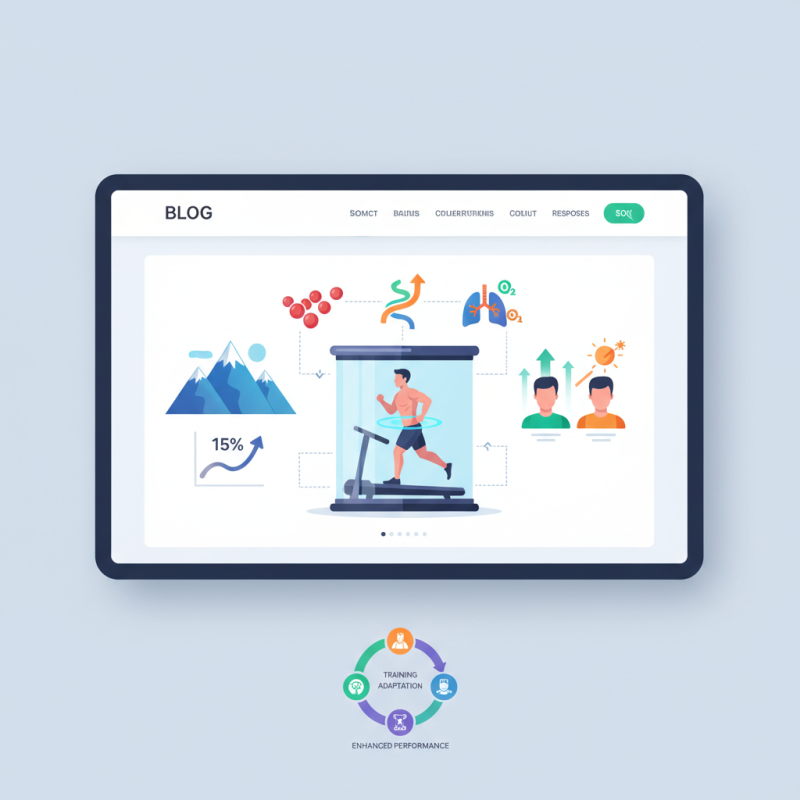
Understanding Altitude Chambers and Their Functionality
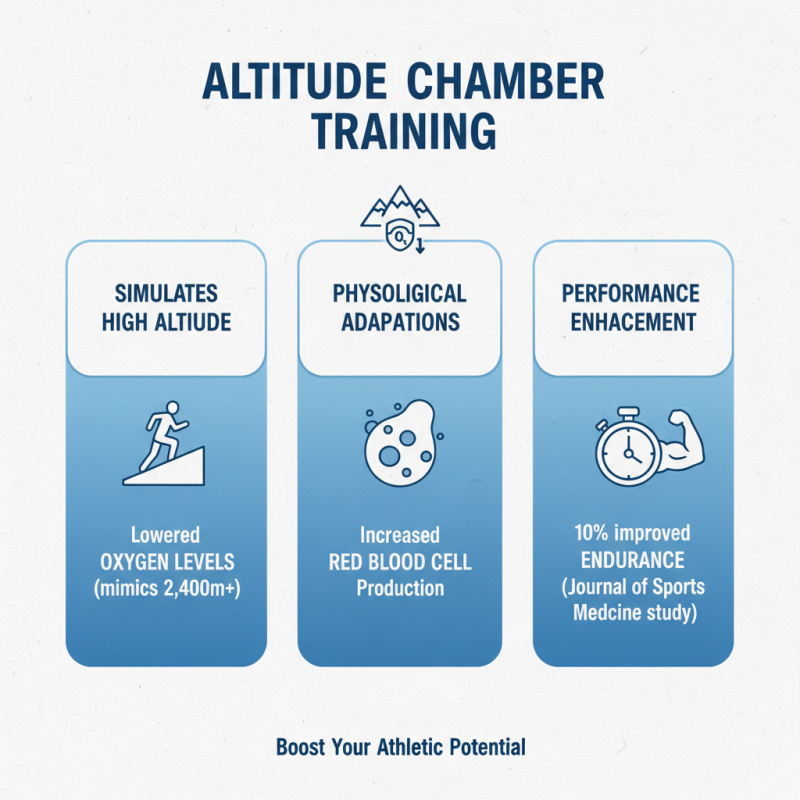
Altitude chambers simulate high-altitude conditions, aiding in performance enhancement for athletes. These chambers lower oxygen levels, mimicking environments found at high elevations, typically above 2,400 meters. Research shows that training in such conditions can increase red blood cell production. A study published in the Journal of Sports Medicine revealed a 10% improvement in endurance performance in athletes who used altitude chambers regularly.
While altitude chambers offer benefits, the experience can be challenging. Breathing at lower oxygen levels can feel suffocating. Many athletes report initial discomfort, such as headaches and fatigue. These symptoms often lead to a hesitance to commit to repeated sessions. Athletes may experience a tough adjustment period. However, overcoming these issues often leads to significant benefits.
Monitoring individual responses is crucial. Each athlete has unique physiological characteristics. Some may adapt quickly, while others take longer. Inconsistent results sometimes occur based on training history and genetic factors. Reports suggest that a tailored approach can yield better outcomes, enhancing both physical and mental strength for athletes aiming for excellence.
Physiological Adaptations from Using an Altitude Chamber
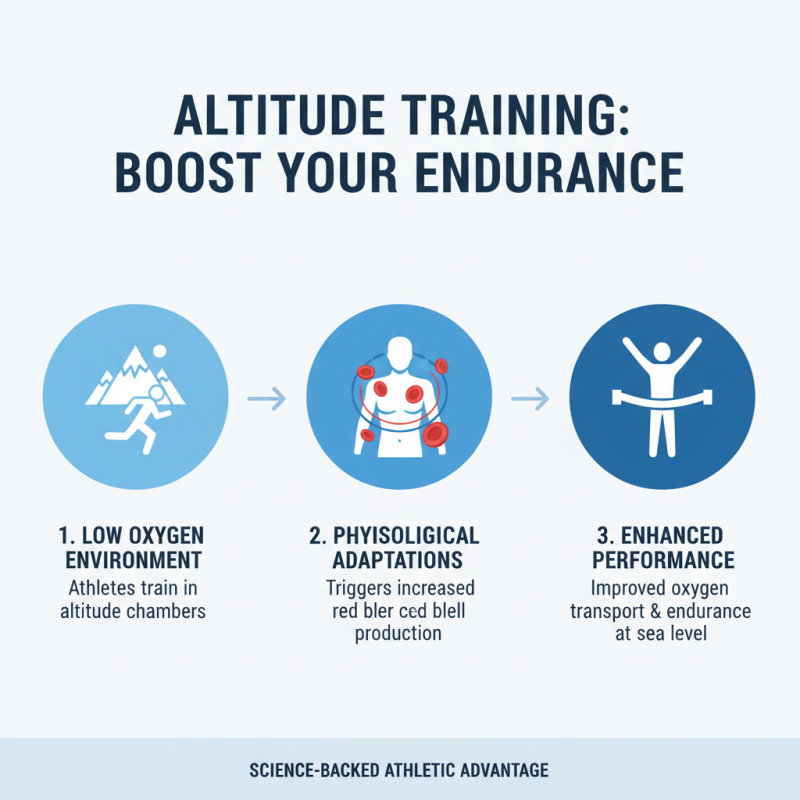
Altitude chambers have gained popularity among athletes looking to enhance their performance. When exposed to lower oxygen levels, the body undergoes various physiological adaptations. These changes can lead to improved endurance and overall athletic capacity. Research indicates that even short sessions in altitude chambers can stimulate red blood cell production. Increased red blood cells can enhance oxygen transport, providing athletes with a significant edge during competition.
One notable study published in the "Journal of Applied Physiology" found that athletes training in hypoxic conditions can improve their VO2 max by around 3-5%. This increase may seem small, but it can be the difference in a closely contested race. Furthermore, adaptations such as improved mitochondrial efficiency and increased capillary density help in better oxygen utilization. These changes contribute to enhanced stamina and quicker recovery times.
**Tip:** Start with short sessions. Gradually increase the duration to allow your body to adapt.
However, not all athletes respond similarly. Some may experience symptoms of altitude sickness or feel fatigued initially. It’s essential to listen to your body and adjust your sessions accordingly. Overtraining in altitude conditions can be counterproductive.
**Tip:** Monitor your body’s response. Keep a journal of your sessions and any changes you experience.
Comparing Altitude Chambers to Natural High-Altitude Training
Altitude training has become popular among athletes. Many train at high elevations to increase their endurance. However, this approach has its challenges. Altitude can be difficult to access. Travel time can interrupt training schedules. Complications from altitude sickness may also arise, impacting performance and recovery.
Altitude chambers present a controlled alternative. These chambers simulate high-altitude conditions. Athletes can train for longer periods without the stress of travel. They offer precise control over oxygen levels and environmental conditions. This ensures a focused training session. Yet, some athletes find it less motivating than being outdoors. The synthetic environment may lack the real deal’s excitement.
Despite advantages, altitude chambers aren't perfect. They can be expensive and require specialized facilities. Some athletes may feel isolated in a chamber. It could limit their social interaction with peers. This lack of community can impact mental fortitude during training. Ultimately, both methods have pros and cons. Athletes should consider their goals and preferences when choosing.
Practical Considerations for Athletes Using Altitude Chambers
Altitude chambers can significantly boost an athlete's performance. Training in a controlled low-oxygen environment helps improve endurance and increase red blood cell production. However, there are practical considerations to keep in mind.
Creating a routine with the altitude chamber is essential. Athletes should aim for consistency in their sessions. This often means repeated visits each week. But sometimes, it can be hard to maintain motivation. It’s crucial to track progress regularly to stay focused.
**Tip:** Maintain a log of your sessions. Note your physical responses and any changes in your stamina. This can help identify what works best for you.
Adjustment to altitude is not seamless for everyone. Some may experience headaches or discomfort. This can be frustrating, leading some to abandon the chamber altogether. It’s vital to listen to your body and adjust accordingly, even if it feels slow.
**Tip:** Hydrate well before and after using the chamber. Keeping your body well-hydrated can mitigate some negative effects. Listening to your body is key to maximizing benefits.