What is an Altitude Test Chamber and How Does It Work?
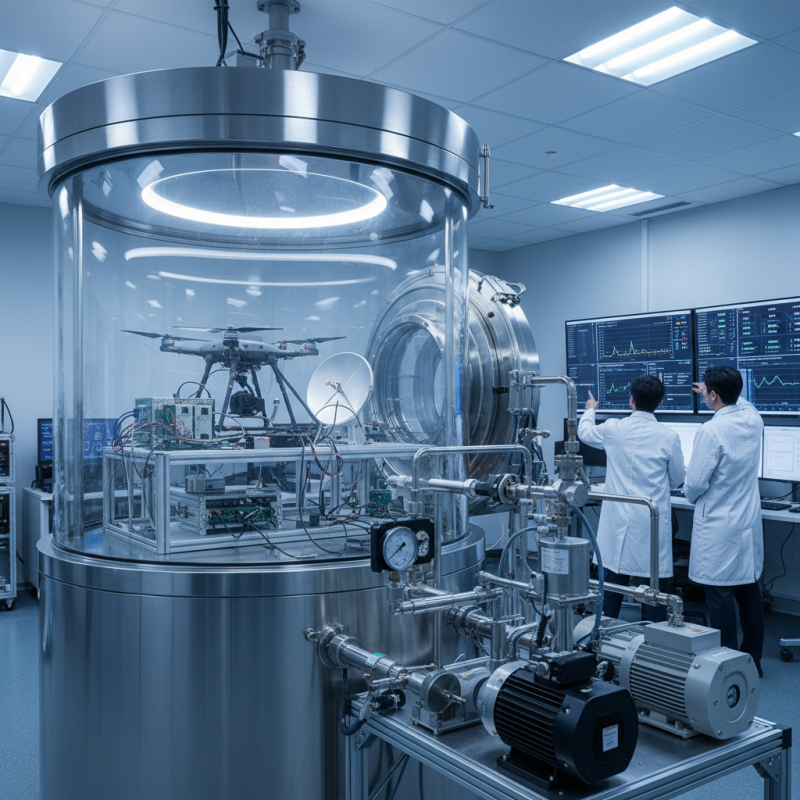
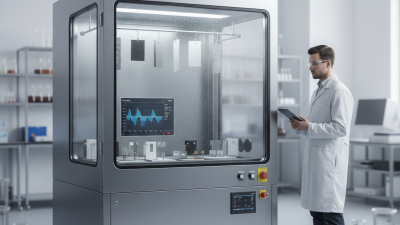
An Altitude Test Chamber is a specialized environment used to simulate high-altitude conditions. These chambers are critical for testing various equipment and products. They create a controlled atmosphere that mimics the reduced pressure and oxygen levels found at high altitudes.
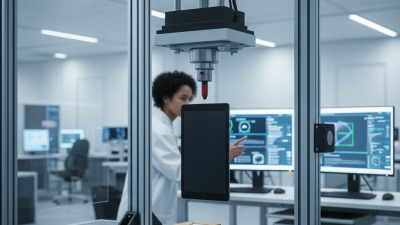
When products are placed inside an Altitude Test Chamber, several factors are monitored. Temperature, humidity, and pressure can be adjusted precisely. This allows engineers to observe how products perform under stress. For example, aerospace components must withstand extreme conditions. Failure in these tests can lead to significant risks.
However, using an Altitude Test Chamber is not without challenges. Sometimes, the tests may not accurately represent real-world conditions. The results can lead to overconfidence in product reliability. It is essential to continuously refine testing methods. Improvement is crucial for safety and performance in the field.
What is an Altitude Test Chamber?
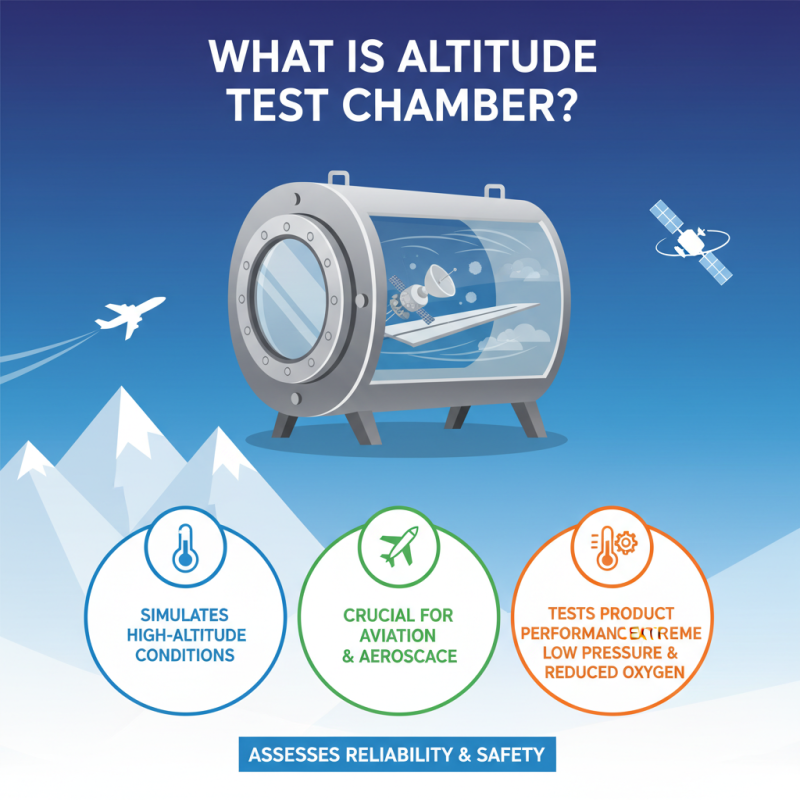
An altitude test chamber is a specialized environment used to simulate high-altitude conditions. These chambers are crucial for testing various products, especially in aviation and aerospace industries. By mimicking the low pressure and reduced oxygen levels found at high altitudes, these chambers help assess how products perform under extreme conditions.
Inside an altitude test chamber, the atmospheric pressure can be adjusted to reflect conditions that might be experienced at several thousand feet. Temperature can also be controlled, adding another layer of realism. Engineers use these environments to conduct tests on aircraft components, electronic systems, and even clothing. The tests can reveal potential failures or weaknesses that may not be noticeable at sea level.
However, not all tests yield straightforward results. Some outcomes can be surprising or even contradictory. For instance, a component might perform well in one altitude test but fail in another with slightly different conditions. This variability highlights the importance of thorough testing. Engineers must analyze results carefully to refine designs and ensure reliability. Such complexities are what make altitude test chambers an essential part of product development.
Principles of Operation for Altitude Test Chambers
Altitude test chambers are critical for simulating high-altitude conditions. These chambers mimic the atmosphere at different altitudes. They can lower pressure and adjust temperature effectively. Such tests are essential for aerospace technology and various products.
The principles of operation involve controlling air pressure and temperature. Chambers use pumps to reduce pressure inside. Thermoregulators manage temperature, simulating extremely cold or hot conditions. Sensors monitor these changes continuously. The space inside allows for real-time observation of how products perform under stress.
Understanding the failure points is vital. Testing can expose unexpected weaknesses. Sometimes, products perform worse than anticipated. Engineers can identify these flaws for improvement. The chamber's capacity to recreate real-world scenarios is invaluable. However, challenges remain in replicating all atmospheric variables accurately. Testing serves as a crucial learning opportunity.
Key Components of an Altitude Test Chamber
An altitude test chamber is a specialized environment designed to simulate high-altitude conditions. Key components define its functionality. The chamber typically features a robust pressure vessel that can create low-pressure environments. This allows researchers to assess how products perform in conditions similar to those found at high elevations.
Another crucial component is the temperature control system. It regulates both heating and cooling, ensuring a wide range of temperature variations. Accurate sensors monitor these conditions, providing real-time data. Additionally, specialized control software plays a vital role in managing the chamber’s operations. It's essential to have reliable software to execute thorough tests.
Even with these components, challenges remain. Ensuring accurate pressure readings can be tricky. A minor malfunction could lead to misleading results. Testing protocols must be revisited regularly to maintain accuracy. Operators may encounter difficulties when calibrating instruments. Continuous improvement is vital for achieving reliable outcomes.
Altitude Test Chamber Performance Over Different Altitudes
This chart illustrates the pressure values measured in an altitude test chamber at various altitudes ranging from sea level up to 40,000 feet. As the altitude increases, the chamber pressure significantly decreases, demonstrating the effects of altitude on atmospheric pressure.
Applications of Altitude Test Chambers in Various Industries
Altitude test chambers are critical in various industries, simulating high-altitude environments. These chambers are essential for testing products under low pressure and reduced oxygen levels. In the aerospace sector, they help ensure that aircraft components withstand extreme conditions. The International Journal of Engineering Research highlighted that about 35% of aerospace failures relate to untested components.
In the electronics industry, altitude test chambers validate device performance. Many electronic devices may fail in scenic locations with high elevations. A study by Tech Insight found that over 15% of electronics complaints stem from altitude effects. Chambers replicate conditions that might cause equipment to malfunction. Companies often overlook these tests, assuming devices perform well at sea level.
Automotive manufacturers also use altitude test chambers for rigorous testing. They evaluate engine performance and emissions under low oxygen conditions. Research indicates that unresolved altitude-related issues can lead to 20% of customer complaints in vehicle performance. This gap reveals a need for comprehensive altitude testing during the design phase. Investing in altitude test environments can significantly enhance product reliability and customer satisfaction.
Safety Measures and Considerations in Altitude Testing
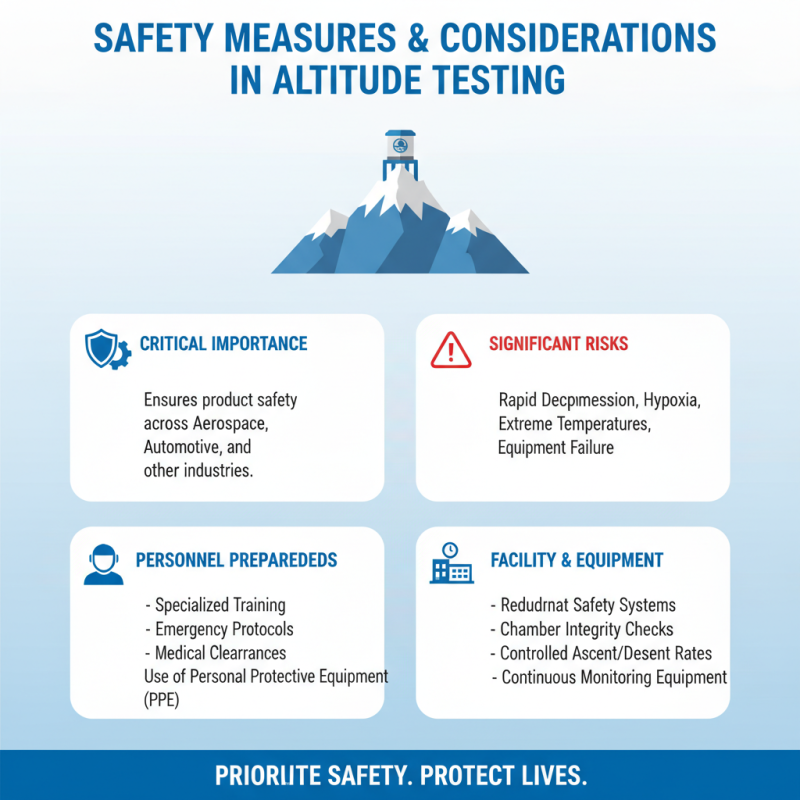
Altitude testing is critical for ensuring safety in various industries. However, this process carries significant risks. Engineers and technicians must prioritize safety measures. High-altitude conditions can lead to rapid decompression and other hazards. Proper training and protocol are essential for personnel involved in these tests.
Before performing altitude tests, equipment must undergo thorough inspections. All safety gear, such as pressure suits and oxygen supply systems, should be checked. Teams should have emergency plans ready in case of equipment failure. Regular drills can enhance preparedness.
Monitoring the chamber’s environment is also crucial. Temperature and pressure changes can affect results. Too rapid a change can harm both the equipment and personnel. Data from tests should be analyzed carefully. Misinterpretations can lead to severe design flaws. Therefore, careful documentation and review are necessary.