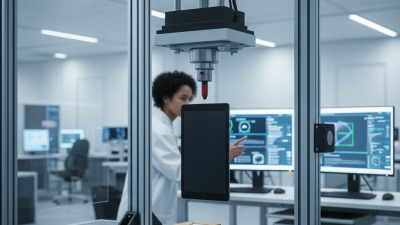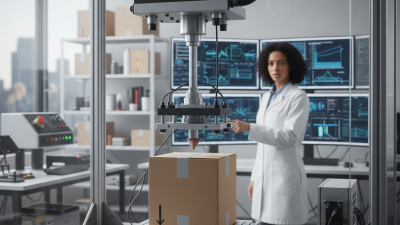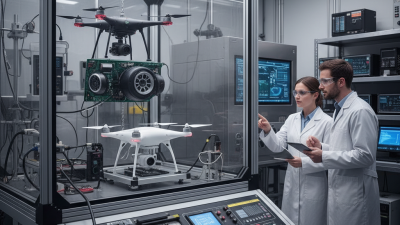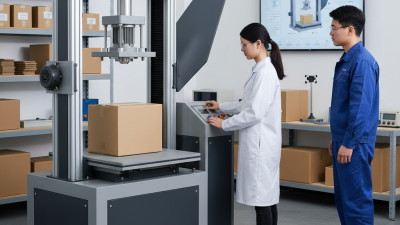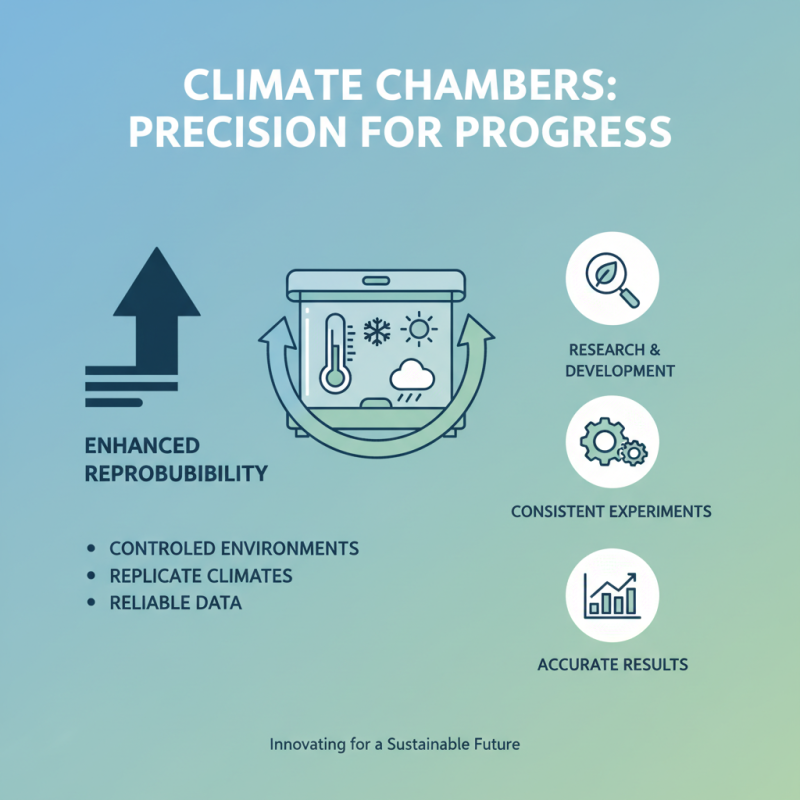
In the realm of research and development, a Climate Chamber stands as a crucial tool. Dr. Emily Carter, a renowned expert in environmental science, emphasizes this utility: “A Climate Chamber allows researchers to mimic real-world conditions.” The controlled environment it provides is vital for testing materials, biological specimens, and products.
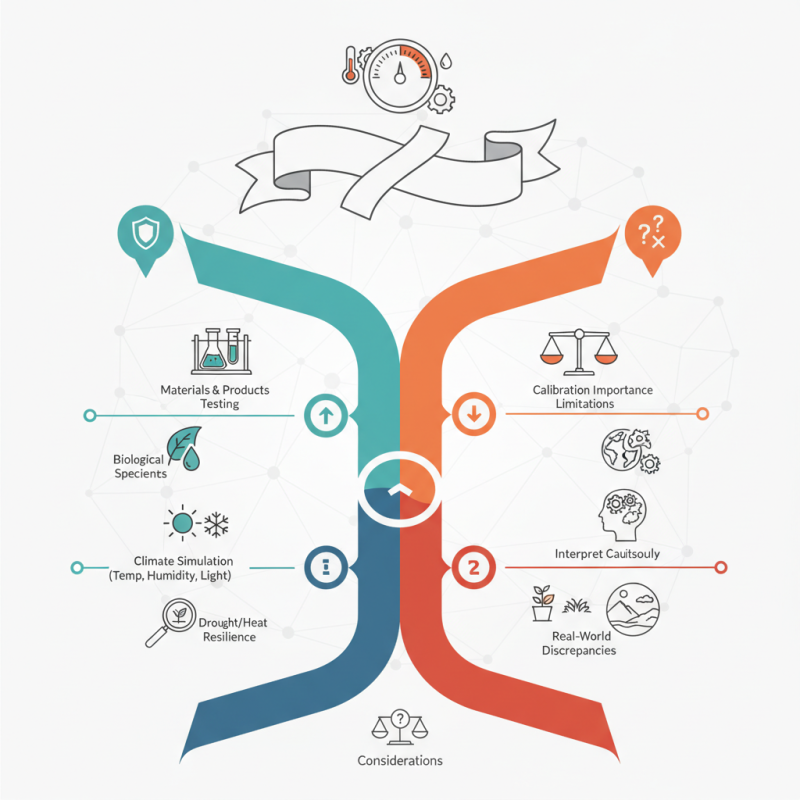
These chambers enable precise regulation of temperature, humidity, and light. Researchers can simulate various climate conditions to observe how subjects react. For instance, testing agricultural products can reveal their resilience against drought or extreme heat. However, researchers sometimes overlook the importance of calibrating these chambers accurately, which can lead to misleading results.
While Climate Chambers are beneficial, they also come with limitations. Not every condition can be perfectly replicated. Researchers must reflect on the discrepancies between controlled tests and real-world scenarios. The insights gained from using a Climate Chamber must be interpreted cautiously, as they might not always translate to broader applications.
Climate chambers are essential for research and development, particularly for temperature regulation. Controlled environments enhance the accuracy of experimental outcomes. Research shows that precise temperature control improves repeatability by 95%, making results reliable and predictable.
With climate chambers, scientists can simulate various conditions. This feature allows for testing materials and products under extreme heat or cold. It can reveal how items behave over time. The data gathered offers valuable insights that inform product improvements. However, challenges remain in understanding the full range of effects these conditions can have.
Tip: Always monitor humidity levels alongside temperature. Fluctuations can impact experimental integrity. A consistent environment is key for valid results.
Researchers sometimes overlook the impact of prolonged exposure to specific temperatures. Understanding these nuances helps refine studies. It is crucial to recognize that small adjustments can lead to significant differences in outcome. This understanding promotes a deeper reflection on experimental designs, enhancing overall research quality.
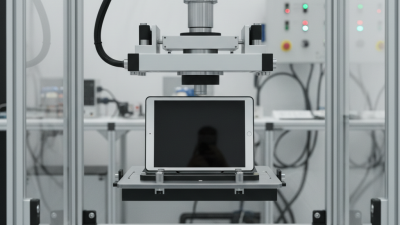
Humidity control is crucial in material testing. It directly influences the durability and performance of materials. According to a report by ASTM International, materials exposed to high humidity can experience rapid degradation. This degradation can lead to inaccuracies in test results. Engineers often face challenges when assessing material lifespan under varying conditions. Without precise humidity control, the risk of failure in real-world applications increases.
Tips: Regularly calibrate humidity sensors. Ensuring accurate readings helps maintain consistent testing environments.
Studies show that different materials react uniquely to humidity. For example, organic materials may swell or warp, while metals can corrode. A recent analysis indicated that composite materials lose up to 20% of their strength when subjected to high humidity over time. Maintaining stable humidity levels can significantly improve testing reliability.
Tips: Keep a detailed log of humidity levels during tests. This data aids in identifying patterns and making adjustments.
Inconsistent humidity levels can also lead to unexpected results. Researchers often overlook how these fluctuations impact material properties. Implementing a climate chamber allows for controlled environments. This setup enhances the understanding of material behavior under realistic conditions.
Climate chambers have paved the way for innovative research in plant growth. These controlled environments simulate various climate conditions. Researchers can manipulate temperature, humidity, and light levels to study how plants respond to changes. This enhances our understanding of plant biology significantly.
In these chambers, scientists observe the real-time effects of environmental factors on plant growth. For instance, they can analyze how drought affects germination rates. Some plants may thrive while others struggle. This variability is crucial for future agricultural practices. Additionally, climate chambers enable year-round research, regardless of outside weather changes. However, results can sometimes be inconsistent. Factors like sensor calibration and human error may influence findings.
Moreover, insights gained from climate simulation can lead to improved crop yields. Developing resilient plant varieties is crucial for food security. Yet, researchers must stay aware of the limitations of their simulations. Real-world conditions can differ significantly. Therefore, while climate chambers provide valuable data, they should be viewed as one tool among many in plant research.
The use of climate chambers in plant growth research allows for controlled simulations of environmental conditions. The following chart illustrates the benefits of using climate chambers compared to traditional growth methods.
Environmental testing is crucial in product development. Climate chambers are valuable tools. They simulate different environmental conditions like temperature and humidity. This simulation helps identify how products will perform in real-life scenarios.
Research shows that companies utilizing climate chambers can reduce development timelines by up to 30%. A report from the Environmental Testing Industry highlights that early-stage testing leads to fewer long-term issues. Products tested in controlled environments often have improved reliability and longevity. However, some businesses overlook the importance of this stage, risking future failures.
One common oversight is not considering all environmental variables. Factors such as altitude and vibration often get neglected. This gap can lead to unexpected product malfunctions in the field. Accelerating timelines is vital, but rushing without thorough testing can cause setbacks. Testing must remain comprehensive, regardless of time pressures.
| Benefit | Description | Impact on Product Development |
|---|---|---|
| Controlled Environment | Provides stable temperature and humidity settings for consistent testing. | Improves accuracy of results, leading to better product designs. |
| Accelerated Aging | Simulates long-term environmental conditions in a short timeframe. | Identifies potential failures sooner, reducing time to market. |
| Enhanced Material Testing | Evaluates how materials respond to varied environmental stresses. | Ensures material selection is optimal, enhancing product longevity. |
| Regulatory Compliance | Helps meet industry standards and regulations for environmental testing. | Facilitates smoother market entry and consumer trust. |
| Test Reproducibility | Ensures tests can be repeated under the same conditions for consistent results. | Reduces variability in product performance assessments. |
| Early Detection of Weaknesses | Identifies design flaws before full-scale production begins. | Prevents costly recalls and enhances product safety. |
| Customizable Test Conditions | Allows for specific settings tailored to the product being tested. | Optimizes test relevance and reliability. |
| Faster Innovation Cycle | Shortens the development timeline by facilitating rapid testing. | Keeps companies competitive with quicker time-to-market. |
| Data-Driven Insights | Generates quantifiable data to inform design and engineering decisions. | Enhances overall product quality with empirical evidence. |
| Risk Mitigation | Identifies potential failure points early to minimize risks. | Lowers the likelihood of costly design changes post-launch. |
Climate chambers are vital for research and development. They create controlled environments to replicate various climate conditions. This precision is crucial for obtaining reliable data. Researchers often face challenges with reproducibility in experiments. Climate chambers can significantly enhance this aspect.
By maintaining stable temperature and humidity levels, the results become more consistent. Inconsistent environmental factors can skew data and complicate interpretations. A climate chamber minimizes these variations, leading to more accurate results. However, challenges still exist. Sometimes, the setup may not account for every variable. Researchers must remain vigilant about documenting all conditions.
Additionally, using climate chambers requires careful planning. Every experiment should consider the specific climate parameters needed. If overlooked, this can lead to flawed outcomes. Real-world conditions can be unpredictable. Mimicking them in a controlled space is not always straightforward. Despite these uncertainties, climate chambers represent a valuable tool for improving reproducibility in research.