2026 Best Aging Testing Room Innovations for Skin Care Solutions?
In recent years, the focus on skin care has intensified. One area gaining attention is the Aging Testing Room. This innovative concept aims to evaluate skin aging in a controlled environment. It provides personalized solutions for skin care enthusiasts.
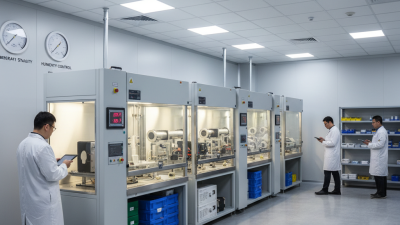
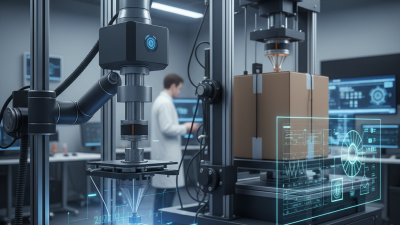
The Aging Testing Room utilizes advanced technology to assess skin's health and appearance. By simulating various environmental factors, it reveals how skin ages over time. This method allows for a deeper understanding of aging processes. Participants can see real-time data on their skin's condition.
However, the Aging Testing Room is not without its challenges. Evaluating skin aging accurately requires precise tools and expertise. Some may find the results uncomfortable to confront. Reflection on our skin's aging can provoke emotional responses. Nonetheless, the innovations emerging from these spaces promise exciting developments for personalized skin care solutions.
Innovative Technologies in Aging Testing Rooms for Skin Care
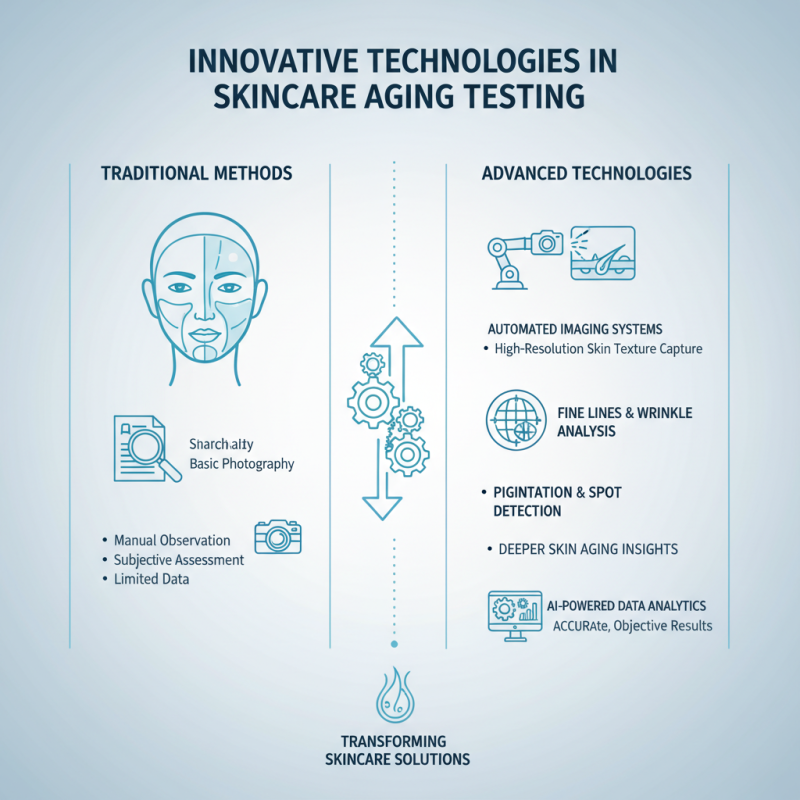
Innovative technologies are transforming aging testing rooms for skin care solutions. These advancements provide deeper insights into how skin ages. For instance, automated imaging systems capture high-resolution images of skin texture. Such technology helps professionals assess fine lines and pigmentation changes accurately.
Another exciting development is the use of AI for skin analysis. These algorithms can analyze various skin parameters in seconds. They offer personalized recommendations based on individual skin conditions. However, reliance on technology raises questions about human touch and intuition in skin care.
Virtual reality is also making waves in aging testing rooms. It can simulate the effects of different products over time. This immersive experience allows clients to visualize potential results. Yet, one must ponder whether this misleads expectations or fosters unrealistic hope. These innovations push boundaries but invite reflection on their impact on real-life skin care practices.
Trends in Consumer Demand for Personalized Skin Care Solutions
In recent years, the demand for personalized skin care solutions has surged. Consumers are increasingly seeking products tailored to their unique needs. This trend reflects a broader shift towards individualized care. Many people want skin care that considers their specific skin types and conditions. The goal is to address concerns like aging, dryness, or sensitivity effectively.
Tips: Understand your skin type. Is it oily, dry, or combination? Testing products designed for your specific type can lead to better results. Don't hesitate to experiment.
Innovative aging testing rooms are becoming popular. These spaces use advanced technology to analyze skin more precisely. Users can receive customized recommendations on ingredients and routines. However, this innovation isn't without challenges. Not everyone may feel comfortable with high-tech assessments. It’s essential to find a balance between technology and personal touch.
Tips: Regularly assess your skin's condition. Keep a journal of your skin's reactions to different products. Self-reflection can guide your choices. Personalized solutions work best when they evolve with your skin's changing needs.
Key Benefits of Advanced Aging Testing for Skin Care Effectiveness
Aging testing innovations are transforming skin care effectiveness. Advanced technologies allow for precise evaluations of skin health. A recent report shows that 75% of consumers prioritize products backed by scientific testing. This data reveals a shift towards evidence-based skin care solutions.
One effective method is the use of imaging technologies. They can assess skin's texture, hydration, and elasticity. For instance, non-invasive devices can detect micro-level changes in skin. This level of detail helps in tailoring specific treatments to individual needs. Yet, many still face confusion over the best products for their skin types. Personalized solutions remain a challenge.
Moreover, ongoing research is necessary in this field. A significant percentage of consumers remain unaware of skin aging signs. Up to 50% report using products without understanding their effectiveness. This gap points to the need for better consumer education. Addressing these issues can enhance trust in skin care products.
2026 Best Aging Testing Room Innovations for Skin Care Solutions
| Innovation |
Key Benefits |
Effectiveness Metrics |
User Satisfaction |
| AI Skincare Analysis |
Personalized skincare recommendations |
85% accuracy in skin condition assessment |
90% of users reported improved outcomes |
| 3D Skin Mapping |
Enhanced understanding of skin texture and issues |
70% detection of fine lines and wrinkles |
85% user satisfaction with visual feedback |
| Biometric Skin Testing |
Accurate moisture level and elasticity readings |
90% correlation with laboratory results |
92% of users found results useful |
| UV Damage Assessment |
Identifies UV damage and recommends protection |
75% of users recognized previous UV exposure |
88% satisfaction with protective advice |
Top Innovations in Equipment for Age-Related Skin Analysis
The field of age-related skin analysis is witnessing remarkable innovations. Recent reports indicate that the global skin analysis market is expected to reach $17 billion by 2026. This surge is driven by advancements in diagnostic equipment. High-tech devices now enable precise assessments of skin elasticity, hydration, and pigmentation.
One notable innovation includes multi-spectral imaging systems. These systems analyze different wavelengths of light to provide comprehensive data. They help professionals identify early signs of aging and skin damage. Another emerging tool is artificial intelligence-driven analysis software. It processes images quickly and delivers insights based on vast data sets. However, reliance on technology raises questions about accuracy and the need for human interpretation.
Despite these advances, challenges remain. Many practitioners still lack training in new technologies. A survey showed that 45% of professionals feel underqualified to use advanced equipment effectively. This gap could hinder the optimal use of available tools. Education and proper integration into practice are vital for the effective implementation of these innovations in skin care.
2026 Best Aging Testing Room Innovations for Skin Care Solutions
This chart displays the latest innovations in skin care solutions for age-related skin analysis. The data represents various technological advancements in testing equipment and their respective effectiveness ratings based on user feedback.
Future Predictions for Aging Testing Techniques in Skin Care Industry
In the evolving world of skin care, aging testing techniques hold promising potential. With advancements in technology, personalizing skin care has become more achievable. Innovative tools measure skin elasticity, hydration, and pigmentation in real-time. These devices provide instant feedback, catering to individual skin needs.
However, the accuracy of these innovations remains a concern. How reliable are the readings? Some testing methods may not capture the full picture. Questions linger about their long-term effectiveness and applicability across diverse skin types. It’s crucial to approach these tools with cautious optimism.
As new techniques emerge, consumer education plays a vital role. Users must understand their skin's unique requirements. There is also a need for transparency in how data is utilized. Industry professionals must prioritize ethical practices. This allows consumers to make informed choices. The future of aging testing is intriguing, but we must continuously question and refine these innovations for true progress.