2026 Best Aging Testing Room Innovations for Quality Assurance?
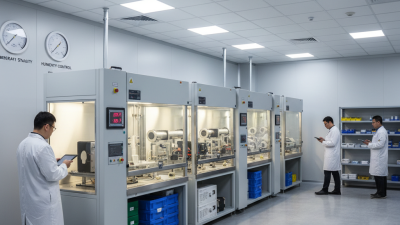
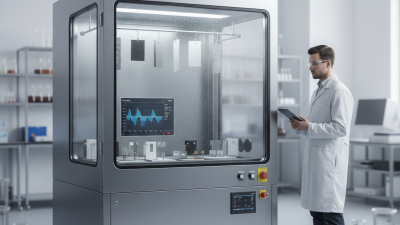
In the evolving landscape of quality assurance, Aging Testing Room innovations are playing a pivotal role. These rooms are designed to simulate long-term conditions that products may encounter over time. As we approach 2026, the focus on advancements has never been more crucial.
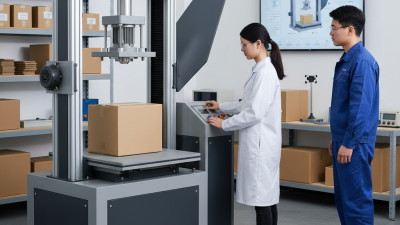
Aging Testing Rooms need reliable equipment and protocols. Testing methods must evolve to ensure products endure wear and tear. Furthermore, the integration of technology can enhance precision in these evaluations. Experts recognize that continuously improving these spaces is essential for reliable outcomes.
However, challenges persist. Not all innovations may translate to practical applications. Identifying the right tests can be a complex task. Thus, continuous dialogue among professionals is necessary. This reflection on Aging Testing Rooms will help refine standards in the industry, ensuring quality remains paramount.
Innovative Technologies in Aging Testing Rooms for Quality Assurance
Innovative Technologies in Aging Testing Rooms for Quality Assurance are transforming the approach to product longevity.
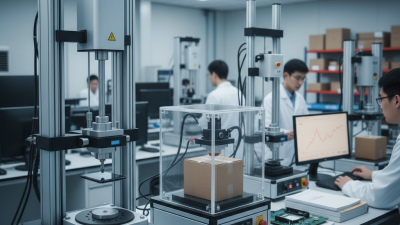
These advancements focus on assessing how products withstand time and use. Incorporating sensory analysis, automation, and data analytics enhances accuracy and reliability.
Sensors can monitor environmental conditions, while automation accelerates the testing process.
Tips: Regularly calibrate your sensors. Ensure consistency in testing conditions. Document every change made during tests for accurate comparisons.
The introduction of virtual reality into aging testing rooms allows for immersive simulations. This technology offers deeper insights into user experiences over time.
Creating predictive models using historical data further aids in anticipating potential failures. However, reliance on technology can create oversight. A human touch is still crucial in interpreting results and making decisions.
Tips: Combine technology with human expertise. Encourage team discussions for diverse perspectives. Re-evaluate your testing methods periodically to identify gaps.
Key Factors Influencing the Effectiveness of Aging Tests
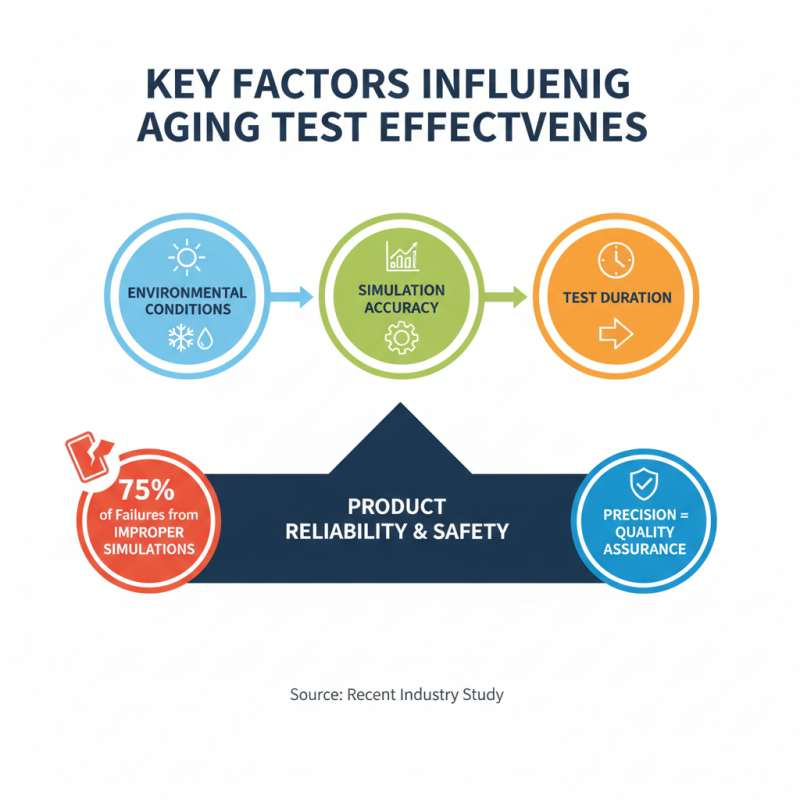
Aging tests are crucial for product reliability and safety. Effective aging tests depend on various factors, such as environmental conditions, simulation accuracy, and test duration. A recent industry study found that 75% of failures occur due to improper aging simulations. Precision in these tests is essential for ensuring quality assurance.
Environmental conditions profoundly impact aging tests. Temperature and humidity variations can drastically alter a product's lifespan. According to data from the International Society for Aging Research, an increase of just 10°C can double the rate of aging in materials. This highlights the importance of controlled environments to achieve accurate results. However, many facilities struggle to maintain consistent conditions, leading to unreliable test outcomes.
Additionally, test duration plays a significant role in determining the efficacy of aging tests. Studies reveal that too-short tests may fail to uncover critical issues, while overly prolonged tests can yield diminishing returns. Finding the optimal balance is challenging yet necessary for accurate predictions. As the industry evolves, adopting advanced analytics and automation may help refine these processes, ensuring products meet rigorous quality standards.
Best Practices for Implementing Aging Testing Innovations
Implementing aging testing innovations requires a strategic approach. Industry reports indicate that nearly 80% of companies struggle to adopt new technologies effectively. A focus on training is essential. Employees need to understand new processes. Without proper guidance, even the best tools can fail.
Benchmarking against industry standards can help. For example, organizations that implemented data analytics in aging tests saw a 25% reduction in errors. This emphasizes the importance of integrating accurate measurement techniques. Regular audits can also ensure continuous improvement. They highlight gaps in the current methods and introduce fresh ideas.
Collaboration across departments fosters innovation. Sharing insights can spark creative solutions. However, internal resistance may arise. Open discussions and feedback loops can address this challenge. Engaging employees in the testing process might ease transitions. Promoting a culture of experimentation often leads to advancements.
Comparative Analysis of Traditional vs. Modern Aging Testing Methods
In the rapidly evolving field of aging testing, the debate between traditional and modern methods is crucial. Traditional aging tests often rely on static environmental conditions and lengthy test durations, which can yield outdated results. Recent studies, like the one from the American Society for Testing and Materials, show that these conventional approaches sometimes lack sensitivity to real-world conditions. For instance, they often simulate environmental extremes rather than the dynamic variations products actually face.
Modern aging testing methods leverage advanced technologies. Accelerated aging tests, for example, can predict product longevity with greater accuracy. A 2022 report highlighted that these methods reduce testing time by up to 70% while providing reliable insights. Techniques like real-time monitoring and AI integration offer valuable data analytics. However, skepticism remains. Some experts argue that rapid testing could overlook long-term degradation patterns, leading companies to underprepare for product lifespan management.
While modern methods present enticing efficiencies, the industry must tread carefully. Balancing speed and reliability is essential. Effective aging testing should capture both immediate responses and long-term viability. Pursuing innovations in this area means acknowledging the limitations of each approach and refining testing strategies accordingly.
Future Trends in Aging Testing Room Developments and Quality Standards
As the landscape of aging testing room innovations evolves, several trends emerge that enhance quality assurance. Recent reports indicate a significant increase in automated testing systems. These systems can streamline processes, allowing for faster turnaround times and greater accuracy. The automation of data collection reduces human error, which is a growing concern in the industry. However, while technology improves efficiency, it also requires continuous monitoring to ensure reliability.
One noticeable trend is the integration of real-time data analytics. According to a 2023 industry report, organizations leveraging real-time analytics have improved their quality standards by nearly 25%. This advancement helps facilities respond quickly to deviations in testing results. Nevertheless, the dependence on data interpretation introduces new challenges. Misinterpretation can lead to flawed quality assessments, highlighting the need for trained personnel who can navigate complex data sets.
Quality standards are expected to shift in response to these innovations. With the rising demand for transparency, regulatory bodies are pushing for clearer guidelines. Some organizations may struggle to adapt to these changes. The evolution of testing protocols often lags behind technological progress. Ensuring alignment between innovation and established quality standards will remain a crucial focus for the industry moving forward.
2026 Best Aging Testing Room Innovations for Quality Assurance
| Innovation |
Description |
Quality Standard Impact |
Implementation Timeline |
| Smart Aging Monitors |
Use of AI to analyze aging-related data in real-time. |
Enhances accuracy of aging assessments. |
2026 |
| Automated Testing Equipment |
Robots performing standardized aging tests. |
Reduces human error in tests. |
2025 - 2026 |
| Virtual Reality Test Environments |
Simulated environments for aging product testing. |
Improves test scenario accuracy. |
2026 |
| Biometric Data Collection |
Integration of biometric sensors in testing. |
Increases data reliability for aging studies. |
2026 |
| Blockchain for Data Integrity |
Use of blockchain to secure test data. |
Ensures tamper-proof data records. |
2026 |