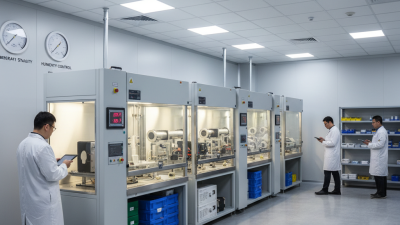
Altitude Chambers are gaining popularity among athletes and fitness enthusiasts. These chambers simulate high-altitude environments by reducing oxygen levels. Such conditions can enhance performance and accelerate recovery. By training in an Altitude Chamber, athletes experience physiological adaptations that improve endurance.
Many professionals now integrate this technology into their training routines. However, some individuals report discomfort during sessions. The effects can vary based on personal health and acclimatization. It's crucial to listen to one's body and adjust accordingly.
As with any training tool, misuse can occur. Some may overestimate the benefits of altitude training. This leads to unproductive sessions and potential health risks. Elevated performance comes with responsibility and awareness. Balancing ambition with caution is essential while exploring the benefits of Altitude Chambers.
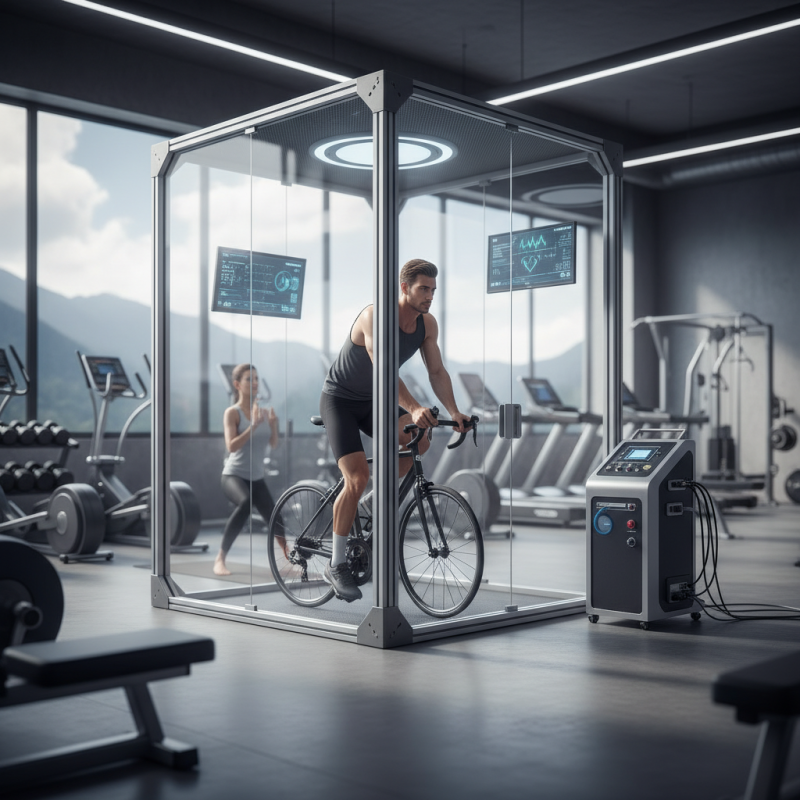
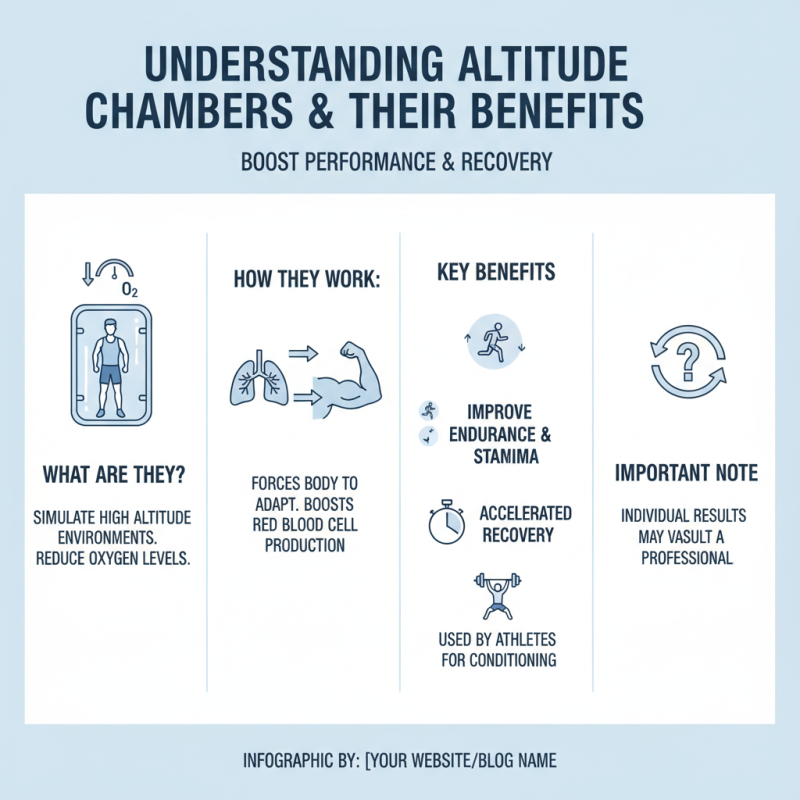
Altitude chambers simulate high-altitude environments. They reduce oxygen levels, forcing your body to adapt. This adaptation boosts performance and enhances recovery. Many athletes use these chambers for conditioning. The chambers help improve endurance and stamina. However, results can vary among individuals.
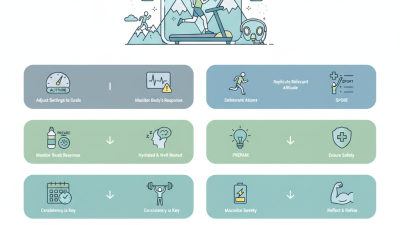
Using an altitude chamber can feel different for everyone. Some may experience initial discomfort, like headaches or fatigue. It’s crucial to listen to your body during sessions. Adjust the duration and intensity based on how you feel. A slow approach often yields better results.
Tips: Start with shorter sessions. Gradually increase the time as your body adjusts. Stay hydrated and rest adequately after each session. Monitor your progress, reflecting on changes over time. Pay attention to your recovery rate and overall performance. This reflective practice can help you make necessary adjustments.
Altitude chambers have gained popularity in sports for their benefits in enhancing
performance and aiding recovery. When selecting
an altitude chamber, it’s crucial to consider key features that align with your training goals.
One major aspect is the adjustable altitude range. A report
from the Journal of Sports Science highlights that chambers that allow adjustments between
2,500 to 6,000 meters can significantly enhance athletic performance by improving
oxygen utilization.
Another important feature is the chamber's size and comfort. Many athletes find that
spacious chambers enable longer training
sessions. A study indicates that psychological comfort can influence endurance positively.
Additionally, easy access to hydration and ventilation is vital,
allowing athletes to stay hydrated and avoid overheating during their sessions.
Technological integration also plays a critical role. Some advanced models offer
interactive interfaces and performance
tracking metrics. According to a research paper from the International Journal of Sports Physiology,
monitoring physiological responses while using altitude chambers can provide
personalized insights. However, not all chambers provide such technology. Athletes should reflect on
their needs and the limitations of each chamber before making a choice.
Altitude chambers are gaining popularity for enhancing athletic performance and speeding up recovery. They simulate high-altitude conditions, which can improve oxygen efficiency. Many athletes use them to gain a competitive edge. The environment challenges the body, making it adapt and grow stronger.
When looking for the best options, consider the size and features of each chamber. Some are compact, making them suitable for personal use. Others are larger, designed for teams or professional athletes. The materials used affect comfort and durability. Certain chambers even offer different altitude settings for varied training needs.
However, it is essential to remember that altitude training is not a quick fix. Results may vary among individuals. Some might not feel the benefits after several sessions. Reflecting on personal goals is crucial. It’s important to ensure that these chambers align with your training regimen and recovery plan. Each experience can lead to insights about one’s limits and potential.
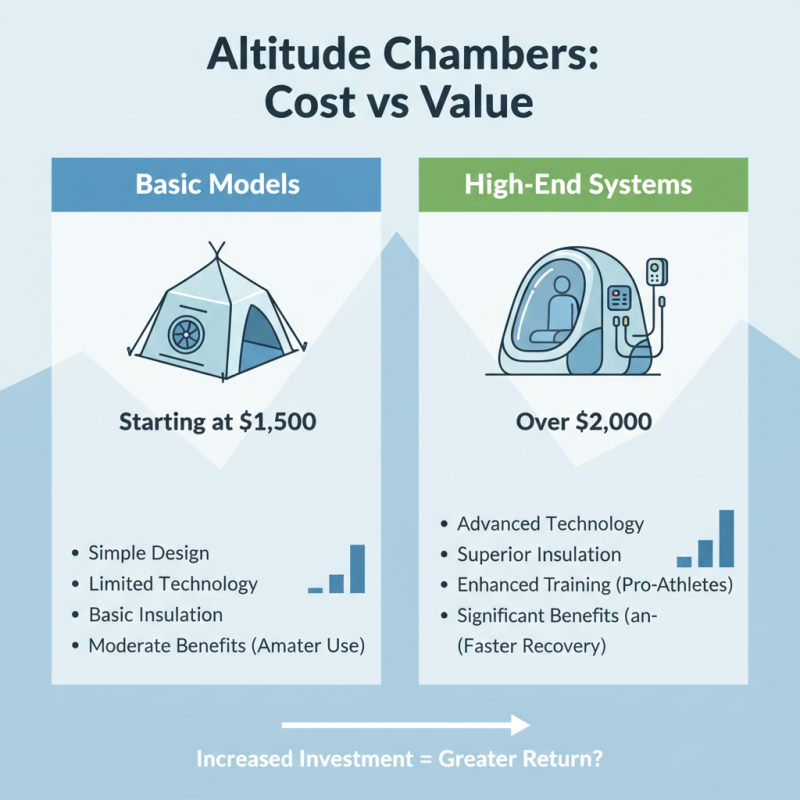
Altitude chambers have gained popularity for enhancing athletic performance and aiding recovery. Their costs vary widely, impacting value for potential users. Some basic models can start as low as $1,500, while high-end systems may cost over $20,000. Reports indicate that purchasing more expensive units often correlates with advanced technology and better insulation, which can result in more effective training benefits.
Investing in an altitude chamber often requires a careful assessment. A detailed analysis from an industry report suggested that users should evaluate the tangible benefits of improved oxygenation and endurance against the initial expense. Individuals training at high altitudes can improve their VO2 max significantly, as highlighted in multiple studies. However, many users find themselves asking if the performance gains truly justify the investment.
Tips: Consider renting an altitude chamber before committing to a purchase. This can help determine if the experience meets your training goals. Also, think about the maintenance costs for more complex models. An overlooked aspect can be the electric consumption, affecting overall costs. Using it effectively requires planning.
Altitude chambers can enhance athletic performance and recovery. However, safety and proper usage are crucial. A study from the Journal of Sports Science indicates that improper use can lead to altitude sickness. This includes headaches and dizziness. It's important to follow altitude chamber guidelines closely.
Ensure the chamber is well-maintained. Regular checks can prevent malfunctions that may expose users to unsafe conditions. A research report from the International Journal of Sports Medicine highlights that even a brief malfunction can negate the benefits gained from altitude training.
Monitor the duration and frequency of sessions. Excessive exposure can be counterproductive. Experts suggest limiting sessions to no more than 90 minutes. Pay attention to your body's signals. Feelings of nausea or shortness of breath should not be ignored. Proper hydration before and after your session also plays a significant role. This helps mitigate the risk of dehydration, which can worsen symptoms like fatigue.
| Model | Altitude Range (ft) | Size (LxWxH in inches) | Weight (lbs) | Usage | Safety Features |
|---|---|---|---|---|---|
| AltitudePro 1000 | 1,000 - 15,000 | 75x45x40 | 200 | Training & Recovery | Pressure Relief Valve |
| ElevationMax 2000 | 1,000 - 20,000 | 80x50x48 | 250 | Performance Enhancement | Oxygen Monitoring System |
| SummitAir 3000 | 1,000 - 18,000 | 70x42x39 | 180 | Recovery Sessions | Automatic Air Circulation |
| PeakPerformance 4000 | 1,000 - 25,000 | 85x55x50 | 300 | Endurance Training | Emergency Release Valve |
| AltitudeElite 5000 | 1,000 - 30,000 | 90x60x55 | 350 | High-Altitude Training | Pressure Monitoring System |