Best Double-Wing Drop Tester for Global Buyers Seeking Quality
In the realm of product testing, the importance of a reliable Double-Wing Drop Tester cannot be overstated. According to the latest industry reports, nearly 80% of product failures occur due to inadequate packaging. Ensuring products withstand impacts is critical for businesses aiming to enhance customer satisfaction and reduce returns. A robust testing method, such as the Double-Wing Drop Tester, provides essential data on packaging durability.
The functionality of a Double-Wing Drop Tester stands out in various sectors. It measures how products respond to impact scenarios, simulating real-world conditions. Clients from the electronics to the e-commerce industry recognize its value. In fact, studies indicate that companies using certified testing equipment can improve packaging effectiveness by up to 30%. However, not all testers are created equal. Some lack the precision needed for rigorous reliability assessments.
Moreover, the market offers various models, each with its unique features. Some testers may not meet specific industry standards, which can lead to unreliable data. Companies must remain cautious during their selection process. Investing in a high-quality Double-Wing Drop Tester is crucial. Doing so ensures both compliance and the protection of valuable products.
Overview of Double-Wing Drop Testing Principles and Importance
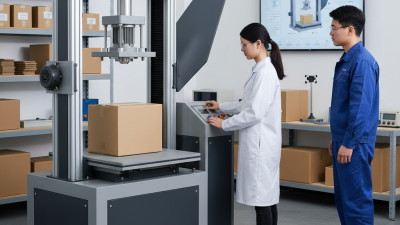
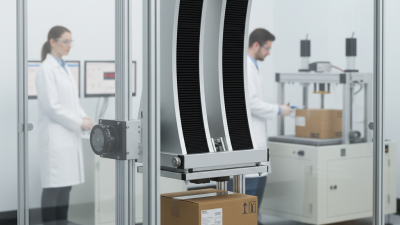
Double-wing drop testing is crucial in ensuring product durability during transportation. This method focuses on replicating real-world conditions where products may experience falls. The double-wing design allows for a controlled yet dynamic testing environment. By simulating various drop angles, testers can identify potential weaknesses in packaging and products. The results provide valuable insights into how products can withstand impacts.
Understanding the principles behind double-wing drop testing can highlight its importance. Properly executed tests can help manufacturers anticipate challenges in logistics. It's not just about how the product looks but how it performs under stress. Companies can refine their designs, improving packaging materials and construction. Yet, not every test will reveal all flaws. Some products may pass initial tests but fail under unforeseen circumstances. Continuous evaluation and adaptation are necessary.
Quality assurance relies on such rigorous testing frameworks. However, there is always room for improvement. Testers should reflect on past results and remain open to new methods. Being critical of existing processes can lead to enhanced testing protocols. Embracing innovation while acknowledging previous shortcomings can drive the industry forward. This blend of reflection and action fosters reliability in product safety.
Double-Wing Drop Tester Performance Overview
This chart displays the impact resistance of different materials tested using the double-wing drop tester across various weight thresholds.
Key Features to Look for in a High-Quality Double-Wing Drop Tester
When selecting a double-wing drop tester, certain key features should stand out. A robust drop height range is essential. According to industry reports, a tester capable of simulating drops from at least 1.2 meters ensures real-world reliability. Rigorous tests reveal that packages often fail from heights under duress. Ensuring the tester can replicate these conditions is vital for accurate results.
Another crucial aspect is the weight capacity. Many studies indicate that testing packages of varying weights offers a more comprehensive understanding of packaging integrity. Ideally, a double-wing drop tester should handle weights up to 30 kilograms. This allows for flexibility when testing diverse products.
Users also need to pay attention to the materials used in the tester's construction. Durability can vary, and cheap materials may not withstand repeated use. Testing can become flawed if the equipment fails. Regular maintenance is also crucial for maintaining precision. Inconsistent results can mislead manufacturers regarding their product safety.
Best Double-Wing Drop Tester for Global Buyers Seeking Quality - Key Features to Look for in a High-Quality Double-Wing Drop Tester
| Feature |
Description |
Importance |
Common Specification |
| Drop Height Adjustment |
Allows users to set specific drop heights for various testing standards. |
Essential for testing different packaging materials. |
Adjustable from 30 cm to 150 cm. |
| Payload Capacity |
Maximum weight the tester can handle for accurate results. |
Critical for testing heavy-duty packages. |
Up to 100 kg. |
| Data Recording |
Features for recording drop tests for analysis. |
Important for quality assurance and reporting. |
Built-in digital display with USB connectivity. |
| Material of Test Platform |
Durable materials used to withstand repeated drops. |
Ensures longevity and reliability. |
Steel or composite materials. |
| Safety Features |
Includes emergency stop and safety guards. |
Critical for safe operation. |
Emergency stop button and protective barriers included. |
Top Manufacturers and Brands for Double-Wing Drop Test Equipment
When selecting a double-wing drop tester, quality is crucial. The right equipment ensures accurate results and reliable performance. Global buyers need to recognize top manufacturers that have established reputations in this field. These brands typically prioritize innovation and durability in their designs. Look for those that offer robust testing capabilities and customer support.
Tips: Research the technology each manufacturer uses. Some equipment has advanced features that enhance testing accuracy. Consider the materials used in construction, as they influence longevity. Regular maintenance is essential for consistent performance. Pay attention to customer feedback; insights from other users can guide your choice.
Quality standards often vary across different manufacturers. This variation can impact the effectiveness of testing. Prioritize companies with proven track records. It’s worth reflecting on how these differences could affect your operations. Ensure you are well-informed before making a decision.
Global Market Trends and Consumer Preferences in Drop Testing
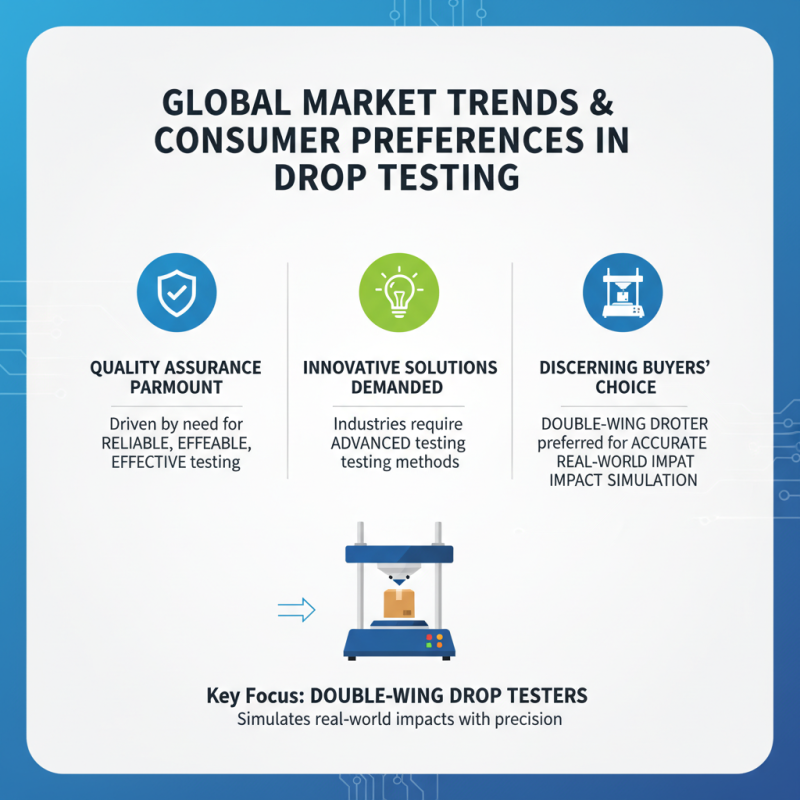
In the evolving landscape of drop testing equipment, global trends reveal shifting consumer preferences. Quality assurance has become paramount, driven by the need for reliable and effective testing methods. As industries demand innovative solutions, buyers are increasingly discerning about the specifications of double-wing drop testers. This device is favored for its ability to simulate real-world impacts accurately.
Different sectors, from electronics to packaging, require tailored testing solutions to meet specific safety standards. Emerging markets show a strong preference for testers that offer versatility and high precision. The desire for quick turnaround and affordability is also significant. Buyers are weighing the trade-off between price and quality, seeking reliable equipment without compromising performance. An informed choice can often be challenging, given the myriad options available.
There’s a growing awareness of the importance of testing in product development. However, inaccuracies in testing processes can lead to critical failures. Companies are increasingly focusing on ongoing training and education about their equipment. Continued research into the latest technologies is essential. Addressing these gaps in knowledge can lead to improved outcomes and enhance overall consumer confidence in drop testing solutions.
Maintenance and Calibration Best Practices for Drop Testers
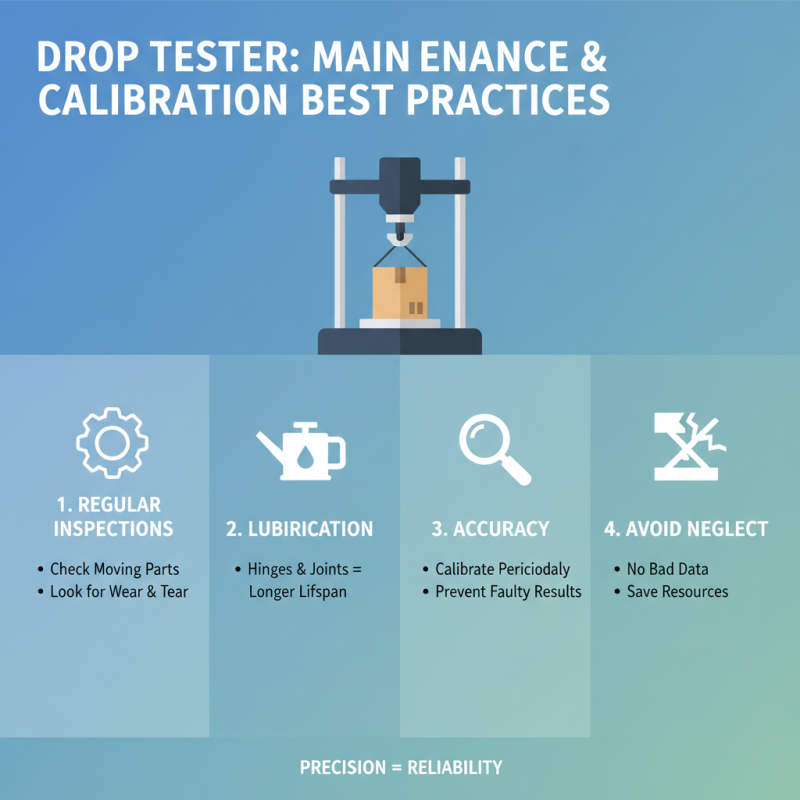
When it comes to drop testers, maintenance and calibration are pivotal. Regular inspections help ensure that instruments are operating accurately. It’s essential to check all moving parts for wear and tear. Lubrication of hinges and joints can prolong the device's lifespan. A neglected tester may yield faulty results, leading to wasted resources.
Calibration should follow a predefined schedule, ideally influenced by usage frequency. Utilize certified weights and ensure the drop height remains calibrated. Users should document all calibration activities religiously. This creates a trustable history of equipment performance. Often, careless calibration can result in deviations that compromise testing standards. Regular training on proper handling can mitigate misunderstandings.
Feedback from the testing process can guide future maintenance protocols. Consider reviewing the equipment’s performance data periodically. Analyzing trends can reveal areas that need improvement. This reflection helps technicians address potential flaws proactively. Ultimately, a commitment to maintenance and calibration ensures reliability in the drop testing process.