China Top Altitude Simulation Chamber Features and Benefits Explained?
The Altitude Simulation Chamber is a groundbreaking development in environmental testing technology. Designed for high-altitude conditions, this chamber provides unique benefits. It simulates conditions found at elevations up to 30,000 feet. This is crucial for industries like aerospace and sports science.
Professionals in these fields rely on accurate testing. The Altitude Simulation Chamber allows for the assessment of equipment and human performance under pressure. It's not just about altitude; it’s also about understanding oxygen levels and extreme temperatures. These chambers ensure reliable, repeatable results.
However, there are some limitations. The cost of these chambers can be significant, which may deter smaller companies. Additionally, not all tests can fully replicate real-world conditions. This requires ongoing reflection and improvement. Understanding the full capabilities and constraints of the technology is essential for users. Ultimately, the Altitude Simulation Chamber represents innovation but requires careful consideration.
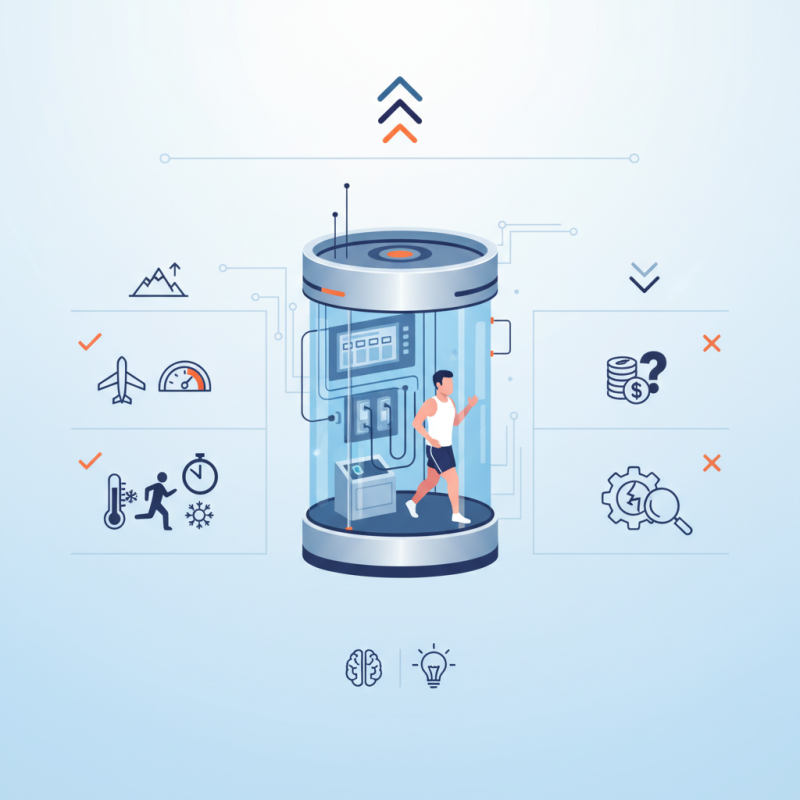
Features of China’s Leading Altitude Simulation Chamber
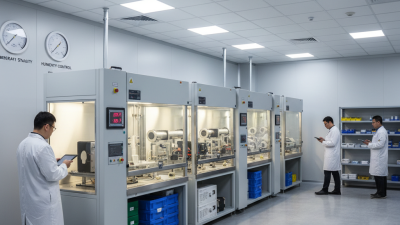
China's leading altitude simulation chamber boasts a range of innovative features. These chambers are designed to replicate high-altitude environments accurately. Advanced technology creates controlled pressure and oxygen levels. This is vital for research in aerospace, sports science, and medicine. Researchers can conduct experiments that mimic conditions found at elevations over 8,000 meters.
The durability of these chambers encourages reliability in experiments. Constructed with robust materials, they withstand extensive use. Their user-friendly interface simplifies operation for researchers. Real-time monitoring systems enhance the overall safety of experiments. However, there may be inconsistencies in data interpretation during long-term experiments.
Another notable feature is the modular design, allowing for easy customization. Researchers can adjust settings to suit specific needs. This flexibility can lead to challenges in standardization. Different teams may require varied settings, leading to potential discrepancies. Nevertheless, the benefits of these altitude simulation chambers are substantial. They enhance our understanding of human adaptation to extreme conditions. This knowledge is crucial as we explore high-altitude environments better.
China Top Altitude Simulation Chamber Features and Benefits Explained
| Feature |
Description |
Benefits |
| Altitude Range |
Simulates altitudes from sea level to 25,000 feet. |
Allows testing of performance in extreme conditions. |
| Temperature Control |
Maintains temperatures between -70°C to +60°C. |
Evaluates the impact of temperature variations on products. |
| Humidity Control |
Adjustable humidity levels from 10% to 95% RH. |
Tests product durability in various moisture conditions. |
| Rapid Cycle Capability |
Fast transition rates between different altitude and temperature settings. |
Reduces testing times and increases efficiency. |
| Data Logging |
Integrated data logging system for monitoring conditions. |
Facilitates detailed analysis and reporting of test results. |
| Safety Features |
Includes pressure relief valves and emergency shutdown. |
Ensures user safety during high-altitude testing. |
Key Benefits of Using Altitude Simulation Technology
Altitude simulation technology plays a vital role in various fields, including aerospace and sports science. It creates controlled environments that mimic high-altitude conditions. This is crucial for testing equipment and training individuals for optimal performance in these conditions.
One key benefit is improved safety. Research teams can assess how products react under extreme conditions. They can identify potential failures before they occur in real-life situations. This knowledge mitigates risks and enhances safety for users. Furthermore, athletes benefit from altitude training. It helps them improve endurance and recovery times.
However, some drawbacks exist. Not all equipment performs the same way at high altitudes. Regular calibration of the chambers is necessary to ensure accuracy. This requires time and investment. Organizations need to weigh these costs against benefits. Balancing safety, performance, and financial considerations is essential in utilizing altitude simulation technology effectively.
Key Benefits of Using Altitude Simulation Technology
Applications of Altitude Simulation Chambers in Various Industries
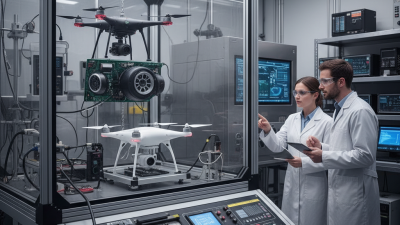
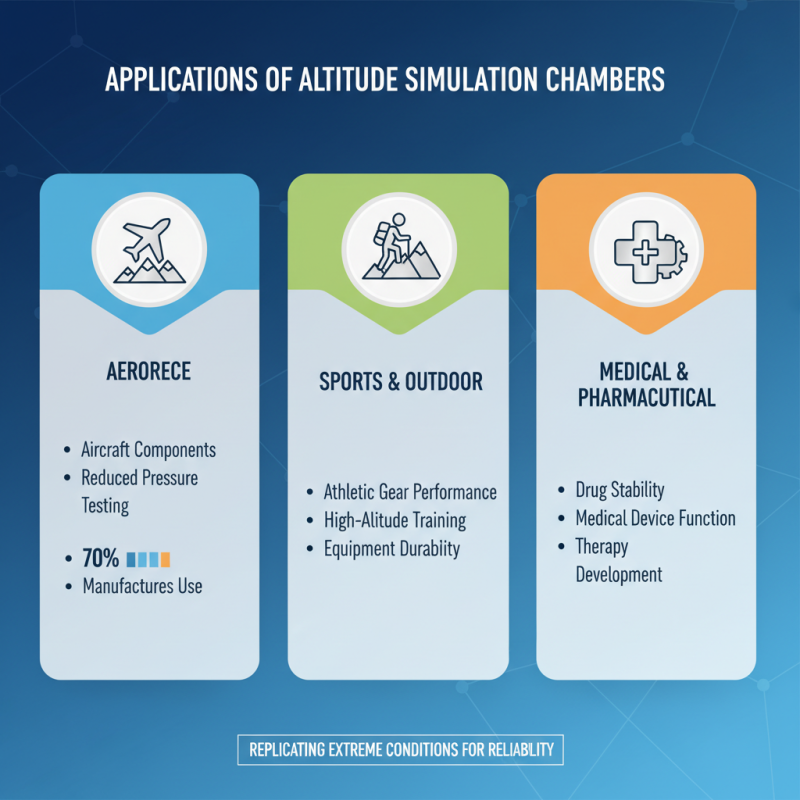
Altitude simulation chambers are essential tools in various industries. They replicate high-altitude conditions to test products and systems. For instance, the aerospace sector uses these chambers to ensure that aircraft components function correctly at reduced pressures. According to industry reports, approximately 70% of aerospace manufacturers utilize altitude simulation in their testing processes.
In the automotive industry, altitude simulation chambers play a vital role in engine performance testing. Car manufacturers can assess how engines react to high elevations. This helps in optimizing fuel efficiency and emissions. Research indicates that vehicles often experience a drop in performance by about 20% at elevations above 3,000 meters. Understanding these dynamics can lead to better designs for high-altitude driving.
The healthcare sector also benefits significantly from altitude simulation chambers. These chambers are used to study how pharmaceuticals work under copious variations. For example, drugs intended for high-altitude areas must maintain stability and efficacy. An industry study revealed that environmental factors could alter drug potency by nearly 15%. This reality calls for rigorous testing in simulated conditions to ensure patient safety.
Technical Specifications and Innovations in Altitude Simulation
Altitude simulation technology plays a critical role in aerospace, environmental testing, and medical research. The latest altitude simulation chambers have advanced features and specifications that enhance their reliability and effectiveness. These chambers can simulate altitudes ranging from sea level up to 80,000 feet, creating conditions that closely mimic high-altitude environments.
According to recent industry studies, these chambers can replicate various temperature and humidity levels, creating realistic scenarios for stress testing and product validation.
One innovative aspect of these chambers is the integration of real-time monitoring systems. Sensors track pressure, temperature, and oxygen levels continuously, providing valuable data for experiments. This capability helps researchers adjust conditions swiftly to observe different physiological responses.
Data from NASA indicates that exposure to high altitudes can lead to hypoxia, making such chambers essential for safety testing of pilots and athletes.
Tips: Always calibrate the chamber before testing. Ensure you're operating within suggested ranges. Be aware of potential equipment limitations, as improper use may yield inaccurate results. Consider regular maintenance for optimal performance. Data-driven insights from these tests reveal crucial information about human tolerance to low-oxygen scenarios and can guide future innovations in safety equipment design.
Comparative Analysis of Altitude Chambers Worldwide
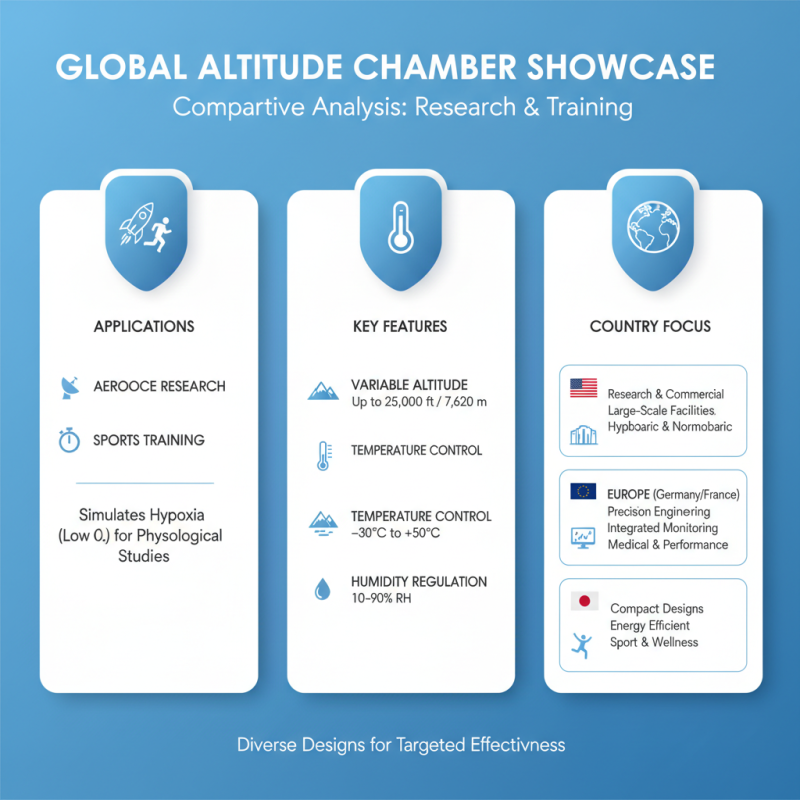
Altitude simulation chambers are essential for various applications, including aerospace research and sports training. They replicate high-altitude conditions, making them valuable for studies that investigate the physiological impacts of low oxygen levels. Different countries design their chambers with specific features and capabilities. Understanding these differences can provide insights into their effectiveness.
For instance, some altitude chambers use advanced technology to simulate conditions at elevations above 25,000 feet. They carefully control oxygen levels and atmospheric pressure. Other chambers might lack this high precision, leading to less reliable outcomes in experiments. Attention to detail in these chambers can significantly affect research validity.
Comparative analysis shows that certain features enhance the usability of these chambers. Some have user-friendly interfaces, while others prioritize durability and maintenance. Studying various models highlights that performance can vary greatly. Effective altitude simulation should adapt to diverse needs in research and training. Each chamber's design reflects its intended application, thus influencing overall efficiency. Further exploration and evaluation of these systems can shed light on best practices and areas needing improvement.