2026 How to Choose the Best Drop Test Equipment for Your Needs?
In the world of product testing, selecting the right Drop Test Equipment is crucial. According to John Smith, an expert in the field, "The right equipment can ensure product safety and reliability." This statement emphasizes the importance of making informed choices.
When choosing Drop Test Equipment, consider your specific needs. Different products require different testing methods. For instance, electronic devices may need precise impact measurements. Conversely, bulky items require a different approach. Understanding these nuances is essential for effective testing.
Many companies overlook the importance of testing. They may choose equipment based solely on price. This can lead to inadequate testing and product failures. It’s vital to reflect on what equipment truly meets your testing requirements. Investing time in research can prevent costly mistakes down the line.
Understanding Drop Test Equipment: An Overview of Types and Uses
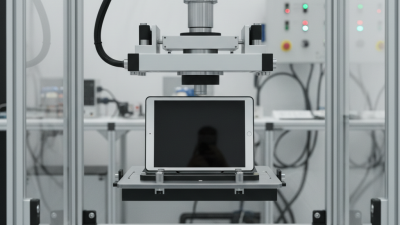
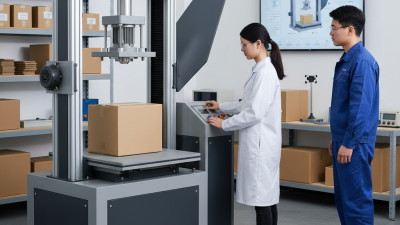
When selecting drop test equipment, it's essential to understand the various types available. A standard drop test machine evaluates the durability of products by simulating falls. These machines can vary in height, weight, and features. Some models allow for customizable drop heights, ideal for testing different applications. Others come with sensors to measure impact force.
Beyond the basic function, consider the material used in the equipment. Some machines are made of heavy-duty steel, while others use lighter materials. This choice can affect the longevity and reliability of the tests. Ensure the machine aligns with the specific requirements of your testing. A mismatch can lead to flawed results, which would be regrettable for product quality assessments.
Moreover, ease of use plays a critical role. A complicated setup may result in user errors. Look for equipment with straightforward interfaces. Even basic calibration should be user-friendly. In some cases, the added complexity can be distracting and lead to indecision. Ultimately, the right equipment should balance functionality with user needs.
2026 How to Choose the Best Drop Test Equipment for Your Needs?
| Type of Drop Test Equipment |
Weight Capacity (lbs) |
Drop Height (inches) |
Applications |
Price Range (USD) |
| Standard Drop Tester |
50 |
48 |
Packaging, Electronics |
$2,000 - $5,000 |
| Universal Drop Tester |
100 |
60 |
Furniture, Appliances |
$3,500 - $7,000 |
| Automated Drop Test System |
200 |
72 |
Industrial Equipment, Heavy Duty |
$10,000 - $25,000 |
| Portable Drop Tester |
30 |
36 |
Field Testing, Smaller Items |
$800 - $1,500 |
| Incline Impact Tester |
75 |
Varies |
Shock Absorption, Safety Testing |
$5,000 - $12,000 |
Key Factors to Consider When Selecting Drop Test Equipment
When selecting drop test equipment, consider several key factors. The most important is the weight capacity of the equipment. It should match the items you plan to test. Not all equipment can handle heavy products. This could lead to inaccurate results or even equipment failure.
Next, look at the drop height capabilities. Some tests require higher drops than others. You want to ensure your equipment meets those requirements. Additionally, assess the design. It should be user-friendly and durable. Complicated setups can waste time. Durability matters; equipment can sustain damage over time.
Finally, take calibration into account. Regular calibration ensures that your results are reliable. Inaccurate readings can mislead your testing process. Think about how easy it is to adjust settings. A simple interface can save countless hours in the long run. Sometimes, choosing equipment can feel overwhelming. Reflect on these factors carefully.
Evaluating the Performance Specifications of Drop Test Machines
When choosing the best drop test equipment,
performance specifications matter. Look closely at the weight limits.
They should match your product needs. A machine that can handle various sizes is helpful.
Adjustable drop heights can also provide flexibility.
You may need to test different impacts.
Pay attention to the materials used in the equipment.
Durable materials ensure longevity, but some may not withstand heavy use.
Check the cycle rate as well. A faster cycle rate might seem ideal. However, it could lead to
accelerated equipment wear. Consider how often you will use the machine and for what products.
Lastly, don’t overlook the measurement capabilities.
Precise data collection is essential for accurate evaluations.
A system that tracks impact force can be beneficial. However, if data accuracy is lacking, it can lead to incorrect conclusions.
Developing a thorough understanding of your testing needs is crucial.
Balancing performance with practicality often requires reflection.
Budget Considerations for Purchasing Drop Test Equipment
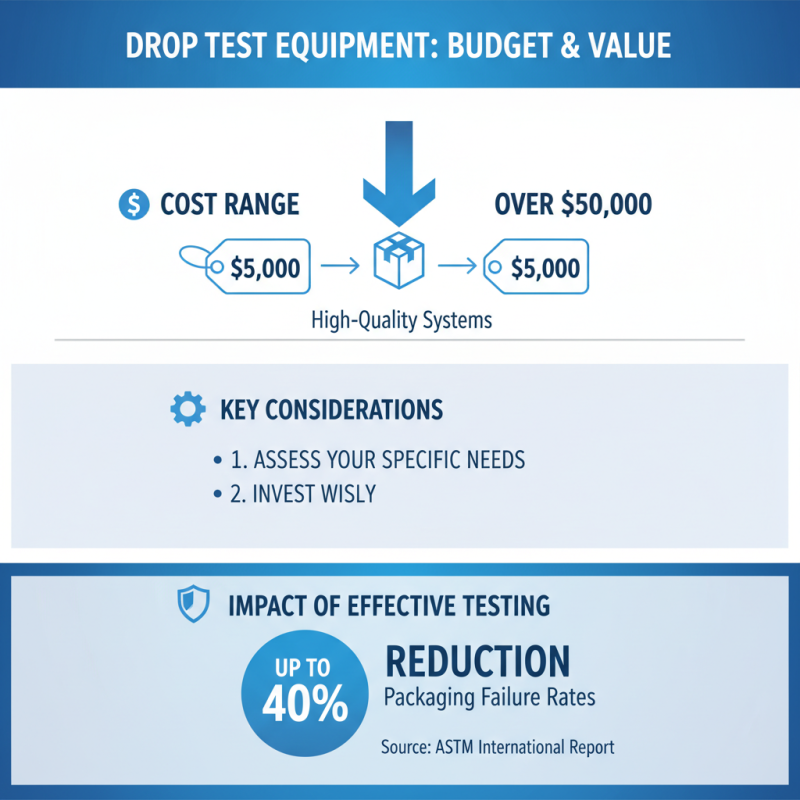
When considering drop test equipment, budget plays a vital role. A high-quality drop test system can range from $5,000 to over $50,000. It's essential to assess your specific testing needs. A report from the ASTM International states that effective drop tests can reduce packaging failure rates by up to 40%. This highlights the importance of investing wisely.
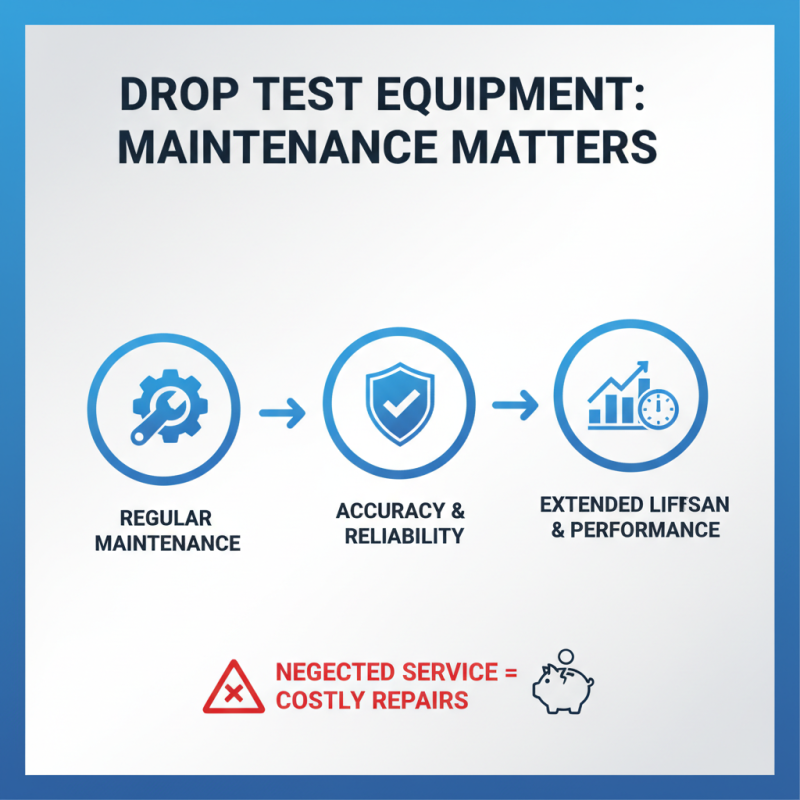
Many companies overlook the costs associated with maintenance. Regular calibration may add an additional $1,000 to $3,000 annually. It's crucial to factor in these ongoing expenses when budgeting. Simple mistakes, like underestimating equipment lifespan, can lead to unexpected costs. A poorly chosen system may require earlier replacements.
Consider also the trade-offs between features and budget. Advanced systems come with sophisticated data analysis tools, but they may not be necessary for all businesses. The most cost-effective solution isn’t always the cheapest upfront. A balance between initial investment and long-term benefits is critical. Understanding your testing parameters will help streamline your purchase decisions.