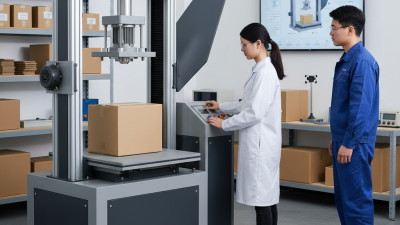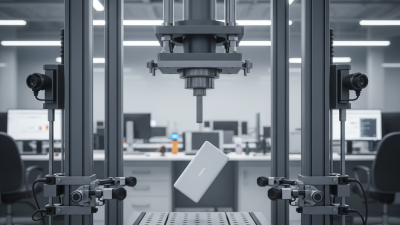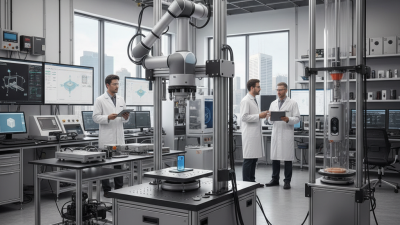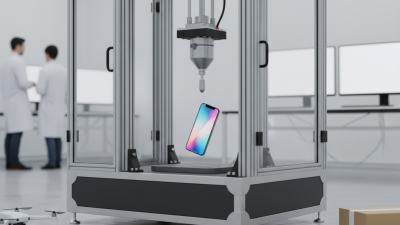
Choosing the right Drop Testing Machine is crucial for product quality assurance. With various options available, it can be overwhelming. Each machine serves different purposes based on design and functionality.
Understanding your specific testing requirements is essential. Some machines are better for electronics, while others suit packaging tests. Consider factors like weight, drop height, and your product's sensitivity. A high-quality machine will reduce costly product failures during shipping.
Reflecting on what your needs are will help you make a better choice. Quality testing is not just a formality; it impacts your reputation. A reliable Drop Testing Machine ensures your products reach customers in good condition. It is an investment in your brand's credibility and longevity.
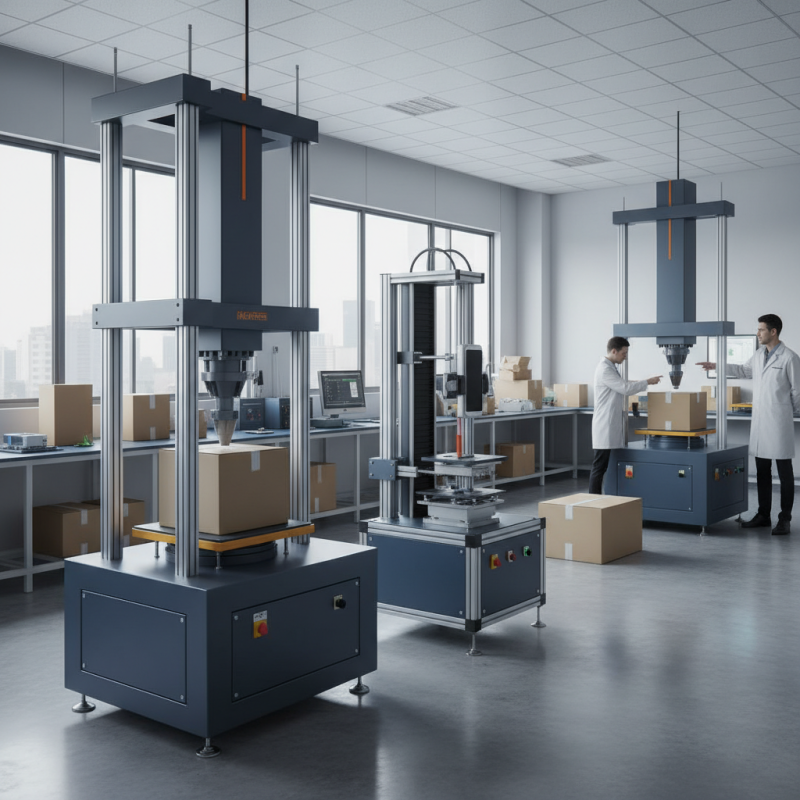
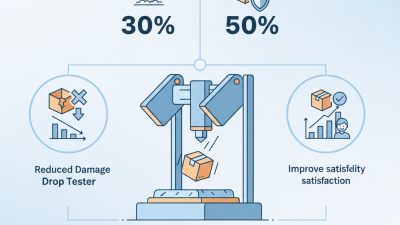
Drop testing is vital in assessing product durability and reliability. This process simulates real-world conditions that products face during shipping and handling. According to industry reports, around 30% of products suffer damage due to improper handling. Understanding the purpose of drop testing can help companies make informed decisions about their quality control processes.
The importance of drop testing extends beyond simply passing tests. It reflects a product's ability to withstand shocks and impacts. A study published by the International Journal of Mechanical Engineering revealed that products subjected to drop testing showed a 25% decrease in warranty claims. This statistic highlights the tangible benefits of investing in effective testing methods. Manufacturers need to be proactive, considering vulnerabilities that may arise during transportation.
However, choosing the right drop testing machine can be challenging. Many machines will not replicate real-life scenarios perfectly. Some may overemphasize severity, while others may not replicate the impact angles accurately. These inconsistencies reflect the need for careful evaluation of testing equipment. Companies should weigh their testing needs against available technologies. Prioritizing reliable machines will lead to more accurate assessments and improve overall product quality.

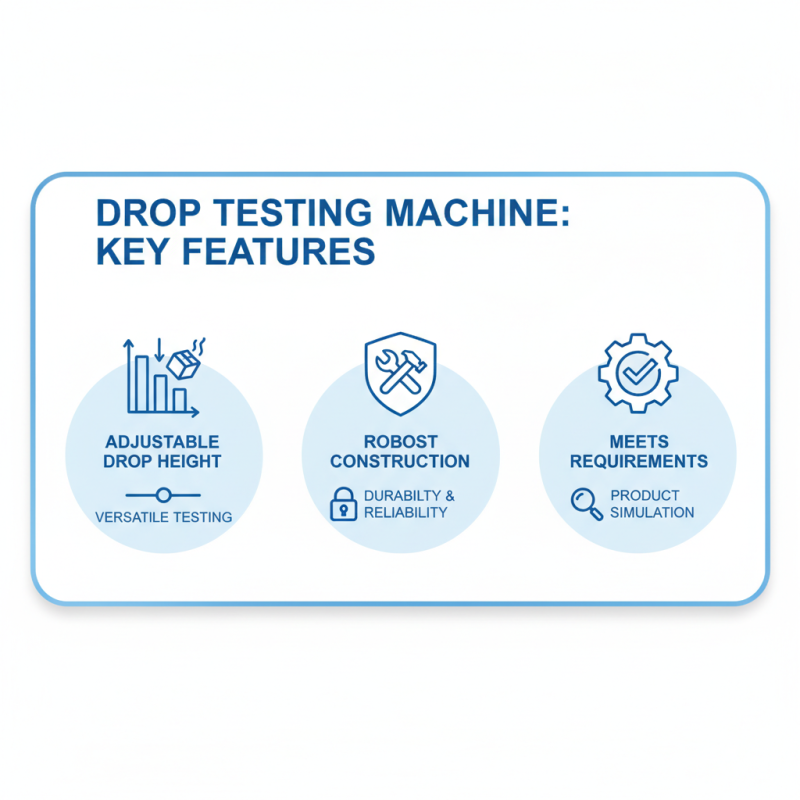
When selecting a drop testing machine, consider essential features that meet your specific requirements. One of the most crucial aspects is the drop height. A machine with adjustable drop heights allows you to test various products effectively. This flexibility is vital for simulating real-life impacts. The construction quality of the machine also matters. Sturdy materials ensure longevity and reliability, reducing the need for frequent replacements.
Another vital feature is the data recording capability. A machine that logs impact data provides insights into product performance. You can analyze results to improve product design. This data becomes a valuable resource for quality assurance. Pay attention to the ease of operation. A user-friendly interface saves time during testing.
Tip: Check for machines that offer a range of impact speed settings. This allows for a more comprehensive analysis of your products under different conditions.
Don’t overlook the safety features. A drop testing machine should include safeguards to protect users. This aspect is often neglected but is critical. Review user feedback to gauge the reliability of the machine in real-world situations. Reliable machines experience fewer breakdowns and yield consistent testing results.
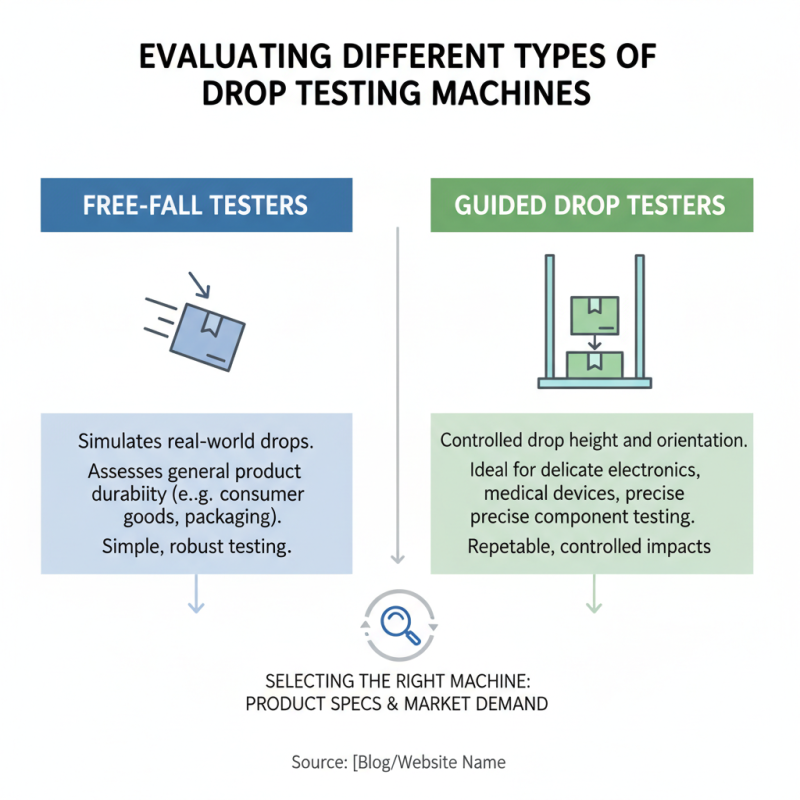
When selecting a drop testing machine, understanding its various types and applications is vital. These machines serve distinct purposes across industries, from consumer products to electronics. For instance, free-fall testers simulate real-world drop scenarios, offering a reliable way to assess product durability. On the other hand, guided drop testers provide precise control over drop heights, ideal for more delicate items. Evaluating the type needed requires an understanding of the product's specifications and market demands.
The application of these machines varies significantly. For packaging testing, machines may need to replicate the conditions products face during shipping. In contrast, electronics require stricter adherence to standards to ensure safety and reliability. Some may choose to integrate additional sensors or data logging features for deeper insights. However, not all machines offer the same build quality or reliability. Some users may find themselves needing to calibrate excessively, or the data could be inconsistent.
Moreover, navigating through the choices can be overwhelming. Many factors influence the decision, such as budget and required features. Testing protocols might change, leading to the need for modifications or upgrades. It's essential to engage with actual case studies and user feedback, as theory alone may not capture real-life performance. Familiarity with each machine's limitations leads to informed choices, ensuring the right fit for specific requirements.
When selecting a drop testing machine, compliance with industry standards is crucial. Various organizations provide guidelines for testing procedures and equipment standards. Commonly referenced standards include ASTM, ISO, and IEC. These standards define how to conduct drop tests and what parameters to measure. Adhering to these regulations ensures that products undergo rigorous testing. It helps assess product durability and safety.
Understanding these operational standards is essential for manufacturers. They outline the required test methods, including the height, weight, and surface material considerations. Poorly designed equipment may not accurately reflect real-world conditions. This misalignment can lead to faulty conclusions about product durability. It's vital to choose machines that meet these standards to avoid potential issues. Regular updates to these guidelines may occur, challenging companies to stay informed.
It’s also important to consult with experts in the field. Their insights can help in navigating complex regulations. However, some machines may not fully comply, leading to gaps in testing accuracy. Regular audits of testing procedures and equipment help mitigate risks. Critical reflection on past testing outcomes can improve future practices. Ultimately, thorough understanding and adherence to standards lead to better product safety and performance in the market.
When budgeting for drop testing machinery, cost-effectiveness should be a primary consideration. Industry reports indicate that the average cost of high-quality drop testing machines ranges from $10,000 to $50,000. This price often correlates with the machine's capabilities and durability. Investing in a reliable machine can prevent costly product failures later. Low-cost options may lead to more frequent repairs, raising overall expenses.
A reliable machine should meet industry standards, minimizing risks in testing. Look for models certified by recognized organizations such as ASTM or ISO. It’s essential to analyze long-term costs, not just the initial investment. Maintenance can consume up to 20% of the machine’s total cost annually. Understanding this helps make informed decisions.
Consider machine versatility as well. A multi-functional machine can test various products, saving money in the long run. However, it may have a higher upfront cost. Sometimes, companies overlook these factors. They might focus solely on the initial price, neglecting future implications. Balancing initial costs with performance and longevity is crucial for sustainable investment.