2026 How to Use a Double-Wing Drop Tester for Quality Control?
In the realm of quality control, the "Double-Wing Drop Tester" has emerged as a valuable tool. Experts emphasize its importance in assessing product durability. Dr. Nancy Wright, a leading figure in materials testing, states, “The Double-Wing Drop Tester reveals weaknesses that standard tests often overlook.”
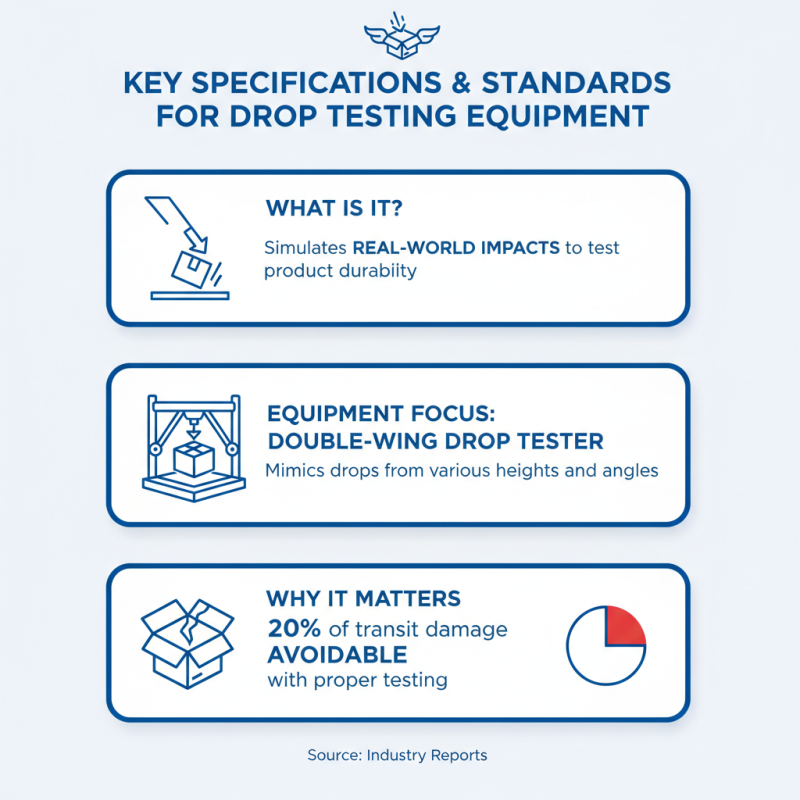
With this innovative device, companies can simulate real-life impacts on their packaging and goods. It measures how products withstand drops from various heights. This insight is crucial for brands to prevent costly damages. However, many use the tester without fully understanding its capabilities or limitations.
Despite its advantages, reliance on the Double-Wing Drop Tester can lead to oversight. Some manufacturers may neglect to integrate other testing methods. A comprehensive approach is key. Quality control extends beyond one tool. Ensure you analyze the complete performance spectrum for optimal results.
Understanding the Double-Wing Drop Tester: An Overview of Its Functionality
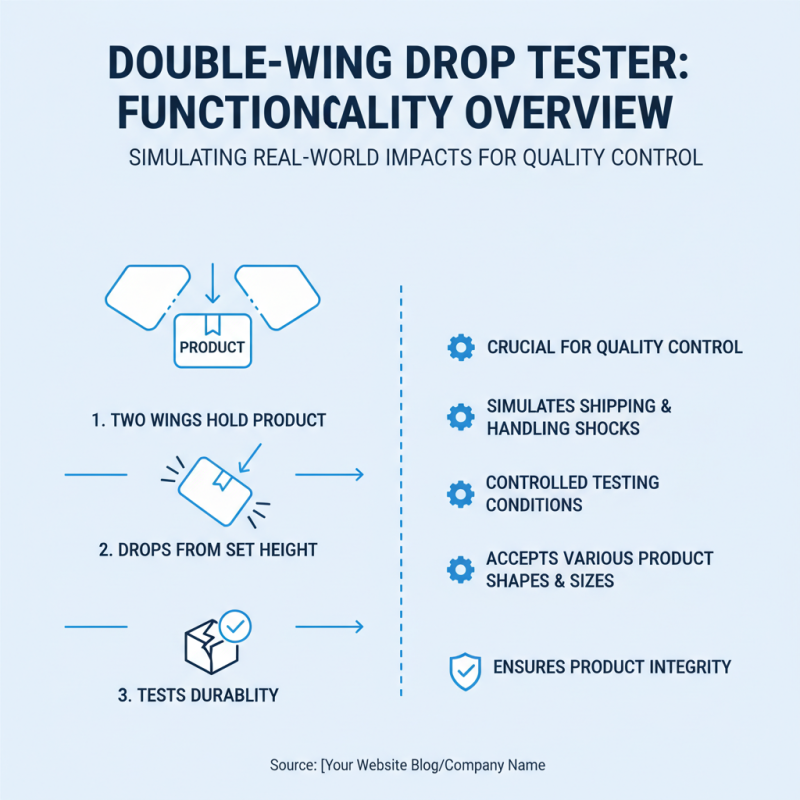
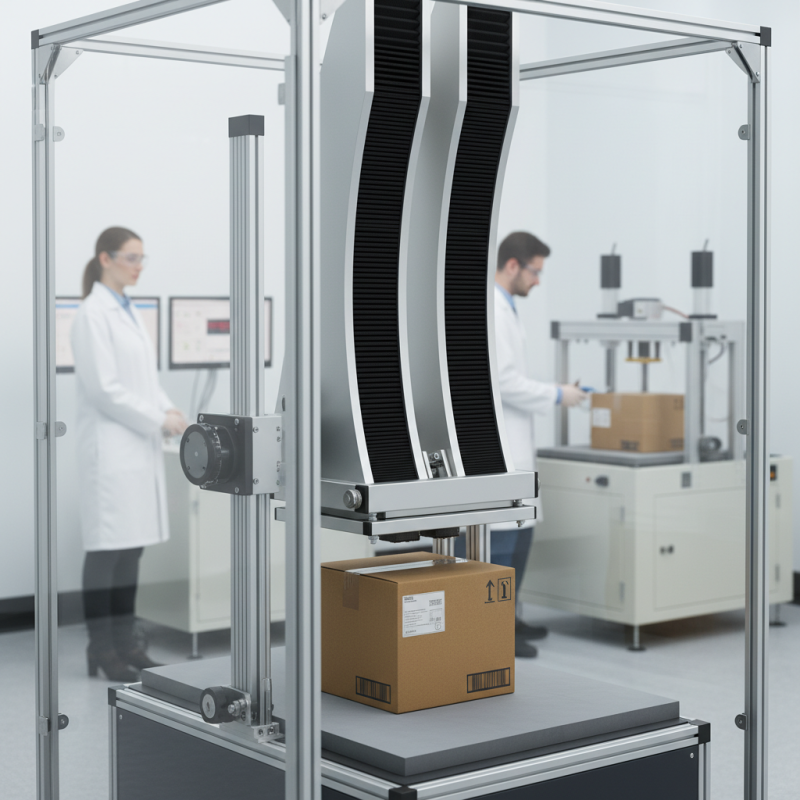
The Double-Wing Drop Tester is a vital tool in quality control. It simulates real-world impacts that products may face during shipping and handling. Understanding its functionality is crucial for manufacturers. The tester consists of two wings that drop the product from a specified height. This setup allows for controlled testing conditions. Products of various shapes and sizes can be tested.
Observing how items perform under stress is enlightening. Some products may crack, while others show resilience. It's interesting to note that not every product performs as expected. Some designs that look robust may fail. This inconsistency highlights the need for continuous improvement. The testing process reveals both strengths and weaknesses.
Using this tester effectively requires practice. Operators must be mindful of the drop height and angle. If these parameters are not maintained, results can be misleading. Reflecting on past tests can lead to better design choices. The data collected can guide future production strategies. Manufacturers must embrace this iterative process for achieving quality.
Step-by-Step Guide to Setting Up the Double-Wing Drop Tester
Setting up a double-wing drop tester requires careful attention to detail. This device is essential for quality control in packaging. Begin by selecting a stable surface for testing. Make sure the area is clear and well-lit. Ensure that the tester is level and securely anchored. Check that all components are intact. Any loose parts can lead to inaccurate results.
Next, adjust the height settings on the drop tester. This feature allows flexibility depending on the package type. It’s crucial that the height aligns with industry standards. Use a calibration tool to verify that the drop height is accurate. If the calibration seems off, troubleshoot the mechanism. Small errors can lead to significant discrepancies in testing output.
After setup, it’s time to conduct trial drops. Select a representative sample for the test. Observe how the package behaves upon impact. Document any odd results. Not all tests will go as planned. Some packages may perform poorly, raising questions about their design. Take notes on failures and successes. This reflection helps improve future testing.
2026 How to Use a Double-Wing Drop Tester for Quality Control
This bar chart illustrates the impact of different heights on the failure rate of products tested using a Double-Wing Drop Tester. The data reflects how various drop heights affect quality control outcomes.
Analyzing Test Results: Interpreting Data from the Drop Tester
When using a double-wing drop tester, analyzing test results is crucial. This device simulates impact scenarios, assessing the durability of products. Once the test is complete, the real challenge begins: interpreting the data. You might see varying drop heights and angles. These factors significantly affect the outcome. It's essential to gather all details to provide context for the data.
Look closely at the first impact. Often, it reveals the most about product vulnerability. Did the item sustain damage? Were there cracks or deformities? Pay attention to minor details. Sometimes, issues arise from parts seemingly unaffected. After that, you can compare results based on different materials used. Certain combinations might perform better than others. It’s beneficial to keep an open mind to unexpected findings.
However, the analysis can be imperfect. Data inconsistencies may confuse results. Perhaps the environment during testing wasn’t stable. Or, specific components might have skewed the data. Reflection is necessary here. Understanding how to account for these discrepancies can lead to improved testing processes. Embrace flaws to enhance product quality and reliability.
2026 How to Use a Double-Wing Drop Tester for Quality Control? - Analyzing Test Results: Interpreting Data from the Drop Tester
| Test ID |
Drop Height (cm) |
Number of Drops |
Item Condition |
Date of Test |
| 001 |
60 |
10 |
Passed |
2023-01-15 |
| 002 |
80 |
15 |
Failed |
2023-02-10 |
| 003 |
100 |
12 |
Passed |
2023-03-05 |
| 004 |
90 |
20 |
Passed |
2023-05-08 |
| 005 |
110 |
0 |
Failed |
2023-07-21 |
Best Practices for Quality Control Using the Double-Wing Drop Tester
When it comes to quality control, using a double-wing drop tester can be a game changer. This device assesses the durability of products by simulating realistic drop conditions. To maximize its effectiveness, it is crucial to conduct tests systematically. Position the samples securely within the tester to prevent any unwanted movement. Ensure the setup reflects the actual handling conditions the product will face.
Accurate measurements are essential. A focus on proper calibration of the tester cannot be overlooked. Every drop angle and height must be recorded precisely to ensure consistent results. However, it is important to acknowledge that even with careful planning, unexpected variables might affect outcomes. Variations in product materials or environmental factors can lead to inconsistent data.
Regular inspection of the testing equipment is another aspect that demands attention. Components may wear out over time, resulting in discrepancies. Regular maintenance checks help to ensure reliable testing. Documenting all procedures and outcomes creates a clear audit trail. This proactive approach enhances transparency and improves future testing rounds. Ultimately, embracing these practices leads to better insights into product resilience.