Why is Drop Test Equipment Essential for Product Safety and Quality Assurance?
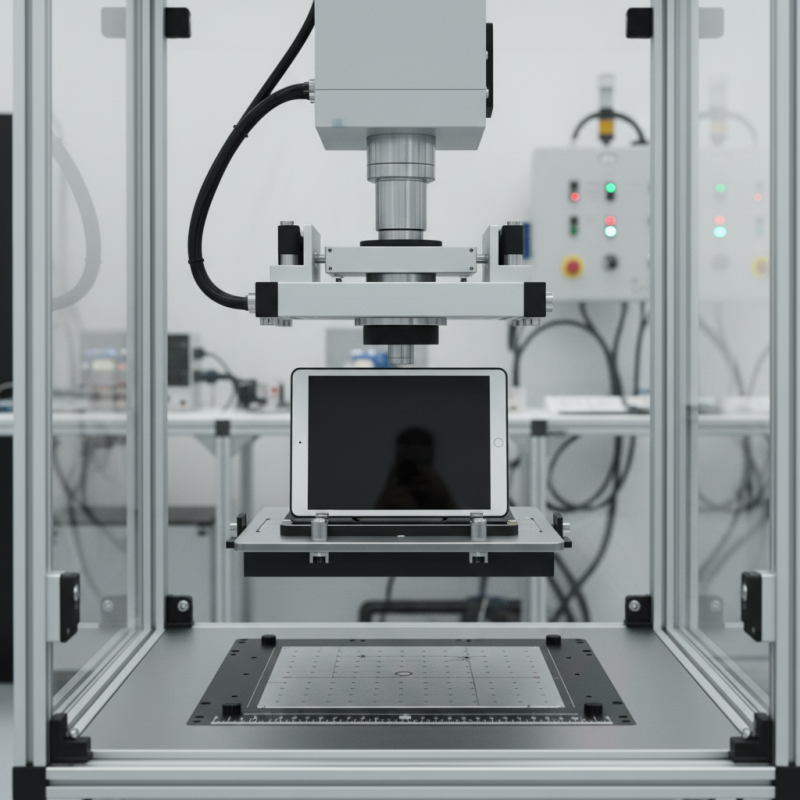
Drop Test Equipment plays a crucial role in ensuring product safety and quality. Companies use it to measure how well products withstand impacts during transport and use. This equipment simulates drops and vibrations. It helps identify weaknesses in packaging and design. Products must survive the rigors of handling and shipping.
When a product fails a drop test, the consequences can be severe. Customers may receive damaged items, leading to dissatisfaction. Companies then face product recalls and loss of reputation. This reality makes robust testing essential. Yet, some firms overlook the importance of thorough testing. They rush products to market, risking safety and quality.
Investing in Drop Test Equipment can prevent these issues. It allows companies to enhance product durability. This proactive approach is essential for long-term success. However, not all companies prioritize this testing. Reflecting on this can lead to better practices and improved outcomes.
Importance of Drop Tests in Evaluating Product Durability
Drop tests play a critical role in assessing a product's durability. These tests simulate real-world impacts that products may face during usage. According to industry reports, about 45% of product returns are due to damage incurred during shipping or handling. This highlights the need for robust testing methods that can predict potential failures.
In recent studies, over 30% of electronic devices failed drop tests from heights as low as one meter. This data exposes a significant concern for manufacturers. Products that cannot withstand common drops end up damaging brand trust. Not just electronics, but also items like toys and appliances need thorough testing.
Rigorous drop tests help ensure products don’t just look good but perform well in everyday scenarios.
Despite knowing the importance, many companies cut costs on testing. This leads to vulnerability. Manufacturers may overlook vital aspects of design that ensure safety. It is essential to reflect on these practices. Investing in quality testing can avoid future financial losses and reputational damage. Ultimately, prioritizing drop tests leads to better, more reliable products for consumers.
Types of Drop Test Equipment Used Across Industries
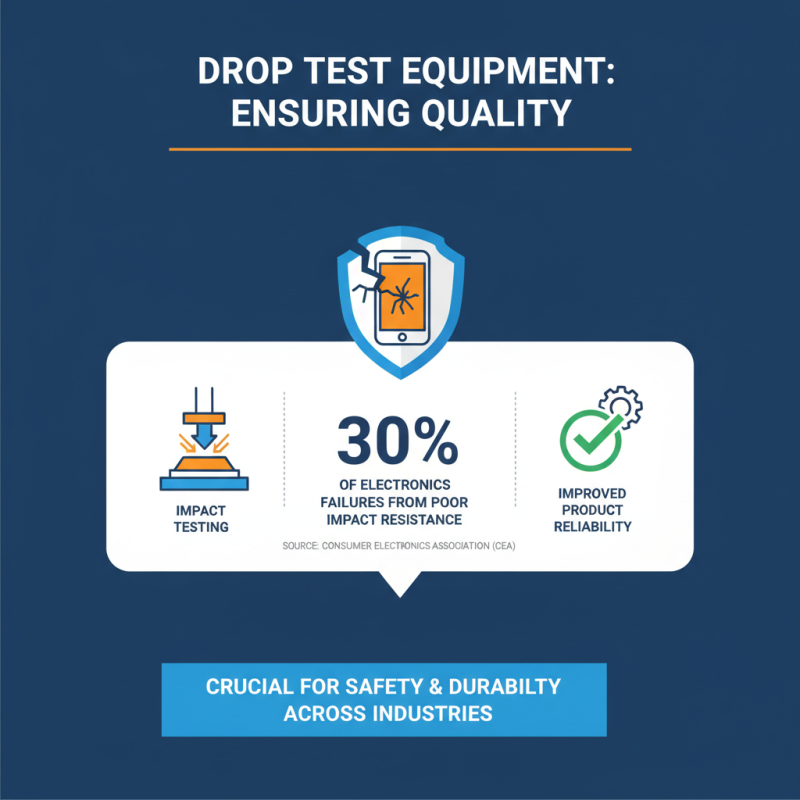
Drop test equipment plays a crucial role in various industries, ensuring product safety and quality assurance. In the electronics sector, for instance, impact testing is pivotal. A report by the Consumer Electronics Association (CEA) indicates that 30% of product failures occur due to inadequate impact resistance. This highlights the importance of effective drop testing.
Different types of drop test equipment exist. Universal drop testers simulate real-world impacts, replicating conditions from different heights and surfaces. A study from the ASTM International shows that drop testing can predict performance discrepancies up to 25% better than other methods. Moreover, specialized testers are common in the packaging industry. They evaluate how well products withstand shipping conditions.
Despite these advancements, many companies sometimes overlook the significance of drop testing. A survey by the International Society of Automation revealed that 40% of manufacturers either skip or inadequately conduct these essential tests. This raises questions about product reliability and customer satisfaction. By addressing these issues, industries can enhance their safety standards.
Impact of Drop Testing on Consumer Safety and Product Reliability
Drop testing is crucial for ensuring product safety. It simulates the impact that products face during everyday use. When an item falls, the force generated can cause damage. This is especially true for electronic devices. Without proper testing, hidden flaws may go unnoticed. These flaws can lead to serious safety risks.
Consumers rely on products to function as expected. A failed drop test may result in shattered screens or internal malfunctions. This kind of failure can harm a brand's reputation. Distressed customers may share their experiences widely online. Trust is hard to regain once lost.
Effective drop testing helps manufacturers identify vulnerabilities. By analyzing the results, improvements can be made. It fosters a culture of quality assurance. Continual refinement is essential; however, some companies overlook it. They may cut corners to save costs. This is a mistake. In the end, investing in drop tests could prevent injuries and foster customer loyalty.
Cost-Benefit Analysis of Implementing Drop Test Equipment in Manufacturing
Investing in drop test equipment can seem daunting. However, the benefits often outweigh the costs. This equipment helps ensure that products endure the rigors of real-world use. Broken items lead to customer dissatisfaction. This can harm a company's reputation and bottom line.
When doing a cost-benefit analysis, consider potential losses from product failures. Each returned item costs money. Moreover, damaged products can lead to lost sales. Companies might also face legal issues if injuries occur due to faulty items. Drop tests help avoid such situations.
**Tips**: Regularly test products during development. Early detection of issues saves money in the long run. Focus on the most vulnerable areas of your products. A small crack can lead to serious failures. Be mindful of different environments. Products might perform differently based on where they are used.
By seeing the tangible impacts of drops, manufacturers gain insight. Here lies the opportunity to improve designs. Incorporating feedback and data elevates quality. The goal is to produce safer, more reliable products. This benefits everyone involved.
Cost-Benefit Analysis of Implementing Drop Test Equipment in Manufacturing
| Dimension |
Before Implementation |
After Implementation |
Percentage Change (%) |
| Product Return Rate |
5% |
2% |
-60% |
| Quality Control Cost |
$50,000 |
$30,000 |
-40% |
| Time to Market |
12 weeks |
10 weeks |
-16.67% |
| Customer Satisfaction Score |
75% |
90% |
20% |
| Equipment Downtime |
15 hours/month |
6 hours/month |
-60% |