Why is a Drop Testing Machine Essential for Product Quality Assurance?
In today's competitive market, maintaining product quality is critical. The Drop Testing Machine plays a vital role in ensuring that products withstand the rigors of everyday use. By simulating real-world drops, this machine uncovers potential weaknesses that could lead to failure. Manufacturers often overlook the importance of drop testing, which can result in costly recalls.
Understanding how products respond to impact is essential. A Drop Testing Machine assesses durability by replicating various drop scenarios. This allows engineers to identify design flaws early in the development process. Many companies invest in advanced testing equipment to elevate their quality assurance standards. Yet, some still neglect the significance of comprehensive drop tests.
The use of a Drop Testing Machine fosters confidence among consumers. It conveys a message that quality matters. Companies that prioritize such testing often gain a reputation for reliability. However, there is room for improvement. Some testing procedures may not fully replicate real-life conditions. Therefore, continuous evaluation of testing methods is necessary for optimal product assurance.
Importance of Drop Testing in Product Development
Drop testing plays a critical role in product development across various industries. It assesses how products withstand impacts from accidental drops. This ensures that items remain functional and safe for consumers.
During the design phase, engineers should conduct multiple drop tests. These tests reveal weak points in the product’s design, such as when a smartphone may crack upon falling from a height of just three feet. This insight allows designers to make necessary adjustments before mass production.
The need for reliable results cannot be overstated. Even minor flaws can lead to significant issues. A small defect might result in product failure under real-world conditions. Understanding these vulnerabilities early on is vital for maintaining high product quality. Inadequate testing could lead to costly recalls or damaged reputations.
Each drop test offers a learning opportunity, informing better design decisions and enhancing overall product durability.
Understanding the Mechanism of Drop Testing Machines
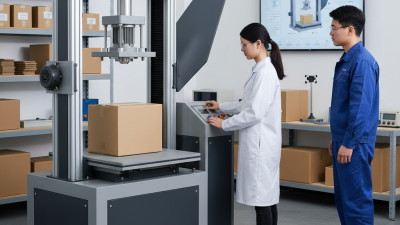
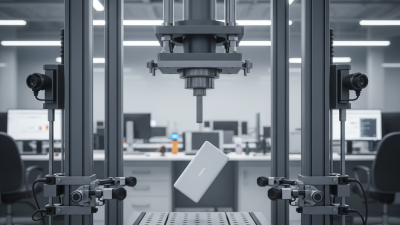
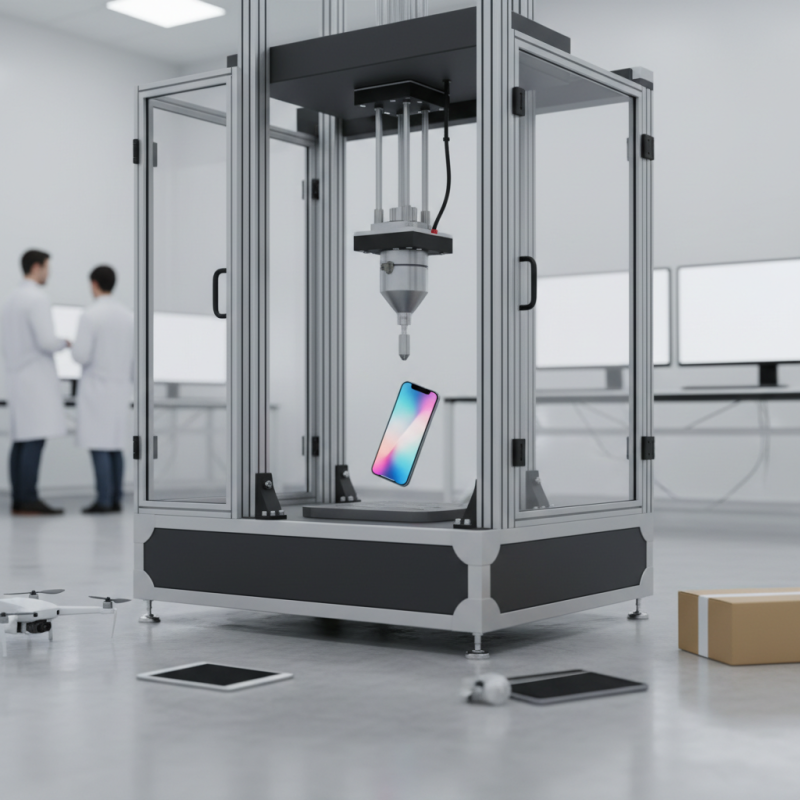
Drop testing machines play a crucial role in product quality assurance. They simulate real-world conditions by dropping products from specified heights. This tests the durability and resilience of various materials. The mechanism typically consists of a vertical drop shaft and a holding fixture. When activated, the machine releases the product, allowing it to fall freely. The impact can reveal potential weaknesses in design and materials.
Understanding the operation of drop testing machines highlights their importance. These machines measure the shock and vibration levels during a drop. This data helps engineers to identify failures before the product reaches consumers. Sometimes, products pass these tests but still fail in the field. This reflection shows the need for continuous improvement in testing methods.
Moreover, the criteria set for testing can influence outcomes. Companies often select heights and weights based on expectations rather than worst-case scenarios. If a product only meets baseline standards, it can lead to issues down the line. The goal should be to push limits to ensure true durability. Balancing efficiency with thorough testing remains complex but essential for product quality.
Applications of Drop Testing Machines Across Industries
Drop testing machines play a crucial role in various industries. They ensure products withstand impacts during handling and shipping. In the electronics sector, these machines simulate drops to assess damage. A device that fails a drop test may lead to significant repair costs. Customers expect their gadgets to be durable. Regular use of drop testing can prevent unexpected product failures.
In the packaging industry, drop testing helps evaluate how products survive falls. Companies design packaging to absorb shock and protect contents. However, some packages still fail under stress. Testing reveals weaknesses in design or materials that need improvements. Without this insight, a company could face costly recalls.
Moreover, the automotive industry benefits from drop testing. Components must endure rough handling during assembly and transport. A malfunctioning part could lead to severe safety issues. By identifying vulnerable areas, manufacturers improve their designs. This process shows that even small changes can enhance product reliability. Missteps in initial testing can lead to major setbacks later on.
Key Benefits of Using Drop Testing for Quality Assurance
A Drop Testing Machine plays a crucial role in product quality assurance. This equipment evaluates how products behave under impact. Understanding the consequences of drops helps manufacturers enhance durability and safety. By identifying weak points, companies can make informed design improvements.
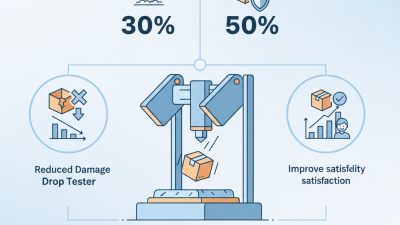
One significant benefit of drop testing is cost reduction. Detecting flaws early saves resources and time. A sturdy product ensures fewer returns and improves customer satisfaction. Investing in a drop testing machine is a proactive measure for many manufacturers. It can prevent costly recalls and preserve brand reputation.
**Tip:** Regular testing should be part of your production process. Create a schedule to ensure every new design undergoes drop testing.
Another advantage is improved compliance with industry standards. Drop testing confirms that products meet safety requirements. This assurance boosts consumer trust. Ultimately, a trusted product leads to higher sales.
**Tip:** Collaborate with engineers during testing sessions. Their insights can refine results and elevate product quality.
Impact of Drop Testing on Product Quality Assurance
The chart above illustrates the impact score of various factors influenced by drop testing in product quality assurance. Each category is rated from 1 to 10, demonstrating how essential drop testing is for ensuring product durability, consumer safety, cost efficiency, and ultimately, brand reputation.
Factors to Consider When Selecting a Drop Testing Machine
When selecting a drop testing machine, several important factors come into play. The machine's capacity should match the weight of your products. This ensures accurate results during tests. Additionally, consider the height ranges the machine can accommodate. Different products require different drop heights to simulate real-world conditions.
Another key factor is the machine's precision in measurement. A reliable drop testing machine should provide consistent and repeatable results. Look for machines with advanced sensors and data logging capabilities. These features help analyze how products respond to impact. Furthermore, think about the ease of use. Complex machines might require extensive training, leading to increased downtime. Simplicity can improve productivity.
It's also important to evaluate the machine's durability. A well-built machine will withstand frequent use and vary testing conditions. Lastly, check the warranty and customer support offered by manufacturers. This can indicate the machine’s reliability and longevity. Ensuring you choose the right drop testing machine plays a critical role in maintaining product quality.