
Leave Your Message

Why Is a Drop Testing Machine Essential for Product Safety and Quality?

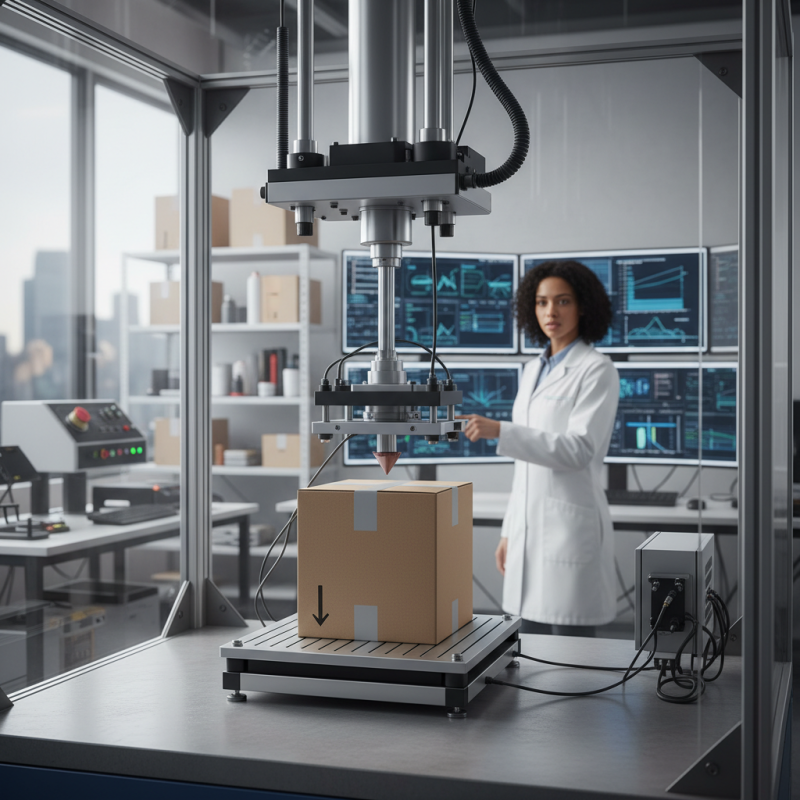
In the world of product safety and quality, a Drop Testing Machine plays a crucial role. Experts stress its importance in evaluating whether products can withstand impacts during handling and transportation. Dr. Emily Carter, a leading authority in product testing, states, "A Drop Testing Machine is indispensable for ensuring product durability and consumer safety."

This technology goes beyond simple testing. It simulates real-world scenarios to predict how products perform under stress. It can save companies from costly recalls and protect brand reputation. However, many businesses still underestimate its significance. Some believe they can skip this crucial step. This oversight can have dire consequences, both financially and for customer trust.

While advancements in Drop Testing Machines have been significant, challenges remain. Not all machines provide the same reliability. Variations in standards can lead to inconsistent results. A rigid approach or reliance on outdated methods may hinder progress. Reflecting on these aspects can help businesses embrace a more thorough testing regimen. Ultimately, investing in a reliable Drop Testing Machine is vital for long-term success and safety.
Why Is a Drop Testing Machine Essential for Product Safety and Quality?

Importance of Product Safety in Manufacturing Processes

Why Is a Drop Testing Machine Essential for Product Safety and Quality?

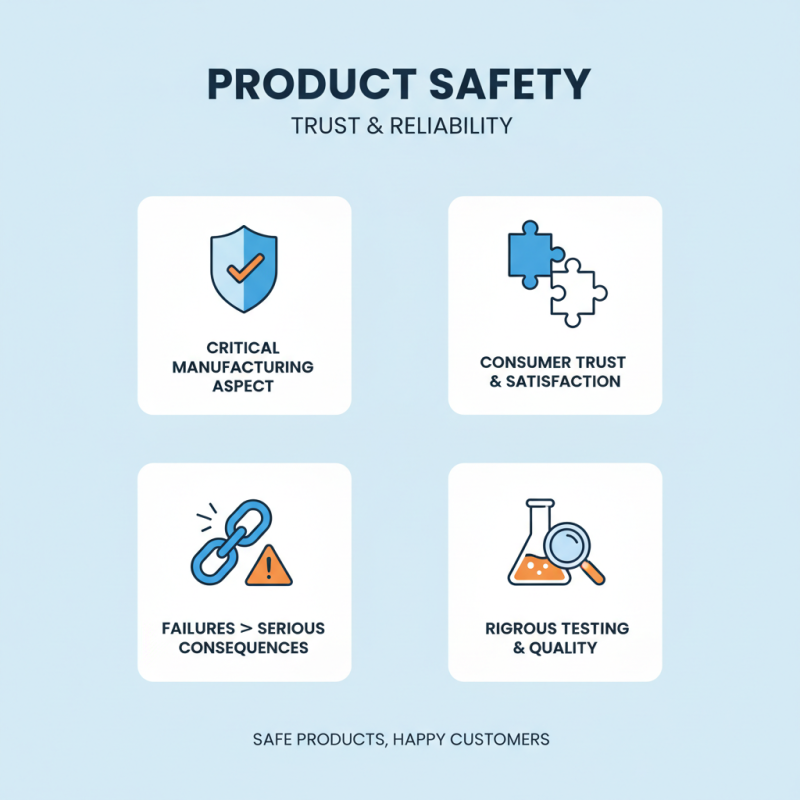
Product safety is a critical aspect of manufacturing processes. It directly impacts consumer trust and satisfaction. When products fail to meet safety standards, it can lead to serious consequences. Companies must prioritize rigorous testing to ensure their products are reliable and safe for use.

Drop testing machines play a significant role in this process. They simulate real-world impacts to evaluate product durability. Observing how a product reacts to drops can reveal design flaws. These insights help manufacturers make necessary adjustments before products reach consumers. A faulty product can tarnish a brand's reputation.

Manufacturers often overlook the importance of comprehensive testing. Rushing to market can lead to dangerous oversights. Even minor defects can cause accidents. Investing time in thorough testing can prevent future issues. This approach ultimately enhances product quality and boosts consumer confidence in the brand. Finding the right balance between speed and safety remains a continual challenge.
Overview of Drop Testing Machines and Their Functionality

Drop testing machines play a crucial role in evaluating product durability. These machines simulate real-world drop scenarios. They help manufacturers assess how products perform under stress. By conducting drop tests, weak points can be identified early in the design process.

These machines typically feature adjustable heights and weights. This flexibility allows for tailored testing on various products. When a product is dropped, the impact is measured. Data collected can highlight areas needing improvement. However, many overlook the importance of regular testing cycles. Consistent evaluations ensure ongoing product reliability.

The results from drop tests should not be taken lightly. They often reveal surprising failures. Some items may look sturdy but falter under pressure. Ignoring these insights can lead to significant quality issues. Refining products based on drop test results strengthens overall safety and consumer trust.

Why Is a Drop Testing Machine Essential for Product Safety and Quality?

Test Type Description Key Features Industry Applications
Standard Drop Test Evaluates how products withstand impacts from dropping from specific heights. Adjustable drop height, cushioning options, data logging. Electronics, packaging, furniture.
Free Fall Drop Test Tests product durability under uncontrolled drop scenarios. Multiple test modes, impact analysis, high-speed camera support. Consumer electronics, tools, automotive components.
Impact Test Simulates various impact forces on the product. Variable impact angles, real-time monitoring, customizable force settings. Aerospace, defense, industrial equipment.
Parcel Drop Test Assesses packaging performance during shipping and handling. Integrated weight sensors, drop control software, comprehensive reporting. Logistics, e-commerce, packaging design.

Key Benefits of Utilizing Drop Testing for Quality Assurance

When developing products, ensuring safety and quality is crucial. Drop testing machines play a key role in this process. These machines simulate real-world conditions that products may encounter during shipping or use. By dropping an item from various heights, manufacturers can observe how it withstands impact. This helps identify weaknesses or design flaws that could lead to failure.

Investing in drop testing provides multiple benefits. It helps in verifying material durability and structural integrity. Each test can reveal potential problems, allowing for the improvement of designs before mass production. This proactive approach can save companies significant costs related to product recalls and customer complaints. However, some might overlook the importance of this testing, thinking it adds to production time.

Moreover, drop testing enhances consumer confidence. When customers know that products are rigorously tested, they feel safer and more satisfied. The visual evidence from testing reports can be compelling. Yet, teams sometimes rush through testing, missing important insights. Rethinking this process is vital for both safety and brand reputation.

Drop Testing Impact on Product Safety and Quality

Industry Standards and Regulations Related to Drop Testing

Why Is a Drop Testing Machine Essential for Product Safety and Quality?

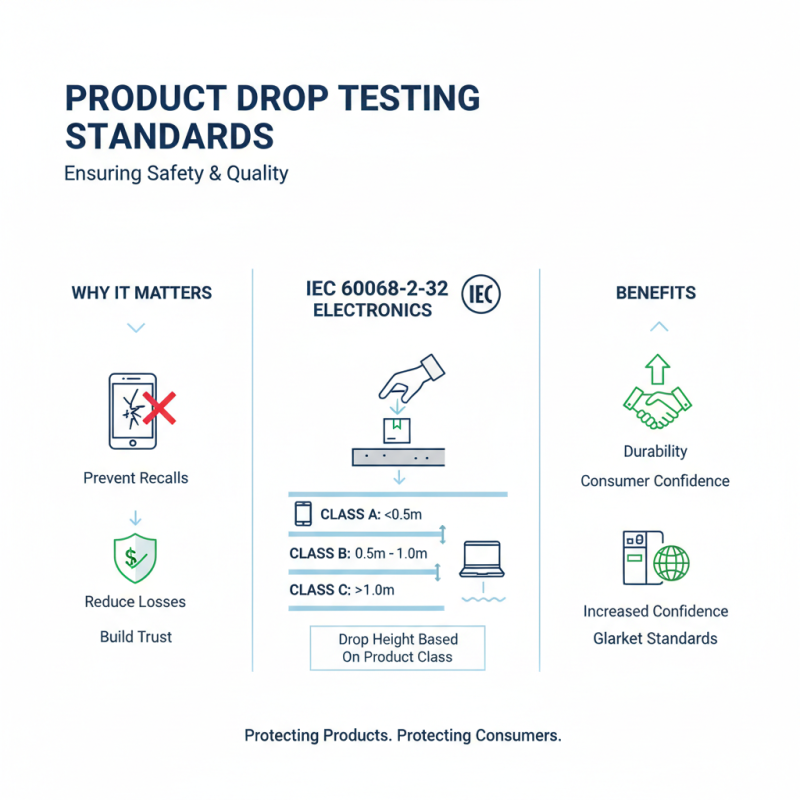
Drop testing is crucial for ensuring product safety and quality. Adhering to industry standards can prevent costly recalls and enhance consumer trust. The International Electrotechnical Commission (IEC) outlines rigorous drop test requirements for electronics. According to IEC 60068-2-32, products must endure specific drop heights based on their class. These standards are vital in a market where damage during shipping can lead to significant losses.

Annual reports reveal that about 30% of products suffer damage due to inadequate testing. This statistic emphasizes the need for companies to proactively engage in drop testing. Furthermore, the American Society for Testing and Materials (ASTM) also sets a benchmark. The ASTM D5276 dictates that packages must be tested under various conditions before reaching consumers. Despite existing standards, many products still fail their drop tests. This indicates a gap between regulation and execution.

Proper drop testing can provide insights into materials and design weaknesses. It sheds light on how different packaging methods affect product integrity. Yet, many manufacturers overlook these essential assessments. Regular audits and reevaluations of testing procedures are necessary. Only then can industries achieve true compliance and reliability in product safety.

Real-World Examples of Product Failures Due to Lack of Testing

Many products have failed in the market due to poor drop testing. For instance, consider electronic devices. They often experience drops from tables and bags. A recent study showed that untested devices had a higher failure rate. Some broke upon impact, leading to frustrated users. This reflects a lack of commitment to quality.

Toys also face similar challenges. A child drops a toy, and it shatters. Parents quickly discard it, questioning the brand’s safety promise. These incidents should motivate manufacturers to invest in drop testing machines. They help simulate real-life scenarios, ensuring products can withstand everyday use.

Neglecting drop tests can lead to recalls and loss of trust. Companies risk their reputation when they overlook such essential testing methods. Real-world failures spotlight the need for rigorous quality checks. Investing in proper testing equipment can prevent costly mistakes and safeguard consumer confidence.