How to Use a Double-Wing Drop Tester Effectively?
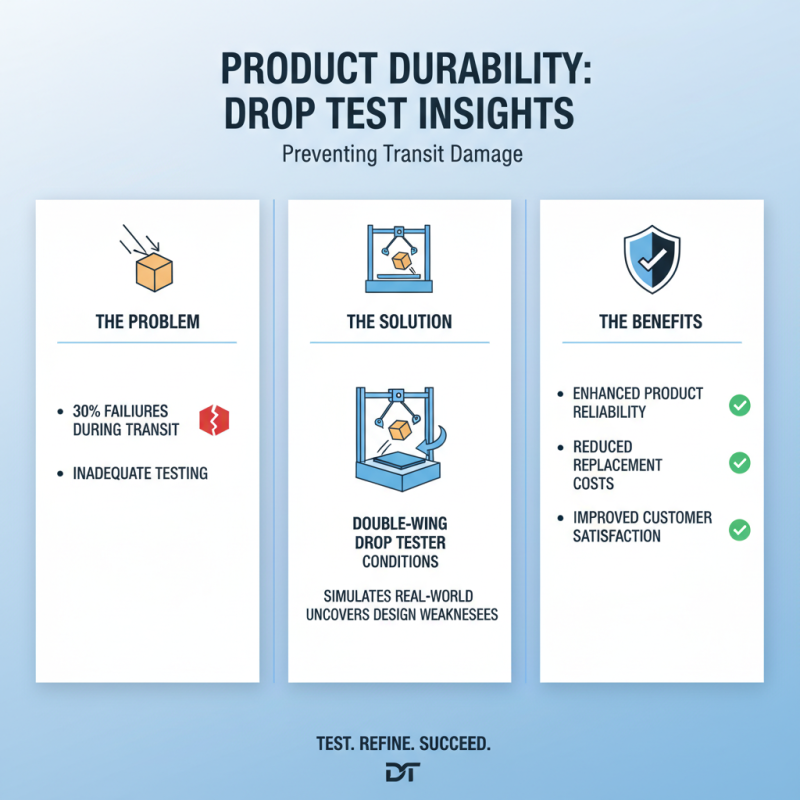
The importance of proper testing equipment in packaging cannot be overstated. The "Double-Wing Drop Tester" is crucial for evaluating product durability. According to the Packaging Industry Association, nearly 30% of products fail during transit due to inadequate testing. This reflects the need for reliable testing methods.
Renowned packaging expert Dr. Emily Harris emphasizes, "A well-executed drop test can mitigate risks significantly." The Double-Wing Drop Tester simulates real-world drop conditions, helping businesses assess their packaging systems’ effectiveness. Despite its benefits, many still overlook its proper usage.
Inadequate testing can lead to financial losses and customer dissatisfaction. It's essential to familiarize with the Double-Wing Drop Tester, understanding both its capabilities and limitations. Some may neglect its importance, resulting in costly damages. Each test should be approached with diligence and precision, ensuring products reach consumers safely.
Understanding the Principles of Double-Wing Drop Testing
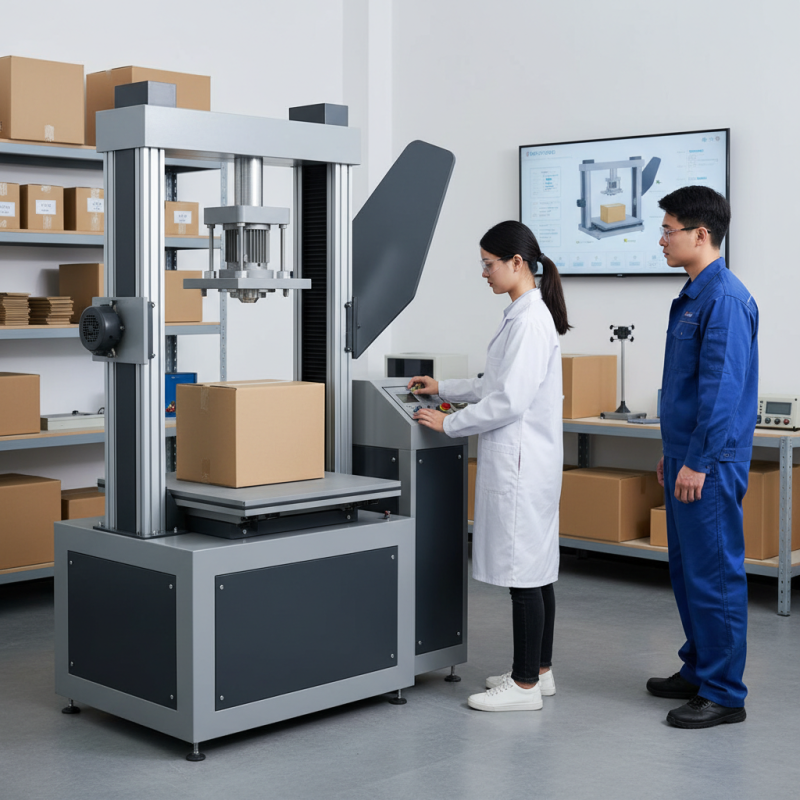
Double-wing drop testing assesses package durability. This method simulates real-world dropping scenarios. It helps companies ensure that products can endure the rigors of transport. Reports indicate that nearly 25% of products are damaged during shipping. Effective testing can significantly reduce this percentage.
Understanding the principles behind double-wing drop testing is crucial. The design mimics two wings that release the test item from a specific height. This creates a realistic impact scenario. The materials and weights used can vary, depending on the product being tested. Test results provide insights into how well a product can withstand drops.
Tips: Ensure items are secured properly before testing. Check the calibration of your testing equipment regularly. Try different heights and angles to see how variations affect outcomes.
Remember, not every test will yield perfect results. Reflect on unexpected damages to improve packaging designs. This iterative process leads to smarter packaging solutions. Always be prepared to adapt based on test insights.
Preparing Your Product for Double-Wing Drop Testing
Preparing your product for double-wing drop testing is crucial for reliable results. Start by selecting the right specimen. Ensure that it represents the typical packaging used during shipping. Measure the weight and dimensions precisely. This will help in setting the appropriate drop height on the tester.
Next, inspect the product for any pre-existing damage. Minor flaws can lead to misleading results. Make a checklist to ensure all aspects are considered. Place protective materials around the product if necessary. This will help to simulate real-world conditions effectively. Ensure the testing environment mimics the actual transport situation.
Don’t forget to document everything. Take photos and notes on the product's condition before testing. This information may be valuable for analyzing results later. After testing, evaluate the data meticulously. Consider any unexpected outcomes. Reflect on what could be improved for future tests.
Impact Resistance of Products in Double-Wing Drop Testing
Setting Up the Double-Wing Drop Tester Correctly
Setting up a Double-Wing Drop Tester correctly is crucial for reliable testing. Begin by ensuring that the device is placed on a stable surface. An unstable surface can lead to inaccurate results. The height of the drop should match industry standards, typically set at 1 meter for basic packaging tests. According to a study by the International Safe Transit Association, dropping packages from varying heights can reveal weaknesses at different points.
Once the tester is positioned, inspect the wings. They should move smoothly and be free of obstructions. Any snag can lead to inconsistent drop angles, affecting data validity. The test should include various package types, as vulnerabilities differ. Data from the Packaging Institute shows that 35% of products suffer damage during transit. Therefore, understanding specific package resiliency is essential.
Don't overlook the importance of calibrating the tester regularly. Even small adjustments in the setup can yield significant differences in test outcomes. Reports indicate that 15% of drop tests fail due to improper setup. Keeping a log of results for each test helps identify patterns and areas needing improvement. It’s vital to analyze failures critically, reflecting on setup choices and their impact on results.
Conducting the Double-Wing Drop Test: Step-by-Step Procedure
The Double-Wing Drop Test is a crucial method for evaluating the durability of packages. To conduct this test, ensure you have a stable and flat surface for dropping. Prepare your package according to the specifications, and note its weight and dimensions. It's essential to select the right height for the drop. Typically, heights between 30 to 48 inches are recommended, depending on your needs.
Start by positioning the package directly above the drop zone. Hold it securely with both hands. Then, release it without applying any added force. It’s vital to observe how the package reacts upon impact. Does it sustain damages? Are there any visible tears or breaks? Document any failures meticulously. This feedback is invaluable for improving packaging designs.
Remember, repeat the test multiple times for consistency. Each drop may yield different results. Take notes on each trial, as variability is common. Look for patterns in the damage. Reflect on common failure points. It can be enlightening to discover which areas of your packaging are weak. This iterative process is essential in refining your packaging for better performance.
How to Use a Double-Wing Drop Tester Effectively? - Conducting the Double-Wing Drop Test: Step-by-Step Procedure
| Test Item |
Parameter |
Value |
Notes |
| Drop Height |
Standard |
1.2 meters |
Recommended for most packages |
| Impact Surface |
Material |
Plywood |
Use a flat, stable surface |
| Number of Drops |
Test Repetitions |
5 |
Perform multiple tests for consistency |
| Test Orientation |
Position |
Flat and Edge |
Test both orientations for thorough evaluation |
| Data Recording |
Method |
Digital Logger |
Ensure accurate logging of results |
Analyzing and Interpreting Drop Test Results Effectively
Analyzing and interpreting drop test results is crucial for product durability assessments. Data indicates that nearly 30% of products fail during transit due to inadequate testing. A double-wing drop tester simulates real-world conditions effectively, providing actionable insights. Each drop can uncover potential weaknesses in design and structure.
Understanding the results requires a systematic approach. Look for patterns in the data. For example, if more than 40% of items show cracks at a specific height, reevaluating materials or engineering might be necessary. Visual inspection of damaged samples, combined with test metrics, aids in forming a clearer picture. Sometimes the findings can be surprising, revealing issues even in seemingly robust products.
Recognizing the limitations of your tests is just as important. Not every damage scenario may be covered. Environmental factors, such as temperature or humidity variations, can affect results. Inadequate interpretation of these factors can lead to critical oversights. Regularly revisiting test parameters ensures comprehensive analysis. A more nuanced understanding of test failures can drive better design decisions moving forward.