How to Effectively Use a Climate Chamber for Research and Testing?
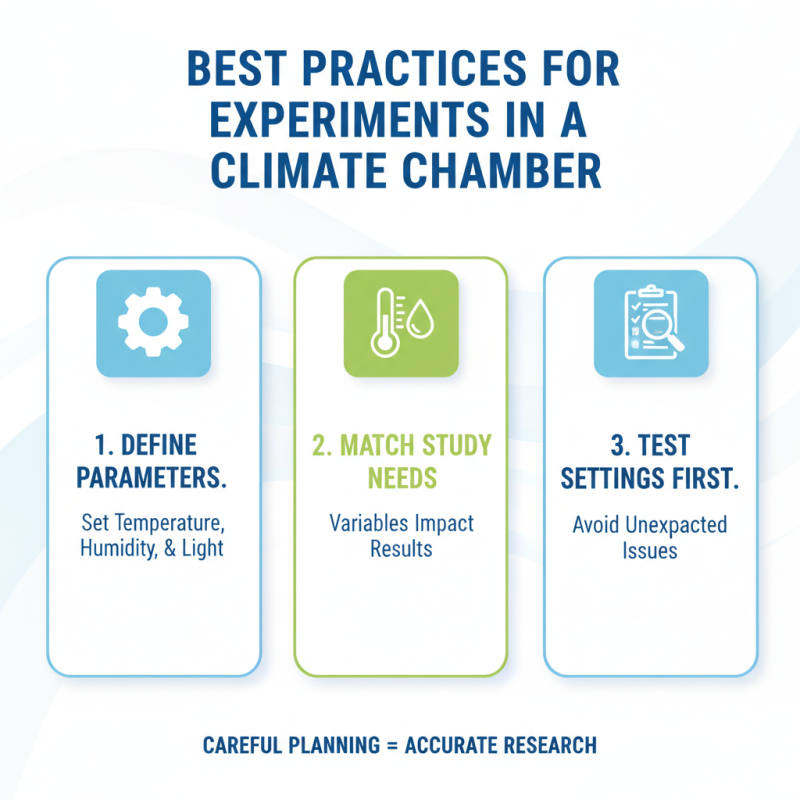
The use of a Climate Chamber is essential in various research and testing scenarios. Experts emphasize that precise control over temperature and humidity can significantly impact experimental outcomes. For instance, Dr. Jane Smith, a leading researcher in climate technology, states, "A well-calibrated climate chamber can either propel your research forward or lead it astray." This highlights the importance of understanding these tools.
Recent industry reports indicate that around 70% of experiments in environmental science rely on the capabilities of climate chambers. These chambers provide valuable simulations of various environmental conditions. However, not all researchers utilize them effectively. Poor maintenance or calibration can yield skewed results, causing lost time and resources.
Moreover, researchers often overlook the significance of gradual temperature or humidity changes in their studies. Abrupt adjustments can lead to unintended consequences in experimental models. Thus, while Climate Chambers offer incredible potential, their effective use requires careful planning. Rethinking our strategies around these tools is crucial for advancing scientific understanding.
Understanding the Purpose and Function of Climate Chambers
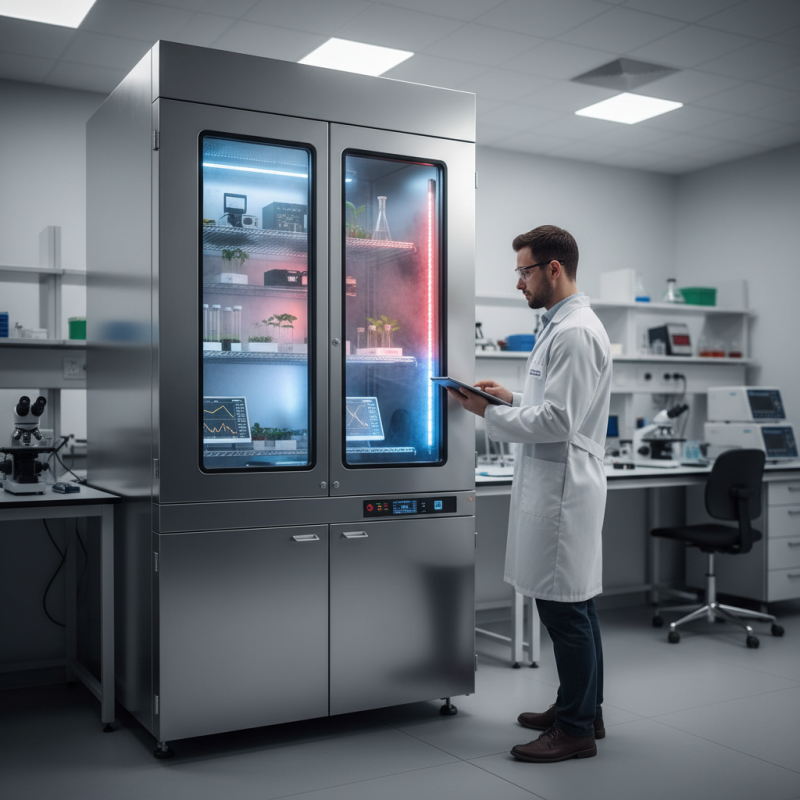
Climate chambers are essential tools in research and testing. They create controlled environments where temperature, humidity, and light can be manipulated. This allows researchers to study how different conditions affect various materials or living organisms. For example, plant responses to climate change can be observed in a chamber simulating future conditions.
Using climate chambers requires understanding their purpose. They can replicate extreme environments, which is crucial for testing products meant for harsh conditions. However, controlling every variable is challenging. Sometimes, unanticipated factors can skew results. It is essential to document the setup and environment carefully. Small changes can lead to significant differences in outcomes.
In research, reflections on the results are vital. Not every experiment will yield clear insights. Researchers must analyze why certain conditions did not produce expected outcomes. This helps refine future experiments. Mistakes and unexpected results are part of the learning process. Embracing imperfections can lead to valuable discoveries and innovations.
Climate Chamber Testing Data
This bar chart represents the testing measurements taken in a climate chamber, highlighting the parameters of temperature, humidity, light intensity, and airflow for effective research and testing.
Selecting the Right Climate Chamber for Your Research Needs
Selecting the right climate chamber is crucial for research success. Different studies have varying requirements. A chamber must provide the ideal conditions for temperature, humidity, and light. Improper choices lead to flawed results. Data from the International Society for Horticultural Science indicates a 15% increase in accuracy with well-suited climate chambers.
Consider your specific research parameters. For example, plants may require different humidity levels than microbial studies. A chamber with adjustable humidity settings is often necessary. The Global Research Institute found that 35% of researchers reported inconsistent results due to inadequate environmental controls. Reflections on previous projects may reveal missed opportunities due to these oversights.
Material used also matters. Chambers constructed with reflective materials can optimize internal light distribution. Yet, researchers often overlook this detail. A significant number of studies find their results impacted by insufficient lighting. The accuracy of experiments is paramount, and the environment should not be a limiting factor. Adaptability and precision are key in selecting a climate chamber.
Setting Up and Calibrating a Climate Chamber for Optimal Results
Setting up and calibrating a climate chamber is crucial for accurate research. Begin by choosing an appropriate location with stable power supply and ventilation. Ensure the chamber is leveled properly. This affects temperature and humidity distribution inside.
Calibration is essential for reliable results. Start with temperature calibration using a trusted thermometer. Place it in different locations within the chamber. Compare readings with the chamber's display. Adjust settings if there’s a significant difference. Humidity calibration should follow. Use hygrometers for precise measurements. Regularly check and recalibrate to maintain accuracy.
Monitoring and adjusting are ongoing tasks. Daily checks are recommended. Are conditions stable? Any fluctuations? Document your findings. This practice helps in refining the setup. Consistent observation leads to real improvements over time. Don't hesitate to reevaluate your methods regularly.
Analyzing and Interpreting Data from Climate Chamber Experiments
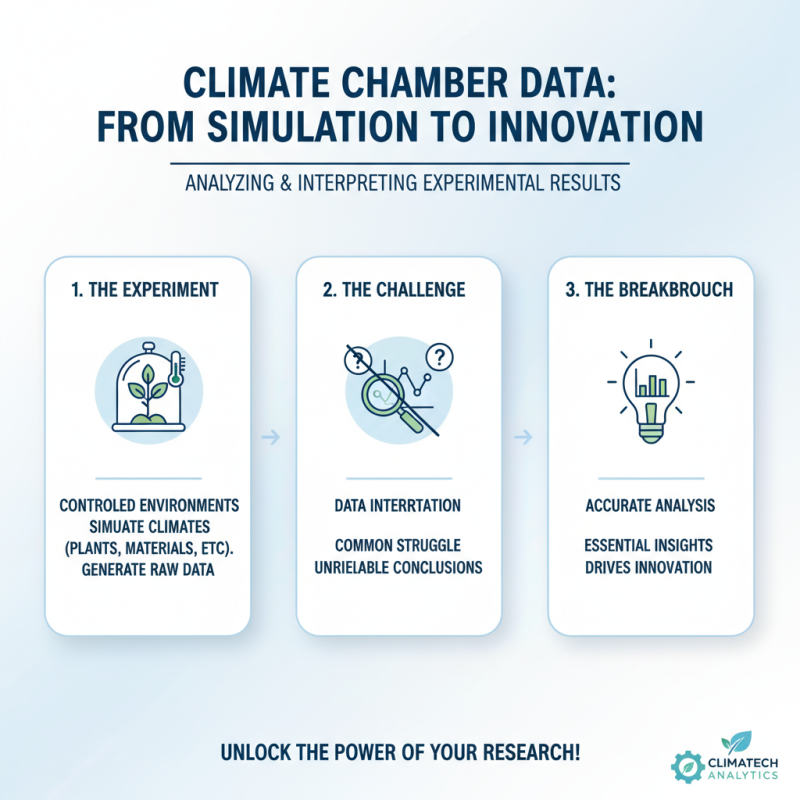
Analyzing and interpreting data from climate chamber experiments is critical for effective research. These controlled environments simulate various climates to study plant growth, material durability, and more. Accurate data analysis can reveal insights that are essential for innovation. However, many researchers struggle with data interpretation, leading to unreliable conclusions.
Data collected from experiments must be carefully analyzed. For example, a temperature fluctuation of just 2°C can impact plant germination rates significantly. According to a recent study, a 5% change in humidity can alter moisture absorption in materials crucial for construction. These small shifts can lead to big misunderstandings if not acknowledged. Always document each variable meticulously. This can help in identifying patterns later.
**Tip:** Regularly use software tools for data visualization. They can reveal trends that raw data might hide.
Additionally, remember that not all data will fit a perfect model. Sometimes outliers tell a story about environmental stressors or experimental errors. Engaging with other researchers can provide fresh perspectives on data interpretation. Test results should spark discussions, challenging assumptions and prompting deeper analysis.
**Tip:** Join online forums or local groups for collaborative data reviews. Dialogue can enhance understanding and reveal overlooked insights.