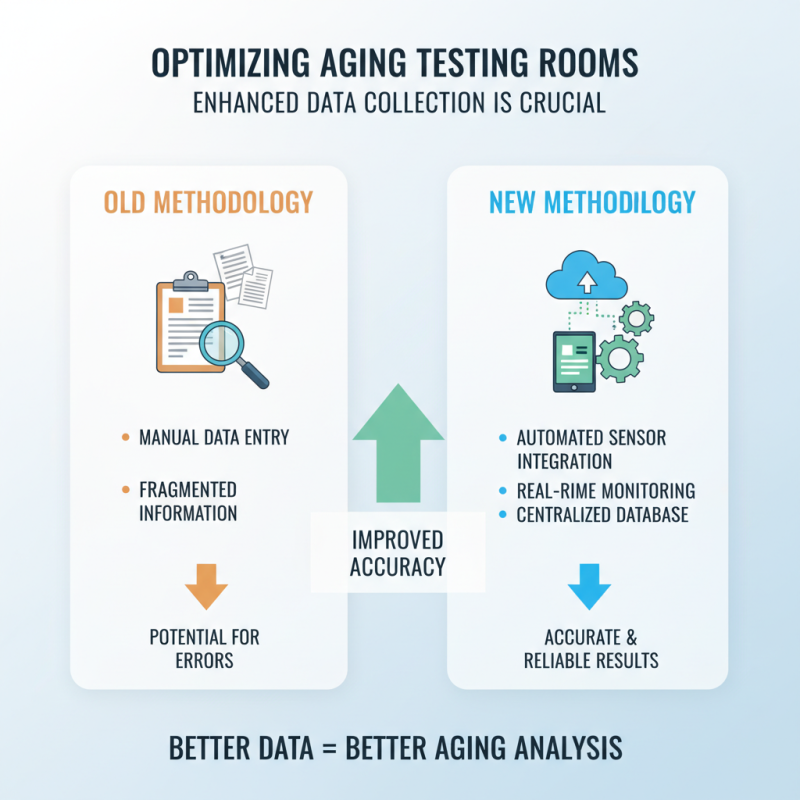
10 Essential Tips for Optimizing Your Aging Testing Room
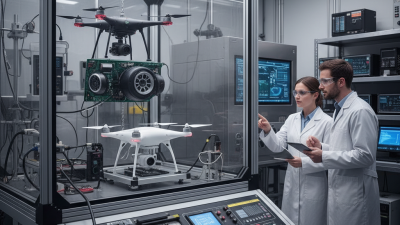
An Aging Testing Room is crucial in product development across various industries. Optimizing this space can significantly enhance the reliability of results. According to a 2022 report by the International Society for Aging Science, over 75% of professionals stress the importance of controlled environments for aging studies.
Dr. Emily Cartwright, a leading expert in materials testing, once stated, "The integrity of results hinges on how we manage our testing environments." To achieve optimal results in an Aging Testing Room, maintaining precise temperature and humidity levels is vital. Small fluctuations can lead to significant discrepancies in test outcomes.
Additionally, lighting plays an understated role. Proper illumination can influence the visual assessment of aging in materials. Many facilities overlook this, which compromises the quality of data obtained. As the industry evolves, regular reflections on the effectiveness of current practices in Aging Testing Rooms are essential for continuous improvement.
Understanding the Importance of an Aging Testing Room
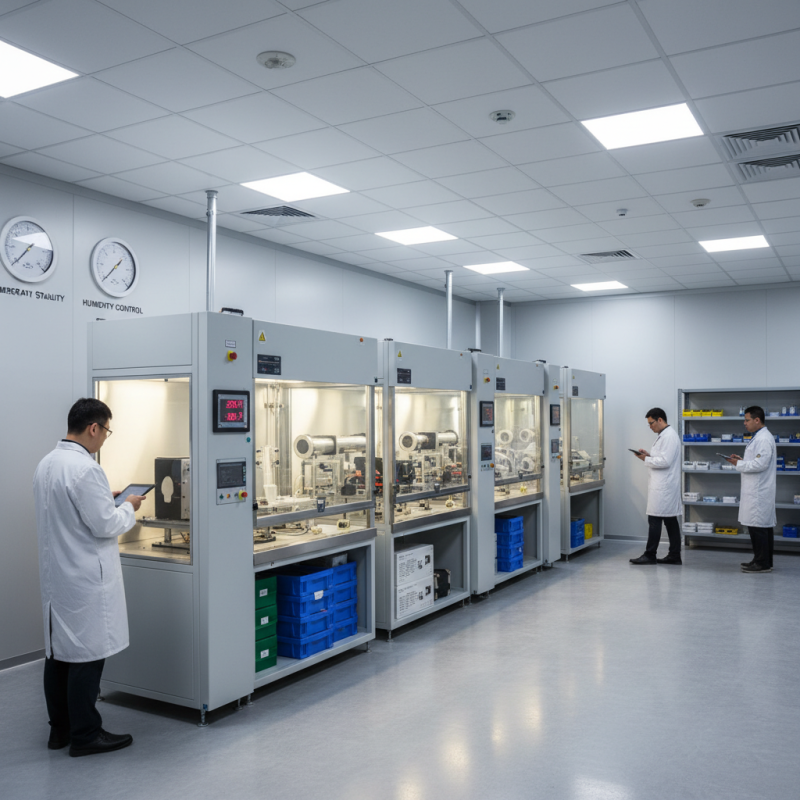
An aging testing room plays a crucial role in product development across various industries. It simulates long-term use conditions to predict how products will perform over time. Research indicates that nearly 70% of product failures are linked to inadequate aging tests. This emphasizes the need for an efficient testing environment.
Creating an optimal aging testing room requires careful consideration. Temperature and humidity must be controlled to simulate real-world aging. A USA study highlighted that 85% of tested products failed when conditions were unregulated. Proper lighting and air circulation also matter. Insufficient light can lead to uneven aging results. Additionally, outdated equipment poses risks. Regularly calibrating instruments ensures accurate readings, preventing costly mistakes.
Moreover, the design of the aging testing room should encourage reflection. While a clean, organized space is vital, clutter can lead to errors. A survey noted that 60% of technicians reported distractions due to disorganization. Improving workflow can enhance results. Emphasizing these details can elevate the quality of aging tests, ultimately benefiting product reliability.
10 Essential Tips for Optimizing Your Aging Testing Room
| Tip No. |
Tip Description |
Importance |
Implementation Difficulty |
| 1 |
Maintain Controlled Environment |
Critical for accurate results |
Medium |
| 2 |
Regular Equipment Calibration |
Ensures measurement accuracy |
Medium |
| 3 |
Implement Safety Protocols |
Protects staff and samples |
High |
| 4 |
Optimize Storage Conditions |
Prolongs sample life |
Medium |
| 5 |
Use Quality Materials |
Impacts testing outcomes |
Low |
| 6 |
Train Personnel Regularly |
Enhances operational efficiency |
Medium |
| 7 |
Document All Procedures |
Ensures consistency |
Low |
| 8 |
Regularly Conduct Audits |
Identifies areas for improvement |
High |
| 9 |
Implement Automation where possible |
Reduces human error |
High |
| 10 |
Regularly Review Best Practices |
Stays updated with industry standards |
Low |
Key Factors to Consider in Room Environment Settings
Creating an effective aging testing room involves careful consideration of various environmental factors.
Ambient lighting is crucial. Soft, diffused light can help reduce glare and create a comfortable atmosphere.
Bright or harsh lights may cause discomfort and influence results. Experimenting with different light temperatures can also yield better outcomes.
Temperature regulation plays a significant role in participant comfort. An overly warm or cold room can distract individuals and affect performance.
Keeping the temperature consistent is essential. Participants often prefer a cool, but not cold, environment.
Acoustic factors can also impact the testing experience. Noise from outside or other rooms can disrupt focus.
Soundproofing the room or using soft materials can help. It's essential to regularly evaluate all these elements.
Sometimes, minor adjustments lead to significant improvements. Each testing session may reveal areas needing enhancement.
Selecting Appropriate Equipment for Aging Assessments
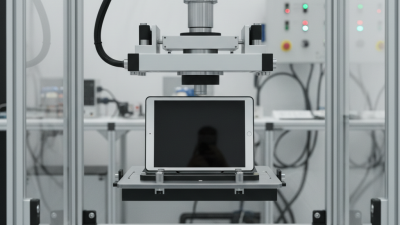
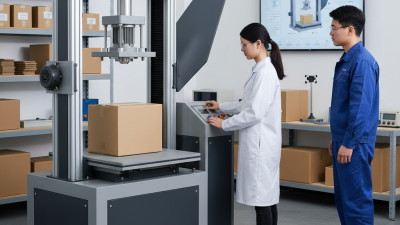
Selecting the right equipment for aging assessments is crucial for accurate results. A variety of tools can help measure physical changes over time. Some common options include environmental chambers, data loggers, and mechanical testing machines. These should cater to specific needs based on the materials you are assessing. The right temperature and humidity controls can influence the aging process significantly, affecting the data collected.
However, ensuring that you have the latest technology isn’t always easy. Sometimes, older machines may still provide reliable data. Calibration is key to maintaining accuracy, yet this can be a frequent oversight. Regular check-ups on equipment condition can prevent unforeseen results from misleading assessments. Budget constraints might lead one to compromise on equipment quality. This can result in faulty data that misrepresents aging properties.
It’s essential to evaluate multiple options before making decisions. Each piece of equipment should be tested under varying conditions to ascertain its reliability. Take time to analyze what has previously worked well. Learning from past mistakes is vital in refining your assessment processes. Always document your findings; this will help guide future equipment selections.
Implementing Effective Maintenance and Calibration Practices
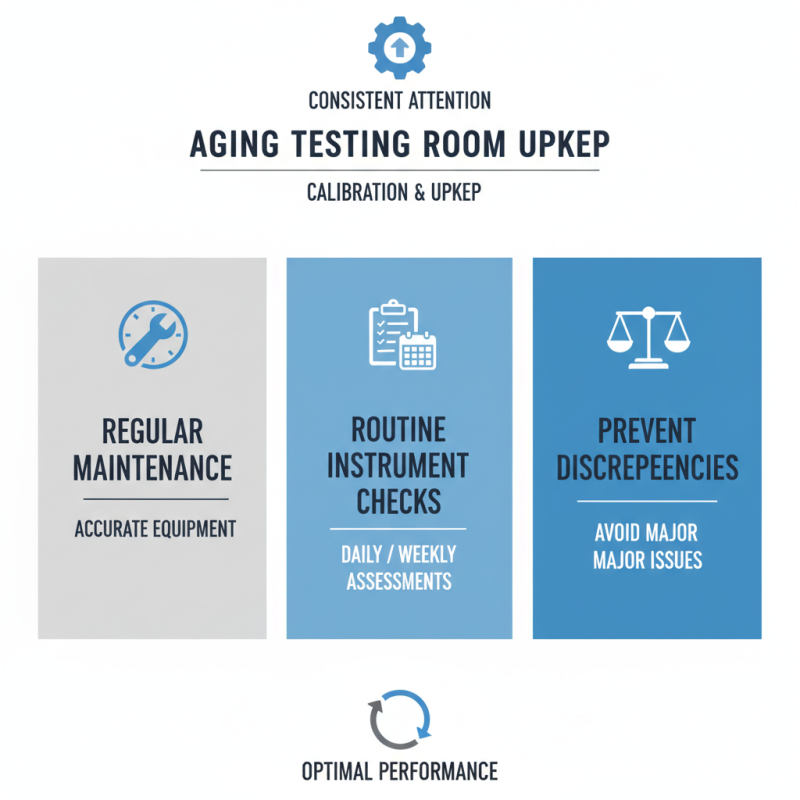
Maintaining an aging testing room requires consistent attention to calibration and upkeep. Regular maintenance ensures that equipment performs accurately. It's essential to establish a routine for checking instruments. Daily checks are ideal, but weekly assessments are also effective. This gives you a sense of any shifts in performance. Small discrepancies can lead to big problems.
Calibration practices are equally important. Keep track of when each device was last calibrated. Instruments that frequently shift out of spec can signal underlying issues. Documenting these calibrations will help in identifying patterns. Don’t overlook outdated procedures. Sometimes, protocols need a refresh to align with current standards. Engage staff in these discussions. They may notice inconsistencies that can be easily overlooked.
Lastly, create a space for reflection on your current practices. Encourage your team to provide feedback. Open dialogues can reveal weaknesses in your routine. It's not just about fixing problems; it's about preventing them. By fostering a culture of continuous improvement, your testing room will thrive. Maintaining an aging facility is challenging, but with effective calibration and maintenance, you can greatly enhance its functionality.