10 Essential Tips for Using an Altitude Simulation Chamber Effectively?
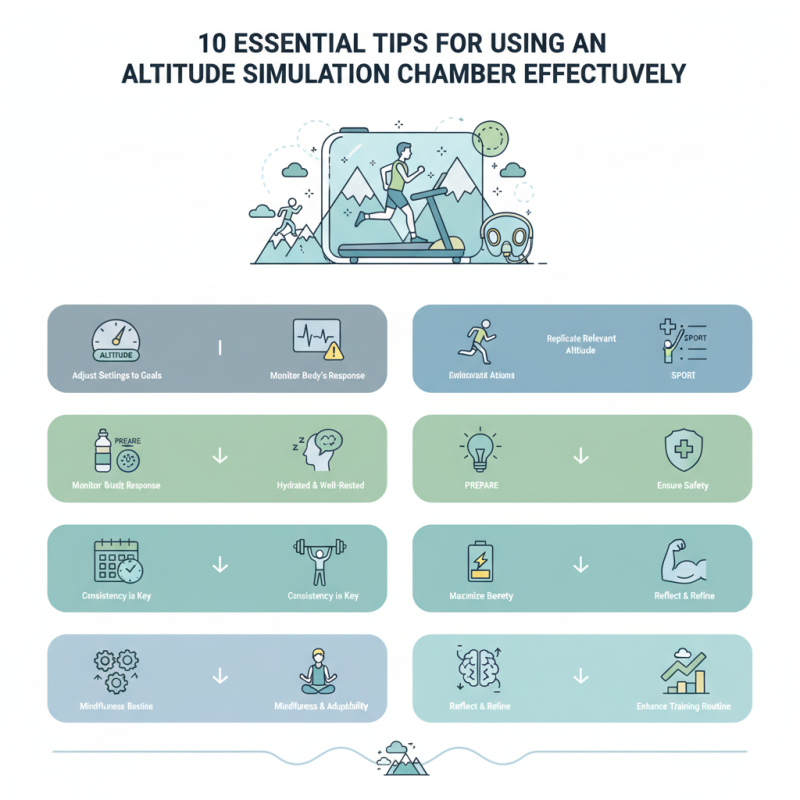
Using an Altitude Simulation Chamber effectively can significantly enhance your training routine. These chambers create high-altitude conditions, allowing athletes to adapt to lower oxygen levels. Proper usage is essential for maximizing the benefits and ensuring safety during your sessions.
Consider how you adjust the settings according to your goals. It’s crucial to replicate altitude levels relevant to your sport. A common mistake is not monitoring your body's response. Pay attention to signs of fatigue or discomfort. These signals are vital for safe adaptation.
Moreover, remember that preparation is key. Ensure you are hydrated and well-rested before entering the chamber. You might not feel immediate effects, but consistency is important. Reflect on your experiences to fine-tune your approach. An effective session in the Altitude Simulation Chamber requires mindfulness and adaptability.
Understanding Altitude Simulation Chambers: Key Functions and Benefits
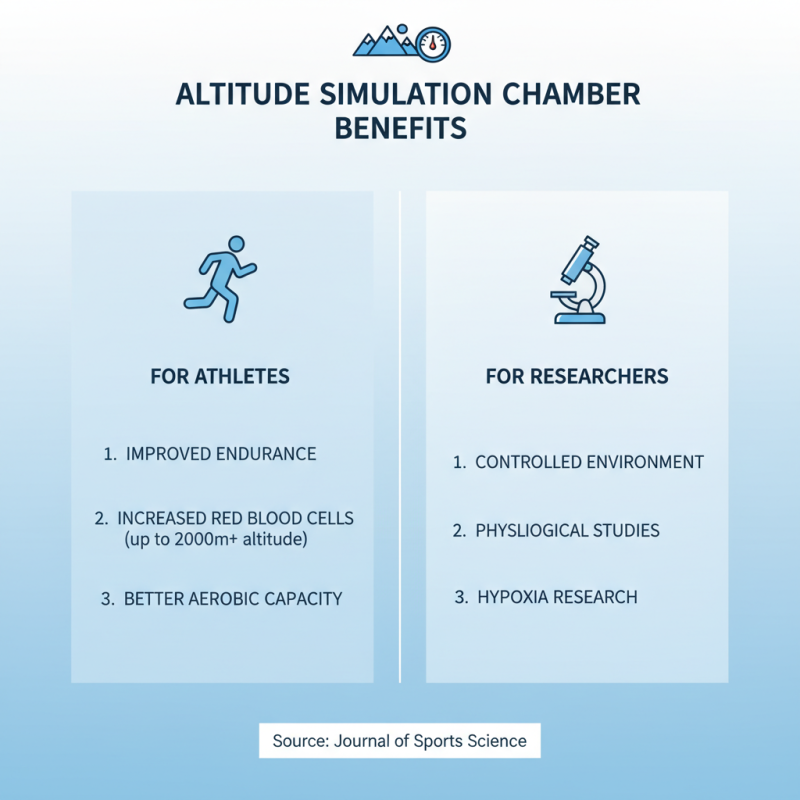
Altitude simulation chambers are sophisticated tools designed to mimic high-altitude environments. They serve essential functions for athletes and researchers. One significant benefit is improving aerobic capacity. A study published in the Journal of Sports Science shows that training at altitudes above 2,000 meters can increase red blood cell count. This can lead to improved endurance performance in athletes.
However, using these chambers requires careful consideration. Not all individuals respond the same way to simulated high altitudes. Some may experience discomfort or adverse reactions. The American College of Sports Medicine suggests that participants should gradually acclimatize to these conditions. An important point to remember is that altitude training doesn't guarantee performance enhancement. It may not work for everyone, and individual responses vary widely based on genetics and training history.
Effective use of altitude simulation chambers should include monitoring health indicators. Regular assessments are crucial. Participants should be aware of their limits and how their bodies react over time. Overexertion can lead to negative outcomes. It’s vital to approach altitude training with caution and openness to reflection.
Best Practices for Preparing Participants for Altitude Training Sessions
Preparing participants for altitude training sessions is critical for achieving maximum benefits. Start with a thorough assessment of each participant's health. Understanding their physical condition helps tailor the sessions. Encouraging participants to hydrate well days in advance is essential. Dehydration can impair performance at high altitudes.
Mental preparation plays a significant role as well. Include techniques to manage discomfort and anxiety. Visualization exercises can help participants mentally acclimatize to the high altitude experience. During training, provide regular feedback. Participants often need reminders about their goals. Setting small milestones can create a sense of achievement.
Lastly, reviewing past sessions can highlight areas for improvement. Discuss what worked and what didn’t. Some participants may struggle with the lack of oxygen. Others may excel. Noticing these differences can guide future training. Adjusting plans based on individual feedback is essential. Understanding these aspects fosters a more effective training environment.
Altitude Simulation Chamber Training Effectiveness
Optimal Settings for Different Altitude Levels: A Data-Driven Approach
Altitude simulation chambers replicate high-altitude conditions. They provide a controlled environment for acclimatization. Different altitude levels demand distinct settings. Understanding these variations is crucial for effective use.
For low altitudes, aim for settings around 2,500 meters. This level helps in basic acclimatization. It's ideal for individuals starting their journey. Gradually increasing the intensity is key. Monitor your body’s response closely. Adjust the duration based on comfort and feedback.
At mid-range levels, like
3,500 meters, standard adjustments apply. Simulate your target altitude for shorter sessions. Use oxygen saturation monitors to track your safety. For high altitudes, over
4,500 meters, caution is vital. Prolonged exposure can lead to discomfort. It’s essential to
prioritize hydration and take regular breaks.
Pay attention to
common mistakes. Many users forget to adjust airflow. Inadequate ventilation can lead to headaches. Listen to your body, and if something feels off, reassess your settings. It’s vital to keep testing different configurations to find what works best for you.
Monitoring Physiological Responses: Essential Metrics to Track
Using an altitude simulation chamber can greatly enhance your training. However, monitoring physiological responses is crucial. Track vital metrics like heart rate, oxygen saturation, and fatigue levels. These indicators help gauge how well your body adapts to altitude changes.
During your sessions, pay attention to how you feel. Your perception of exertion is important. Sometimes, you may push too hard, resulting in excessive fatigue. Adjust your intensity based on both your metrics and your body’s signals. Consistent tracking will help you find that sweet spot.
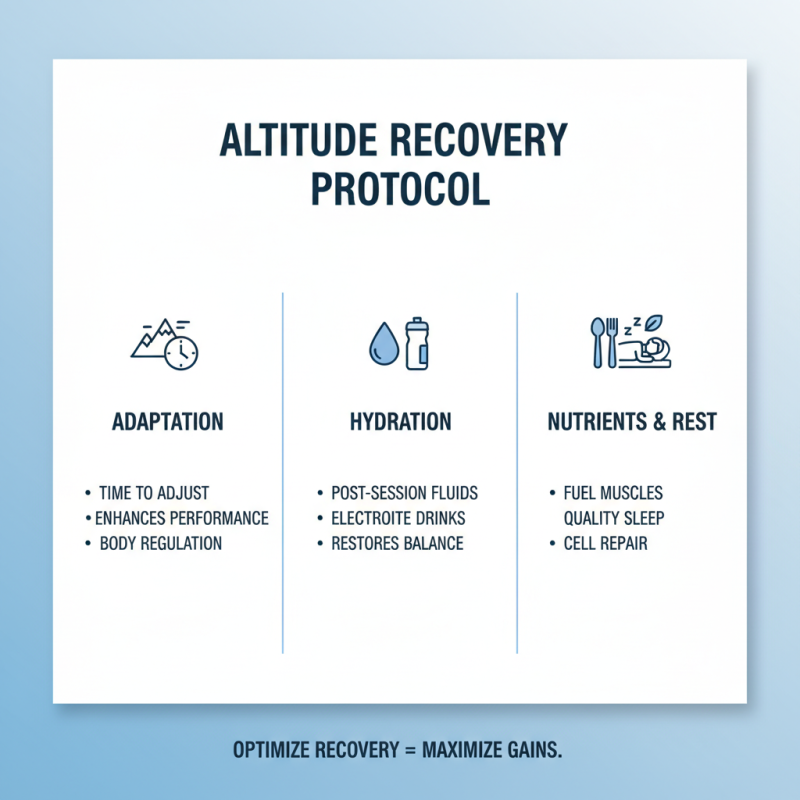
Another useful tip is to document your recovery. Assess how quickly you bounce back after each session. This can reveal underlying issues in your training plan. Keep your notes clear and detailed. Review them regularly. You might find patterns that are worth addressing. In the end, heed the signs your body gives you. A personalized approach leads to better outcomes in altitude training.
10 Essential Tips for Using an Altitude Simulation Chamber Effectively - Monitoring Physiological Responses: Essential Metrics to Track
| Metric |
Description |
Typical Values |
Monitoring Method |
| Oxygen Saturation (SpO2) |
Percentage of hemoglobin saturated with oxygen |
95-100% |
Pulse oximetry |
| Heart Rate |
Number of heartbeats per minute |
60-100 bpm |
Electrocardiogram (ECG) |
| Blood Pressure |
Pressure of the blood in the circulatory system |
120/80 mmHg |
Sphygmomanometer |
| Respiratory Rate |
Number of breaths taken per minute |
12-20 breaths/min |
Capnometer |
| Lactate Levels |
Indicator of anaerobic metabolism |
0.5-2.2 mmol/L |
Lactate meter |