2026 How to Choose the Best Drop Test Equipment for Accurate Testing?
In the competitive landscape of product development, selecting the right Drop Test Equipment is crucial. The Global Packaging Testing Market report indicates that effective drop tests can mitigate up to 40% of product damage during transportation. Accurate testing ensures that products can withstand real-world conditions. This not only protects the brand's reputation but also ensures customer satisfaction.
Many companies overlook the importance of drop tests. They might underestimate the risks associated with inadequate testing. In 2021, an estimated $1.8 billion was lost due to product damage from shipping mishaps. This highlights the need for reliable Drop Test Equipment to prevent costly losses.
Investing in quality drop test systems can save money in the long run. Yet, organizations sometimes make hasty decisions, opting for cheaper solutions. This can lead to inaccurate results and unreliable product performance. A thoughtful selection process is essential for achieving impactful testing outcomes. Proper equipment also provides valuable data for future design improvements. Choosing wisely is vital for minimizing risks and optimizing product durability.
Understanding the Importance of Drop Test Equipment in Product Testing
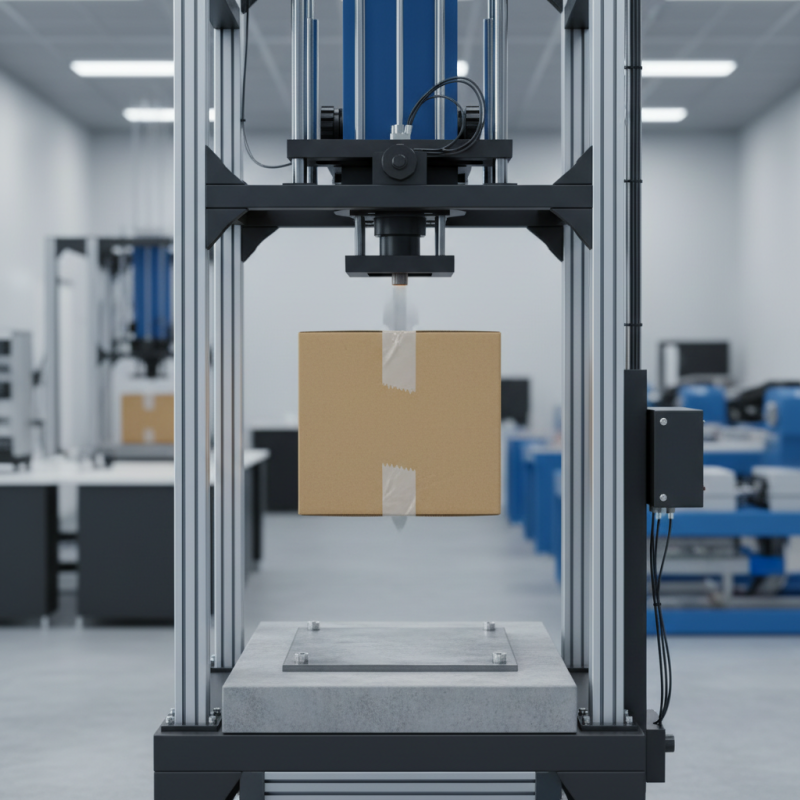
Drop test equipment plays a critical role in product testing. It assesses how products withstand falls, bumps, and impacts during their lifecycle. Proper testing ensures safety and durability. Many companies overlook the need for comprehensive testing. This oversight can lead to failures, customer dissatisfaction, and significant costs.
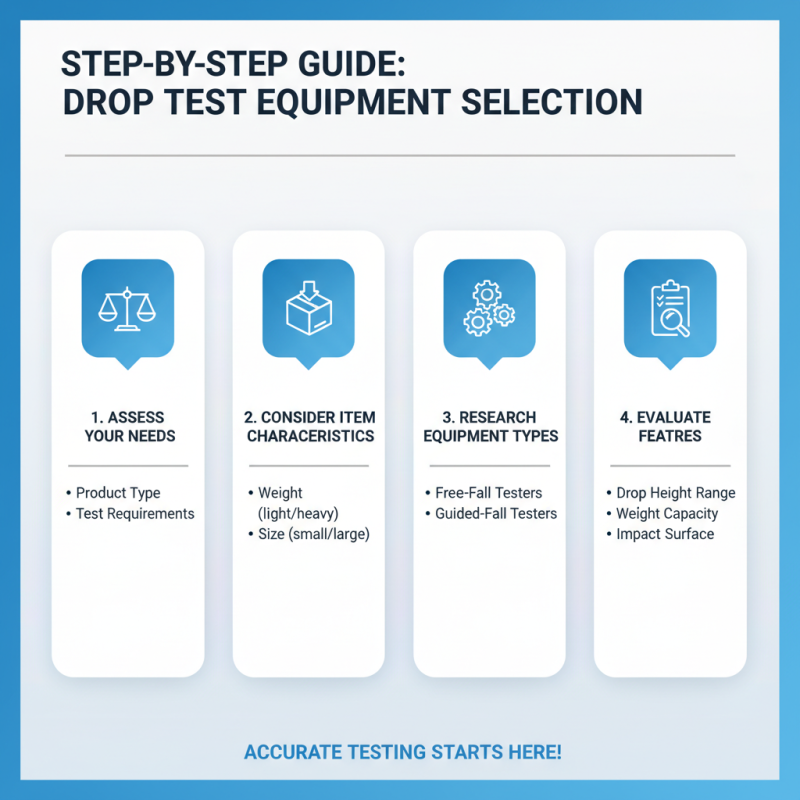
Choosing the right drop test equipment requires understanding specific needs. Consider the types of products being tested. Different items may need distinct testing parameters. Additionally, the equipment's capabilities should match industry standards. This ensures accuracy and reliability in your results. Investing in quality equipment can save businesses from costly recalls.
A clear understanding of the importance of drop tests cannot be overstated. It reveals potential weaknesses in product designs. Companies must regularly evaluate their testing processes. This reflection can lead to improvements and innovative solutions. The consequences of inadequate testing are often severe and long-lasting.
2026 How to Choose the Best Drop Test Equipment for Accurate Testing?
| Feature |
Importance |
Recommended Range |
Considerations |
| Drop height range |
Ensures tests mimic real-world conditions |
1 to 5 meters |
Check product specifications |
| Payload capacity |
Allows testing of various product weights |
Up to 200 kg |
Consider the product size and type |
| Test cycle speed |
Increases efficiency of testing protocol |
1 to 10 drops per minute |
Balance speed with accuracy |
| Measurement accuracy |
Critical for data reliability |
±1 mm |
Ensure calibration is up-to-date |
| Data logging capabilities |
Facilitates detailed analysis |
Log up to 1000 drop events |
Check for easy data extraction |
Key Features to Consider for Accurate and Reliable Drop Test Machines
When selecting drop test equipment, several key features must be considered to ensure accurate results. The machine should simulate real-world conditions accurately.
Look for adjustable drop heights.
This flexibility allows users to replicate various impacts effectively. A user-friendly interface is also crucial for seamless operation and efficient testing.
Another essential feature is the ability to measure impact forces. Accurate sensors will provide reliable data on the force with each drop. Enhanced data logging capabilities help to analyze results in depth.
It is important to have the option for real-time monitoring. This helps in making timely adjustments if needed.
Durability is a significant aspect as well. Equipment that endures regular usage without compromising accuracy is essential. However, some machines might experience wear and tear over time.
Regular maintenance is necessary to uphold performance. Skimping on quality can lead to errors in testing, which may remain unnoticed. Choosing equipment that offers support and service can mitigate these issues.
Types of Drop Test Equipment and Their Suitable Testing Applications
When selecting drop test equipment, understanding the types available and their applications is essential. Drop test equipment varies widely. Some devices are designed for package testing, while others focus on product durability. For example, a simple drop tester can evaluate how well a packaged product withstands impacts during shipping. This is critical for packaging engineers.
Advanced systems might include programmable drop heights and impact sensors. They are suitable for testing electronics or fragile items. Selecting the right equipment depends on your testing requirements and the items being tested. It's important to note that not all equipment delivers the same level of precision. Results can vary based on calibration and usage.
One must consider the environment where testing occurs. Factors like temperature and humidity can affect test results. In some cases, the setup may not be ideal, leading to inaccurate findings. Testing should reflect real-world conditions. Regular maintenance of equipment is equally crucial. An improperly maintained device may yield unreliable data, leading to potential flaws in product design.
Maintenance Tips to Ensure Long-Term Accuracy and Performance of Drop Test Devices
Maintaining drop test equipment is crucial for reliable results. Regular checks on calibration ensure accuracy. It's essential to follow manufacturer guidelines for adjustments. Inspecting the cushioning materials can reveal wear and tear. A slight damage may seem insignificant but can affect performance.
Cleaning the testing apparatus is vital. Dust accumulation can impact sensors. Use appropriate cleaning solutions, avoiding harsh chemicals. Employ safe practices to prevent accidental damage. Additionally, temperature affects many test devices. Storing equipment in a controlled environment can prolong its lifespan.
Training personnel on proper handling techniques is equally important. Misuse can cause wear that is hard to detect. Encourage staff to report any irregularities. Implement a log for tracking usage and maintenance history. This proactive approach fosters a culture of diligence, enhancing the reliability of drop test devices.