2026 How to Use a Drop Testing Machine Effectively?
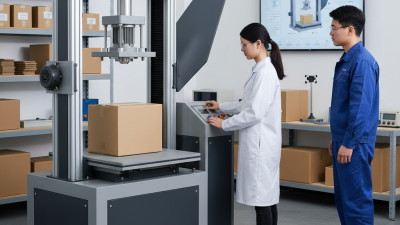
In the modern manufacturing landscape, the effectiveness of a Drop Testing Machine often determines product durability. This machine simulates real-world impacts that a product may face. Understanding how to use this machine properly can enhance quality assurance processes for manufacturers.
Employing a Drop Testing Machine requires careful consideration of several factors. The machine settings must match the product's specifications and intended use. However, many users overlook the importance of calibration before starting tests. It’s easy to skip this step, yet inaccuracies can lead to misleading results.
Moreover, documenting the testing procedures is vital. This can help identify recurring issues in product design. Despite the temptation to rely on results for immediate feedback, a thorough analysis can uncover deeper flaws. By reflecting on the outcomes, manufacturers can innovate and improve their products, ultimately ensuring customer satisfaction and safety.
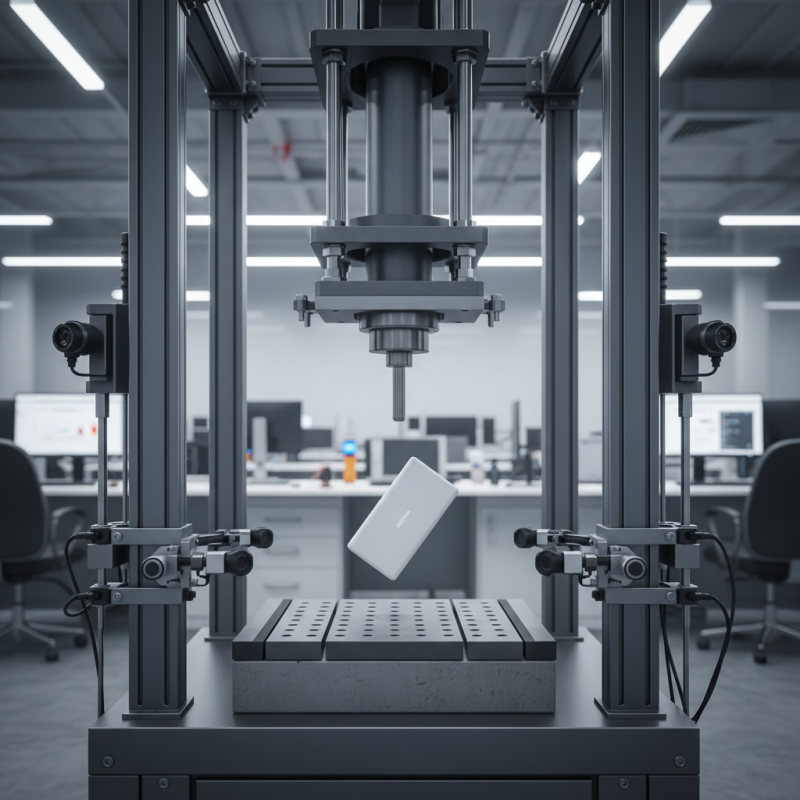
Understanding the Basics of Drop Testing Machines
When considering drop testing machines, understanding their basics is crucial. Drop testing evaluates how products withstand drops and impacts. This process is vital for electronics, packaging, and various materials. According to a recent industry report, nearly 25% of product damage occurs during shipping or handling. This highlights the importance of effective drop testing.
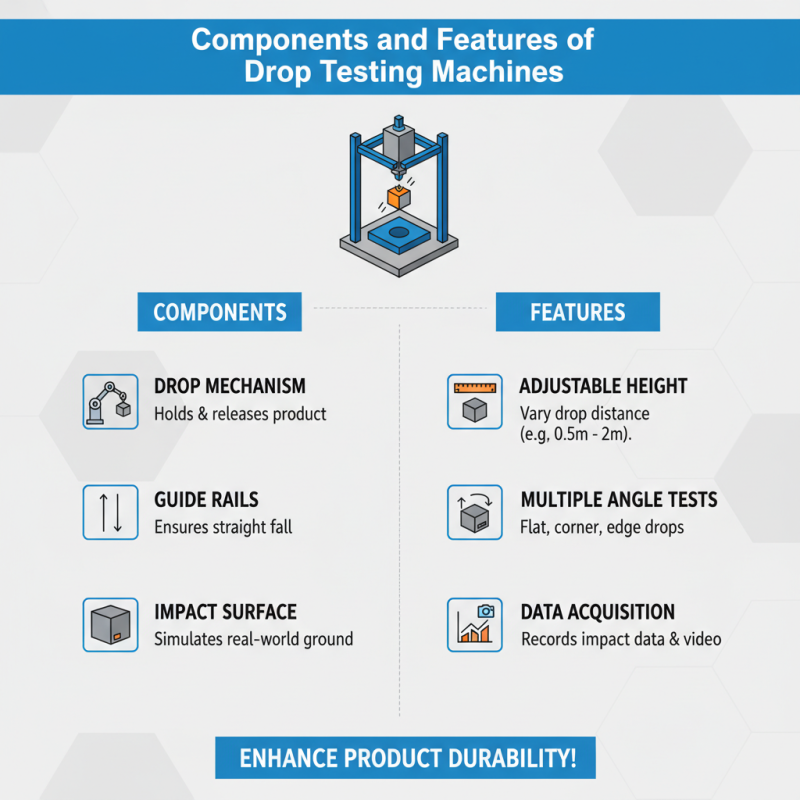
Drop testing machines simulate real-world scenarios. They can drop items from specific heights and angles. This data helps manufacturers make informed decisions. Specific features of machines include adjustable drop heights and control programming for varied testing conditions. For example, testing a smartphone might involve drops from 1 to 1.5 meters at different angles.
Tips: Always check the machine's calibration. Regular maintenance ensures accuracy. Make sure to record all test results meticulously. This data is invaluable for future product designs. Without it, improving product resilience becomes challenging. Reflect on past tests. Identify patterns in product failures to address them proactively.
Step-by-Step Guide to Setting Up a Drop Testing Machine
Setting up a drop testing machine can feel overwhelming at first. Begin by ensuring that your workspace is clean and well-organized. This helps in quickly locating necessary tools and materials. Use the manufacturer's guidelines as a reference point, keeping them nearby.
Before running tests, calibrate the machine. Check that the drop height is set correctly. A simple mistake with height can lead to inaccurate results. Always ensure that the equipment is stable. A shaky foundation can lead to inconsistent testing results.
Tip: Regularly inspect the machine for wear and tear. Even small issues can influence your tests. Review data collection methods too. If records are unclear, it can cause confusion later. Don't forget to keep track of each test's conditions. This detail is vital for accurate analysis.
When looking at the results, reflect on any anomalies. Sometimes, unexpected outcomes can reveal hidden flaws in your product. Use these insights to refine your testing process further. Each drop should lead to learning something new.
2026 Drop Testing Machine Impact Resistance Analysis
Best Practices for Conducting Drop Tests
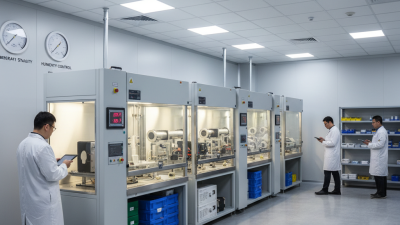
When conducting drop tests, best practices are essential. These practices ensure that results are both reliable and replicable. The environment plays a crucial role. A controlled space limits variables. Consistent temperature and humidity help maintain test integrity.
**Tips:** Always calibrate your drop testing machine before use. This process confirms accuracy. Small errors in calibration can lead to significant data discrepancies.
Select the right height for your tests. The height should reflect realistic scenarios, yet vary to understand how products withstand different impacts. Document every detail. This includes drop angles and surfaces. Missing even a single factor can skew results.
**Tips:** Use different drop surfaces for varied outcomes. Soft surfaces may absorb impact differently than hard ones. Keep in mind that human error can occur. If you notice inconsistencies, revisit your setup and process. Each test should improve your understanding and methods.
Analyzing and Interpreting Drop Test Results
Analyzing and interpreting drop test results requires a careful approach. Start by examining the data collected from various heights. Look for patterns in the impact points and damage to the tested objects. Not all results will meet expectations. Some tests may show unexpected durability or fragility.
It's essential to compare results across different materials or designs. Some items may appear resilient at one height but fail dramatically at another. This inconsistency can provide insights for improvement. Reflecting on these results can lead to better product designs. It often highlights weaknesses that need addressing.
Documenting your findings is crucial. Create a clear record of each test, the environment, and the specific conditions. This cataloging allows for better analysis over time. As you refine your testing methods, you'll likely notice discrepancies. Acknowledging these imperfections is a step toward enhancing product reliability. Remember, every failure can lead to valuable lessons.