Top Tips for Choosing a Drop Testing Machine for Your Needs?
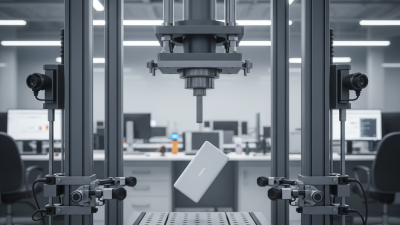
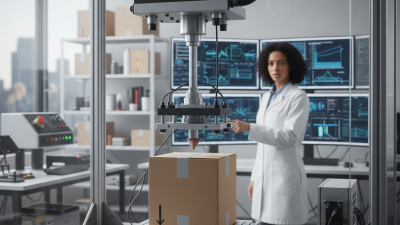
Selecting the right Drop Testing Machine is crucial for ensuring product safety. This machine evaluates how well items withstand drops. Understanding your specific requirements is essential. Consider factors such as the weight and material of your products. Different machines cater to various industries, including electronics and packaging.
Researching the available options can be overwhelming. Look for machines that offer adjustable drop heights and test speeds. Not all machines provide the same level of precision. You may need to consult with industry experts or read product reviews. Each Drop Testing Machine has its strengths and limitations. It’s important to align the machine’s capabilities with your testing needs.
Investing in a high-quality machine can save you time and resources in the long run. However, always assess the features critically. Are they aligned with your testing objectives? A reliable machine should enhance your testing process. Therefore, take the time to evaluate each option carefully. The right choice will contribute positively to your product development cycle.
Understanding Drop Testing: Importance and Purpose
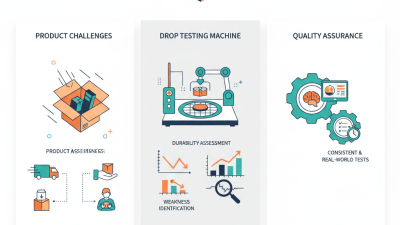
Drop testing is a critical procedure in product development. It helps ensure that items can withstand accidental falls during shipping or handling. According to a report by the International Safe Transit Association (ISTA), nearly 15% of product damage occurs during transportation. This statistic highlights the importance of selecting the right drop testing machine tailored to specific needs.
Understanding drop testing involves recognizing its purpose. It evaluates packaging effectiveness and product durability. A robust testing machine simulates real-world conditions, assessing how products behave when dropped. Research by ASTM International suggests that proper drop testing can reduce return rates by up to 30%. This significant reduction can enhance customer satisfaction and decrease costs for manufacturers.
While drop testing offers valuable insights, not all machines are equal. Criteria such as weight capacity, drop height, and testing speed are essential. Some machines may lack versatility, limiting their usage. Additionally, factors like user training and maintenance can affect testing outcomes. Therefore, a careful consideration of these elements will lead to more reliable results and ultimately improve product quality.
Key Features to Consider in a Drop Testing Machine
When selecting a drop testing machine, it’s crucial to focus on key features that will meet your specific needs. The height adjustment capability is one such feature. It allows you to test products at various drop heights. This flexibility can help in simulating real-world conditions. A machine with precise height settings can provide more accurate results.
Another important aspect is the impact measurement system. A digital readout that captures the force of impact is essential. This feature helps in analyzing how products withstand drops. Without accurate measurements, it’s difficult to determine durability. Additionally, consider the safety features. Machines should have protective enclosures to keep operators safe during testing.
The ease of operation also matters. Intuitive controls can enhance user experience and efficiency. Training staff on complex systems can be time-consuming and may lead to errors. Finally, explore the machine's robustness. A sturdy build ensures longevity but may come with added weight. Striking the right balance in features and usability is worth careful thought.
Evaluating Different Types of Drop Testing Machines
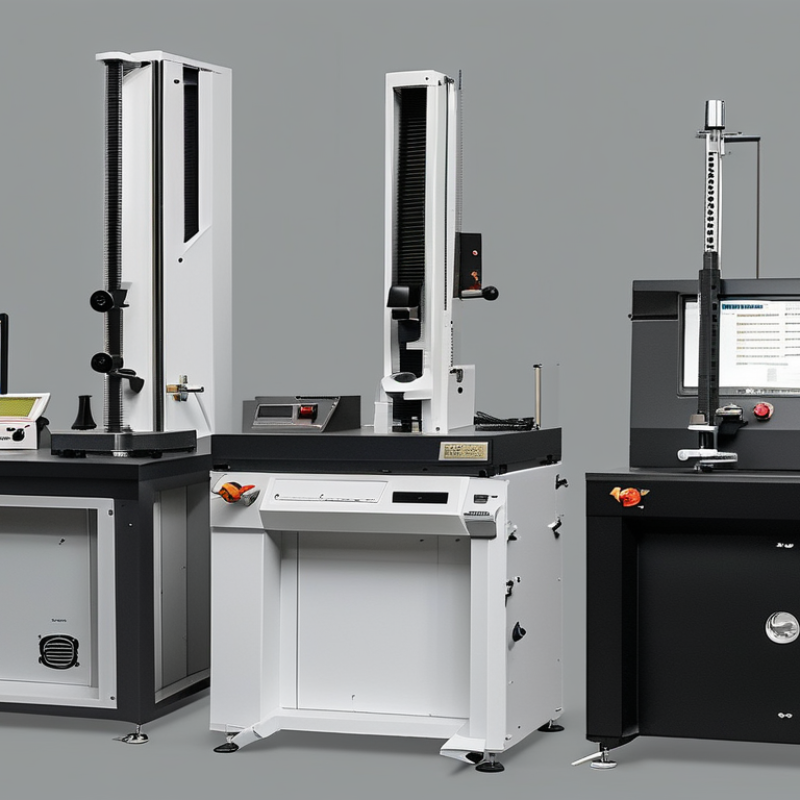
When selecting a drop testing machine, it's crucial to understand the various options available. Drop testing machines come in several types, including vertical and inclined impact testers. Each type has different capabilities and applications. According to a recent industry report, approximately 70% of equipment failures in industries stem from inadequate drop test evaluations. This statistic highlights the necessity of choosing the right machine for accurate assessments.
Vertical impact testers often simulate free-fall impact scenarios. They are ideal for packaging and product durability tests. In contrast, inclined testers can recreate angled impacts, making them suitable for more dynamic applications. Different machines offer varying features like adjustable drop heights and load capacities. Industry data suggests that machines with automated drop capabilities can increase testing efficiency by up to 40%.
However, not all machines provide equal reliability. Some may lack user-friendly interfaces, leading to operational inefficiencies. It's important to consider not only the machine's specifications but also user feedback and expert reviews. Reflecting on these aspects ensures a choice that meets your needs without compromising quality. Look for machines with proven track records, as they demonstrate effective performance under real-world conditions.
Assessing the Cost vs. Benefits of Drop Testing Equipment
When considering drop testing equipment, the cost vs. benefits analysis is crucial. Numerous factors affect overall expenses. Equipment prices vary widely, influenced by features and precision. Understanding the exact requirements is essential before investing. An expensive machine might seem appealing, yet its benefits must align with your testing necessities.
It’s vital to assess the long-term benefits. Some machines lower operational risks, ensuring product safety. This aspect can save money in potential damages. However, the complexity of the equipment can lead to higher maintenance costs. Regular upkeep might outweigh initial savings. You may need additional training for staff as well.
Sometimes, cheaper alternatives provide adequate performance for specific tests. Exploring all options may reveal hidden gems. An underpowered machine might compromise test integrity. Thus, balancing cost with reliability is key. Always keep future needs in mind. Investing wisely today pays off tomorrow, but overlooking details could lead to regret.
Cost vs. Benefits of Drop Testing Equipment
Maintenance and Support for Your Drop Testing Machine
When investing in a drop testing machine, maintenance and support play critical roles in its longevity and efficiency. Regular maintenance is essential to ensure accurate drop simulations. According to a report by the International Society for Testing and Materials (ISTM), nearly 30% of machine failures stem from inadequate upkeep. This statistic highlights the importance of developing a routine maintenance schedule.
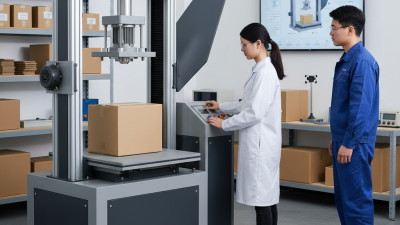
Comprehensive support is equally vital. Many manufacturers offer training programs, guiding users in operating the equipment effectively. A well-trained team can significantly reduce error rates by 25%, improving the quality of test results. However, companies often overlook this step, leading to frustration and inefficiencies.
Users should assess the availability of spare parts and technical support when selecting a machine. A study from the Global Equipment Alliance indicated that 50% of companies reported delays due to lack of accessible support. These delays can impact product testing timelines. Prioritizing maintenance and support can save time and resources in the long run.