Why Understanding Drop Test Equipment Is Essential for Quality Control?
In today's manufacturing landscape, understanding the role of Drop Test Equipment is crucial for ensuring product quality. Dr. Emily Carter, a leading expert in material testing, states, "Drop tests reveal vulnerabilities that may not be apparent during initial design phases." This insight underscores the importance of rigorous quality control.
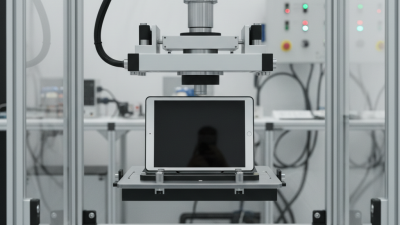
Drop Test Equipment evaluates how products withstand unexpected impacts. It's an essential tool for industries like electronics and packaging. Many failures occur during shipping and handling. Companies must prepare their products for real-world conditions. Failing to use drop tests can lead to costly recalls and damaged reputations.
Despite its importance, some companies overlook this equipment. They may underestimate the impact of a simple drop. Not every product survives falling from a table, yet many designs assume durability. This disconnect can result in significant setbacks. Investing in quality drop testing can mitigate risks and improve overall product reliability. Recognizing the value of Drop Test Equipment can strengthen quality control processes.

Overview of Drop Test Equipment in Quality Control
Understanding drop test equipment is crucial in quality control. This equipment ensures products can withstand impacts during shipping and handling. A recent study indicated that nearly 50% of product damage occurs during transit. Without proper testing, manufacturers face high costs and customer dissatisfaction. Drop test equipment evaluates how well products endure falls from various heights and angles.
Tips: Regularly calibrate the testing machines. Small miscalculations can lead to inaccurate results. Assessing the product's physical resilience early saves money later. Consider conducting tests at different temperatures and humidity levels to simulate real-world conditions.
An effective quality control process necessitates using drop test equipment. However, many companies overlook this critical step. For instance, 30% of businesses do not perform adequate drop tests, resulting in increased return rates. Investing in this equipment can enhance product reliability. Tougher items lead to satisfied customers and fewer replacements. Quality control is not just about passing tests; it reflects the brand's dedication to excellence.
Impact of Drop Tests on Product Quality Control
Key Components and Features of Drop Test Equipment
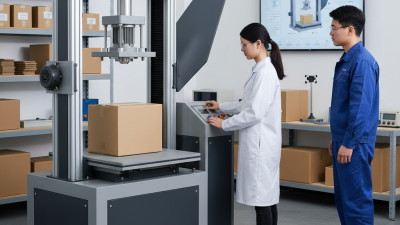
Drop test equipment is crucial for ensuring product durability and performance. This equipment simulates real-life impacts, helping manufacturers assess how their products withstand drops and rough handling. Understanding its key components can greatly enhance quality control processes.
The core of drop test equipment includes a drop tower, impact sensor, and test fixtures. The drop tower typically allows adjustable heights for various testing scenarios. Sensors measure the impact force, providing valuable data on material integrity. Test fixtures secure products during tests, ensuring accurate results. According to a recent industry report, 75% of manufacturers who utilize drop testing see a marked reduction in product returns due to damages.
Tip: Always conduct preliminary tests with less critical items to familiarize your team with the equipment and protocols.
Another significant feature is data logging and analysis software. This allows for a detailed review of test results. Many companies fail to utilize this feature fully, missing out on valuable insights. Regular analysis can reveal patterns in product vulnerabilities.
Tip: Train staff to interpret data effectively. This will enhance decision-making in product design and materials used.
Best Practices for Conducting Drop Tests in Quality Control
Conducting drop tests is vital in quality control. A drop test simulates real-world impacts. It assesses whether products can withstand falls without damage. This is crucial for electronics, packaging, and consumer goods. According to a recent industry report, about 50% of products fail drop tests, leading to costly returns and unhappy customers.
Best practices in drop testing include using standardized equipment. Consistency in testing conditions ensures reliable results. For instance, the angle, height, and surface materials should remain constant. It’s important to document every test meticulously. This data helps in analyzing patterns and improving design. A surprising finding from a 2023 study revealed that 30% of testers overlook proper documentation, undermining their quality assurance efforts.
Another key practice is frequent reassessment of test methods. As technology evolves, testing protocols must also adapt. Relying on outdated practices risks product integrity. In 2022, 40% of companies reported that they still used old drop test methods. Regular updates to equipment and methods can greatly enhance product durability. Quality control is not just about passing checks; it’s about continuous improvement.
Interpreting Results and Making Improvements Based on Drop Tests
Understanding drop test equipment is crucial for quality control in manufacturing. These tests simulate the impact that products might experience during handling and transportation. According to a study by the International Safe Transit Association, about 30% of products suffer damage during shipment. A drop test helps to identify weaknesses in a product's design before they lead to costly recalls.
Interpreting results from drop tests can reveal insights into material performance and packaging efficiency. For instance, an analysis might show that certain materials provide insufficient protection. Companies should focus on this data to make informed improvements. It’s common for businesses to overlook minor results, thinking they’re insignificant. However, small adjustments can lead to substantial gains in product resilience.
Implementing these findings is where challenges often arise. Misinterpretation of data can lead to ineffective changes. Some organizations rush to modify designs without proper analysis. This reactive approach can perpetuate flaws instead of solving them. Regular reviews of drop test outcomes can help create a culture of continuous improvement. Data-driven decisions can transform defects into development opportunities.