How to Use an Altitude Test Chamber for ProductTesting?
In the field of product testing, using an Altitude Test Chamber is crucial. Expert Dr. Emily Carter, a leading engineer in environmental simulations, once said, “Understanding how products behave at different altitudes is essential for reliability.”
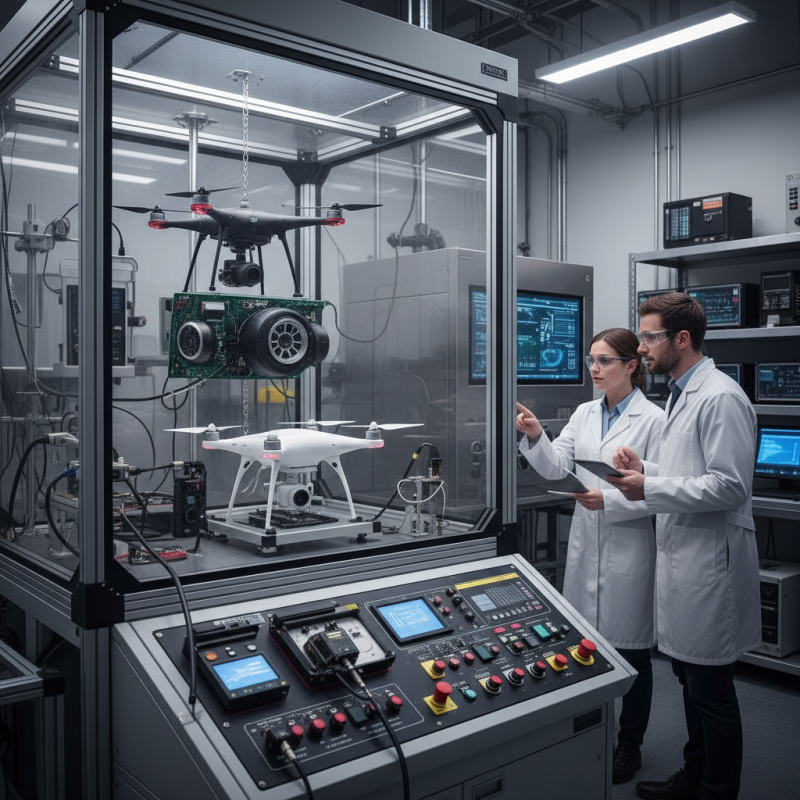
An Altitude Test Chamber simulates high altitudes to assess product performance. Designers and manufacturers can discover how items react under low pressure and oxygen levels. This testing is vital for aerospace, automotive, and electronics industries.
Many overlook specific details when using these chambers. For instance, not calibrating the equipment properly can lead to inaccurate results. It’s important to monitor temperature and pressure closely. The stakes are high; a small oversight may result in product failure or recalls. Acknowledging these challenges allows teams to improve their processes and ensure better outcomes.
Understanding the Basics of Altitude Test Chambers
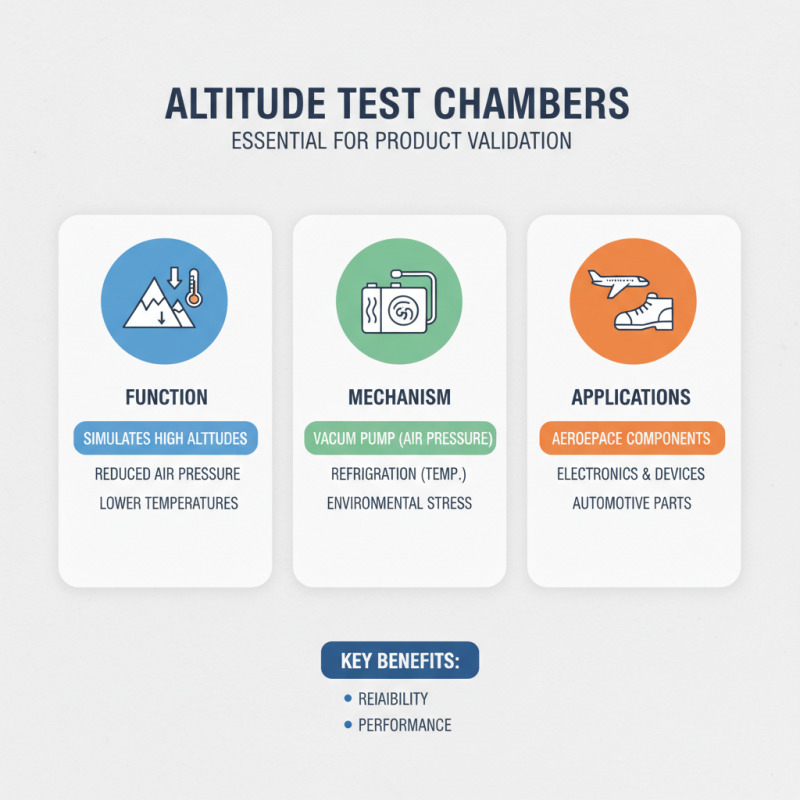
Altitude test chambers are essential tools in product testing. These chambers simulate high altitudes, exposing products to reduced air pressure and lower temperatures. Understanding their basic functions is crucial for effective testing. The chambers can replicate environments found in mountains or air travel.
When using these chambers, it's vital to consider how products react under stress. Products like electronics may fail under such conditions. Failure may stem from improper seals or materials that can't withstand low pressure. Observing these reactions helps in refining product designs.
Temperature control is another key aspect. Chambers must maintain precise conditions for reliable results. Fluctuations in temperature impact test validity. Always check calibration and settings before use. Data gathered could lead to improvements, but initial trials could present unexpected challenges. Embracing this complexity allows for more robust product development.
Types of Products Suitable for Altitude Testing
Altitude testing is essential for various products, especially those designed for high-altitude environments. Electronics, such as smartphones and laptops, must endure different atmospheric pressures. These devices often face performance issues at higher altitudes. They need reliability and functionality. Failing tests can lead to design flaws that delay product launches.
Aeronautical components should also be subjected to altitude tests. They must function correctly at soaring heights. Even minor failures could have severe consequences. Flight instruments require rigorous testing to ensure safety. Similarly, medical devices, like oxygen delivery systems, should operate well in lower oxygen levels.
Consumer goods can benefit from altitude testing as well. Outdoor gear, like climbing equipment, faces extreme conditions. Testing helps ensure durability during use. However, some products may not hold up as expected. This could lead to re-evaluations of material choices. Addressing these issues early can save time and money later on. Altitude testing reveals crucial information about product performance.
How to Use an Altitude Test Chamber for Product Testing? - Types of Products Suitable for Altitude Testing
| Product Type |
Test Purpose |
Altitude Range (ft) |
Common Applications |
| Electronics |
Performance under low pressure |
0 - 40,000 |
Aerospace devices, consumer electronics |
| Automotive Components |
Durability in high altitude |
0 - 18,000 |
Engine parts, sensors |
| Pharmaceuticals |
Stability testing under varying pressures |
0 - 30,000 |
Medication packaging, drug formulations |
| Aerospace Equipment |
Compliance with aviation standards |
0 - 60,000 |
Avionics, control systems |
| Sports Equipment |
Performance testing at extreme conditions |
0 - 20,000 |
High-altitude gear, compressed gases |
Steps for Preparing Products for Altitude Testing
When preparing products for altitude testing, the first step is to ensure a clean workspace. It is important to remove any dust or debris. This can affect the test results. Check the altitude test chamber for functionality. Ensure all seals are intact and sensors are calibrated. Regular maintenance of the chamber is crucial for accurate readings.
Next, properly condition the products prior to testing. This might involve acclimating them to room temperature. Different types of materials react differently to pressure changes. Remember, not all products will behave as expected. It’s essential to document any anomalies. Not just for record-keeping, but to refine future testing protocols.
Finally, securely place the products inside the chamber. Use appropriate mounts or fixtures to prevent movement. Ensure none are touching each other. Space is vital to achieve consistent results. After the test, review the data carefully. Look for patterns or unexpected outcomes. Reflect on the process to improve future tests. The goal is to create a reliable procedure, but imperfections often lead to valuable insights.
Altitude Testing Results of Various Products
Operating Procedures for Using an Altitude Test Chamber
Using an altitude test chamber requires careful preparation and attention to detail. Ensure all necessary safety gear is on hand. Equip yourself with reliable tools to measure pressure and temperature. Start by checking the chamber's calibration. If it isn't calibrated, your test results may be inaccurate.
Once ready, place the product inside the chamber. Allow time for the product to acclimate before starting tests. Monitor the conditions closely. Any sudden changes in altitude can affect your results. Document everything, but be aware that errors can occur during testing. Sometimes, equipment may fail unexpectedly, leading to incomplete data.
After the tests, analyze the findings thoroughly. Look for any anomalies or patterns. If results seem off, revisit your procedures. It’s essential to refine your approach. Continuous improvement is key in product testing. Remember, each test provides valuable insights, even if they highlight imperfections.
Interpreting Results and Making Adjustments Post-Testing
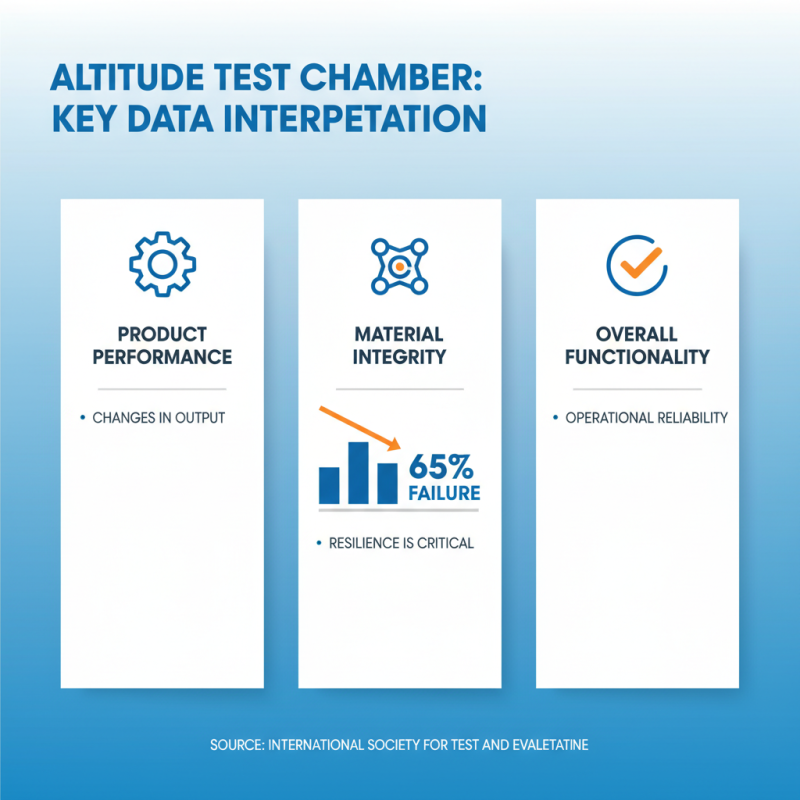
When interpreting results from an altitude test chamber, focus on key data indicators. Look for changes in product performance, material integrity, and overall functionality. According to the International Society for Test and Evaluation, 65% of product failures in high-altitude simulations stem from inadequate material resilience. This highlights the importance of thoroughly analyzing performance at simulated altitudes.
After testing, it’s essential to make adjustments based on data trends. For instance, if there is significant air leakage during altitude simulation, it may indicate weaknesses in the sealing materials. This could necessitate a redesign or the incorporation of more robust materials. Neglecting these signs might lead to product failure in real-world conditions.
Tips: Always document and review your testing process. Small details can yield insights. Consider retesting with modified products to verify adjustments. Regular analysis can help refine future tests, ensuring more reliable outcomes. Engaging with your team post-testing can also reveal overlooked factors. Remember, addressing flaws early can save time and costs in the long run.