2026 How to Use a Double-Wing Drop Tester for Effective Testing?
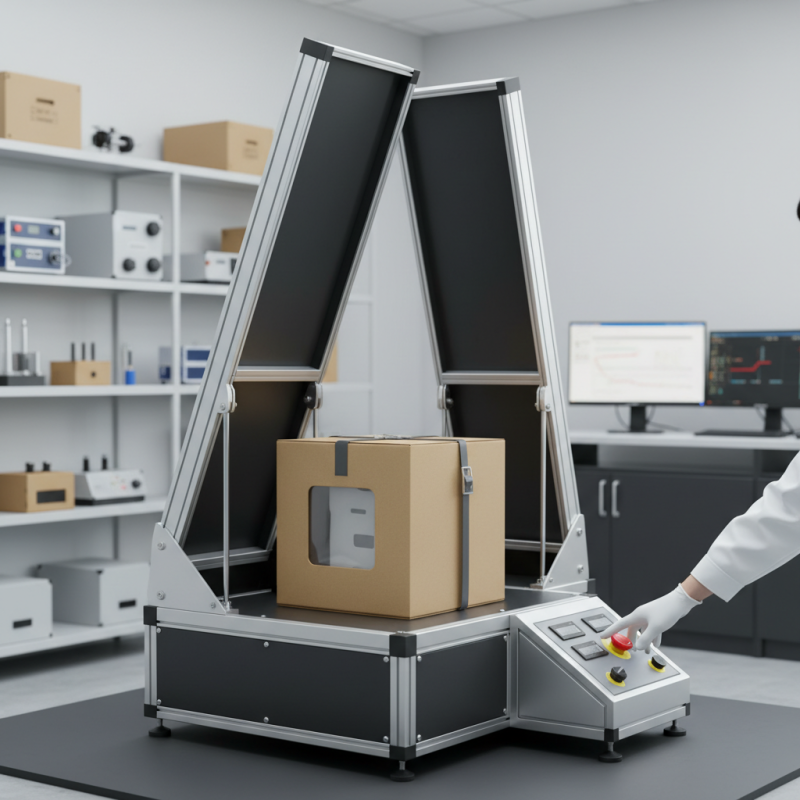
The Double-Wing Drop Tester is an essential tool in packaging and product testing. Designed to simulate real-world impacts, it evaluates the durability of various materials. This tester uses a unique mechanism, allowing for accurate and repeatable drop tests.
In the competitive market, understanding how to use a Double-Wing Drop Tester effectively is crucial. Many companies overlook the importance of proper testing protocols. Without a structured approach, results can be misleading. Testing may not reveal weaknesses in packaging.
Users must be familiar with the equipment's operational aspects. Regular calibration and maintenance are necessary for accurate results. Proper training also plays a critical role. As with any testing procedure, challenges can arise. Misinterpretation of data may lead to incorrect conclusions. Continuous reflection on testing methods is key to improvement.
Understanding the Double-Wing Drop Tester and Its Purpose
The double-wing drop tester is essential for assessing product durability. This device simulates drop impacts to evaluate how packages hold up under stress. It helps in understanding the limits of materials used in packaging. Companies can use this tool to improve product design by identifying weaknesses.
For effective testing, ensure proper alignment of the device. Misalignment can lead to inaccurate results. Always calibrate before testing. Consistent measurements are crucial to meaningful analysis. When conducting tests, observe how different materials respond to drops. Document every outcome. This information is valuable for future product developments.
Consider periodic reviews of your testing protocols. Outdated methods may not reflect current industry standards. Stay updated with the latest testing techniques. Investigate new materials that could enhance product durability. Continuous improvement is the key to success in packaging. Aim for not just functionality, but also for durability over time.
2026 Double-Wing Drop Tester Results
The chart illustrates the impact durability results obtained from the double-wing drop tester across five different tests. Each bar represents the number of drops endured before failure, indicating the effectiveness of the tester in assessing product resilience.
Key Components of a Double-Wing Drop Tester
The double-wing drop tester is an essential tool for evaluating packaging durability. Its design includes two wings that drop from a fixed height, simulating real-world impacts. Key components include the frame, drop mechanism, and adjustable height settings. Each part plays a crucial role in ensuring accurate testing results.
The frame provides stability and ensures the device withstands repeated use. The drop mechanism should allow for smooth operation, preventing unexpected malfunctions. Adjustable height settings cater to different packaging sizes, enhancing testing versatility. Users must ensure the drop height aligns with industry standards to maintain consistency.
It's vital to regularly inspect the components for wear and tear. This maintenance helps preserve precision and accuracy. Observing how packages react to impact can reveal weak points in design. Documenting these findings is beneficial for future tests. The double-wing drop tester is not just a tool; it's a gateway to improving packaging quality.
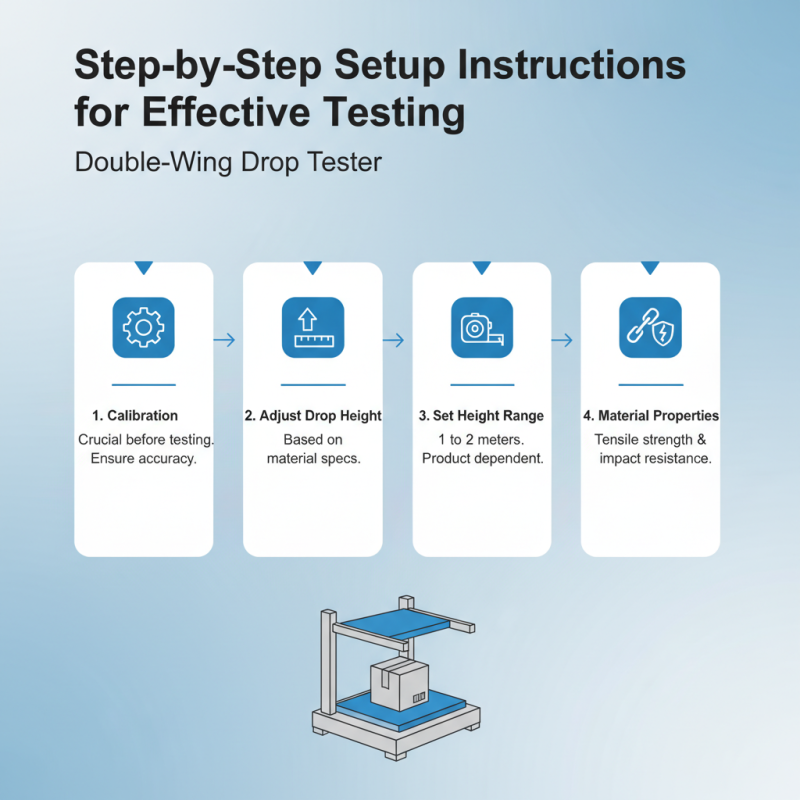
Step-by-Step Setup Instructions for Effective Testing
To effectively test materials using a double-wing drop tester, follow these step-by-step setup instructions. Proper calibration is crucial before starting the testing process. Adjust the drop height based on the specifications of the material to ensure accurate results. Depending on the product type, heights can range from 1 to 2 meters. The material's tensile strength and impact resistance should guide this decision.
Once calibrated, securely fasten your sample between the wings. This prevents any movement during the drop. It's important to handle the tester with care, as misalignment can lead to faulty results. After positioning the sample, ensure the release mechanism is responsive and functioning correctly. A reliable mechanism is vital to simulate real-life conditions accurately.
Tips: Always document the setup process and any discrepancies noted during testing. This data provides insight into potential issues. Regular maintenance of the tester can enhance longevity and improve testing reliability. Remember to review the latest industry reports; they highlight the importance of consistent testing methods, noting that 35% of product failures stem from inadequate testing protocols. Engage your team in regular training sessions to ensure everyone understands the testing standards thoroughly.
Best Practices for Conducting Drop Tests
When conducting drop tests, using a double-wing drop tester can enhance your testing efficiency and accuracy. Following best practices ensures reliable results. Begin by calibrating the tester to match the weight and dimensions of the items being tested. This calibration step is critical for consistency; even small errors can lead to significant discrepancies in results. According to industry reports, variations in drop angles can influence test outcomes by as much as 30%.
Consider the environment where tests are conducted. A controlled environment reduces variables that could affect test integrity. Temperature and humidity should be monitored closely. For instance, extreme conditions can alter material properties. Implementing a checklist before each test can help maintain standards.
Tips: Document every drop test meticulously. Keep track of conditions, item specifications, and results. This data can provide insights for future improvements. Regularly review and refine your testing protocols to identify any patterns or issues that arise. Analyze failures to understand underlying causes; this reflection is crucial for enhancing product durability and performance.
2026 How to Use a Double-Wing Drop Tester for Effective Testing? - Best Practices for Conducting Drop Tests
| Test ID |
Product Type |
Drop Height (cm) |
Drop Angle (Degrees) |
Test Result |
Comments |
| 001 |
Electronic Device |
100 |
90 |
Pass |
No visible damage |
| 002 |
Packaging Material |
80 |
45 |
Fail |
Tore on impact |
| 003 |
Cosmetic Item |
50 |
30 |
Pass |
Sustained impact well |
| 004 |
Metal Tool |
150 |
75 |
Pass |
No significant wear |
| 005 |
Glassware |
60 |
90 |
Fail |
Cracked upon impact |
Analyzing and Interpreting Test Results for Improvement
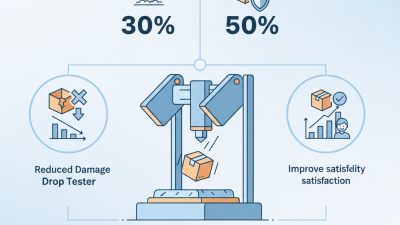
When using a double-wing drop tester, analyzing and interpreting test results is crucial for product improvement. The drop tester simulates real-world impacts, providing valuable data on how products withstand shocks. A study shows that approximately 30% of product failures occur due to inadequate impact resistance. Therefore, understanding test results can help manufacturers enhance design and material choices.
Interpreting data from the drop tests requires attention to detail. One key metric is the height from which the product is dropped. A report indicates that drops from even modest heights, like three feet, can lead to significant damage in sensitive electronics. Engineered materials may shift in behavior during testing, revealing vulnerabilities. Detailed analysis of these results offers insights into necessary material adjustments or design alterations.
However, the testing process is not without its challenges. Variability in drop angles or surface materials can impact outcomes. The test results may highlight weaknesses that were previously overlooked. It’s essential to document these findings thoroughly. This documentation ensures teams can reflect on what improvements are needed, promoting a culture of continuous enhancement during product development.