



News
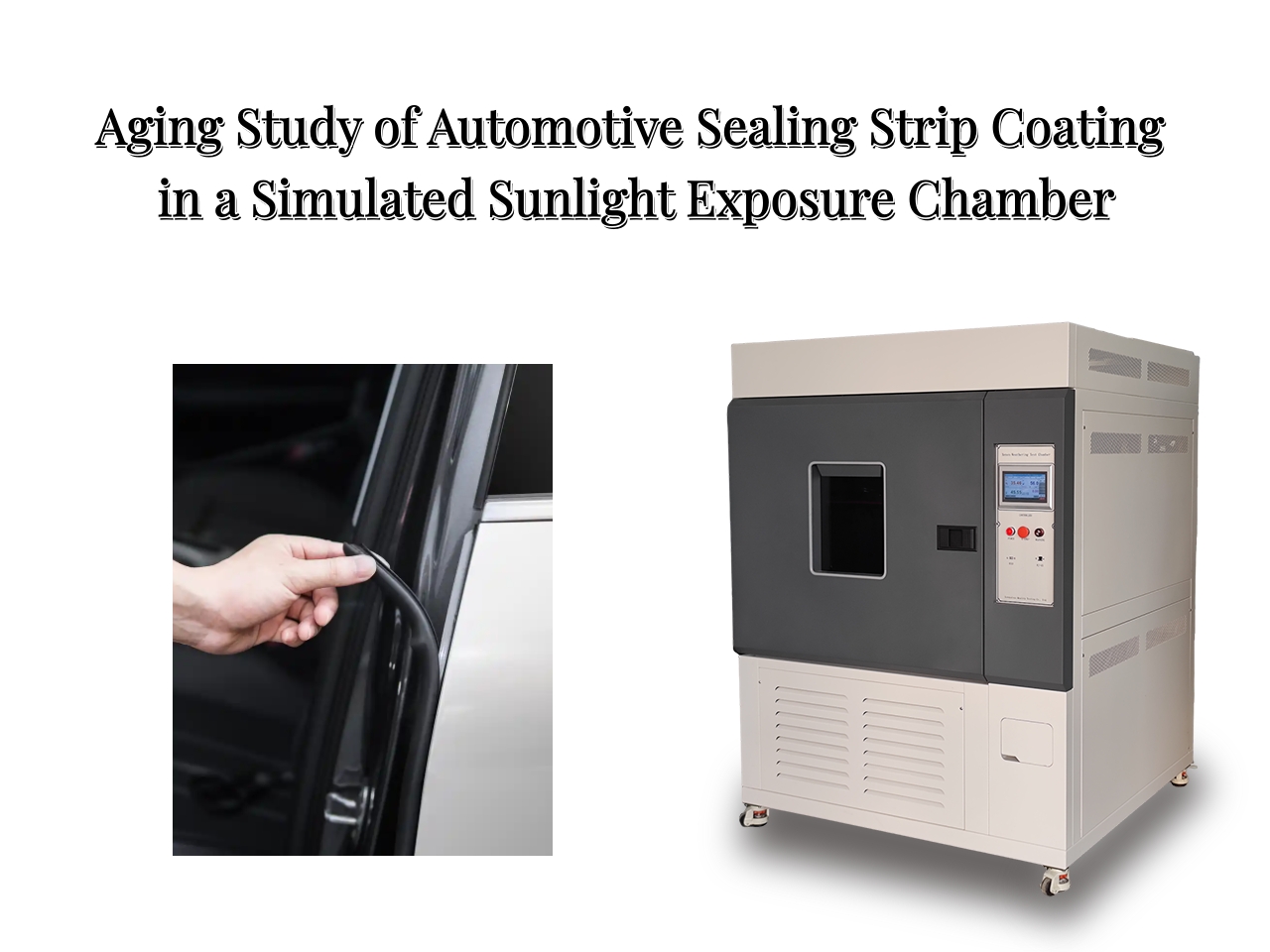
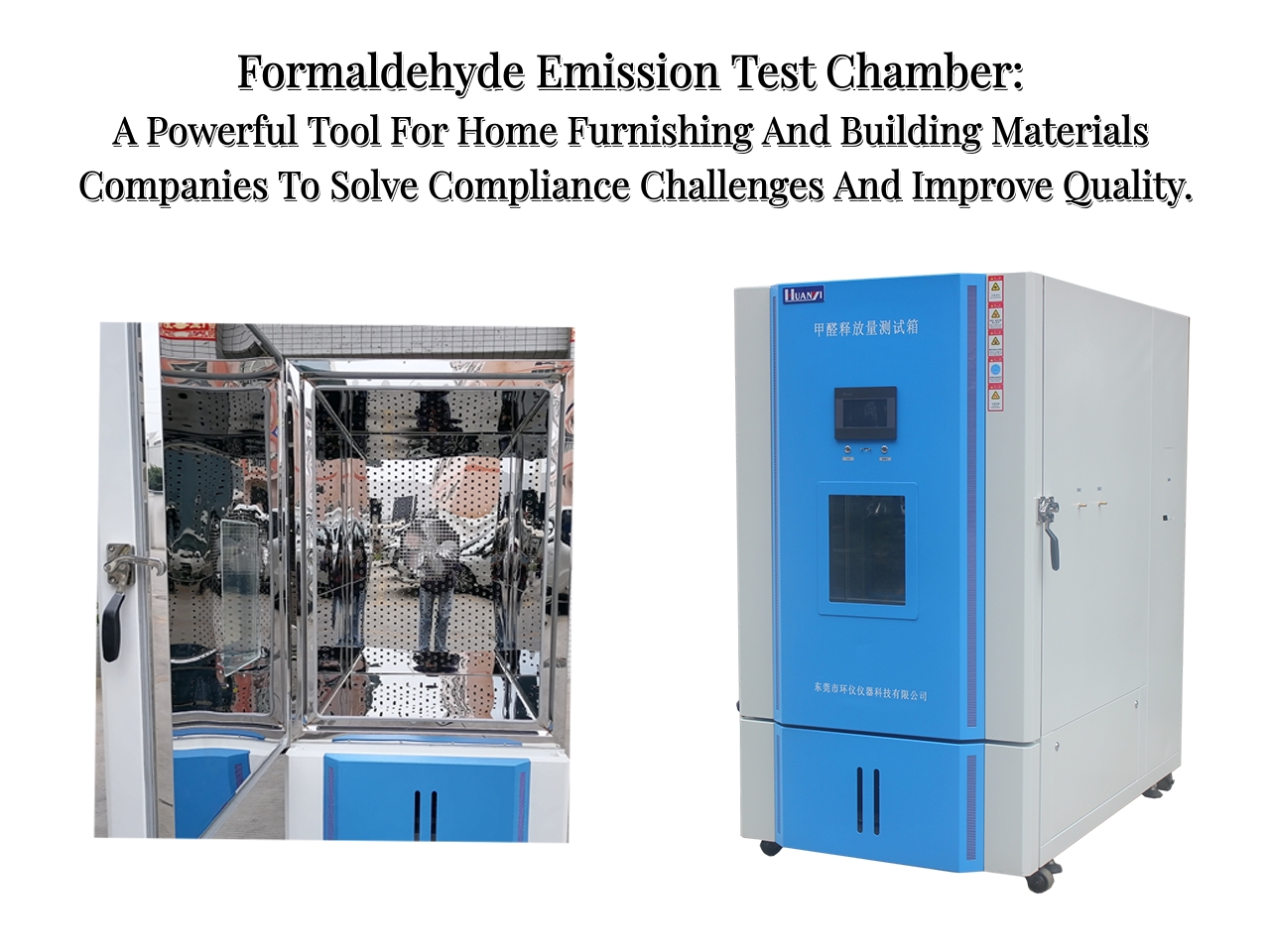

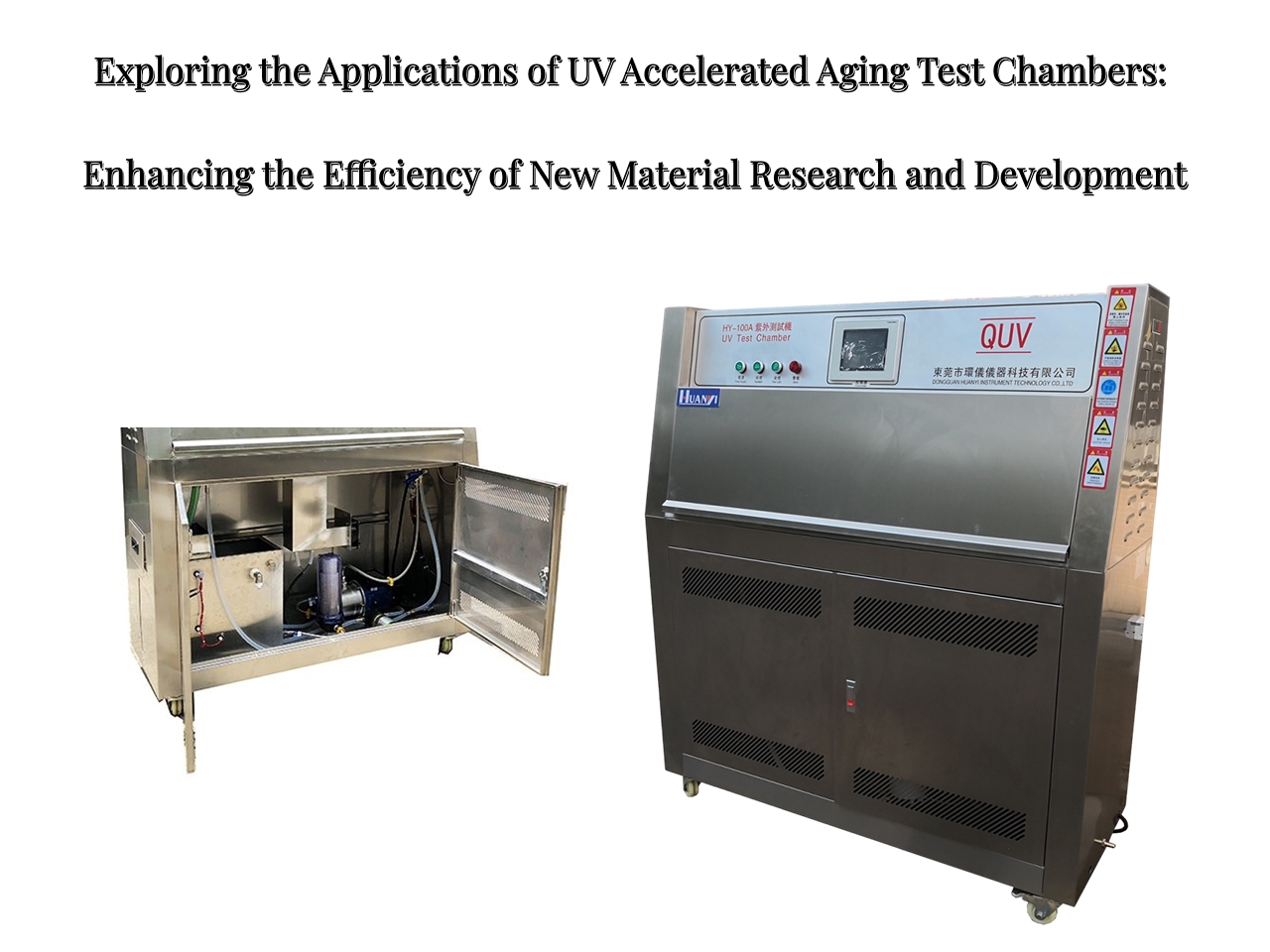
Exploring the Applications of UV Accelerated Aging Test Chambers: Enhancing the Efficiency of New Material Research and Development
In the fierce competition of new material research and development, time is of the essence. Traditional outdoor natural exposure tests often take several years, severely slowing down the research and development process. How can we quickly evaluate the weather resistance of new materials?
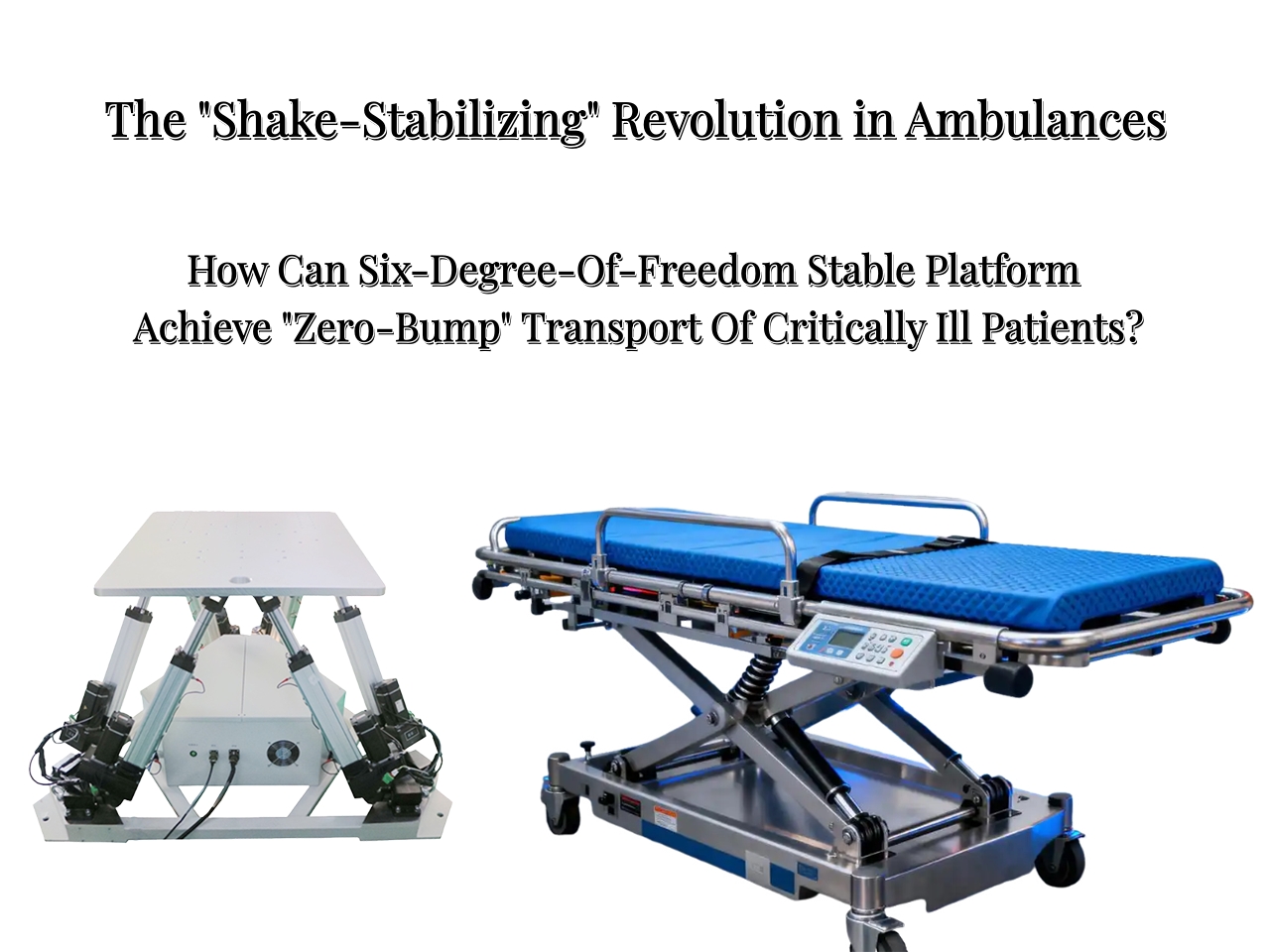
How Can Six-Degree-Of-Freedom Stable Platform Achieve "Zero-Bump" Transport Of Critically ill Patients?
Aerospace-grade six-degree-of-freedom stabilization platform transforms ambulances into mobile ICUs: it counteracts bumps in real time, precisely controls patient positioning, reduces the risk of secondary injury to critically ill patients by 70%, and allows delicate procedures such as intravenous punctures to be performed while the vehicle is in motion. This technology builds the last line of defense for life.
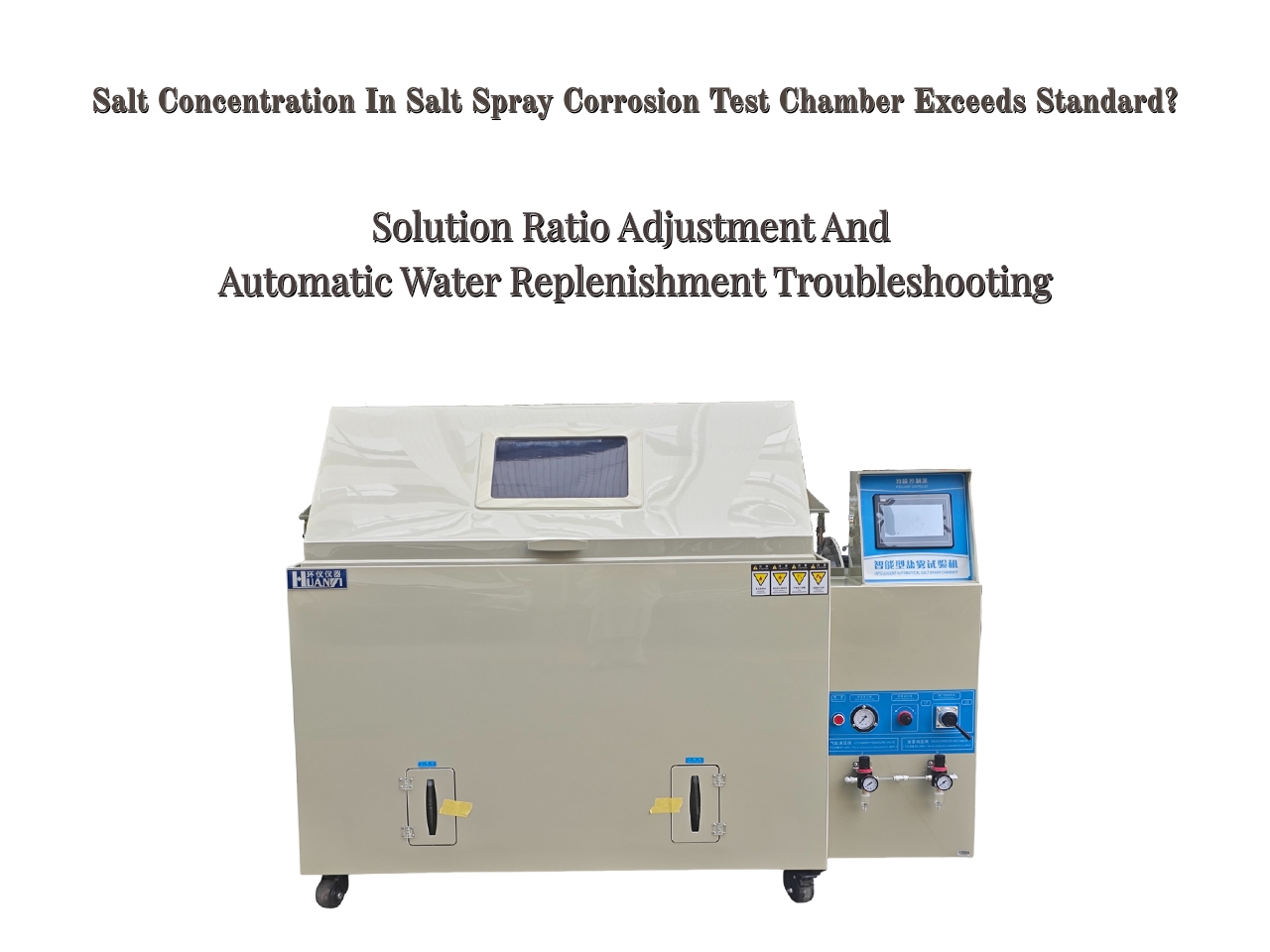
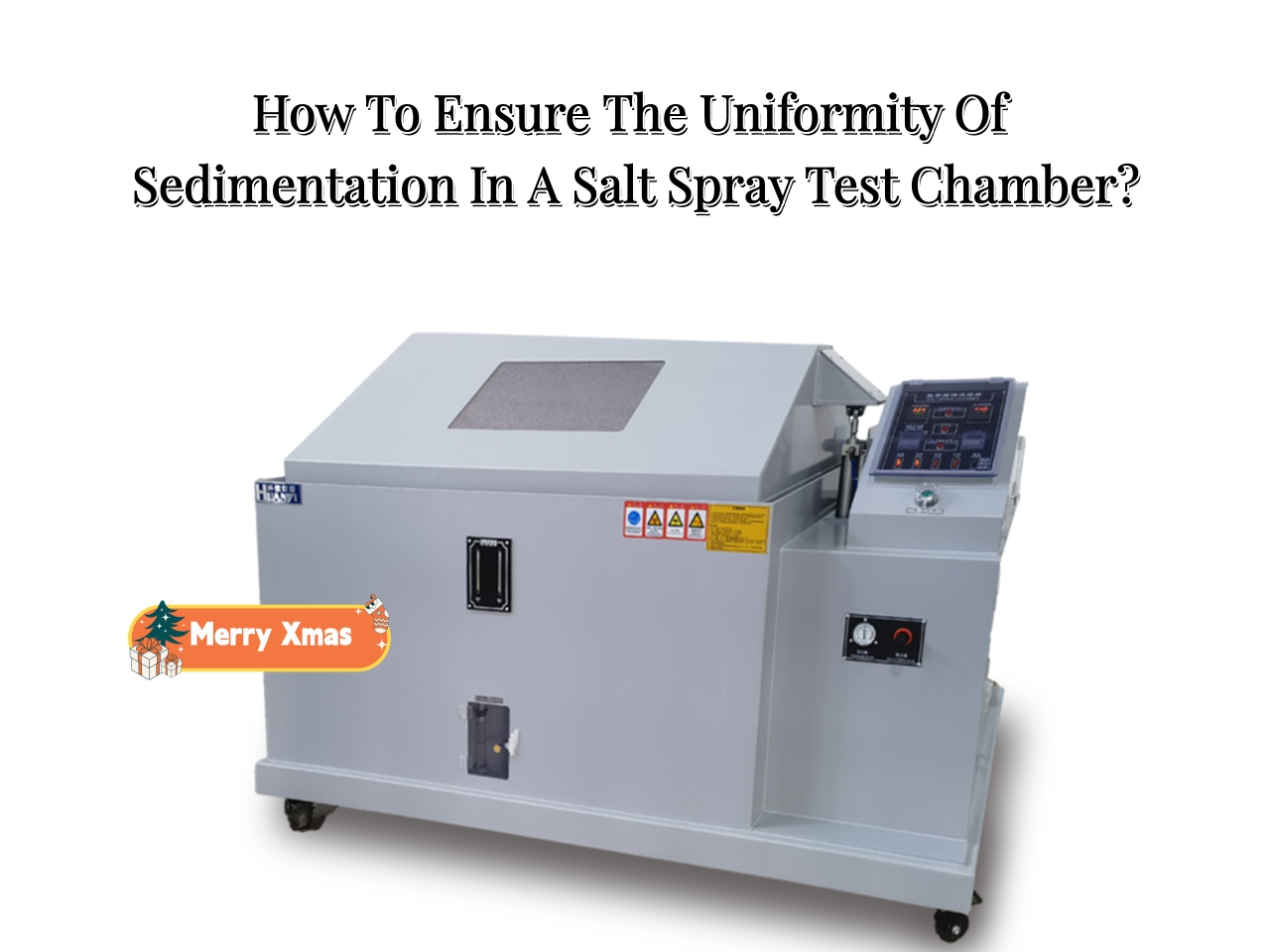
Salt Concentration In Salt Spray Corrosion Test Chamber Exceeds Standard?
The salt concentration in the Salt Spray Corrosion Test chamber is a core factor affecting the accuracy of the test results. If it exceeds the standard, it will accelerate the corrosion rate of the test sample, leading to deviations in the test data and failing to truly reflect the actual corrosion resistance level of the product. This article will delve into the two main reasons for excessive salt concentration.
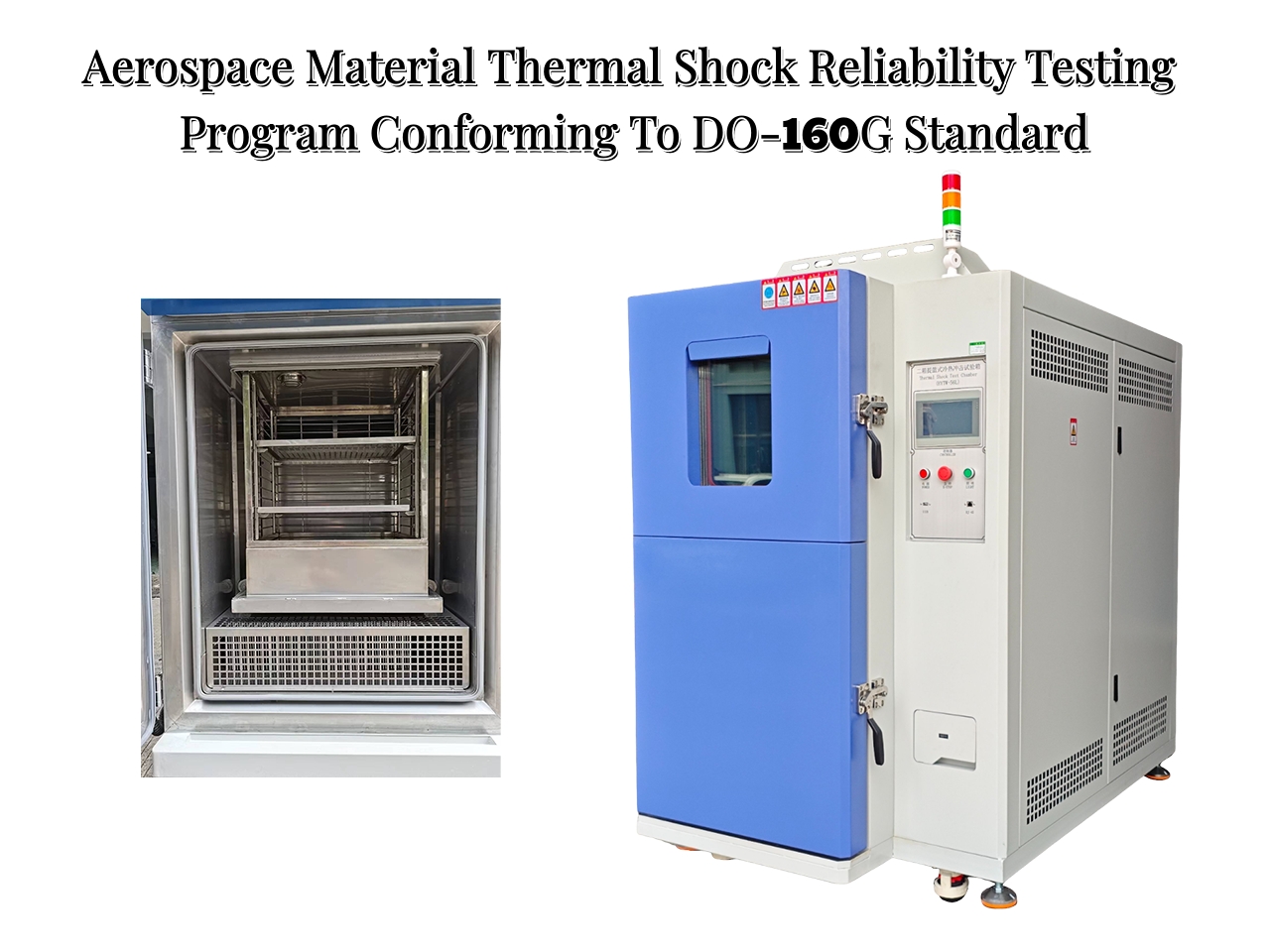
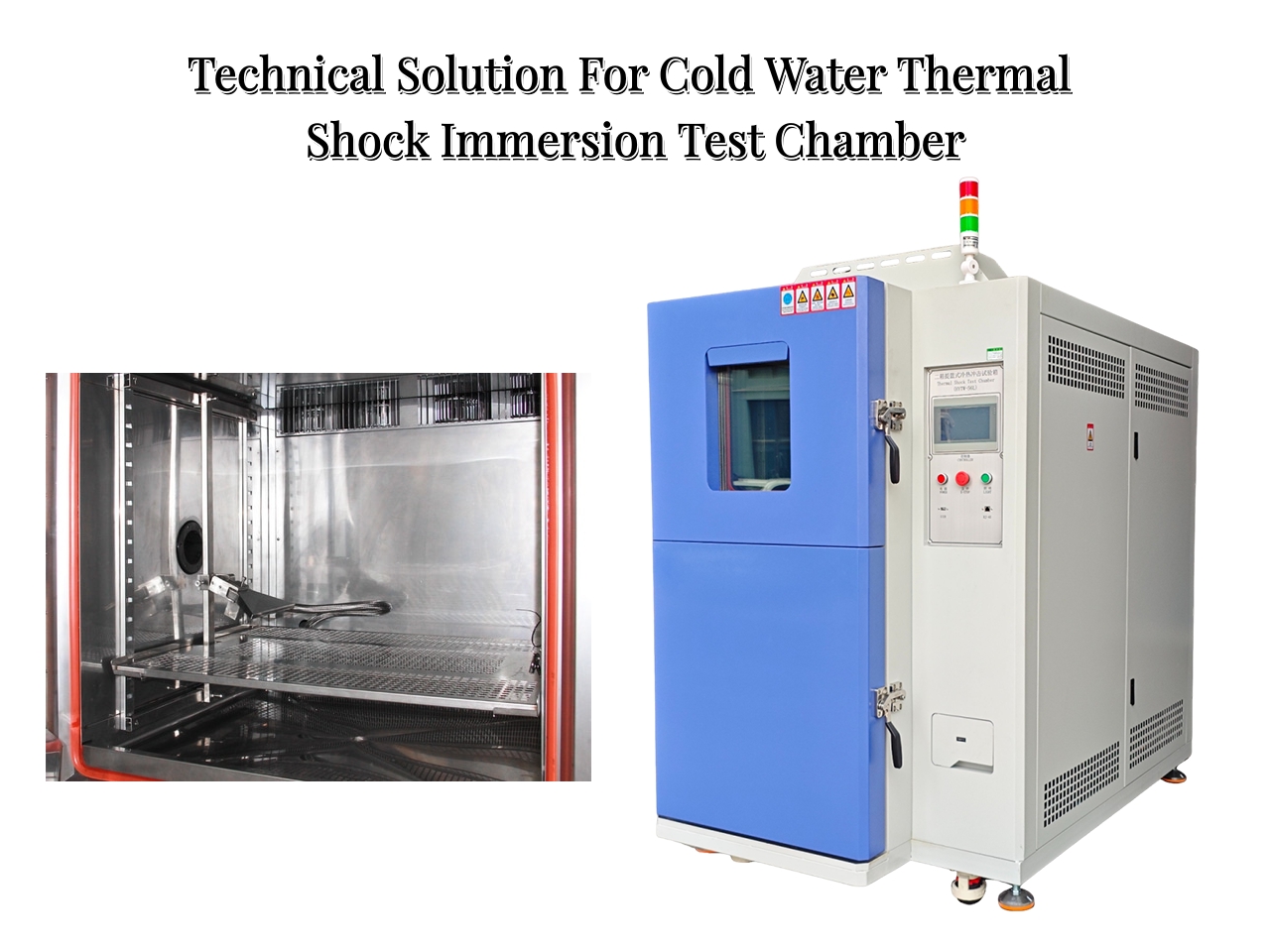
Aerospace Material Thermal Shock Reliability Testing Program Conforming To DO-160G Standard
During the research and development and production of aerospace materials, a series of environmental tests are required to verify their performance. Thermal Shock Chambers are devices used to simulate the response of materials under harsh temperature changes.
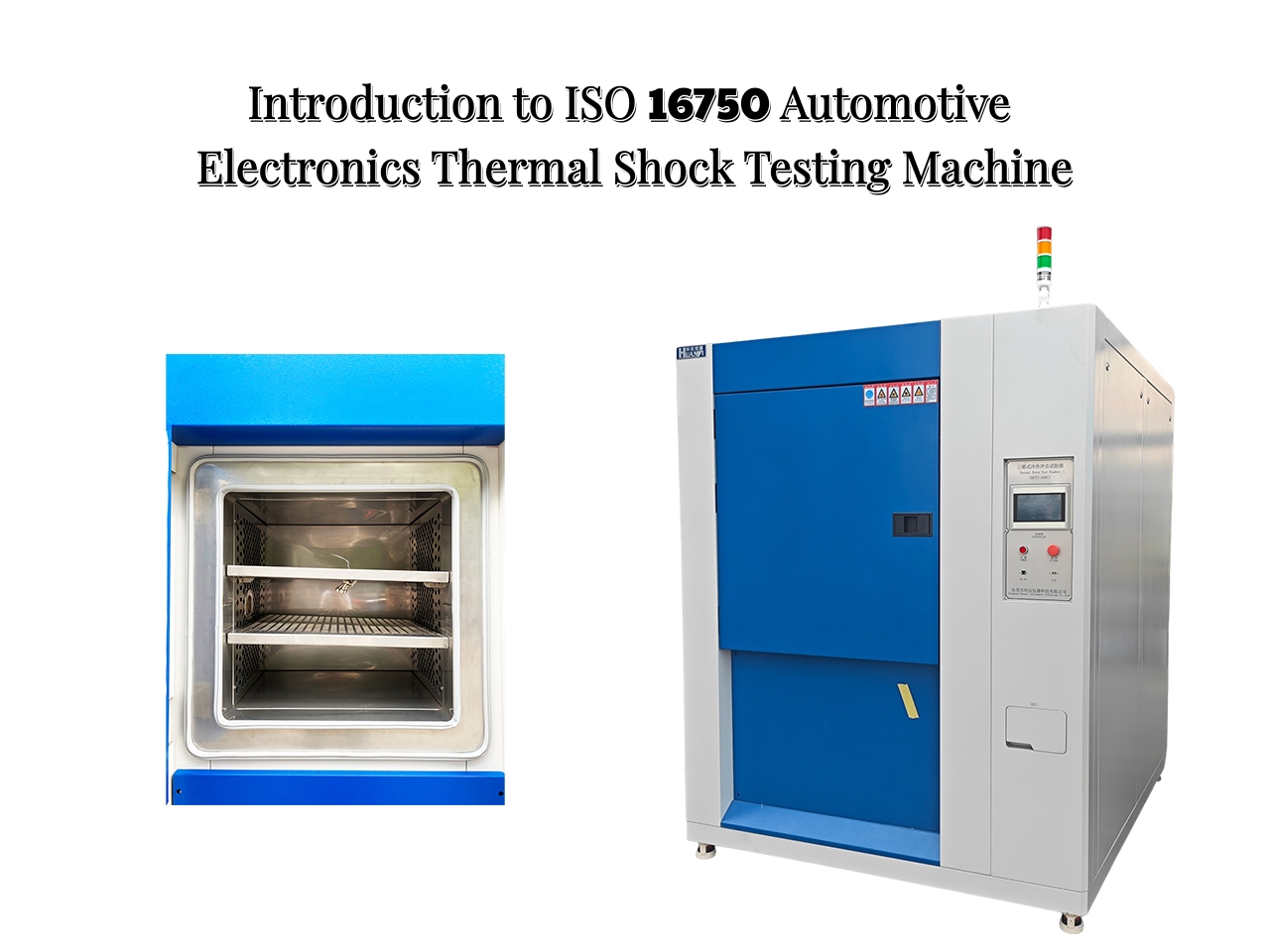
Introduction to ISO 16750 Automotive Electronics Thermal Shock Testing Machine
In the field of reliability verification for automotive electronics, environmental adaptability testing is an important means of evaluating the performance stability of components under harsh temperature conditions. Among them, thermal shock testing, as a key test item, is mainly used to simulate environmental conditions in which products experience drastic temperature changes in a short period of time, in order to verify the reliability of their materials, structure, and functions.
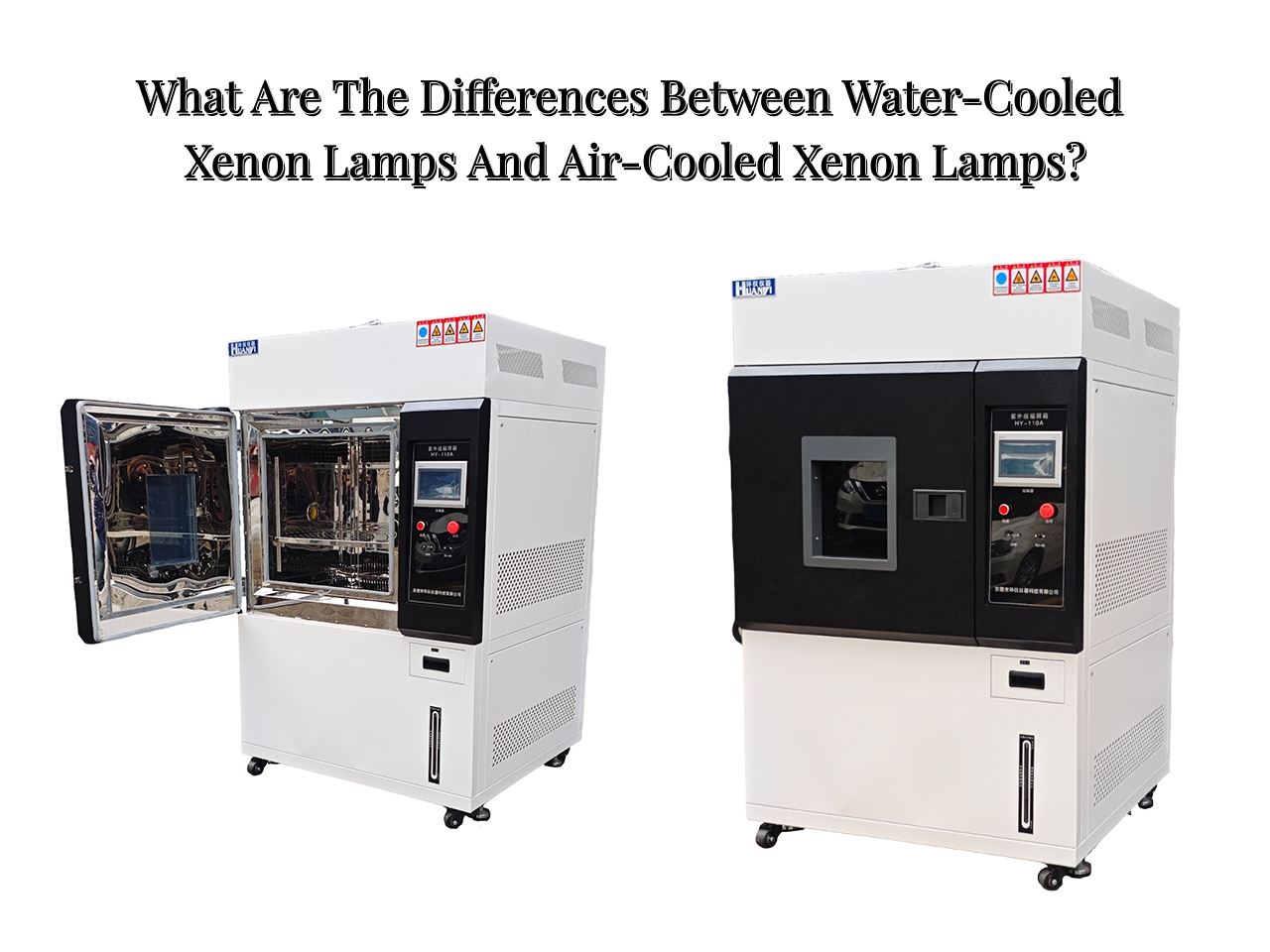
What Are The Differences Between Water-Cooled Xenon Lamps And Air-Cooled Xenon Lamps?
What Are The Differences Between Water-Cooled Xenon Lamps And Air-Cooled Xenon Lamps?
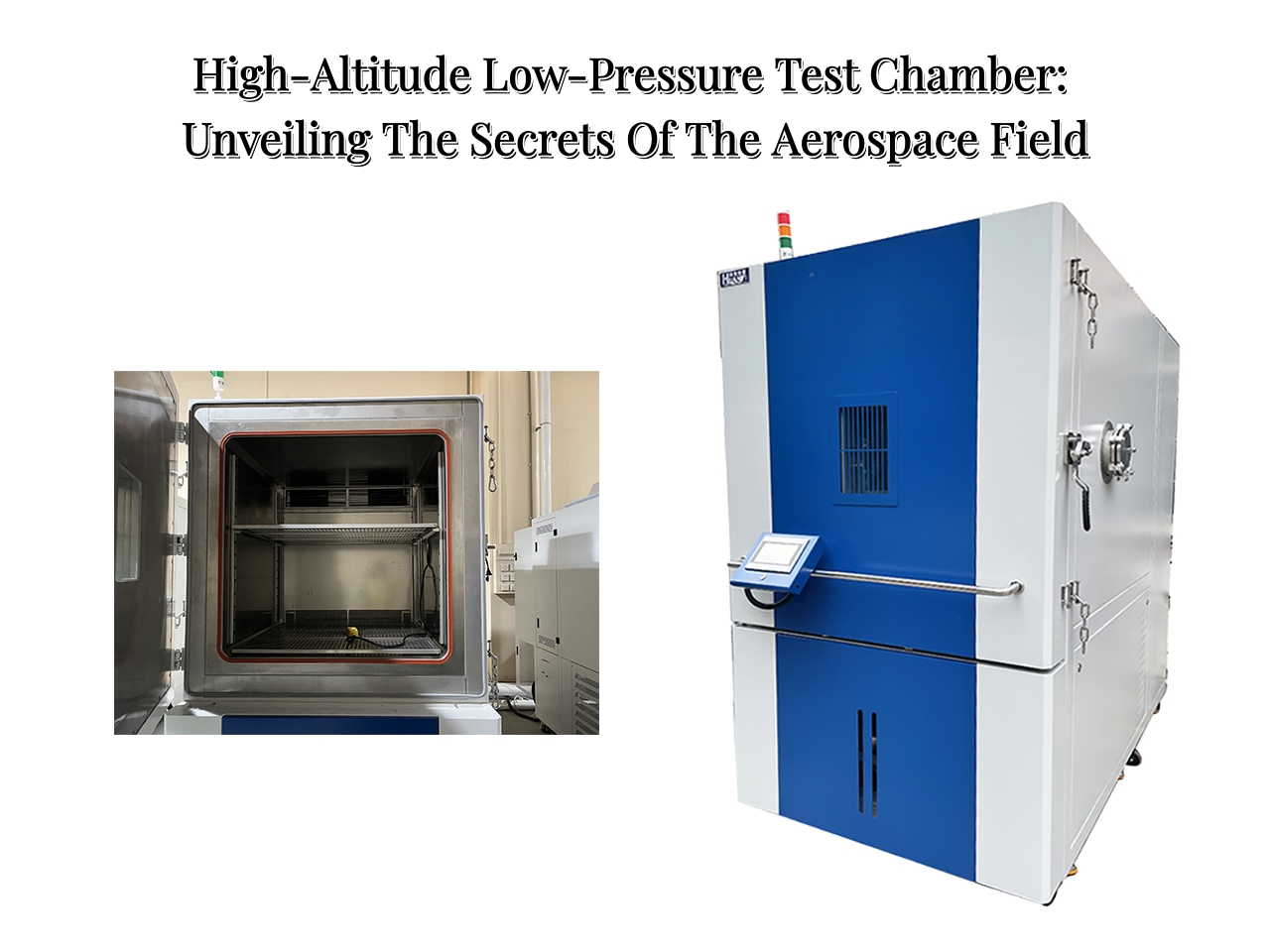
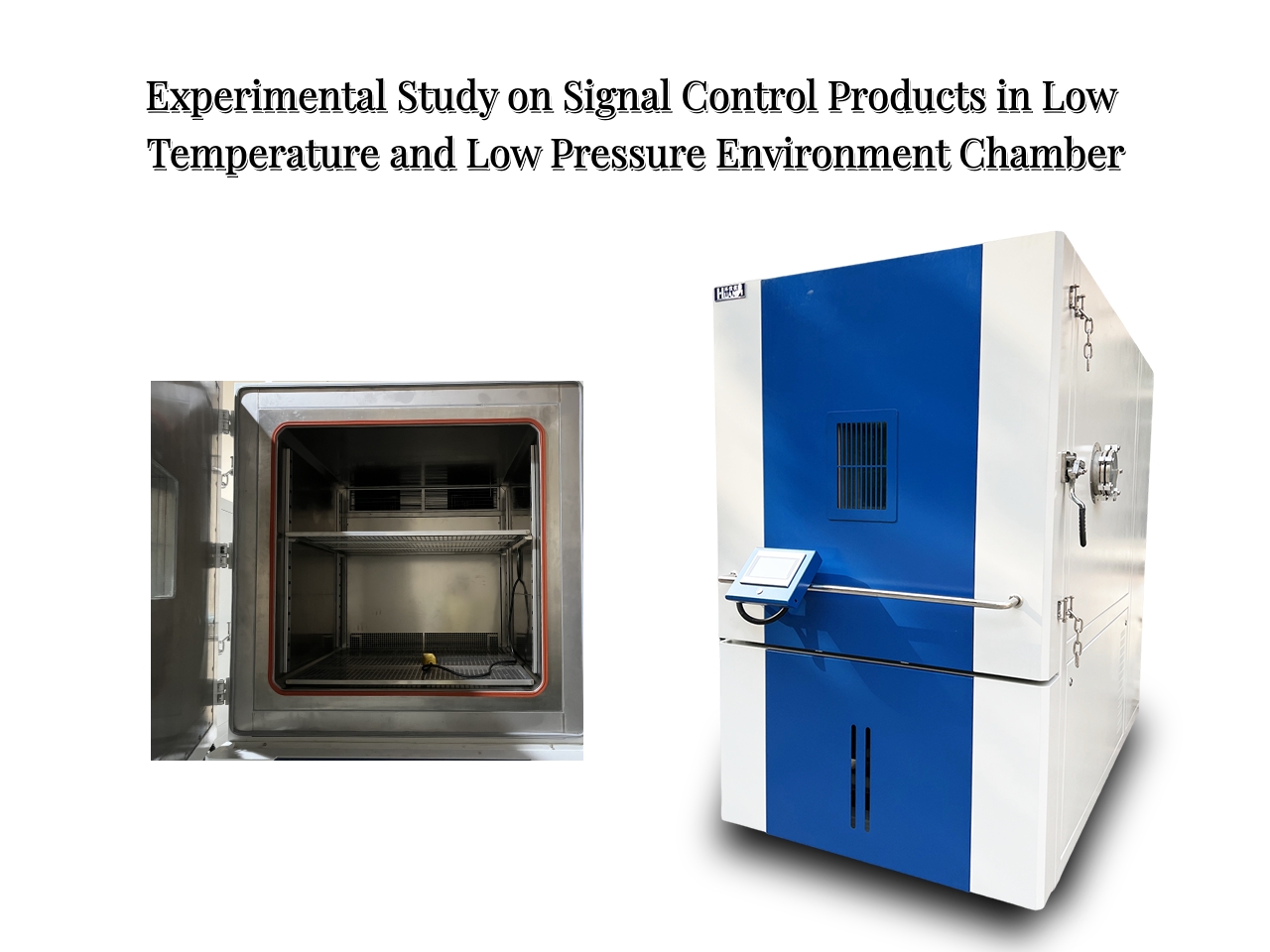
High-Altitude Low-Pressure Test Chamber: Unveiling The Secrets Of The Aerospace Field
High-altitude low-pressure test chambers, as crucial equipment in aerospace and electronic product testing, play a vital role in verifying product performance limits and ensuring flight safety. This article will take you deeper into the mysteries of this high-tech instrument, exploring its underlying scientific principles and practical applications.
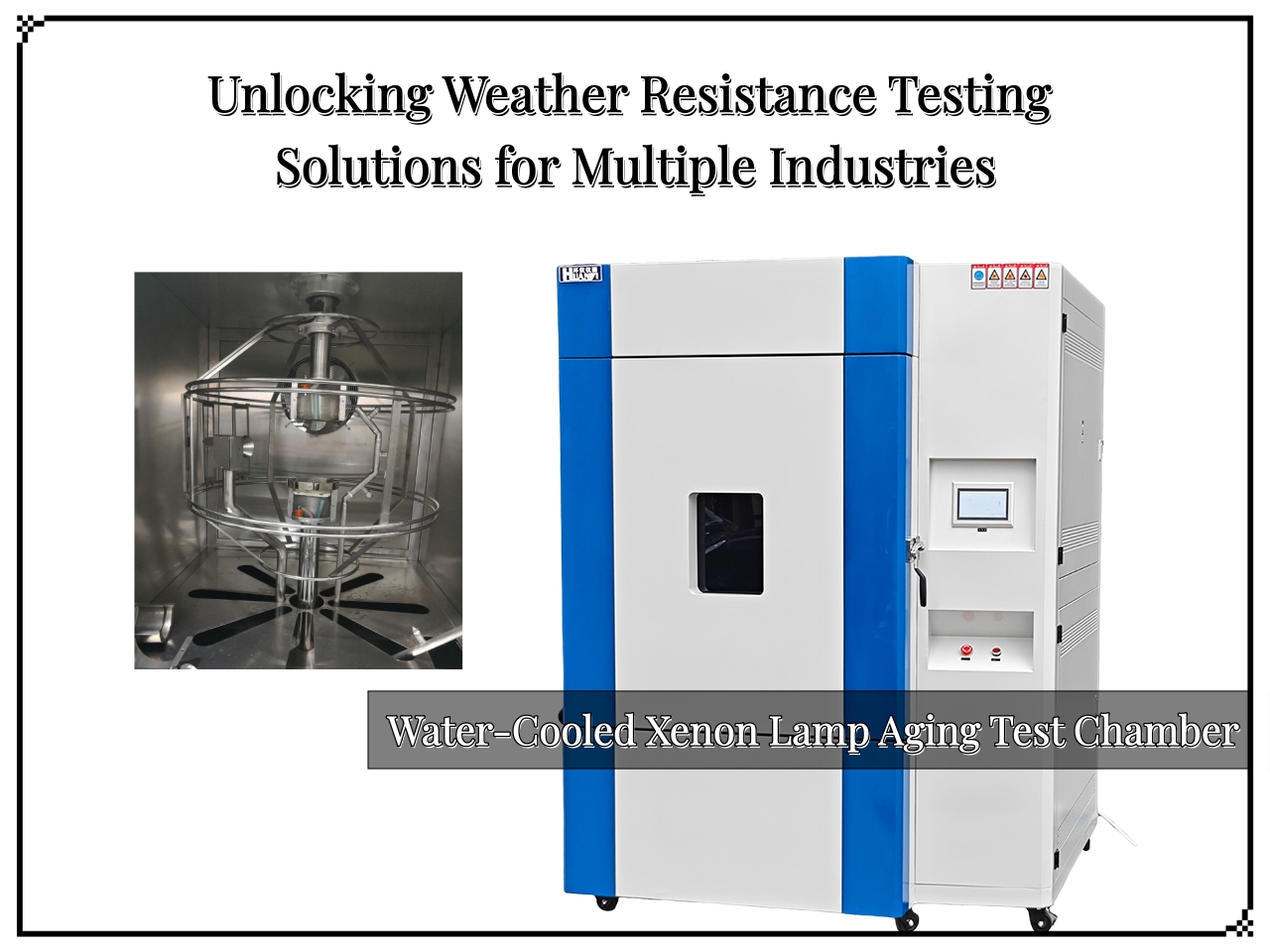
Application Case of Water-Cooled Xenon Lamp Aging Test Chamber: Unlocking Weather Resistance Testing Solutions for Multiple Industries
Outdoor environments, including sunlight, high temperatures, and torrential rain, are hidden killers of material lifespan. The HY-120-YU water-cooled xenon lamp aging test chamber, with its core advantages of simulating natural light across the entire spectrum and precise temperature and humidity control, has become a key device for solving weather resistance testing challenges in various industries.
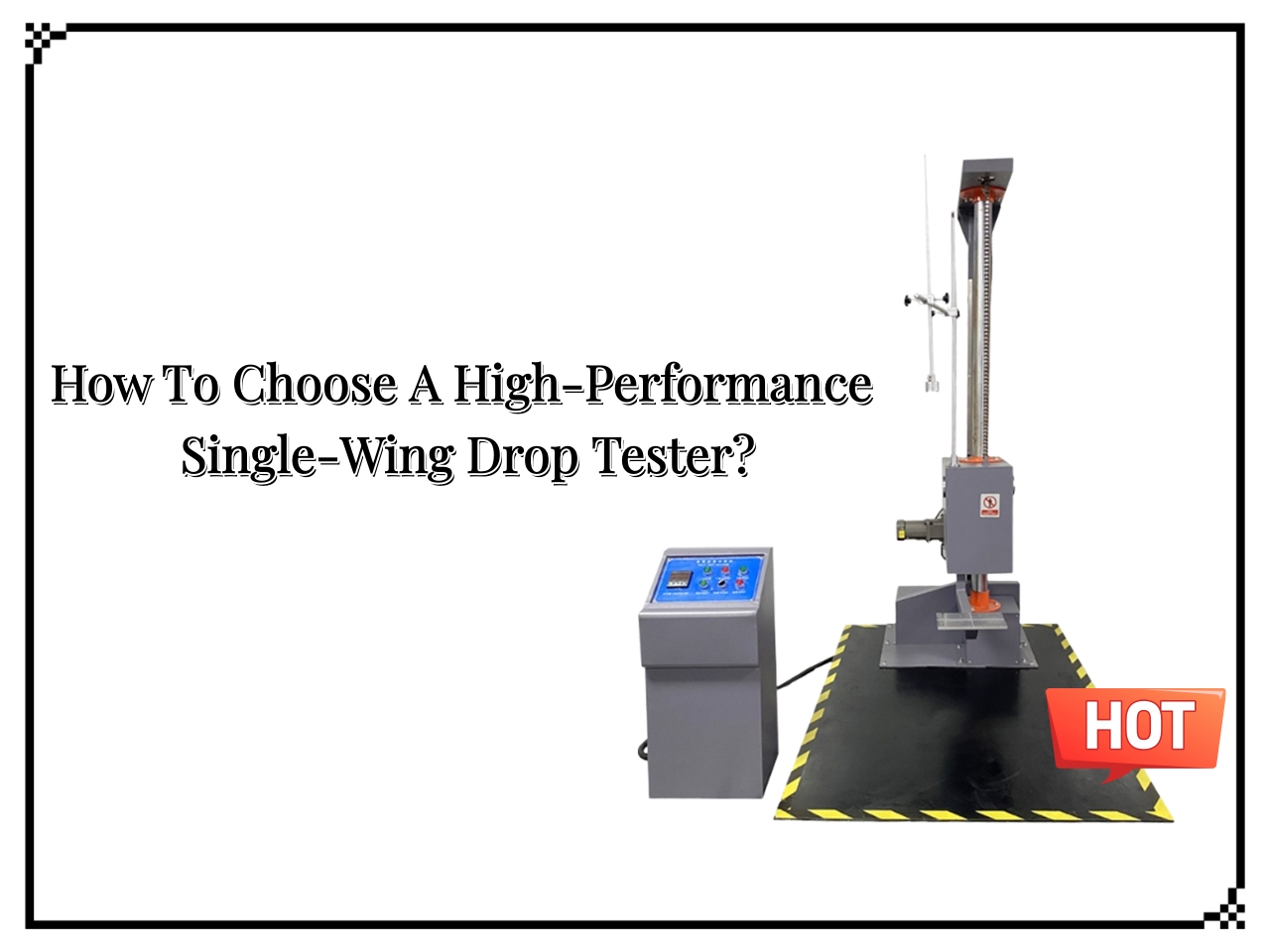
How To Choose A High-Performance Single-Wing Drop Tester?
In the packaging and transportation industry, the single-wing drop tester is a crucial piece of equipment for evaluating the impact resistance of product packaging. By simulating freefalls that products may experience during transportation and handling, it helps manufacturers optimize packaging design and reduce the risk of damage. So, how do you choose a high-performance single-wing drop tester?
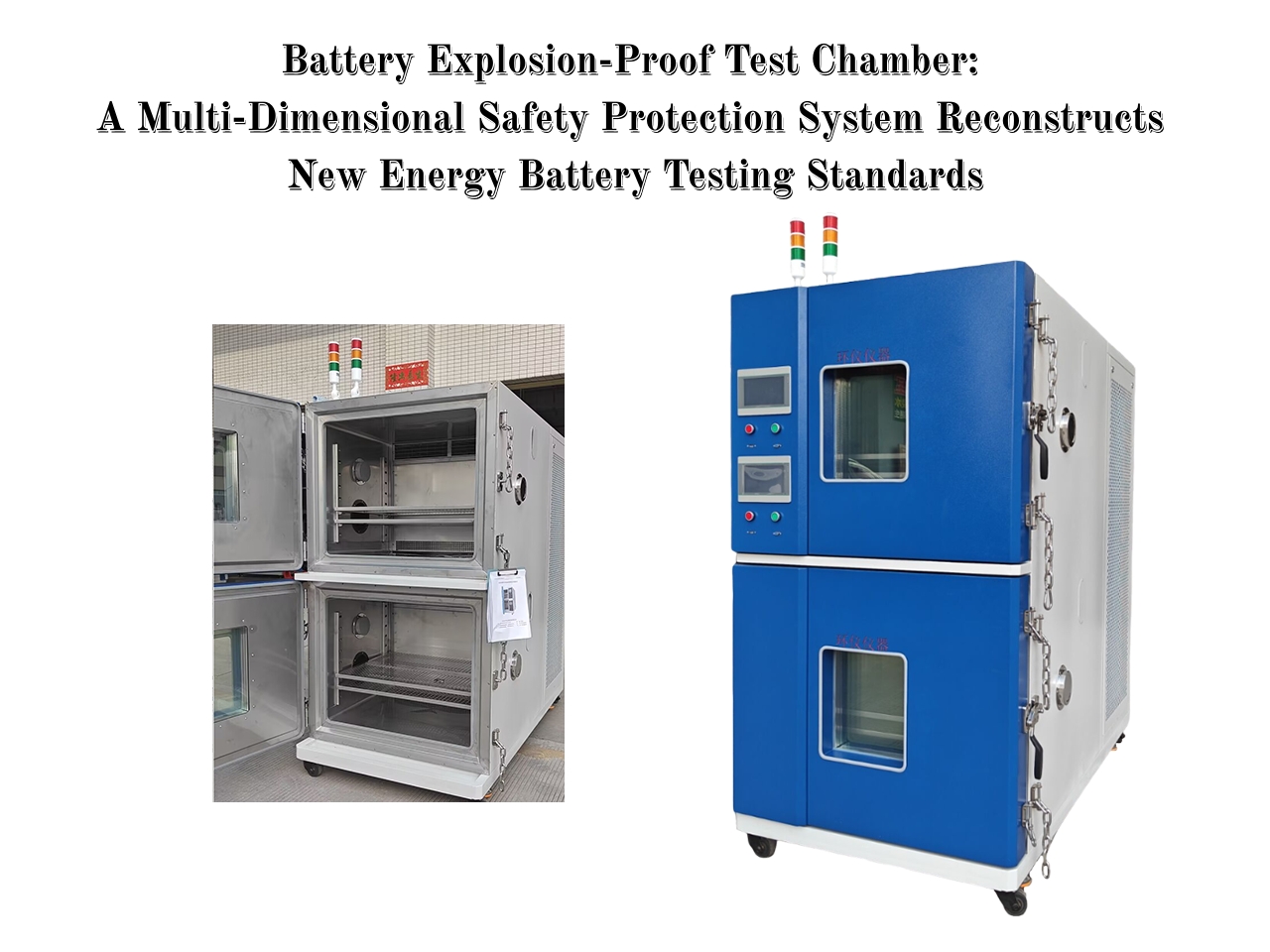
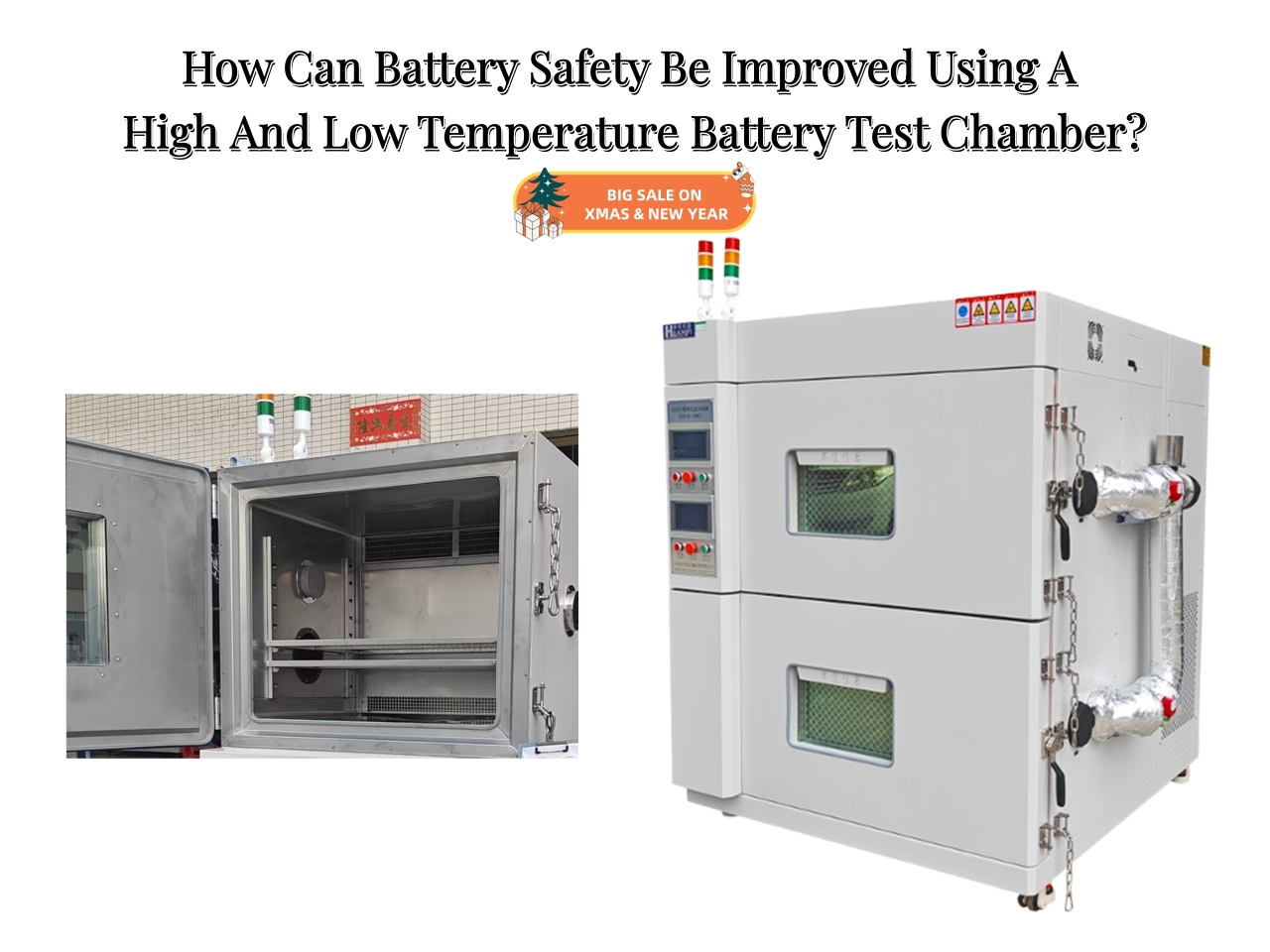
Battery Explosion-Proof Test Chamber: A Multi-Dimensional Safety Protection System Reconstructs New Energy Battery Testing Standards
With the rapid development of new energy vehicles and the energy storage industry, lithium battery safety has received increasing attention from the industry. In battery research and development and quality control, how to safely and reliably conduct tests under various harsh conditions has become a crucial issue for the entire industry chain.