







Aerospace Material Thermal Shock Reliability Testing Program Conforming To DO-160G Standard
During the research and development and production of aerospace materials, a series of environmental tests are required to verify their performance. Thermal Shock Chambers are devices used to simulate the response of materials under harsh temperature change conditions. One of the standards for this testing method is DO-160G, which specifies the environmental conditions and test procedures for avionics equipment. The DO-160G standard, developed by the Aeronautical Radio Technical Committee, aims to ensure the reliable operation of avionics equipment under various environmental conditions.
The thermal shock test primarily evaluates the material's tolerance to rapid temperature changes. During the test, samples are alternately exposed to very high and very low temperatures with short temperature transition times to simulate the drastic temperature changes that may be encountered in real-world applications. This test helps to identify potential defects in materials caused by thermal expansion and contraction, such as cracks, delamination, or performance degradation.
In the DO-160G standard, Thermal Shock Testing is part of temperature change testing. The standard specifies the test conditions in detail, including the temperature range, dwell time, transition time, and number of cycles. The test temperature range is usually determined based on the equipment installation location and the intended operating environment, commonly ranging from -55 degrees Celsius to 85 degrees Celsius, or even harsher conditions. Residence time refers to the duration the sample is held in a high- or low-temperature environment to ensure temperature stability. Transition time must be rapid, typically no more than 5 minutes, to simulate sudden temperature changes. The number of cycles depends on the expected lifespan of the equipment and the severity of the environment, and can range from a few to hundreds.
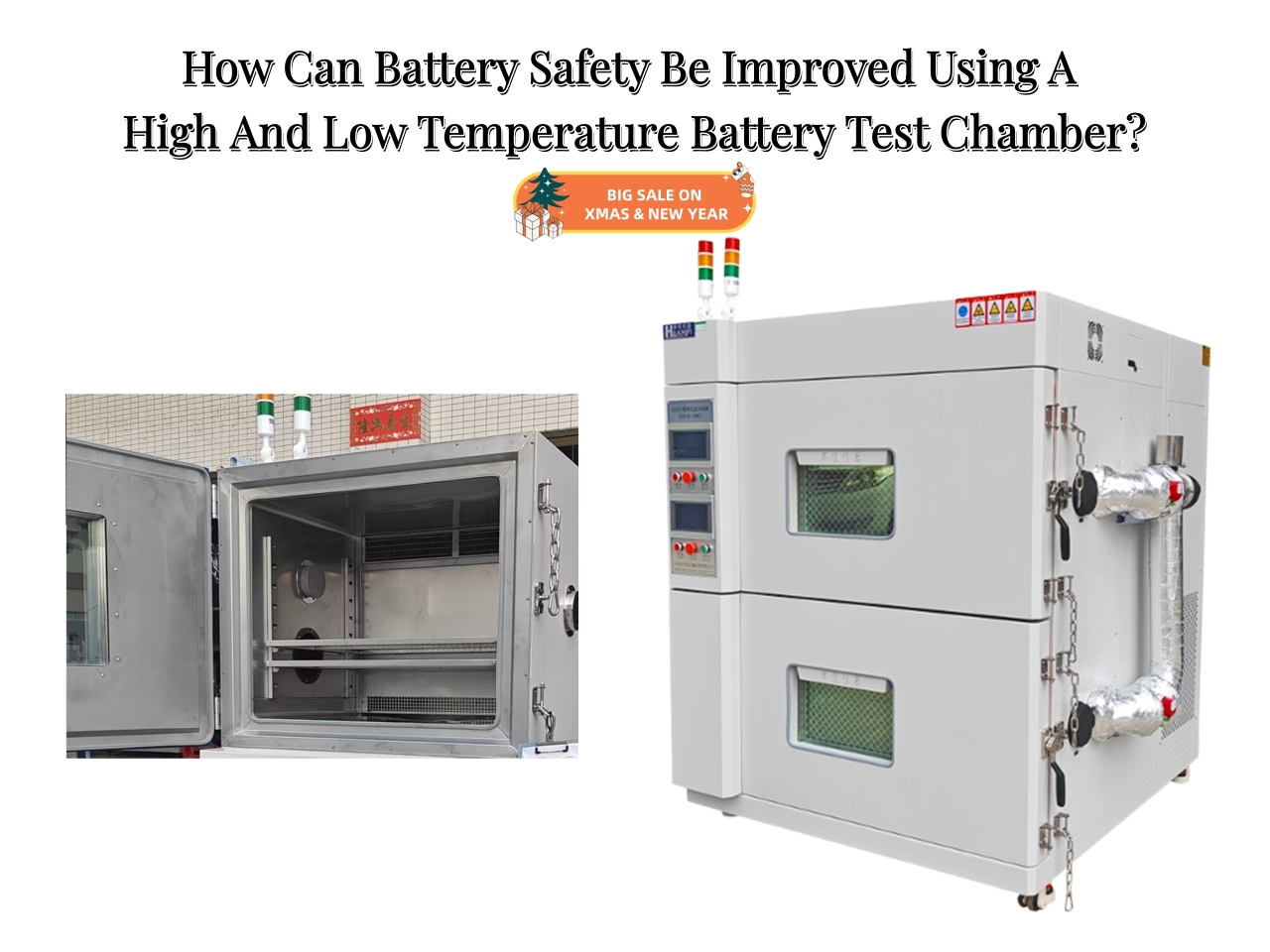
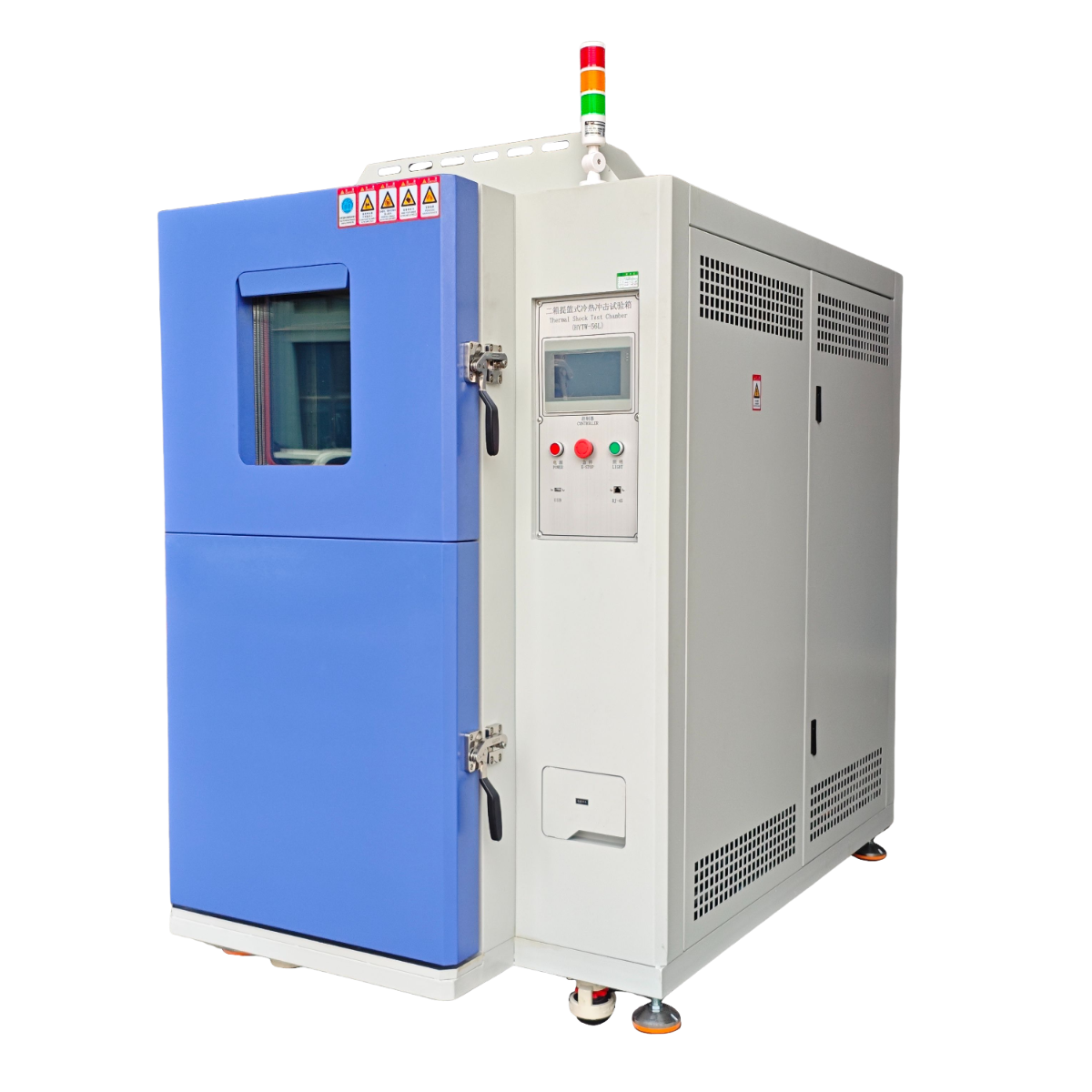
The thermal shock chamber must be capable of rapid temperature changes, reaching and maintaining the set temperature within a short time. The chamber structure is typically made of stainless steel and includes sample racks to accommodate samples of different sizes. The temperature control system precisely regulates the chamber temperature and monitors and records temperature changes and sample responses. Safety measures include over-temperature protection and emergency shutdown functions to ensure a safe and reliable testing process.
Sample preparation must represent actual materials used, and the size and shape must meet testing requirements. Sample installation should simulate actual installation conditions to avoid additional stress affecting test results. Before testing, samples undergo an initial inspection, recording appearance and performance parameters. During testing, samples are exposed to thermal cycling, with periodic checks of appearance changes and performance indicators. After testing, samples undergo a final inspection, comparing the initial and final states to assess material resilience.
Test result analysis includes visual inspection, performance testing, and data analysis. Visual inspection observes samples for cracks, deformation, or other damage. Performance testing measures changes in electrical or mechanical properties, such as conductivity, strength, or elasticity. Data analysis statistically analyzes test data, calculates the rate of change or degree of degradation, and determines whether the material meets requirements.
The DO-160G standard also covers other environmental tests, such as temperature and altitude, humidity and heat, vibration, and shock tests. These tests, combined with thermal shock testing, provide excellent evaluation of material performance. The standard requires test reports to record test conditions, processes, and results in detail, providing traceable records.
The application scope of thermal shock testing for aerospace materials includes fuselage structures, engine components, electronic equipment, and interior materials. Fuselage materials must withstand alternating changes in high-altitude low temperatures and ground high temperatures. Engine materials face the impact of high-temperature exhaust gases and cold air. Electronic equipment circuit boards and polymer materials must operate stably in different temperature environments. Interior materials such as seats and panels must maintain performance and appearance.
The importance of testing lies in ensuring aviation safety. Material failure can lead to equipment malfunctions, affecting flight safety. Thermal shock testing allows for the early detection of potential problems, enabling improvements in material design and manufacturing processes. Testing also helps reduce maintenance costs, extend material lifespan, and improve economic efficiency.
Testing challenges include equipment accuracy, sample representativeness, and testing costs. Thermal shock chambers require high-precision temperature control to ensure consistent testing conditions. Samples must represent mass-produced materials to avoid deviations. Testing costs are high, including equipment investment, energy consumption, and time commitment, but these investments are necessary relative to aviation safety.
Future development trends include testing equipment automation, standard updates, and material innovation. Automation improves testing efficiency and consistency. Standards are updated with technological advancements to adapt to new environmental requirements. New materials, such as composites and nanomaterials, require new testing methods to verify their performance.
Thermal shock chamber testing of aerospace materials, according to the DO-160G standard, is an important method for verifying the temperature resistance of materials. The testing process is rigorous, and the results are reliable, helping to ensure aviation safety and material reliability.
1. Thermal shock testing simulates severe temperature changes to assess the resistance of aerospace materials, with testing conditions specified according to the DO-160G standard.
2. Testing equipment requires high-precision temperature control, sample preparation must represent actual use, and the testing process includes initial checks, exposure cycles, and final evaluation.
3. Test results analysis reveals changes in appearance and performance, with a wide range of applications, ensuring aviation safety, and future trends including automation and standard updates.