



Aging Test Chamber: A Smart Choice to Shorten R&D Cycles And Reduce Quality Risks
In today's fiercely competitive market, product quality has become fundamental to a company's survival. Whether it's electronics, auto parts, building materials, or daily consumer goods, durability and reliability directly impact brand reputation and market performance. Aging Test Chambers, as a crucial tool in modern quality control systems, are helping more and more companies achieve a dual improvement in R&D efficiency and product quality.
I. Why Do Companies Need Aging Test Chambers?
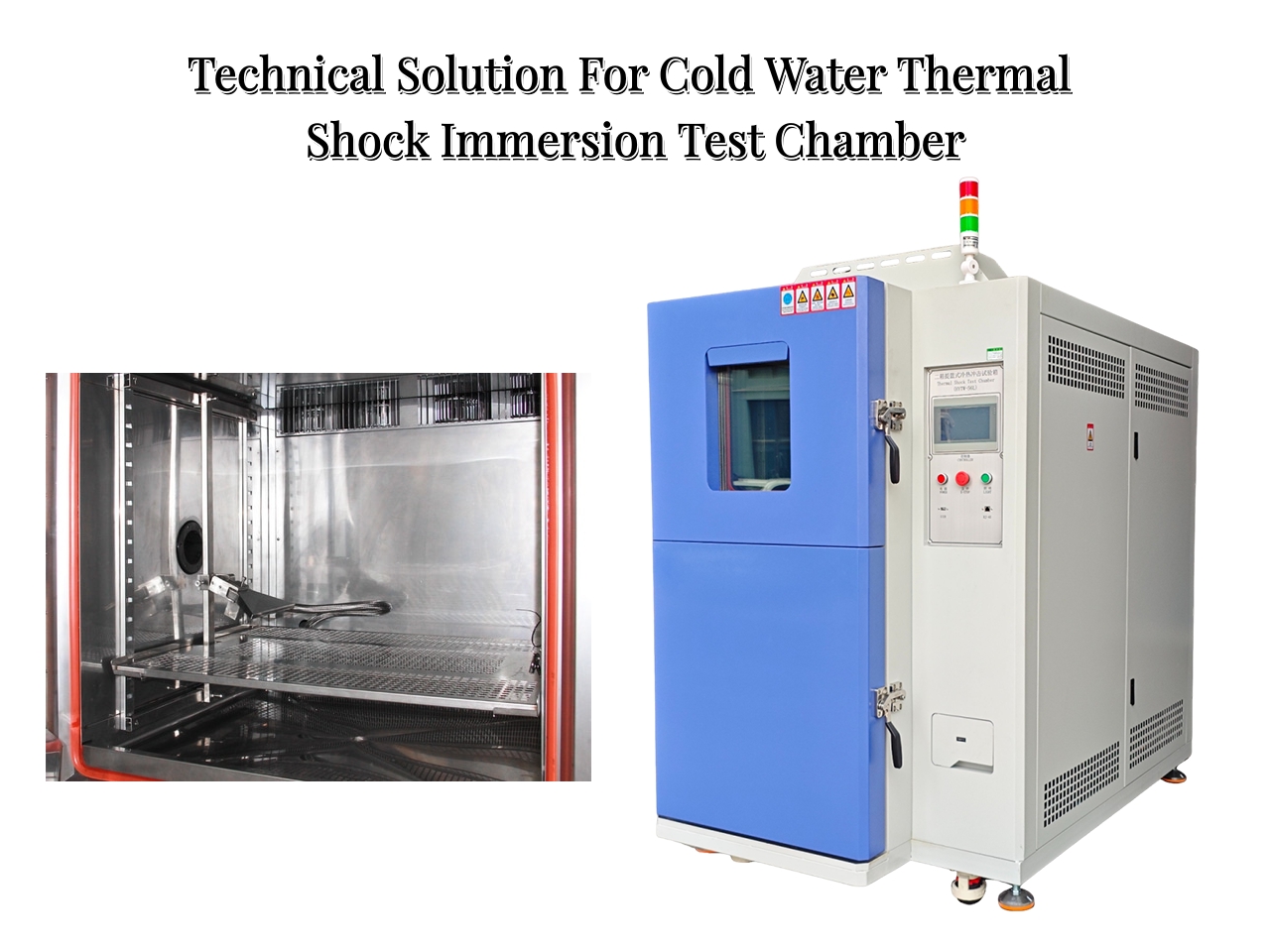
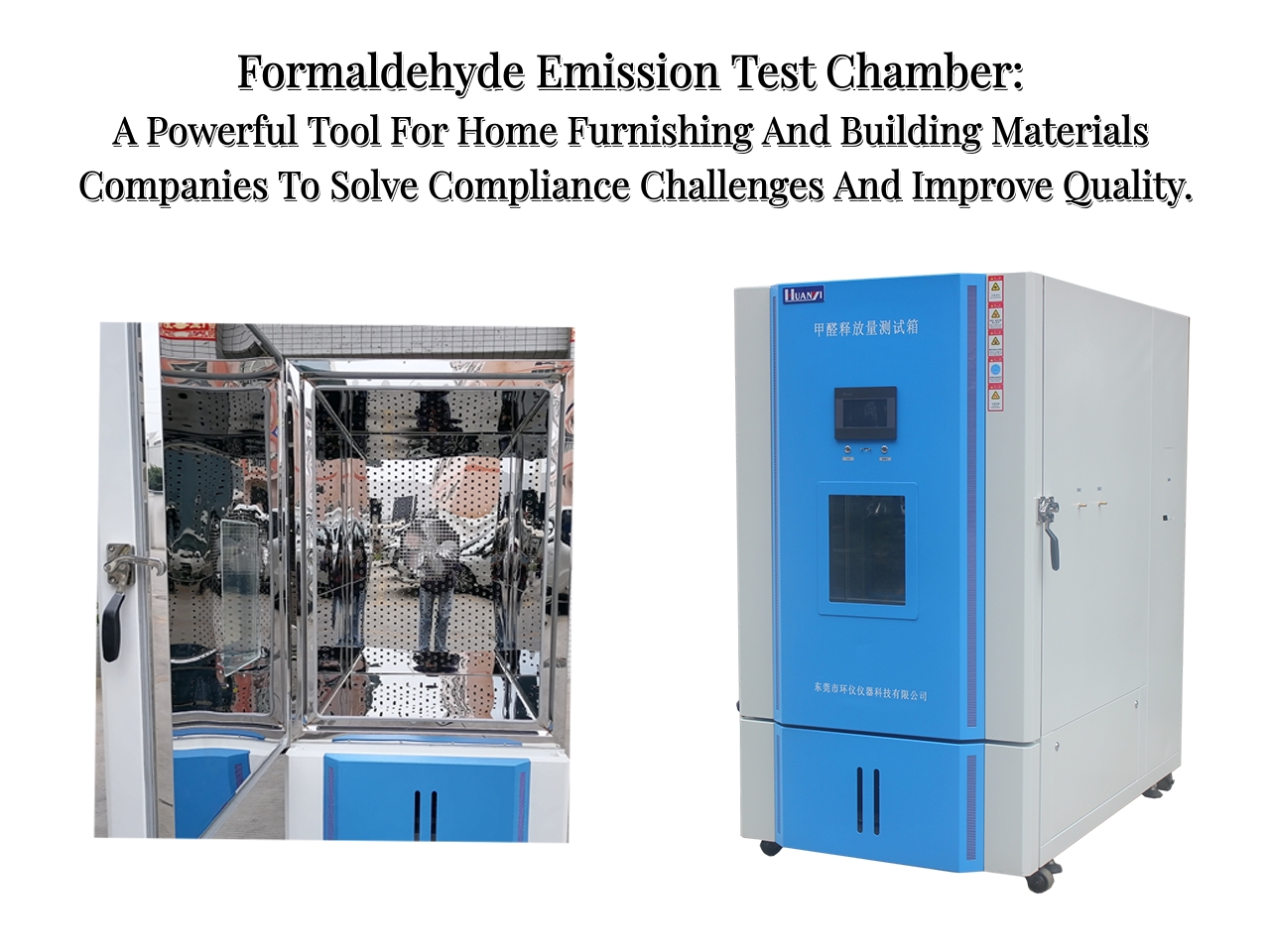
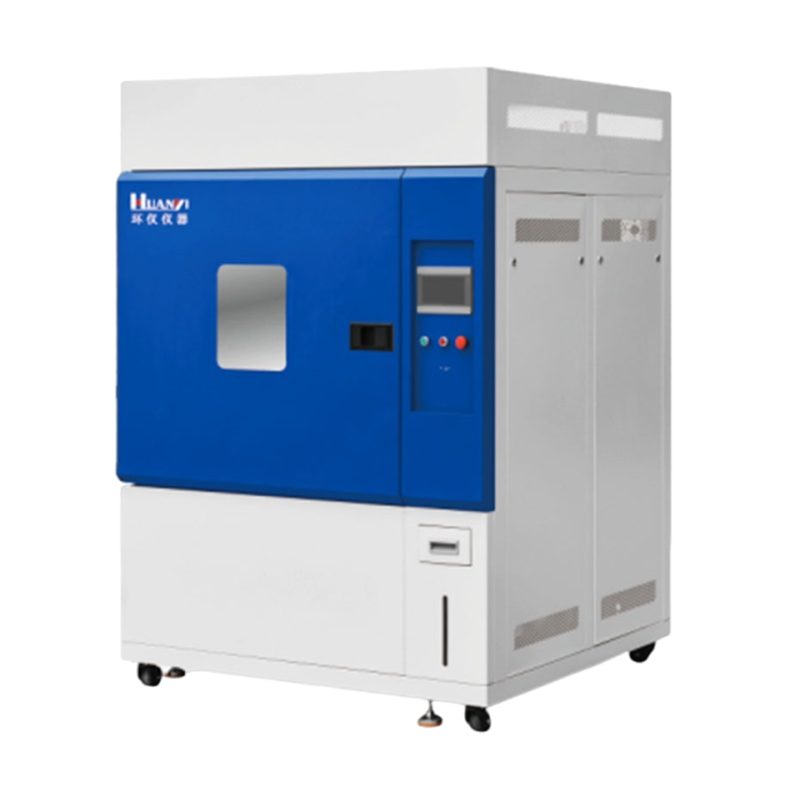
Traditional new product development often faces a dilemma: either spend months or even years conducting natural aging tests, or risk shortening the testing cycle and incurring quality risks. Aging test chambers solve this problem. By precisely simulating environmental factors such as ultraviolet radiation, temperature, humidity, and salt spray, it can reproduce the state of a product after years of use in just a few weeks, allowing R&D teams to quickly identify problems and optimize designs.
II. Core Advantages of Aging Test Chambers
Revolutionary Improvement in Time Efficiency
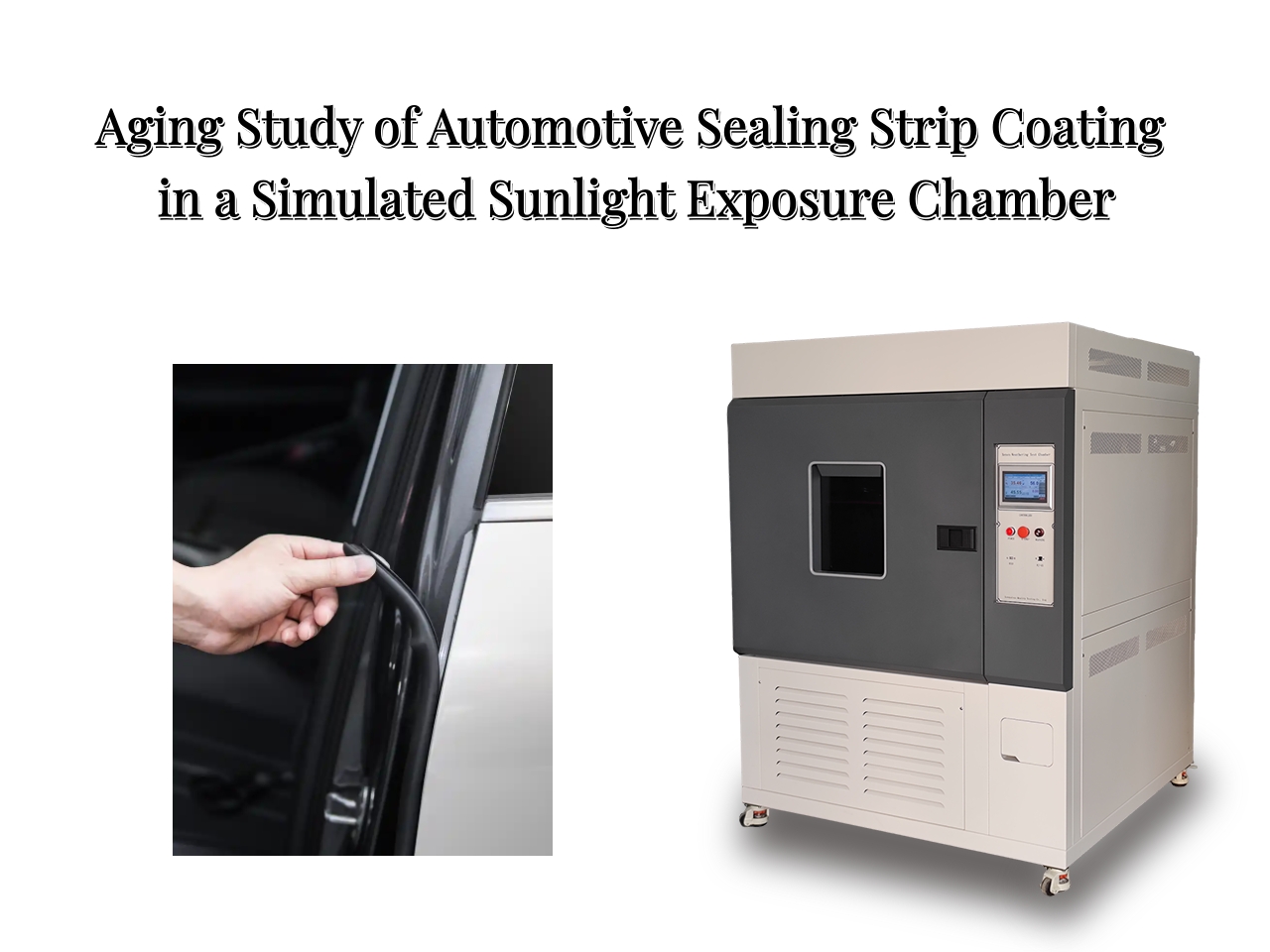
Aging test chambers can accelerate the aging process of materials under controlled conditions. For example, by enhancing ultraviolet irradiation and temperature and humidity cycling, the effects of months of outdoor sunlight can be simulated in a week. This time compression effect allows companies to bring products to market faster and seize opportunities.
Precise and Controllable Testing Conditions
Compared to natural environment testing, aging test chambers provide highly consistent testing conditions. Temperature can be accurate to ±0.5℃, light intensity can be stably maintained, and humidity control error does not exceed ±3%. This precision ensures the repeatability and comparability of test results, providing a reliable basis for product improvement.
Comprehensive Simulation of Multiple Environmental Factors
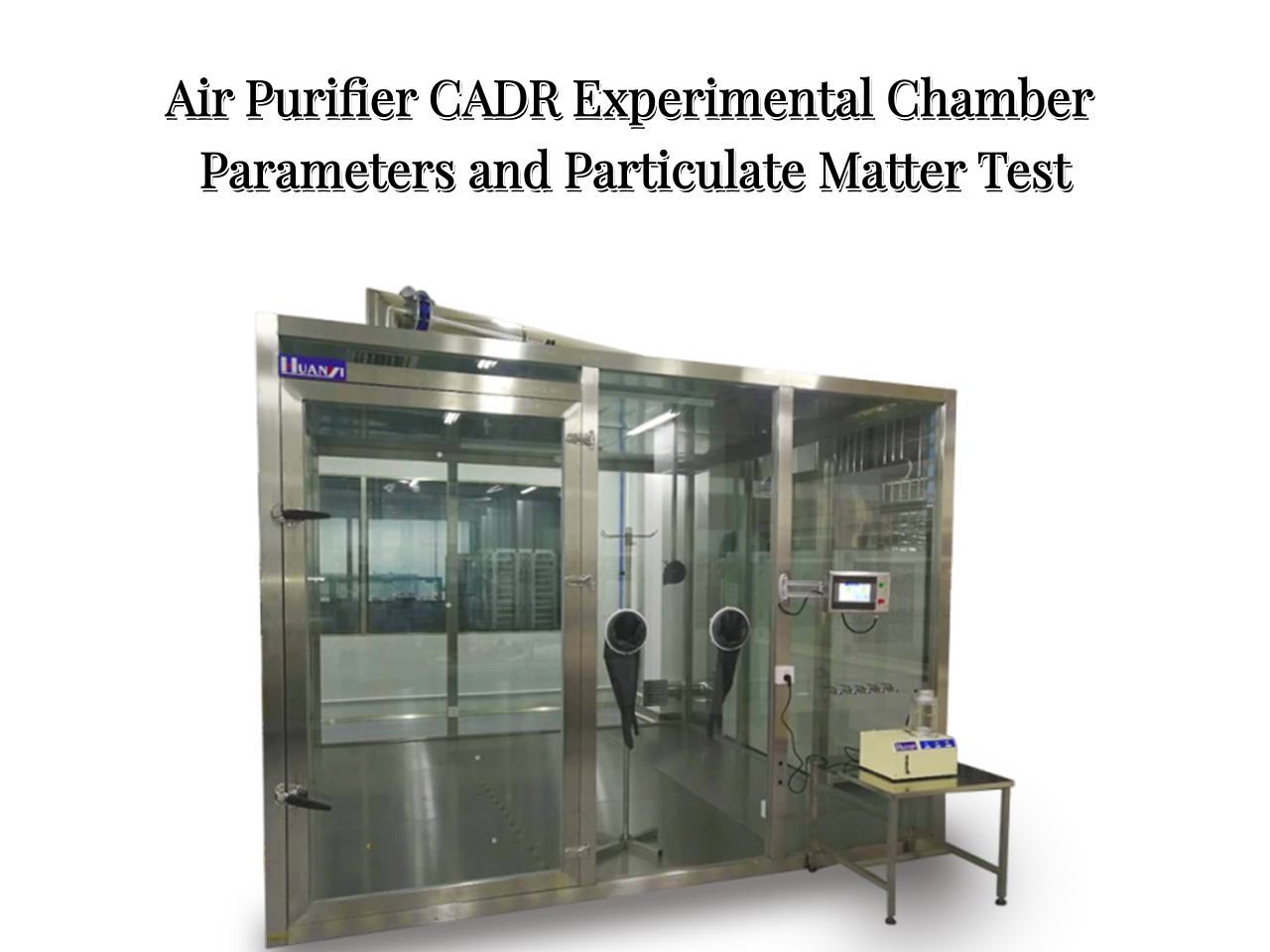
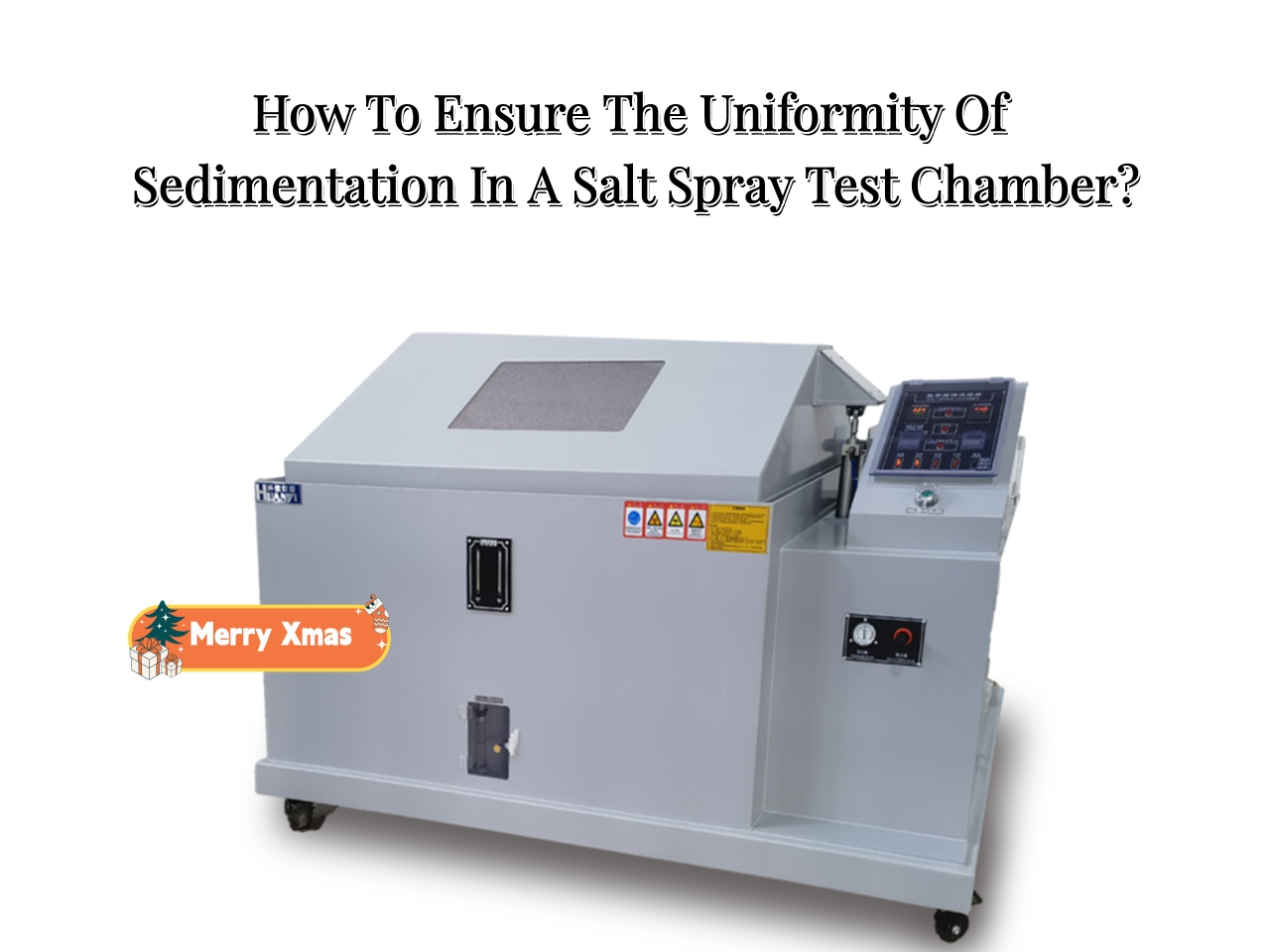
Modern aging test chambers can perform combined testing of multiple environmental factors. For example, they can simultaneously simulate the high temperature and humidity of tropical regions, the strong ultraviolet radiation of desert regions, and the salt spray corrosion of coastal regions, comprehensively evaluating the product's performance under various harsh conditions.
Early Prevention of Quality Risks
By fully exposing potential problems during the R&D stage, aging test chambers can help companies avoid quality accidents after mass production. Statistics show that the rectification cost of quality problems discovered later in product development is often 10-100 times that of those discovered earlier.
III. Investment Value Analysis of Aging Test Chambers
When considering purchasing aging test chambers, many enterprises primarily focus on equipment costs. However, a more prudent approach involves conducting a comprehensive return-on-investment analysis:
R&D Cost Savings: Shortened development cycles translate to reduced labor investment and faster market returns.
Quality Cost Reduction: Lower expenses related to after-sales maintenance, returns, and replacements.
Enhanced Brand Value: Reliable product quality fosters superior market reputation
Compliance Assurance: Meets industry standards and regulatory requirements, mitigating penalty risks
Take a mid-sized aging test chamber priced between ¥150,000–300,000 as an example. Avoiding a single batch quality incident could yield cost savings far exceeding the equipment investment. This explains why increasing numbers of enterprises view aging test chambers as essential quality investments rather than optional testing equipment.
IV. How to Select the Right Aging Test Chamber?
When choosing an aging test chamber, businesses should consider these key factors:
Test Requirement Alignment: Determine necessary test conditions (UV, temperature, humidity, salt spray, etc.) based on actual product usage environments
Equipment Performance Parameters: Focus on core metrics like temperature range, temperature control accuracy, and light intensity
Brand and Service: Select reputable manufacturers with comprehensive after-sales support systems
Scalability: Account for potential future changes in testing requirements