



Air Purifier Test Chamber: Function and Application Guide
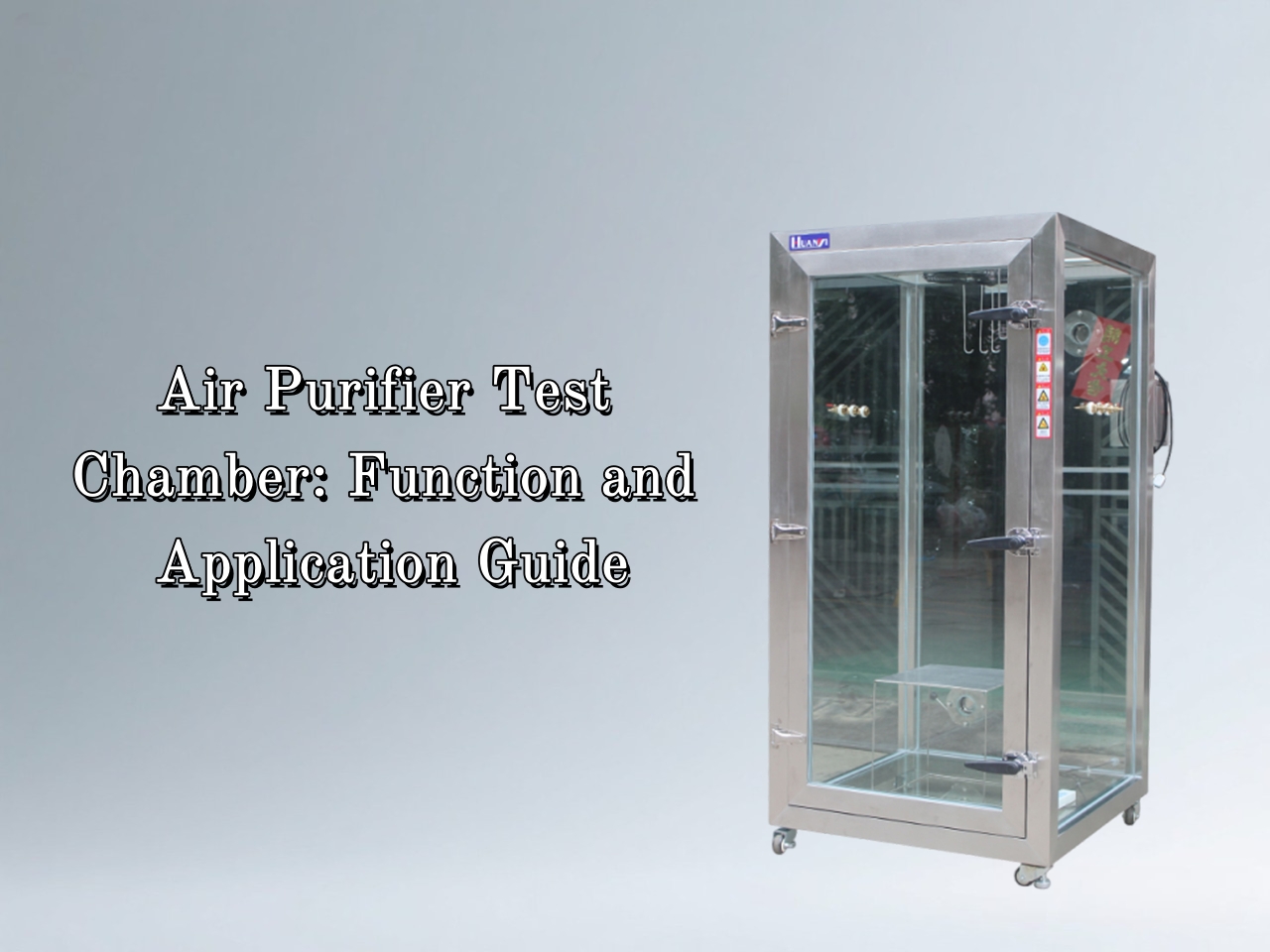
The Air Purifier Test Chamber is an important tool for testing the performance of indoor air purification products. It can simulate the real living environment and accurately evaluate the purification capacity of the air purifier.
I. Basic structure
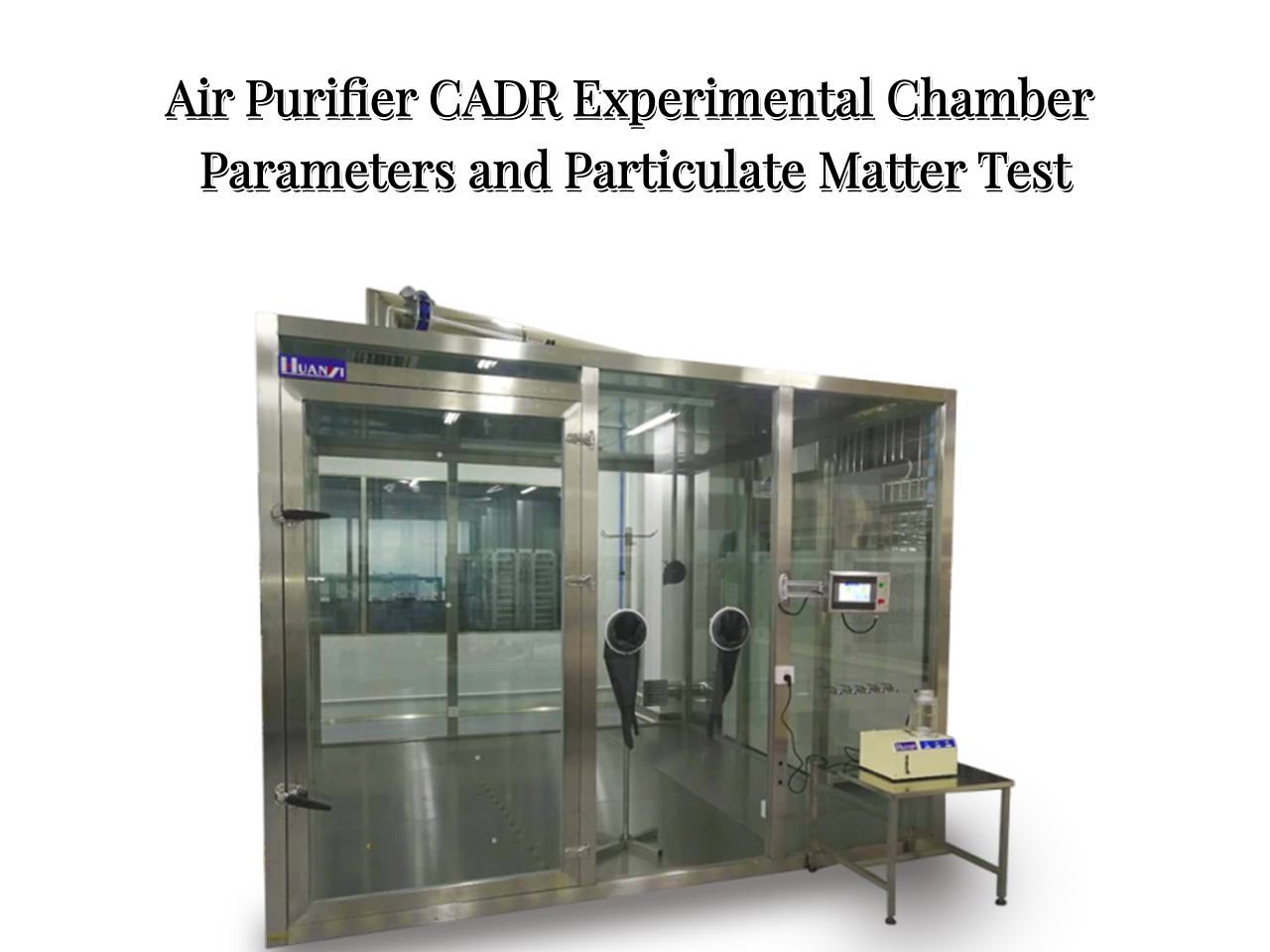
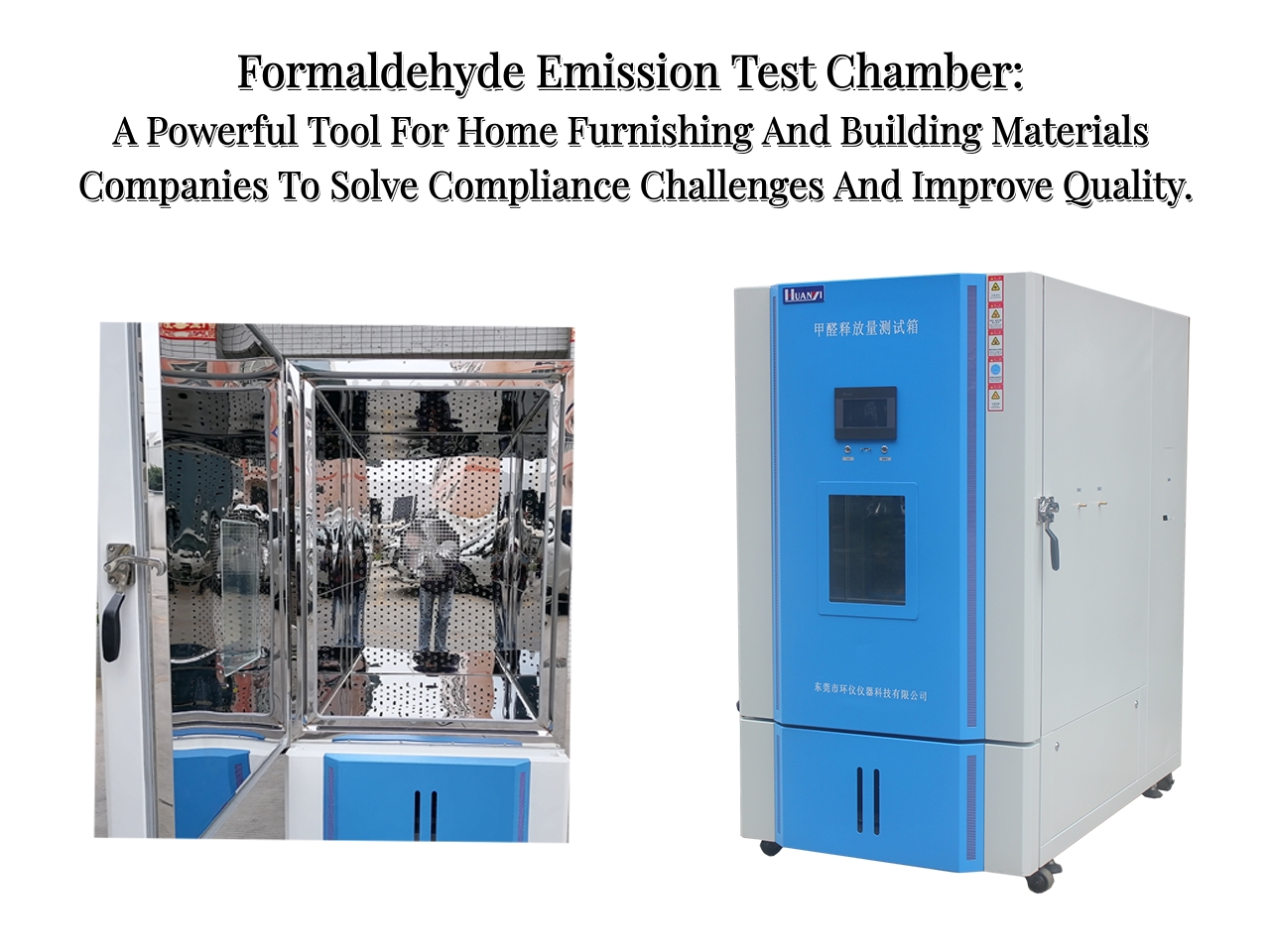
The air purifier test chamber is mainly composed of the chamber, air purification and temperature and humidity control system, air sampling system, pollution source generation device and other parts. The test chamber should use sealed, inert, low-release and low-absorption materials, usually stainless steel, to ensure the accuracy of the test results.
II. Main functions and features
1. Simulate the real environment: The volume of the test chamber can reach 30m³, which can simulate the real indoor environment and ensure the representativeness of the test results.
2. Temperature and humidity control: The inner and outer chambers can be combined to accurately control the temperature and humidity to simulate the purification effect under different environmental conditions.
3. Good airtightness: The test chamber has good airtightness, which can effectively prevent the interference of external air on the test results.
4. Low background concentration of pollutants: During the design and manufacturing process of the test chamber, a series of measures will be taken to reduce the background concentration of pollutants to ensure the accuracy of the test results.
5. High degree of automation: The test chamber is usually equipped with an advanced control system, which can realize the automated operation of the test and improve the test efficiency.
III. Implementation standards and test methods
The test methods of air purifier Test Chambers usually follow relevant national or industry standards, such as GB/T 18801-2022 "Air Purifier", QB/T 5364-2019 "Technical Requirements and Evaluation Methods for Test Chambers for Air Purifier Testing", etc. During the test, the performance index parameters of the air purifier, such as the release of harmful substances, standby power, clean air volume, cumulative purification volume, and purification energy efficiency, will be evaluated.
The purification energy efficiency value of the purifier for particulate matter should not be less than 4.00m³/(W·h), and the measured value should not be less than 90% of its nominal value. The purification energy efficiency value for gaseous pollutants (single component) should not be less than 1.00m³/(W·h), and the measured value should not be less than 90% of its nominal value.
The temperature control deviation in the test chamber is ±2℃, and the relative humidity control deviation in the test chamber is ±5%. During normal operation, there should be no condensation or dripping on the bulkheads, air ducts, valves, sampling pipes, etc. that are connected to the air in the chamber.
IV. Application Fields
The air purifier test chamber is widely used in the research and development, production, quality control and other fields of air purifier products. Through rigorous testing of air purifiers, it can ensure that the performance and quality of the products meet relevant standards and enhance the market competitiveness of the products.
In short, the air purifier test chamber is an important tool for evaluating and testing the performance of air purifiers. Its design and use are of great significance to ensure the quality and market competitiveness of products.