


Application Case of Water-Cooled Xenon Lamp Aging Test Chamber: Unlocking Weather Resistance Testing Solutions for Multiple Industries
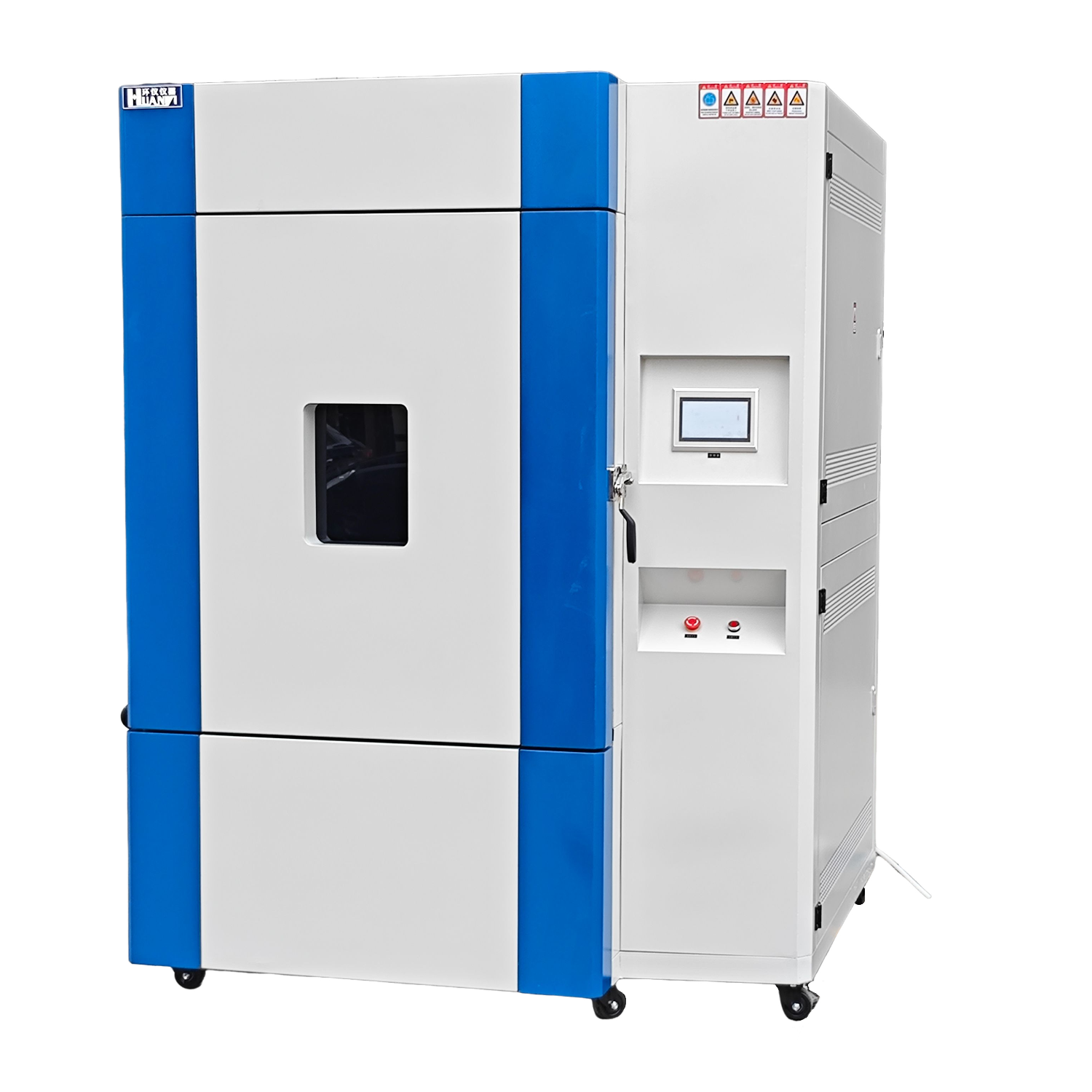
Outdoor sunlight, high temperatures, and torrential rain are hidden killers of material lifespan. The HY-120-YU water-cooled xenon lamp aging test chamber, with its core advantages of simulating natural light across the entire spectrum and precise temperature and humidity control, has become a key device for solving weather resistance testing challenges in multiple industries. It is widely used in coatings, automotive, plastics, and electronics industries, and complies with core international and domestic standards such as GB/T 16422, ISO 4892, and ASTM G155.
The following four typical application cases will show you how it safeguards the weather resistance of products.
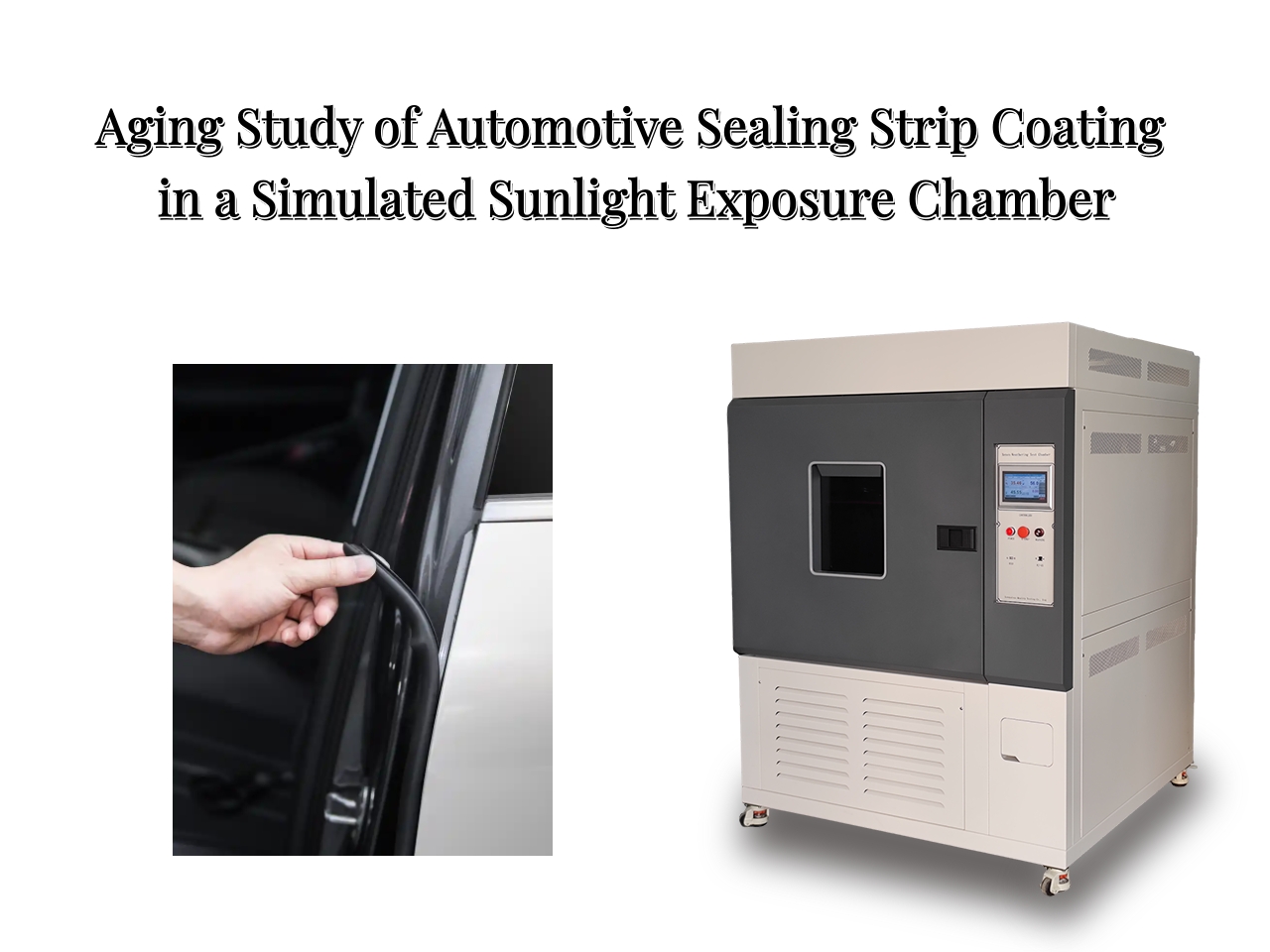
Case Study 1: Automotive Coatings – Simulating 5 Years of Outdoor Exposure to Preemptively Identify Fading Risks
Industry Pain Point: An automotive coating manufacturer's outdoor-specific metallic paint exhibited significant fading and loss of gloss within just one year of pilot testing in a hot and humid southern region, forcing a prolonged development cycle.
Equipment Application Solution: A 6.5KW water-cooled xenon lamp aging test chamber was used, with the test scenario constructed according to GB/T 16422.2 standards. A UVA-340 filter simulated strong midday sunlight, with an irradiance intensity set at 800W/m². A cyclical mode of "60℃ high temperature + 90%RH high humidity" was employed, providing 16 hours of light exposure and 8 hours of condensation daily to simulate the southern summer climate.
Test Value: 1000 hours of testing is equivalent to 5 years of outdoor aging, accurately capturing the critical point of pigment particle decomposition in the coating. Based on this, the manufacturer adjusted the resin composition ratio. After a second test, the optimized coating showed a fading rate reduced from 15% to below 3%, successfully passing OEM certification and shortening the development cycle by 40%.
Case Study 2: Outdoor Plastic Building Materials – Solving the "Embrittleness and Cracking" Problem, Ensuring a 10-Year Service Life
Industry Pain Point: A company's PVC outdoor flooring experienced widespread embrittlement and cracking during the harsh winters of northern regions. Investigation revealed that the material's weather resistance was substandard, leading to a surge in after-sales costs.
Equipment Application Solution: A 225L water-cooled xenon lamp aging chamber was used to simulate alternating cycles of "-20℃ low-temperature storage + 70℃ high-temperature illumination" (corresponding to the diurnal temperature range in northern regions). The xenon lamp irradiation intensity was 600W/m², humidity was controlled at 60%-80%RH, and a spray function (rainfall of 10mm/h) was activated to simulate the effects of rain and snow.
Testing Value: Through 800 hours of accelerated aging testing, the problem of insufficient antioxidant content in the material was identified early. After adjusting the formula, the low-temperature impact strength of the plastic flooring increased by 50%. Actual outdoor installation verification showed a stable service life of over 10 years, and the after-sales complaint rate decreased by 90%.
Case Study 3: Photovoltaic Module Encapsulation Film – Simulating High-Altitude UV Radiation to Improve Power Generation Stability
Industry Pain Point: In a photovoltaic project on the Qinghai-Tibet Plateau, the encapsulation film of a certain photovoltaic company experienced yellowing and decreased light transmittance due to excessively high UV intensity, resulting in a 10% reduction in module power generation efficiency.
Equipment Application Solution: A 500L water-cooled xenon lamp aging chamber was used, with the 340nm wavelength as the core, and the irradiance increased to 1200W/m² (simulating high-altitude UV radiation). The ambient temperature was 65℃, and the humidity was 50%RH. A 1500-hour continuous light exposure test was conducted, with real-time monitoring of the film's transmittance and yellowing index.
Test Value: By identifying the failure threshold of the UV-resistant agent in the film and optimizing the formula, the film maintained a 91% transmittance and a yellowing index ≤1.5 after 1500 hours of testing. When applied to the high-altitude project, the power generation efficiency stability improved by 15%, meeting the GB/T 29848 photovoltaic module standard.
Key Takeaways: Why is this equipment adaptable to diverse industry needs?
From coatings to photovoltaics, the core competitiveness of the water-cooled xenon lamp aging test chamber lies in two points: First, the full-spectrum xenon lamp accurately reproduces the natural light characteristics of different regions, avoiding the disconnect between "laboratory data and actual outdoor conditions"; second, the closed-loop water-cooling system ensures the stability of temperature, humidity, and irradiance intensity during long-term testing, guaranteeing the authority of the data.
Whether you are engaged in chemical material research and development, automotive parts manufacturing, or photovoltaic module production, as long as you face the challenge of weather resistance testing, this equipment can help you mitigate aging risks in advance, shorten the R&D cycle, and ensure your products are "durable" in outdoor environments through customized testing solutions.
For customized testing solutions for your industry or to learn about the application details of the equipment in specific materials, please feel free to contact us.