



Application of Constant Temperature And Humidity Test Chambers In The Temperature And Humidity Cycle Durability Testing of Automotive Parts
In the reliability verification system of automotive components, environmental adaptability testing is a crucial step in evaluating their quality and lifespan. Constant temperature and Humidity Test Chambers, by simulating harsh temperature and humidity changes, provide a stable and reliable testing environment for verifying the performance of components under complex climatic conditions. This solution aims to describe a method for temperature and humidity cycling durability testing using a constant temperature and humidity test chamber, applicable to the quality assessment of various automotive components.
I. Test Objectives and Scope
The core objective of this solution is to examine the functional stability, material compatibility, and structural integrity of automotive electronic and electrical components and interior trim parts under repeated temperature and humidity fluctuations. Common applicable objects include body control modules, various sensors, automotive dashboards, door trim panels, and metal connectors. This test can effectively identify potential problems such as mismatched coefficients of thermal expansion of materials, connector oxidation, or deformation of plastic parts.
II. Test Equipment and Conditions
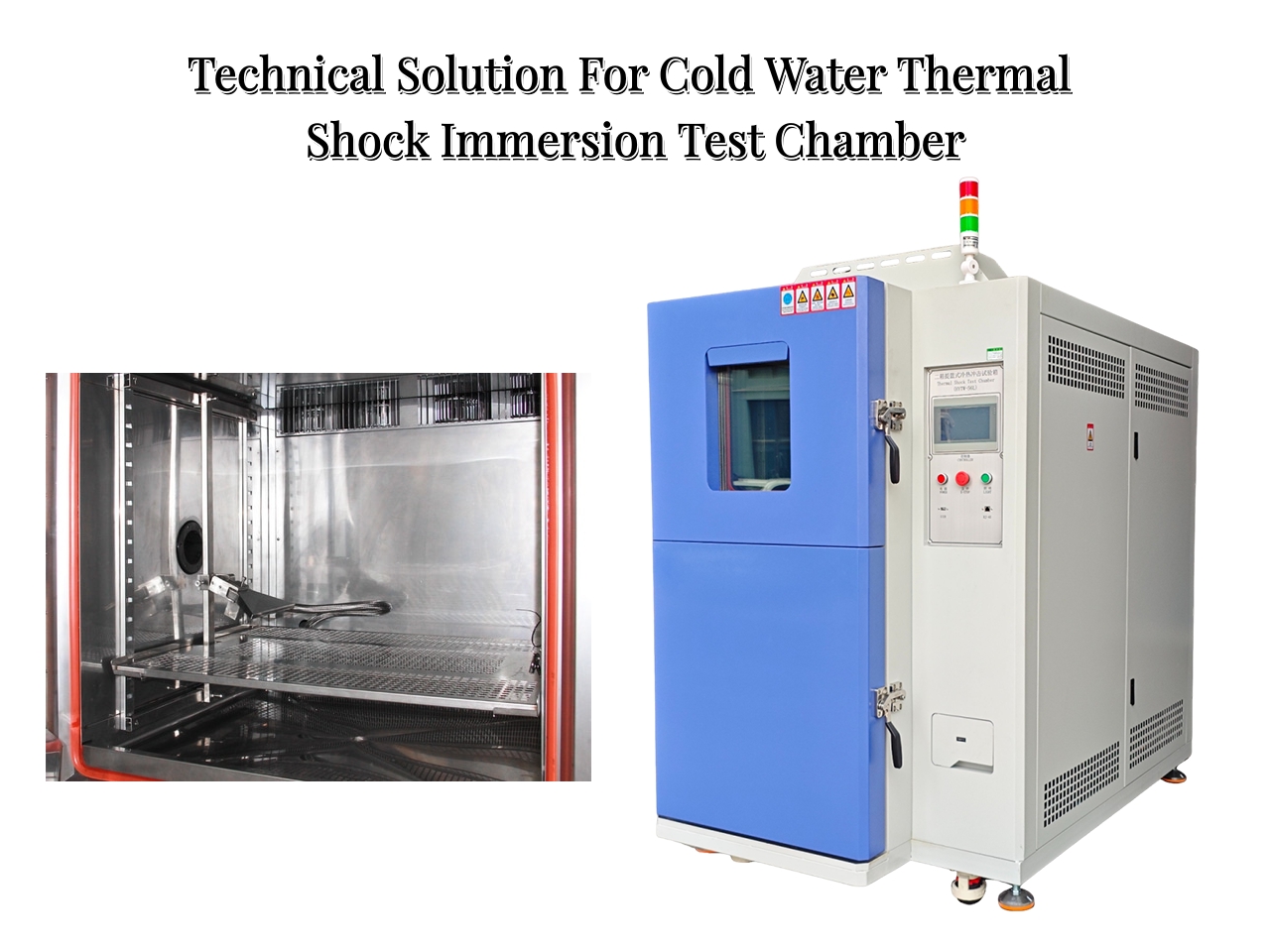
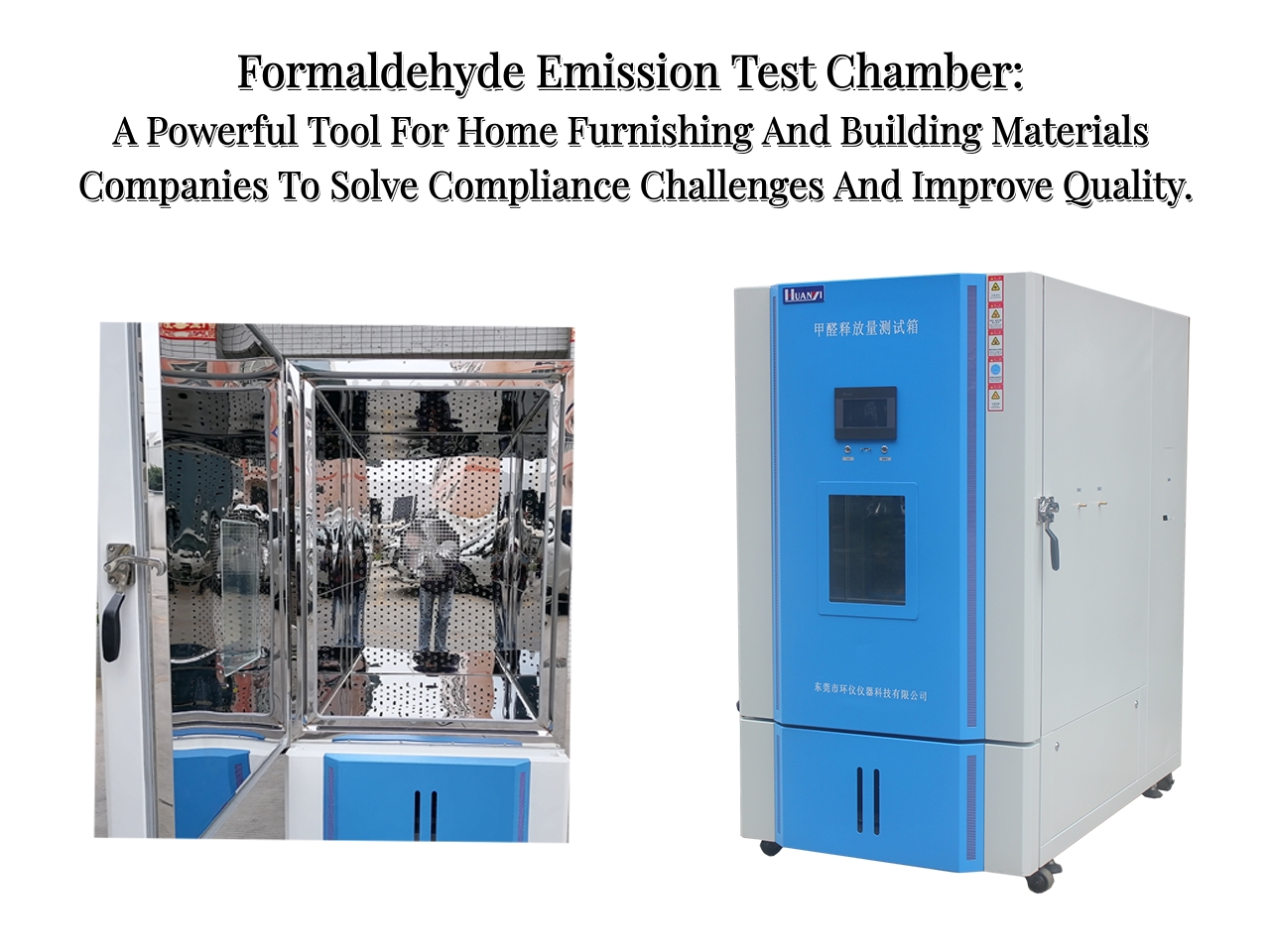
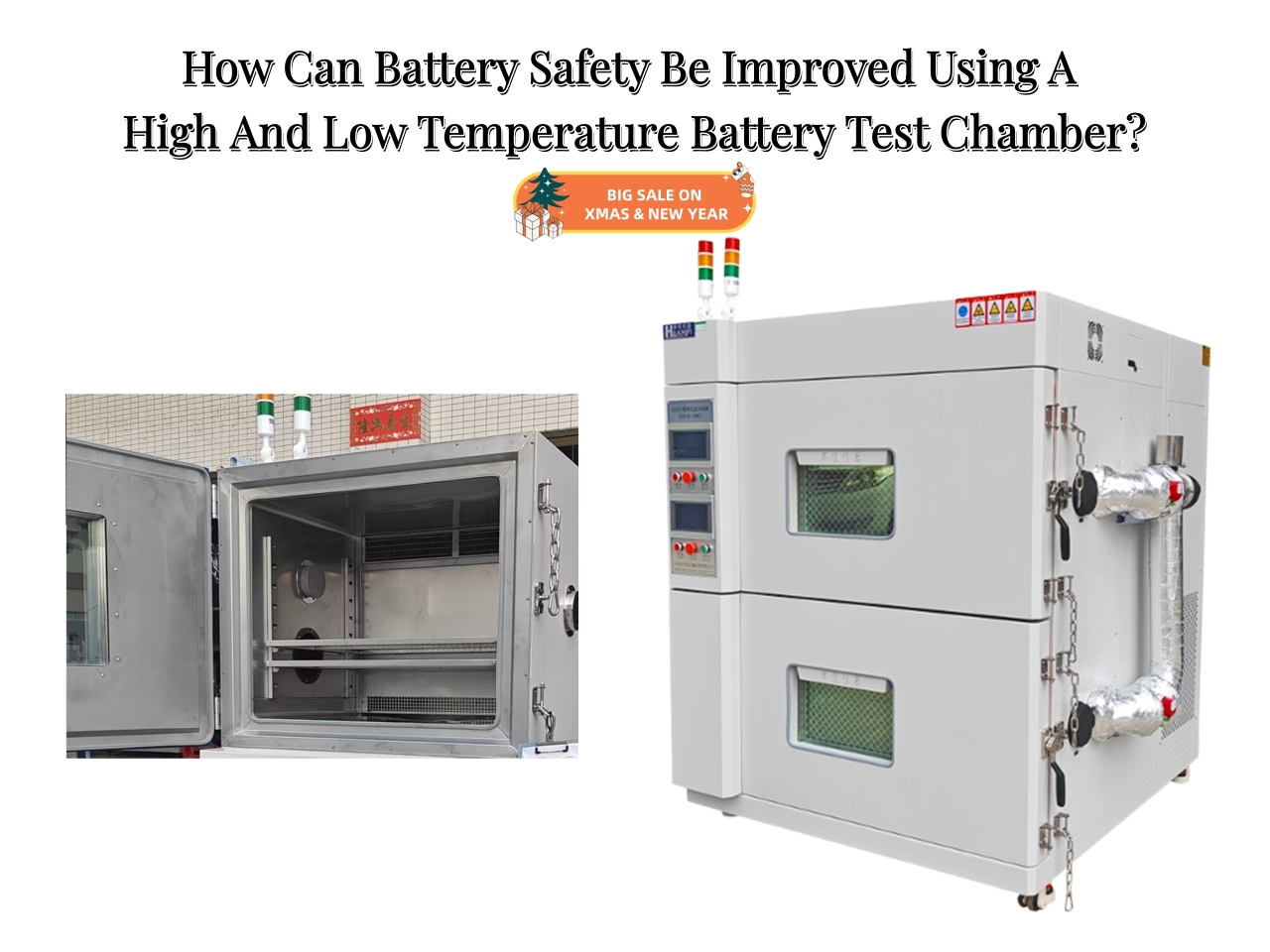
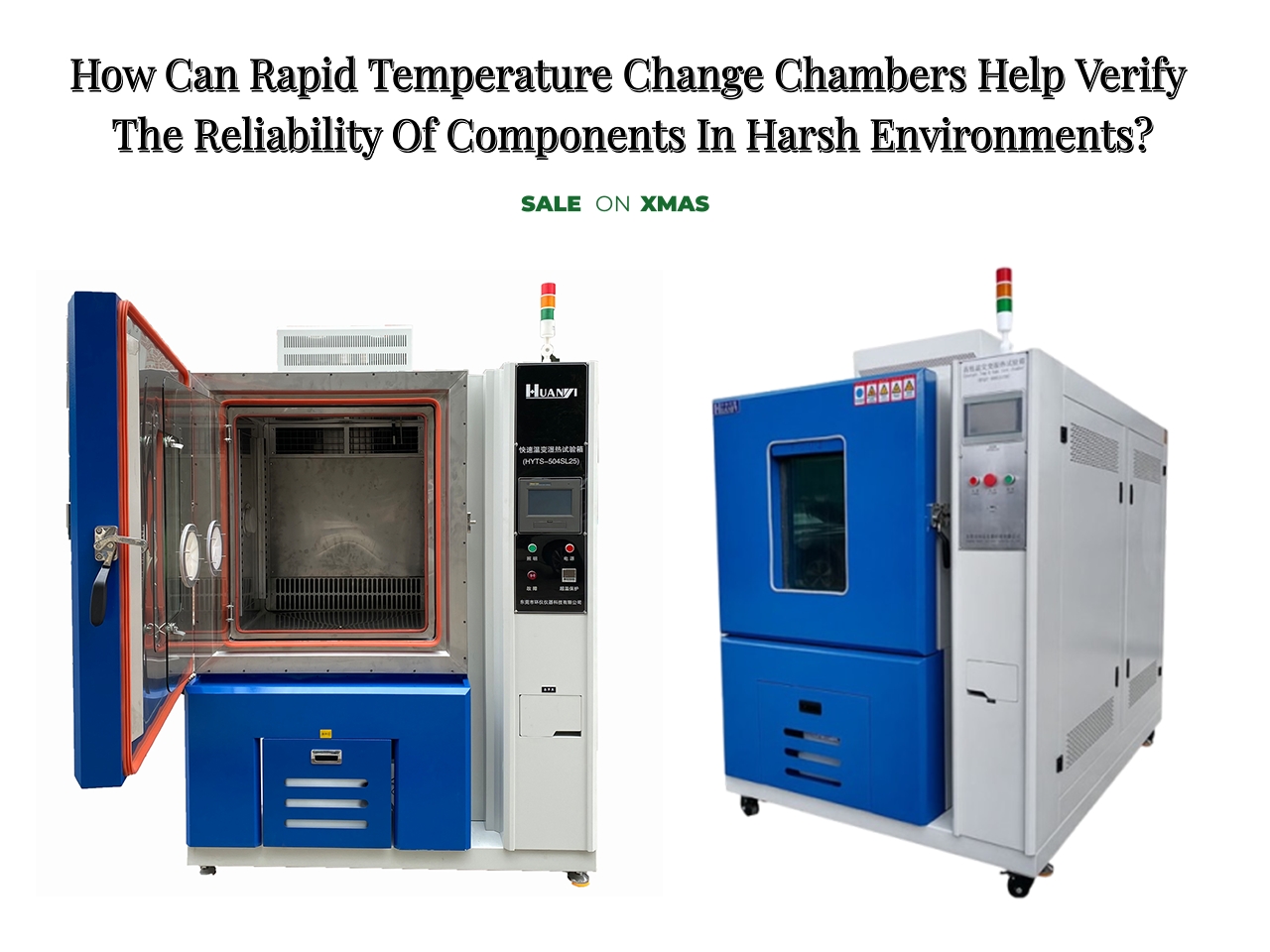
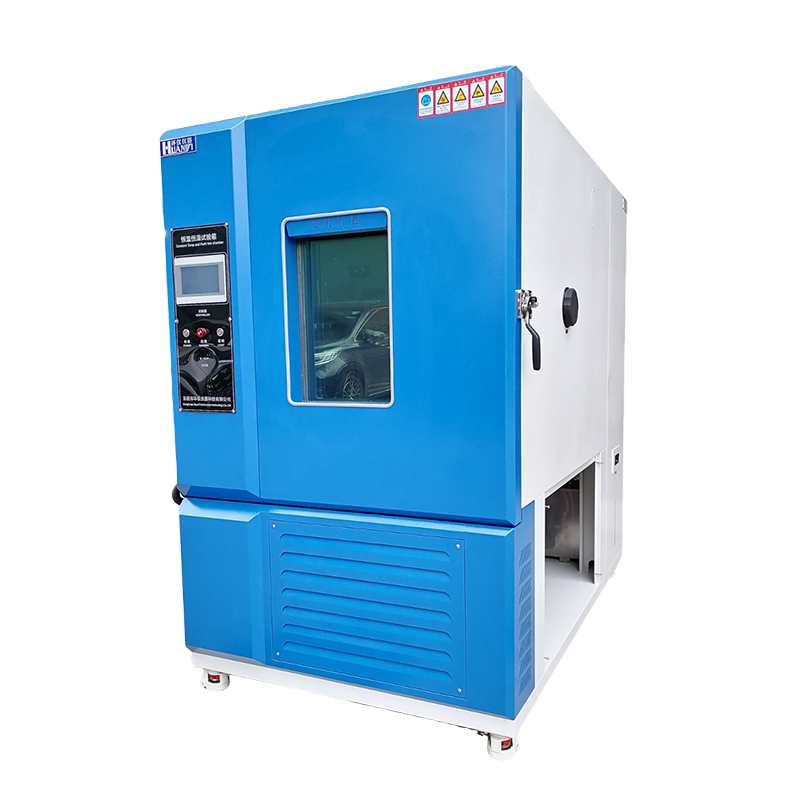
The core equipment for the test is a high-performance programmable constant temperature and humidity test chamber. To ensure the accuracy and comparability of the tests, the test chamber should provide a wide temperature control range from -40℃ to 85℃, while the humidity range should cover 10% to 95% relative humidity. Before testing, the test chamber must be calibrated to ensure its uniformity and fluctuation meet relevant standards.
III. Test Procedure Design
Initial Inspection: In a standard laboratory environment, conduct a detailed visual inspection, dimensional measurement, and functional performance recording of the sample to be tested to establish an initial data baseline.
Sample Installation: Arrange the sample appropriately within the working chamber of the constant temperature and humidity test chamber, ensuring unobstructed airflow to simulate its installation in an actual vehicle. If electrical testing is required, wiring connections should be completed in advance.
Cyclical Test Execution: Start the preset temperature and humidity cycling program. A typical cycle can be designed as follows:
Phase 1 (Stability): Maintain at 25℃ and 50% relative humidity for 30 minutes.
Phase 2 (Temperature Rise): Within 120 minutes, the temperature rises uniformly to 85℃, and the humidity rises simultaneously to 85% relative humidity.
Phase 3 (High Temperature and High Humidity Steady State): Maintain at 85℃ and 85% relative humidity for 240 minutes to evaluate material aging and insulation performance.
Phase 4 (Cooling-down Phase): Temperature is uniformly reduced to -40℃ over 180 minutes, with humidity decreasing naturally during this process.
Phase 5 (Low Temperature Steady State): Maintain at -40℃ for 120 minutes to examine material brittleness.
Phase 6 (Recovery): Temperature is restored to 25℃ over 120 minutes to prepare for the next cycle.
It is recommended that the total number of cycles be set to 20 to 30 cycles, which can be adjusted according to the design life requirements of the components.
Intermediate and Final Testing: After the test, the samples need to recover under standard conditions for 1 to 2 hours. Then, a final test is conducted, with the content completely consistent with the initial test, and data comparison and analysis are performed.
IV. Result Evaluation and Significance
A qualified sample should exhibit the following characteristics: all functions are normal, with no performance parameter drift; and no defects such as cracking, blistering, deformation, or corrosion. This test, conducted in a constant temperature and Humidity Chamber, can provide strong data support for component design improvements and mass production quality certification.