



Application of SMT Coating Process in Wet Environment
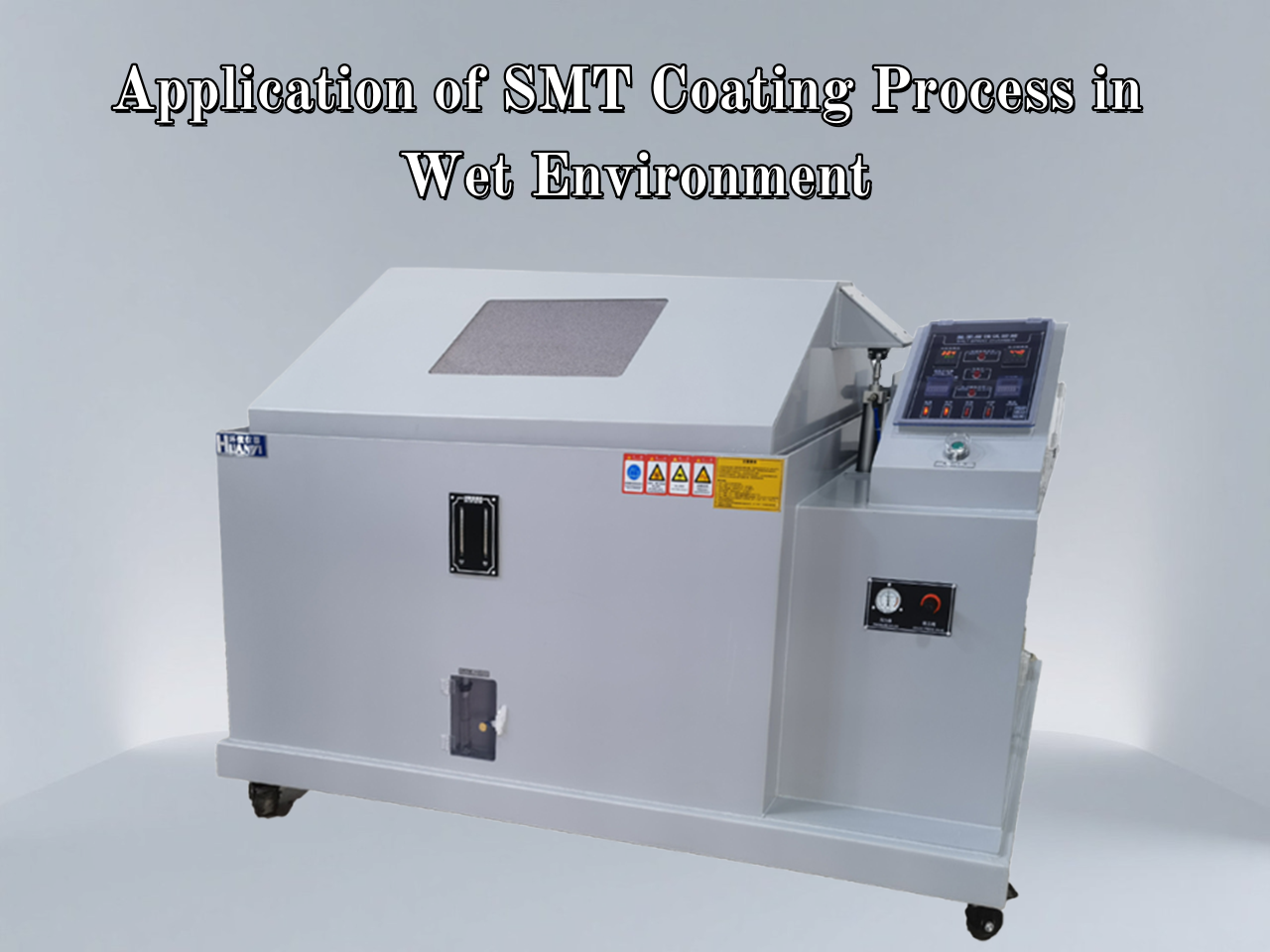
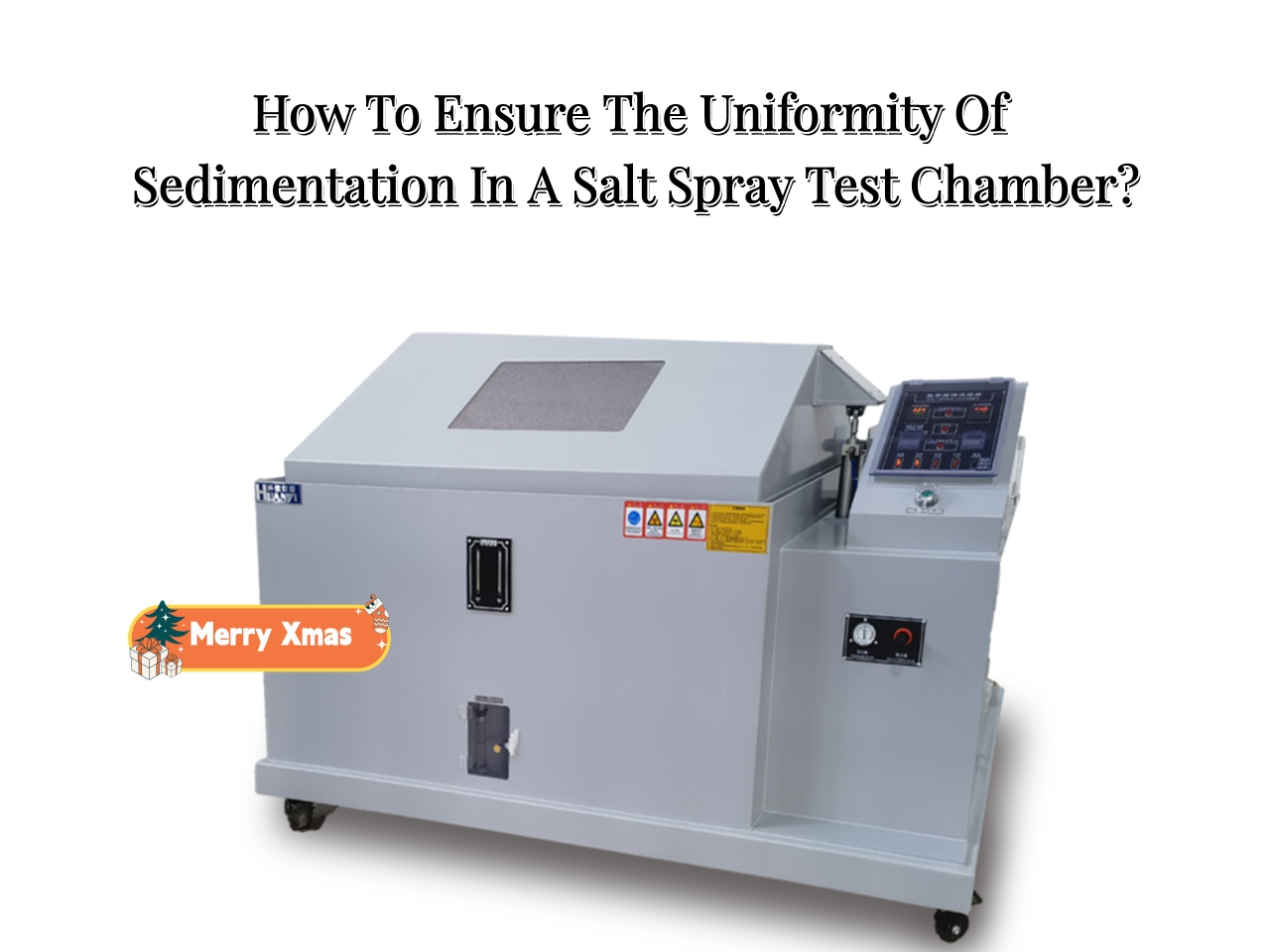
The application of conformal coating technology in humid environments is extremely important. It provides an invisible protective barrier for electronic components to resist environmental factors such as humidity, salt spray, and corrosion. It is used in equipment such as constant temperature and humidity test chamber and salt spray test chamber. However, in practical applications, three performance elements are often overlooked, which are crucial for ensuring the effectiveness and reliability of conformal coatings in humid environments. This article will explore in detail the three performance elements of hydrolysis stability, water vapor permeability, and ion permeability, and analyze them in combination with practical application scenarios.
1、 Hydrolytic stability
Hydrolytic stability is a measure of the ability of a conformal coating to maintain its original physical and chemical properties in a humid environment. In high humidity environments (usually with relative humidity greater than 60%), if conformal coatings do not have good hydrolytic stability, they may experience performance degradation and even lead to coating failure.
1.1 Principles and Effects
Hydrolytic stability refers to the ability of a coating to maintain stable molecular structure, chemical properties, and physical properties under the action of water molecules. When the humidity in the atmosphere increases to a certain level, water molecules will form a water film on the surface of the coating, and then penetrate into the interior of the coating. If there are easily hydrolyzed bonds (such as ester bonds, amide bonds, etc.) in the molecular structure of the coating, these bonds will break under the action of water molecules, resulting in a decrease in coating performance.
In high humidity environments, if the conformal coating does not have sufficient hydrolytic stability, it will not only affect its insulation performance, but may also cause problems such as circuit short circuits, corrosion, and dendrite growth. In severe cases, it may even lead to the failure of the entire electronic system.
1.2 Evaluation and Improvement
To evaluate the hydrolytic stability of conformal coatings, a series of experimental methods can be used, such as accelerated aging tests, humidity cycling tests, etc. These experiments can simulate humidity changes in actual working environments and observe the performance changes of coatings under different humidity conditions.
The problem of insufficient hydrolysis stability can be improved by optimizing the coating formula and process. For example, choosing a resin with better hydrolytic stability as the base material, or increasing the anti hydrolysis ability of the coating by adding an appropriate amount of hydrolytic stabilizer. In addition, a reasonable curing process and coating thickness are also important factors affecting hydrolysis stability.
2、 Water vapor permeability
Water vapor permeability refers to the ability of water vapor to pass through conformal coatings. Due to the small size of water molecules, they can penetrate almost all polymer matrices, so all conformal coating materials have a certain degree of water vapor permeability, although the penetration rate and degree vary.
2.1 Principles and Effects
The water vapor permeability has a significant impact on the moisture resistance of conformal coatings. If the water vapor permeability of the coating is too high, water can easily penetrate into the interior of the coating, causing the circuit board to become damp, the insulation performance to decrease, and even causing short circuits and other problems. However, a certain degree of breathability is also beneficial for the natural drying of PCBs in non working conditions, so a balance needs to be found between moisture resistance and breathability.
2.2 Evaluation and Improvement
Common methods for evaluating water vapor permeability include water vapor transmission rate testing (WVTR) and humidity exposure testing. These experiments can measure the water vapor transmission of coatings under different humidity conditions, thereby evaluating their moisture resistance performance.
In order to reduce water vapor permeability, improvements can be made in the following aspects: firstly, selecting resins with lower water vapor permeability as the base material; Secondly, optimize the curing process and thickness of the coating to improve its density and barrier properties; The third is to use multi-layer coating technology to improve the overall moisture resistance by stacking coatings with different properties.
3、 Ion penetrability
Ionic penetration is a direct indicator for evaluating the defense ability of conformal coatings against ionic pollutants. In humid environments, ionic pollutants (such as salt spray, flux residue, etc.) can easily enter the interior through the micropores or defects of the coating, causing electrochemical reactions and corrosion problems.
3.1 Principles and Effects
The ion penetration has a significant impact on the electrical insulation performance and long-term stability of conformal coatings. After ions penetrate the coating, they will undergo electrochemical reactions with the metal conductors on the circuit board, leading to metal oxidation, corrosion, and decreased insulation performance. In severe cases, it can also cause problems such as circuit short circuits and system failures.
3.2 Evaluation and Improvement
Common methods for evaluating ion penetration include SIR (Insulation Resistance) testing, SERA (Surface Resistance) testing, and diffusion cell experiments. These testing methods can simulate ion contamination in actual working environments and observe the ion penetration of coatings under different conditions.
In order to improve the ion penetration defense capability of conformal coatings, improvements can be made in the following aspects: firstly, selecting resins with lower ion penetration as the base material; Secondly, optimize the formula and process of the coating to reduce micropores and defects in the coating; The third is to use multi-layer coating technology or composite coating technology to enhance the overall defense capability by stacking coatings with different properties.
4、 Practical application cases
In practical applications, conformal coating technology is widely used in humid environments. Taking the Constant Temperature And Humidity test chamber as an example, due to the frequent influence of humid environments such as temperature and humidity during use, it is necessary to apply a conformal coating on its panel to protect it from moisture damage. When selecting conformal coatings, it is necessary to comprehensively consider performance factors such as hydrolysis stability, water vapor permeability, and ion permeability. Through reasonable formulation and process optimization, the conformal coating can ensure good protective performance and long-term stability in humid environments.
5、 Conclusion
Hydrolysis stability: It is the key to resist performance degradation caused by humidity environment in conformal coating. Coatings with high hydrolytic stability can maintain their original physical and chemical properties for a long time, effectively resist the erosion of water molecules, and protect electronic components from the risks of corrosion and short circuits.
Water vapor permeability: It is an important indicator for evaluating the moisture resistance of coatings. Although it is almost impossible to completely prevent water vapor infiltration, optimizing the coating formula, curing process, and thickness can significantly reduce the rate of water vapor infiltration and extend the service life of electronic products.
Ion penetration: It is an important defense line to prevent damage to electronic components caused by ion pollutants. Low ion penetration coatings can effectively resist the erosion of salt spray and residual plasma from flux, protecting circuit boards from electrochemical corrosion and insulation performance degradation.