





Discussion on Energy Efficiency Test Method of Rapid Temperature Change Test Chambers
As a key equipment for modern material performance testing and product reliability evaluation, the energy efficiency performance of the rapid temperature change test chamber is not only directly related to the economic cost, but also has a profound impact on environmental sustainability. This paper comprehensively and deeply discusses the energy efficiency test method of the test chamber, and elaborates on the test conditions, test equipment and specific test process. This study aims to provide solid data support for evaluating the energy conversion efficiency of the test chamber during temperature changes, and then provide strong theoretical guidance and practical paths for improving the energy utilization efficiency of the test chamber.
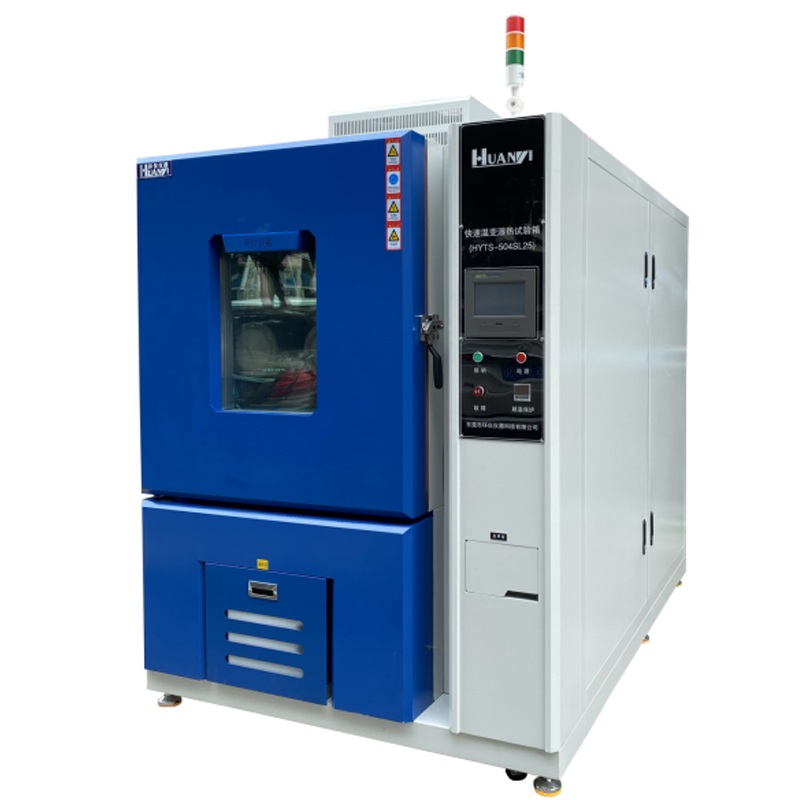
1 Working principle and energy consumption characteristics of the rapid temperature change test chamber
1.1 Working principle
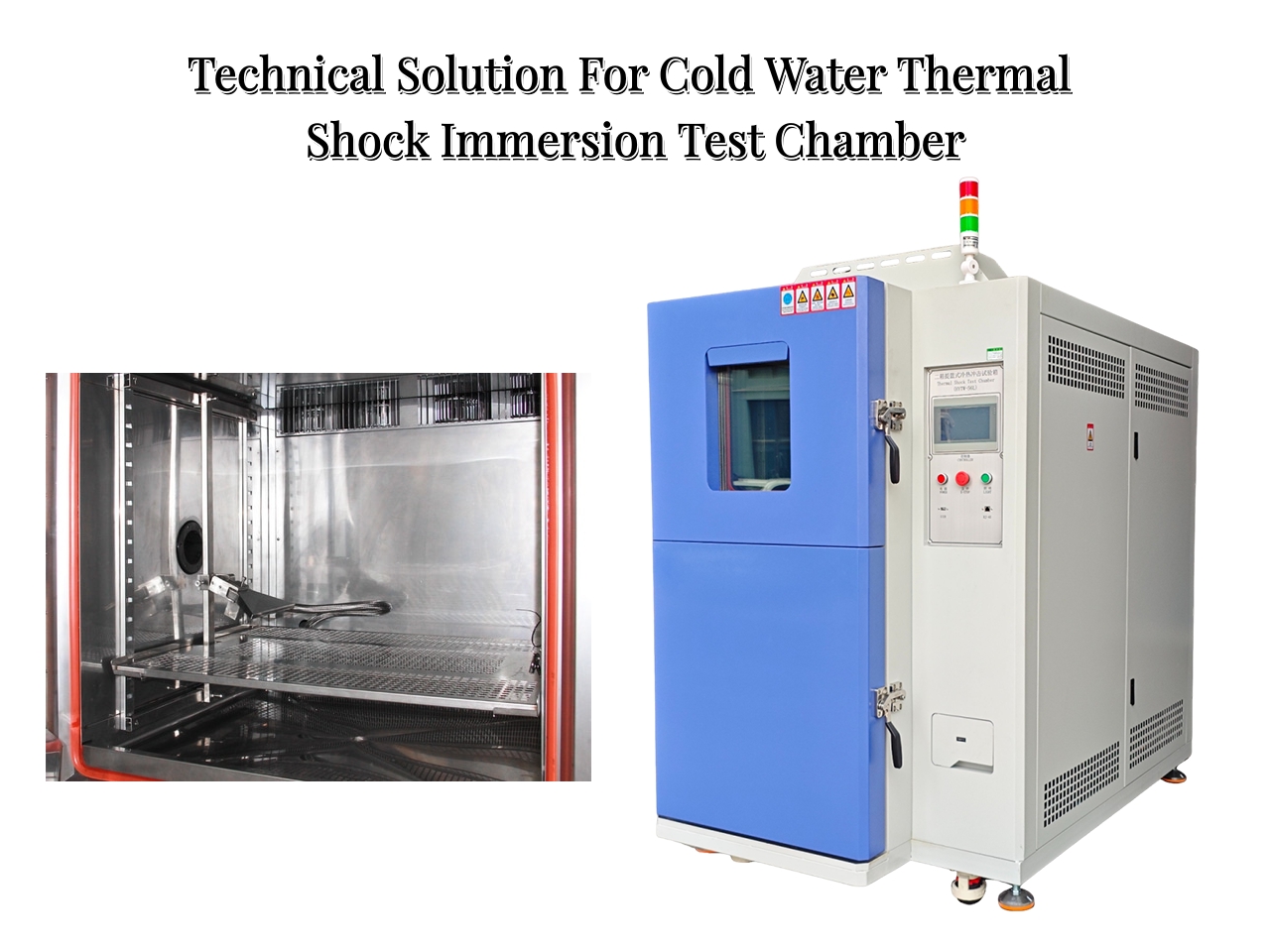
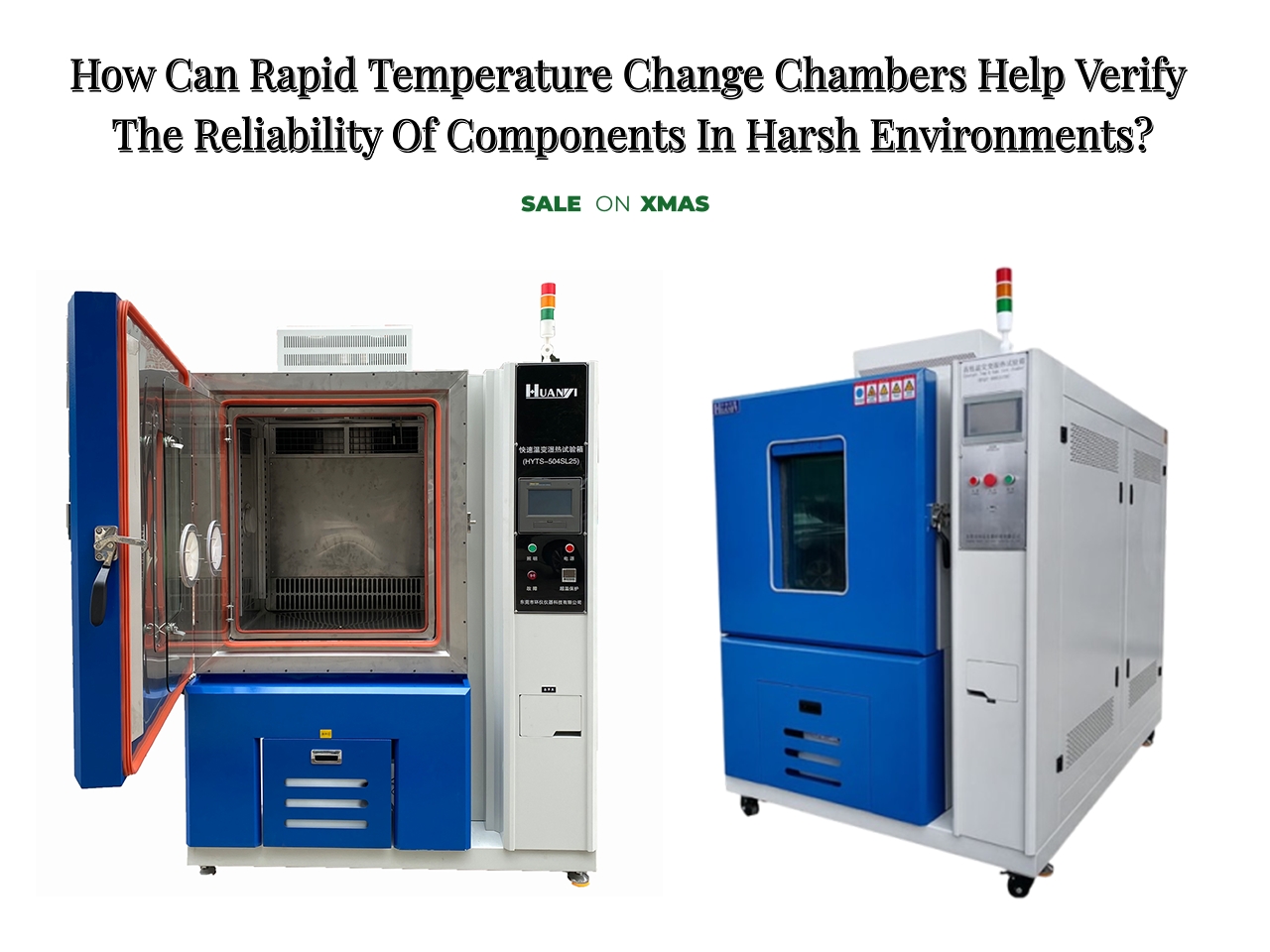
The rapid temperature change test chamber achieves rapid temperature rise and fall in the chamber through the coordinated work of the refrigeration system, heating system and air volume circulation system. It can simulate a variety of complex climatic environmental conditions such as high temperature, low temperature and temperature change in a short time, and is used to evaluate the tolerance of products, parts and materials to large temperature changes in a short time. Rapid temperature change Test Chambers generally have refrigeration and heating functions. Among them, the refrigeration system is mainly composed of a compressor, a condenser, an expansion valve, and an evaporator, while the heating system usually uses electric heating wires or electric heating tubes for heating.
1.2 Energy consumption characteristics
The energy consumption of the rapid temperature change test chamber mainly comes from the operation of the refrigeration system and the heating system, especially the energy consumption of the refrigeration system accounts for a large proportion. In addition, the thermal insulation performance of the box, the use environment, the product design logic (for example, in order to prevent the opening and closing of doors or windows during the operation of the test chamber from causing fluctuations in the internal temperature of the box, engineers usually design a higher ratio of cold and hot output) and other factors also directly affect the energy consumption level. For the same type of electrical equipment, the energy consumption of the rapid temperature change test chamber is usually several times or even more than ten times that of ordinary household air conditioners.
1.3 Research significance
Due to its high energy consumption characteristics, the energy-saving performance of the rapid temperature change test chamber has attracted much attention from manufacturers and users. Insufficient optimization of the refrigeration system or unreasonable control logic design may lead to increased power consumption. Therefore, as energy conservation and environmental protection have become increasingly popular in society, it is particularly important to formulate and issue energy efficiency test standards for rapid temperature change test chambers as soon as possible. This move will not only help improve the energy efficiency level of equipment, but also provide manufacturers and users with a set of objective and fair evaluation standards and systems to promote high-quality and sustainable development of the environmental testing equipment industry.
2. Test Conditions
2.1 Environmental Conditions
Ambient temperature: (23±2)°C, with a temperature gradient not exceeding 1°C/m. At least two temperature sensors must be placed within the test chamber, at heights of 0.05m and 2m above the floor, respectively.
Relative humidity: ≤85%.
Air pressure: (80-106) kPa.
No strong airflow around the test chamber.
Note: If the test ambient temperature does not meet this requirement, please refer to Section 5 of this document for power consumption correction.
2.2 Water Supply Conditions
Water temperature: (23±2)°C.
Water pressure: (0.2-0.6) MPa, with the inlet and outlet pressure differential of the refrigeration unit not less than 0.2 MPa.
Water quality: Meets the requirements of GB/T50050-2017.
Note: If the test inlet water temperature does not meet this requirement, please refer to Section 5 of this document for power consumption correction. 2.3 Power supply conditions
Voltage: (220±22)V or (380±38)V. Frequency: (50±0.5)Hz.
2.4 Sample conditions
The sample to be tested (test box) shall meet the requirements of GB/T 10592-20232, remove unnecessary removable accessories, and set the user-adjustable switch position according to the instructions.
3 Main test instruments and devices
3.1 Electric energy measuring instrument
Use electric energy measuring instruments of not less than Class B (Class 1), and the electric energy value display of the electric energy measuring instrument contains at least three decimal places.
3.2 Temperature measurement system
It consists of temperature sensors such as platinum resistance and thermocouple and data acquisition devices, and the parameters such as response time, resolution, and maximum allowable error meet the test requirements.