



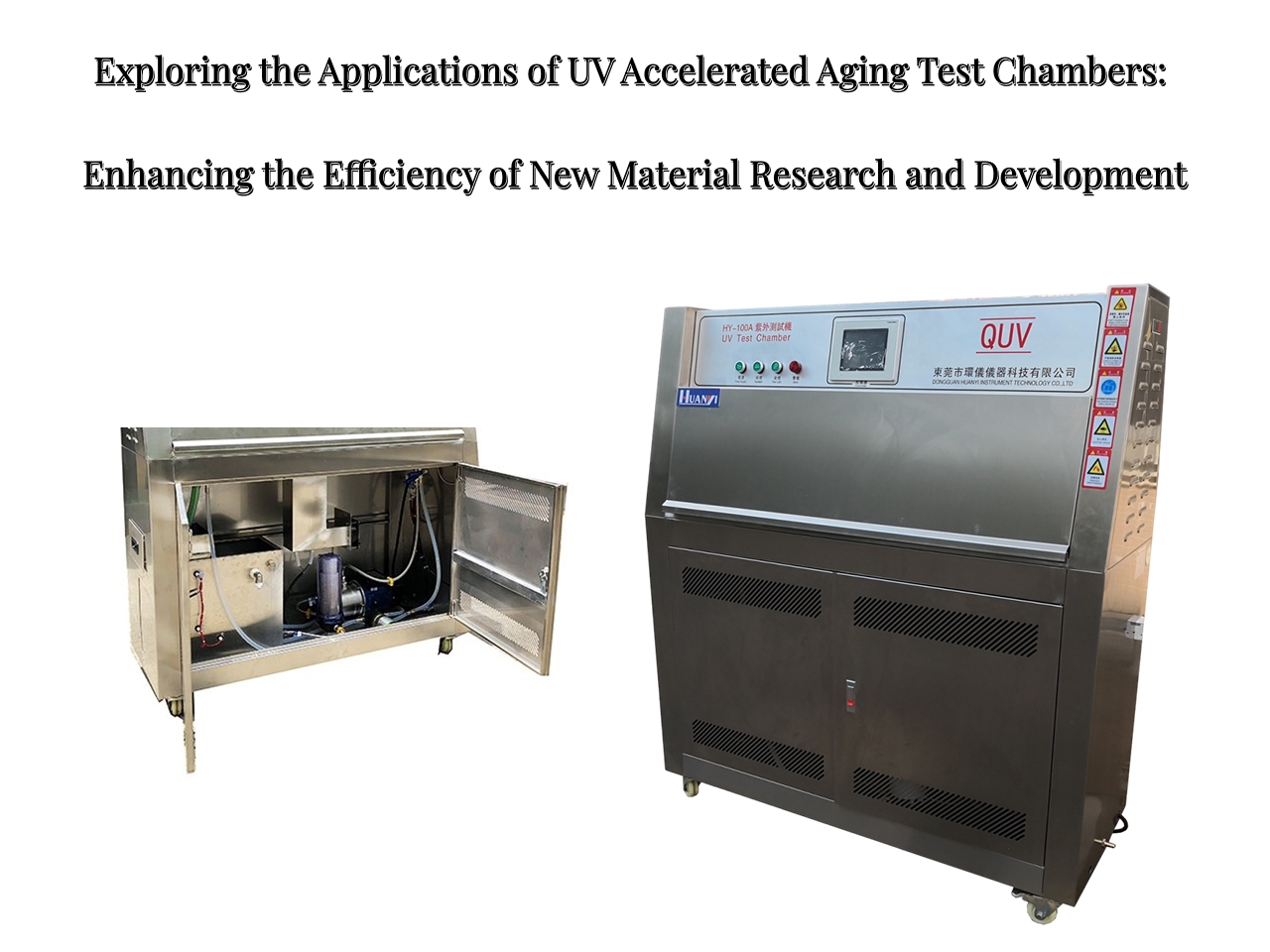
Exploring the Applications of UV Accelerated Aging Test Chambers: Enhancing the Efficiency of New Material Research and Development
In the fierce competition of new material research and development, time is of the essence. Traditional outdoor natural exposure testing often takes years, severely slowing down the research and development process. How can we quickly assess the weather resistance of new materials? The UV accelerated aging test chamber plays a crucial role in this, providing researchers with efficient and reliable performance data through scientific simulation and acceleration, significantly improving research and development efficiency.
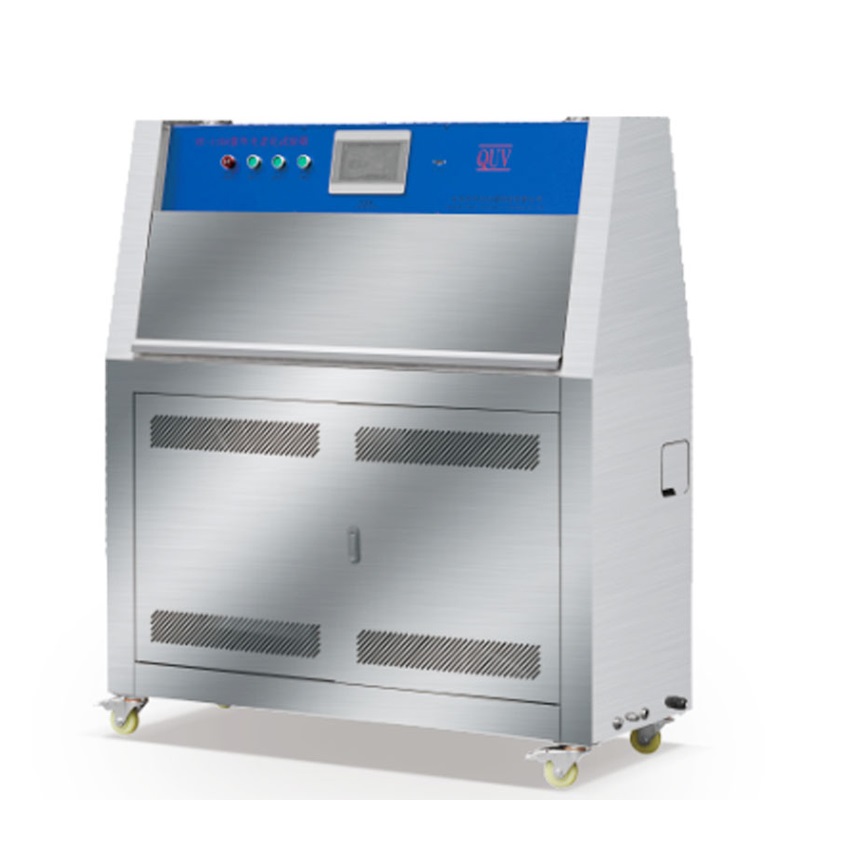
I. Beyond "Testing": An Accelerating Engine for the Front End of Research and Development
Many people view the UV accelerated aging test chamber as a simple quality inspection tool, but in reality, it is a powerful "decision support system" in the early and middle stages of material research and development.
Formulation Screening and Optimization: When researchers develop a new material, they often have multiple candidate formulations. Using this equipment, the lightfastness and damp heat resistance of all formulations can be tested in parallel within a short time, quickly identifying the benchmark formulation with superior performance and making targeted improvements to weak areas, avoiding wasting a lot of time and resources on poorly performing formulations.
Lifespan Prediction and Warranty Basis: By setting stringent test conditions (such as stronger UV radiation and higher temperatures), the equipment can simulate the aging phenomena that materials would experience in real-world environments over several weeks. This provides researchers with crucial data support for predicting material lifespan and establishing scientific warranty periods, giving them greater confidence in launching new products to the market.
II. Key Application Scenarios: From Laboratory to Product
In specific R&D practices, the UV accelerated aging test chamber has in-depth and extensive applications:
Biodegradable Plastics: Assessing the rate of mechanical property degradation and appearance changes under UV light and humid heat environments ensures that the plastics maintain a certain lifespan during outdoor use while also degrading as expected.
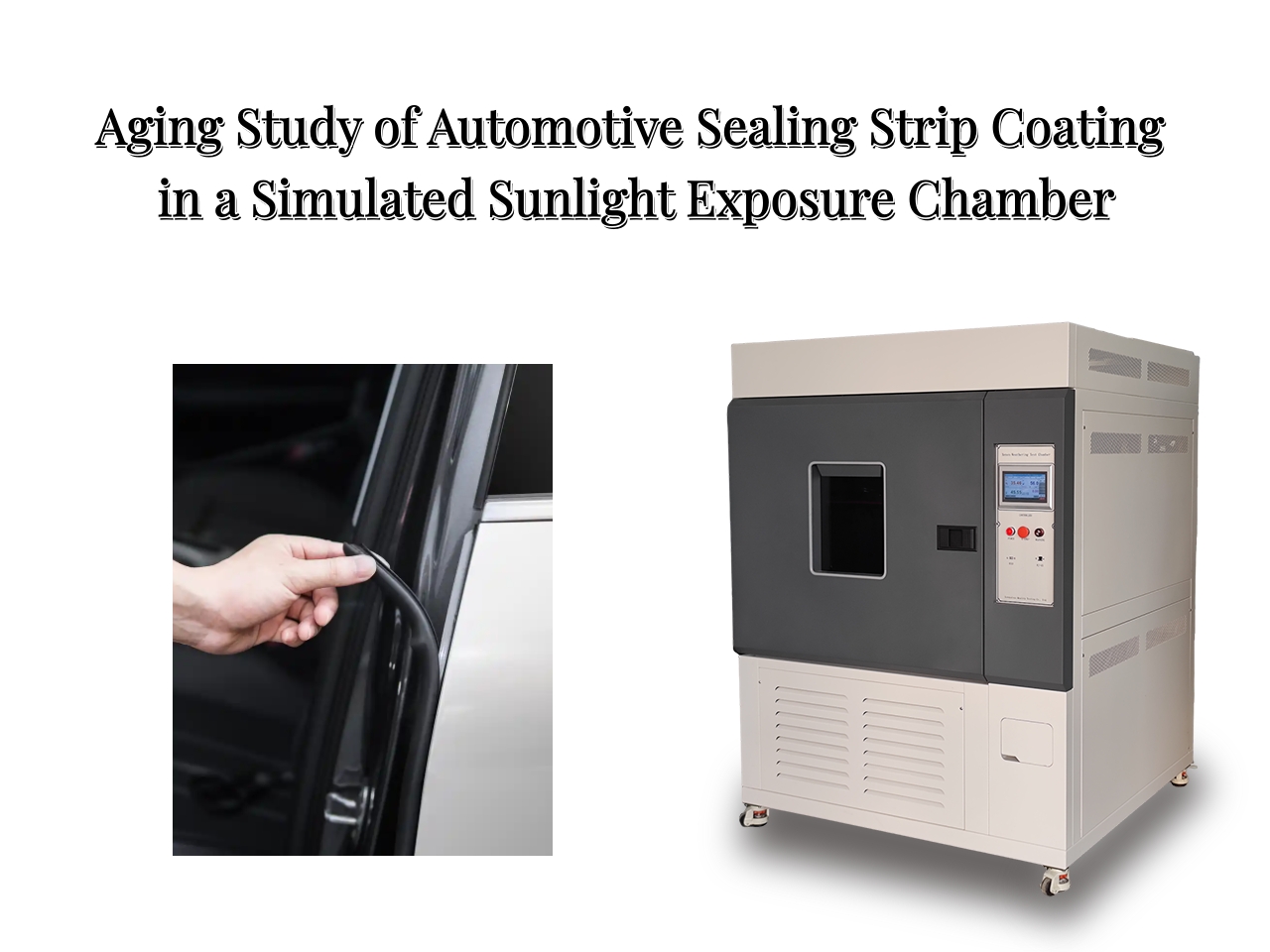
Novel High-Performance Coatings: For functional coatings in the automotive and aerospace fields, such as self-healing coatings and superhydrophobic coatings, testing whether their core functions can be maintained after accelerated aging is a crucial step in verifying their reliability.
Composite Materials and 3D Printing Materials: These materials have complex structures, and the aging rates of their components may differ. Testing can observe whether they are prone to problems such as interlayer delamination, uneven coloring, or accelerated embrittlement, providing feedback for structural design and material formulation.
Solar Photovoltaic Materials: Testing key materials such as photovoltaic backsheets and encapsulating films directly affects the power generation efficiency and lifespan of solar modules over decades, making it a crucial step in R&D.
III. Key Operational Points for Improving R&D Efficiency
To truly leverage the "multiplier effect" of UV accelerated aging Test Chambers in R&D, the following operational points should be noted:
Establishing a Correlation Model: The ultimate goal of R&D is not only "acceleration" but also "accurate prediction." It is recommended to repeatedly compare and analyze laboratory accelerated test data with outdoor natural exposure data to establish a correlation model between the two. This way, future accelerated test results can be more accurately converted into lifespan expectations under real-world conditions.
The Importance of Cyclic Design: Don't limit yourself to single-mode lighting or condensation. Excellent R&D solutions design complex environmental cycles, such as "light-condensation-darkness-spraying" cycles, to more realistically simulate the combined stress of day-night cycles and weather changes, obtaining more comprehensive aging data.
Refined Result Analysis: R&D-level testing requires more in-depth result analysis. In addition to routine color difference and gloss measurements, Fourier transform infrared spectroscopy (FTIR) should be used to analyze molecular chain breakage, and electron microscopy should be used to observe changes in microstructure. These in-depth analyses can reveal the fundamental mechanisms of material aging and guide fundamental improvements in material formulations.
In conclusion, UV accelerated aging test chambers have transcended the scope of traditional quality inspection, becoming a powerful accelerating engine in the new materials R&D system. By providing rapid and repeatable aging data, they empower R&D teams to make more informed decisions, optimize formulations, and predict performance, thereby significantly accelerating the transformation from laboratory results to mature products. Making good use of this tool is of positive significance for material companies aiming for innovation.