


Formaldehyde Emission Test Chamber: High-precision Testing of Furniture to Ensure Home Safety
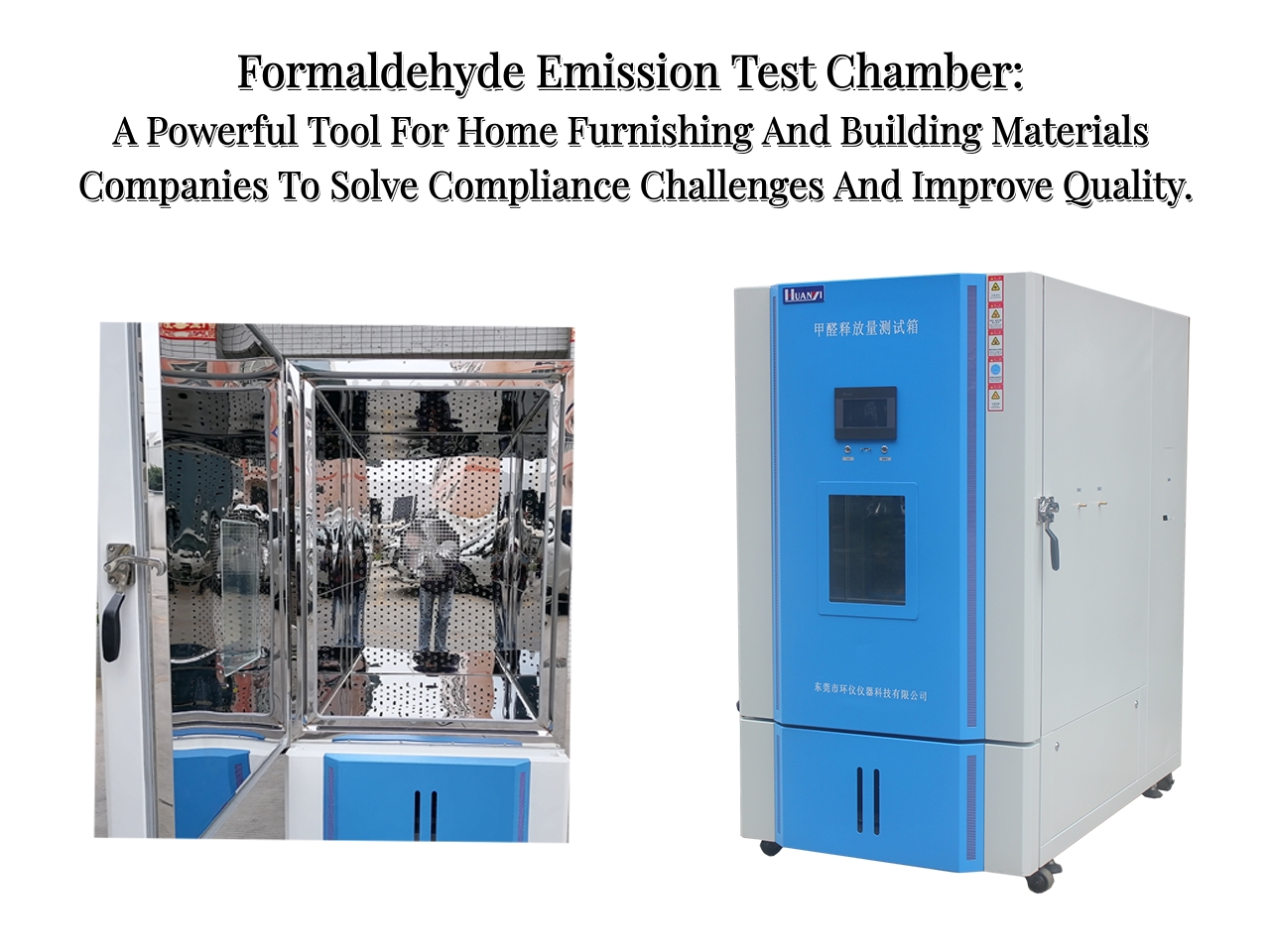
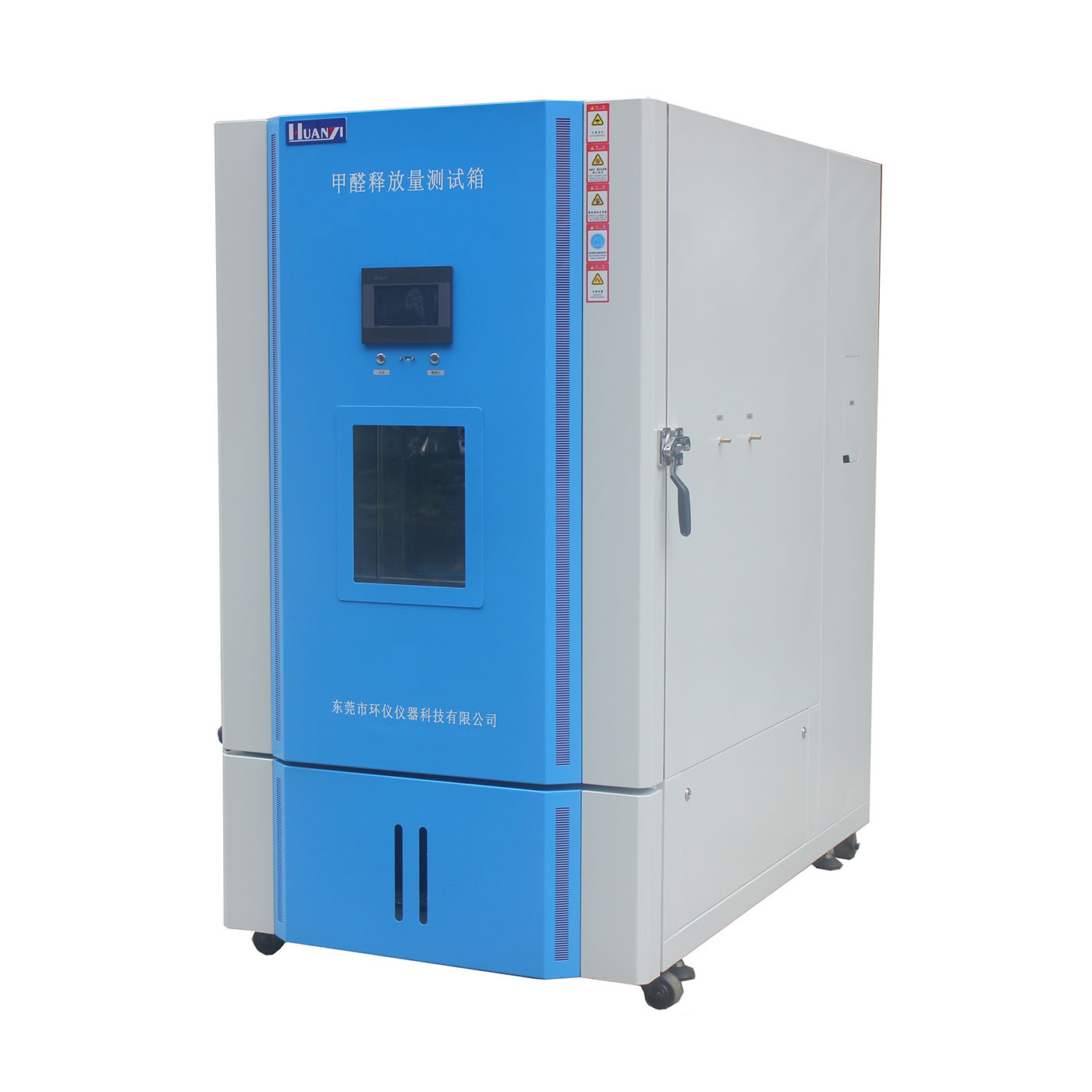
As a high-precision formaldehyde testing device, the furniture Formaldehyde Test Chamber provides a professional and accurate solution for measuring formaldehyde emissions from home products. It simulates the temperature, humidity, and air circulation conditions of everyday living environments to test the formaldehyde emissions of furniture materials under specific conditions. This helps manufacturers and consumers understand whether furniture products meet environmental standards and ensure a healthy and safe living environment.
I. Principle and Function of the Furniture Formaldehyde Test Chamber
It primarily simulates and tests the formaldehyde emissions of furniture products under different temperature and humidity conditions. It is equipped with a high-precision temperature and humidity control system to precisely adjust the temperature and humidity in the test environment.
During the test, the chamber simulates formaldehyde emissions from furniture under different environmental conditions by setting specific temperature and humidity settings. The chamber is equipped with a formaldehyde detector that monitors the formaldehyde concentration in the air in real time and records changes in formaldehyde emissions. After the test, data analysis can be used to determine the formaldehyde emissions of the furniture materials under specific conditions, thereby assessing their compliance with relevant standards.
II. Technical Features of Furniture Formaldehyde Test Chambers
1. High-Precision Control System: Temperature and humidity control systems typically utilize high-precision sensors and regulators, capable of maintaining stable environmental conditions within a very narrow range of fluctuation. This is crucial for accurate test results, as formaldehyde emissions are closely related to ambient temperature and humidity; even the slightest deviation can distort the results.
2. Advanced Formaldehyde Detection Technology: Built-in formaldehyde detectors typically utilize high-precision detection technologies such as photometry, chemical absorption, or gas chromatography to accurately measure formaldehyde concentrations in the air. This not only improves detection accuracy but also enables formaldehyde emission measurements to be completed in a shorter time.
3. Automated Operation and Data Recording: Featuring a highly automated interface, users simply set the test parameters, and the system automatically completes the entire testing process. During the test, the chamber automatically records changes in formaldehyde concentration and generates data reports for easy subsequent analysis and archiving.
4. Diverse Test Modes: Multiple test modes are typically offered to meet different standards and customer needs. For example, formaldehyde emission tests can simulate long-term use or be performed under different environmental conditions. Users can select the appropriate test mode based on their needs to obtain more accurate test data.
III. How Does It Accurately Solve Testing Challenges?
Traditional testing methods are susceptible to environmental interference, resulting in insufficiently representative data. The emergence of formaldehyde and VOC Environmental Testing Chambers offers three key breakthroughs:
1. Simulating Real-World Environments for More Reliable Data
The Test Chambers don't simply test in a sealed box. Instead, they utilize a sophisticated control system to simulate the varying temperature and humidity conditions experienced by materials in actual use, such as summer heat and winter heating. This ensures that test data more accurately reflects the long-term release patterns of materials in real-world home environments, avoiding the dilemma of meeting laboratory standards but exceeding them in actual use.
2. Providing Traceability and Clearer Accountability
When indoor air pollution occurs, it's often difficult to determine responsibility. Is the problem with the furniture, flooring, or wall paint? By independently testing a single material using a formaldehyde and VOC environmental testing chamber, the source of pollution can be pinpointed, providing scientific and impartial data support for quality traceability and accountability determination, thereby encouraging manufacturers to prioritize environmentally friendly material selection and process upgrades.
3. Empowering Product R&D and Promoting Industry Upgrades
For material manufacturers, the test chamber is not only a quality inspection tool but also a powerful R&D tool. During the new product development phase, companies can use it to evaluate the environmental impact of different raw materials, adhesives, and production processes, thereby iterating on greener and safer products, driving environmental upgrades across the entire industry chain from the source.
As a high-precision, automated testing device, the furniture formaldehyde test chamber is particularly important in the furniture industry. It not only effectively detects formaldehyde emissions from furniture and home furnishing materials, but also helps manufacturers and testing agencies ensure the environmental friendliness of their products and compliance with relevant regulations and standards. Through its use, consumers can choose home furnishing products with greater confidence, while companies can improve product quality and promote the healthy development of the industry.