



High-Altitude Low-Pressure Test Chamber: Unveiling The Secrets Of The Aerospace Field
In the vast blue sky and the deep universe, every detail is crucial. High-altitude low-pressure Test Chambers, as essential equipment in aerospace and electronic product testing, play a vital role in verifying product performance limits and ensuring flight safety. This article will take you deeper into the mysteries of this high-tech instrument, exploring its underlying scientific principles and practical applications.
I. Definition and Principle of High-Altitude Low-Pressure Test Chambers
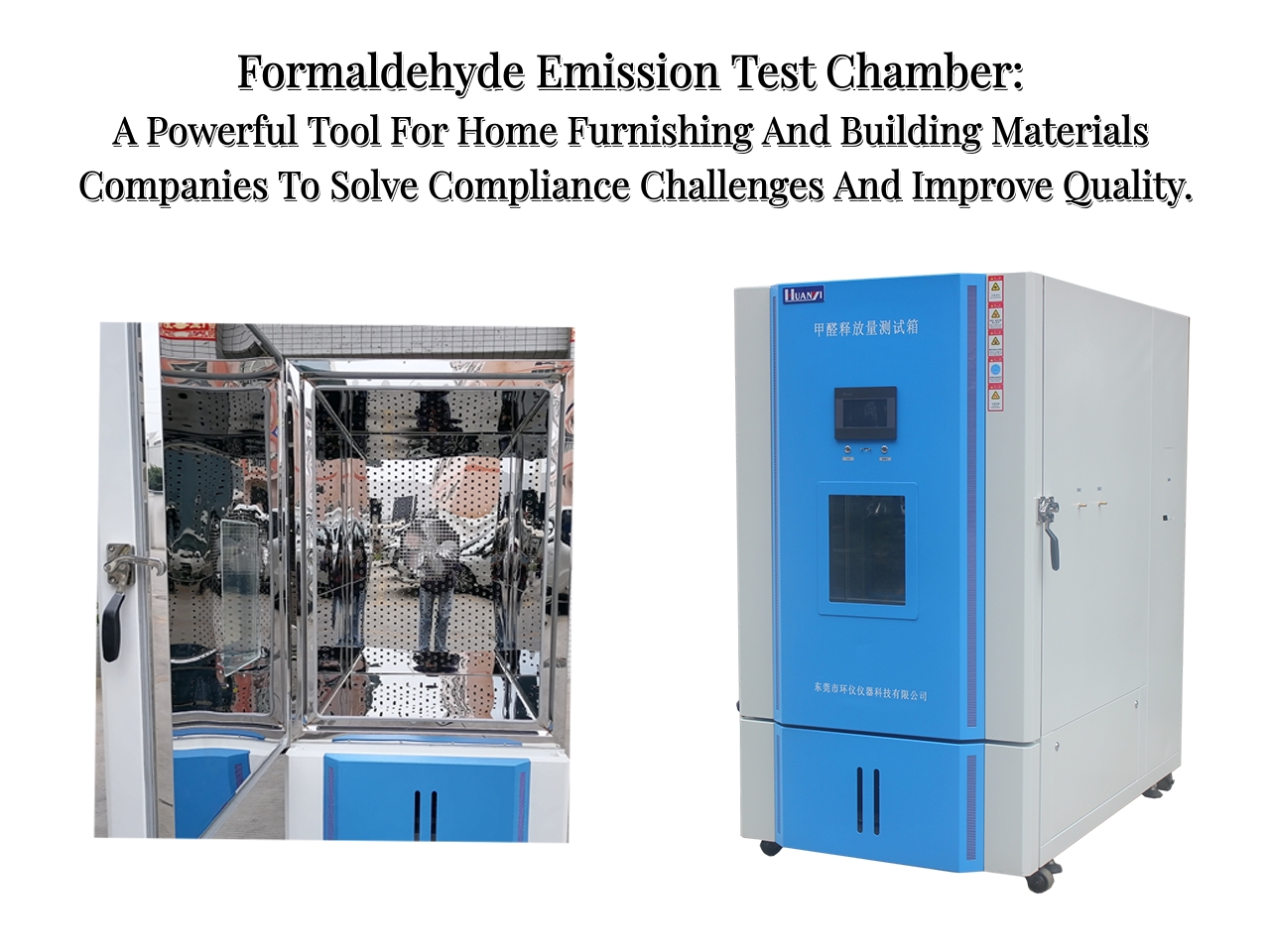
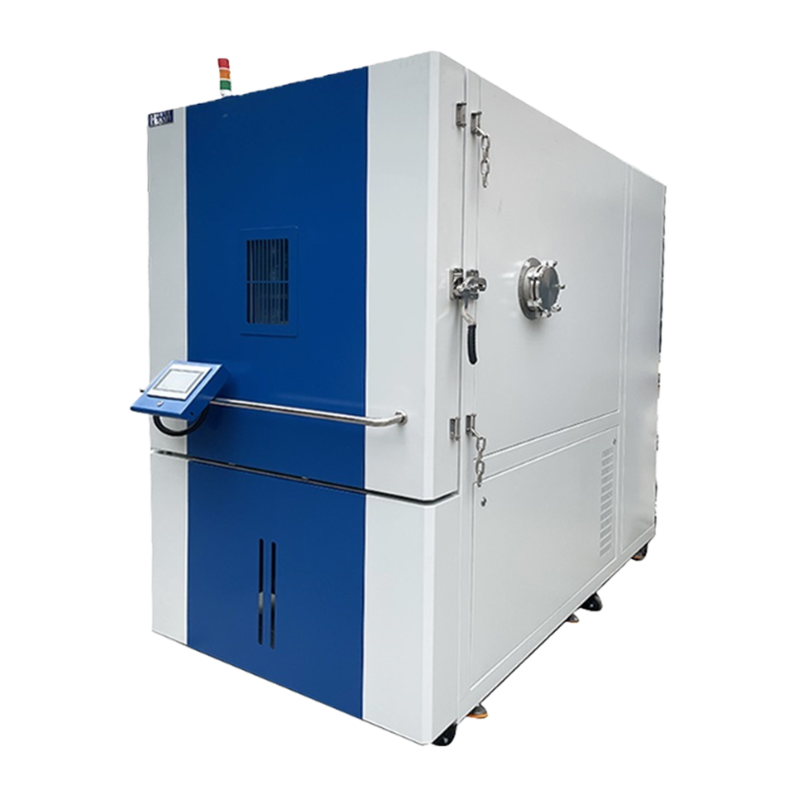
As the name suggests, a high-altitude low-pressure test chamber is a testing device capable of simulating the low-pressure conditions of high-altitude environments. Through a sophisticated control system, it creates atmospheric pressure environments ranging from sea level to tens of thousands of meters above sea level, allowing the tested samples to operate in an environment close to real high-altitude conditions. This allows for the testing of their performance, sealing, structural integrity, and material aging under low pressure.
Its working principle is primarily based on the gas laws of physics. By reducing the gas pressure inside the test chamber, it simulates the thin atmosphere of high altitudes. Simultaneously, by controlling multiple factors such as temperature and humidity, it comprehensively simulates the complex climate of high altitudes, providing a scientific basis for product reliability verification.
II. Wide Range of Applications
High-altitude low-pressure test chambers are widely used in multiple fields:
Aerospace: Components and complete systems of aircraft, rockets, satellites, and other spacecraft require this test chamber during the R&D phase to verify their adaptability to harsh high-altitude environments, ensuring stable operation during actual flight.
Automotive Electronics: With the rise of autonomous driving technology, the reliability requirements for automotive electronic components are increasingly stringent. Low-pressure test chambers can simulate the driving environment of vehicles in high-altitude areas, evaluating the performance stability of electronic components.
Defense: Defense equipment often needs to adapt to harsh environments; high-altitude low-pressure test chambers have become an important means of verifying their adaptability and reliability.
Consumer Electronics: Consumer electronics products such as smartphones and tablets also require low-pressure testing when used in high-altitude areas to ensure their normal operation and improve user experience.
III. Technological Innovation and Development Trends
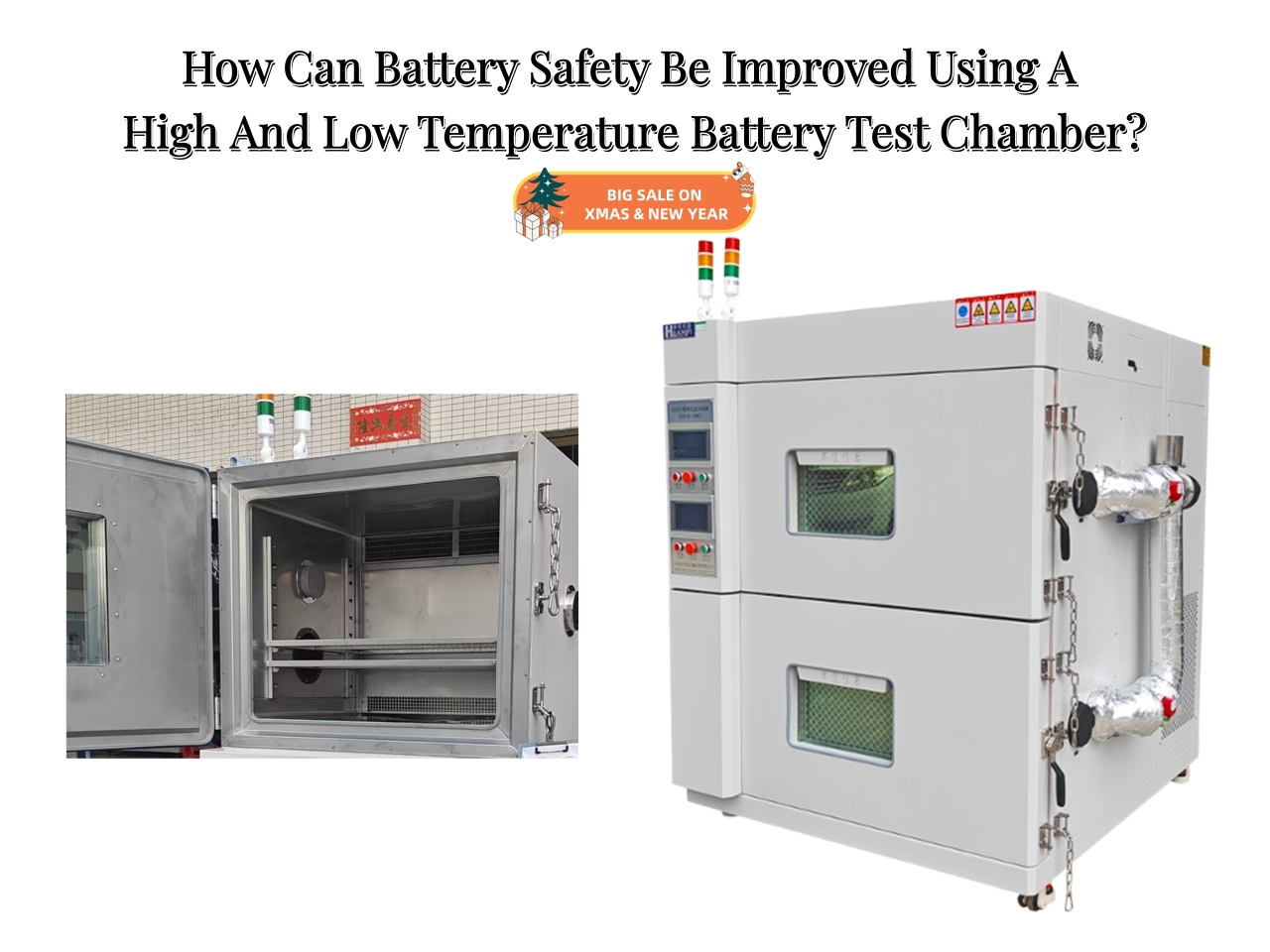
With the advancement of technology, high-altitude low-pressure test chambers are developing towards greater intelligence and precision. Modern test chambers not only possess high-precision air pressure, temperature, and humidity control capabilities but also incorporate intelligent functions such as remote monitoring, automatic data recording and analysis, greatly improving testing efficiency and accuracy. Meanwhile, to adapt to broader testing needs, the design of the test chambers also emphasizes modularity and customizability, meeting the specific testing requirements of different industries and products.
Conclusion
High-altitude low-pressure test chambers, as the "touchstone" for testing the ultimate performance of products, play an irreplaceable role in promoting technological progress in multiple fields such as aerospace, automotive electronics, and defense. With continuous technological innovation, we have reason to believe that future high-altitude low-pressure test chambers will be more efficient and intelligent, safeguarding humanity's exploration.