




How Can Rapid Temperature Change Chambers Help Verify The Reliability Of Components In Harsh Environments?
In today's rapidly developing new energy industries, such as new energy vehicles, energy storage systems, and photovoltaic power generation, product reliability and safety have become paramount. Core components in these fields, such as battery management systems (BMS), power chips (IGBTs), and on-board chargers (OBCs), operate in complex, variable, and even harsh environments for extended periods. Ensuring their stable and efficient operation under drastic temperature fluctuations has become a critical challenge for manufacturers. Against this backdrop, rapid temperature change chambers, as essential environmental simulation testing equipment, are playing an irreplaceable role.
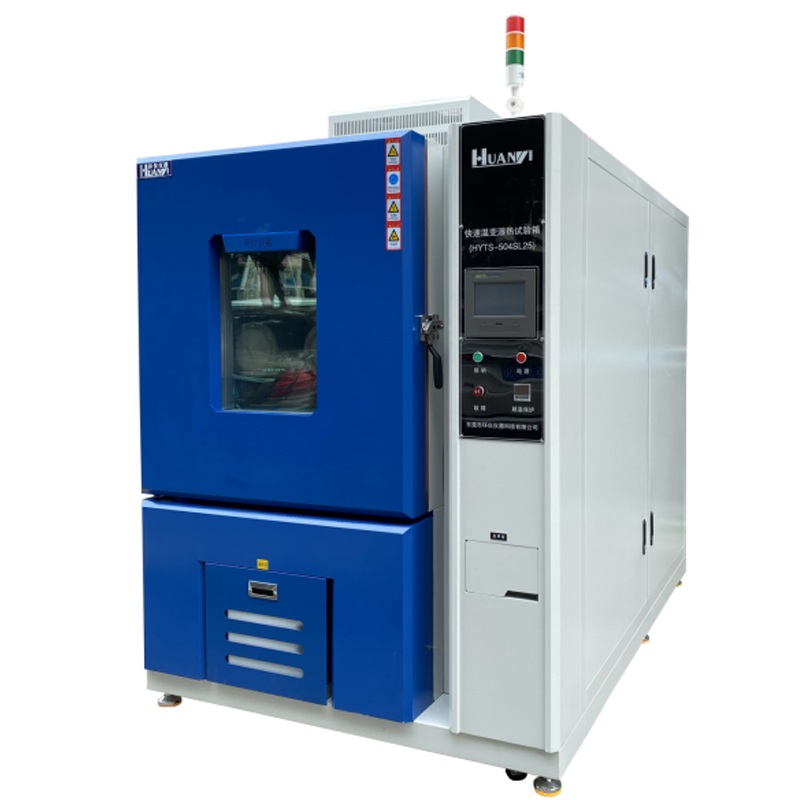
What is a rapid temperature change chamber?
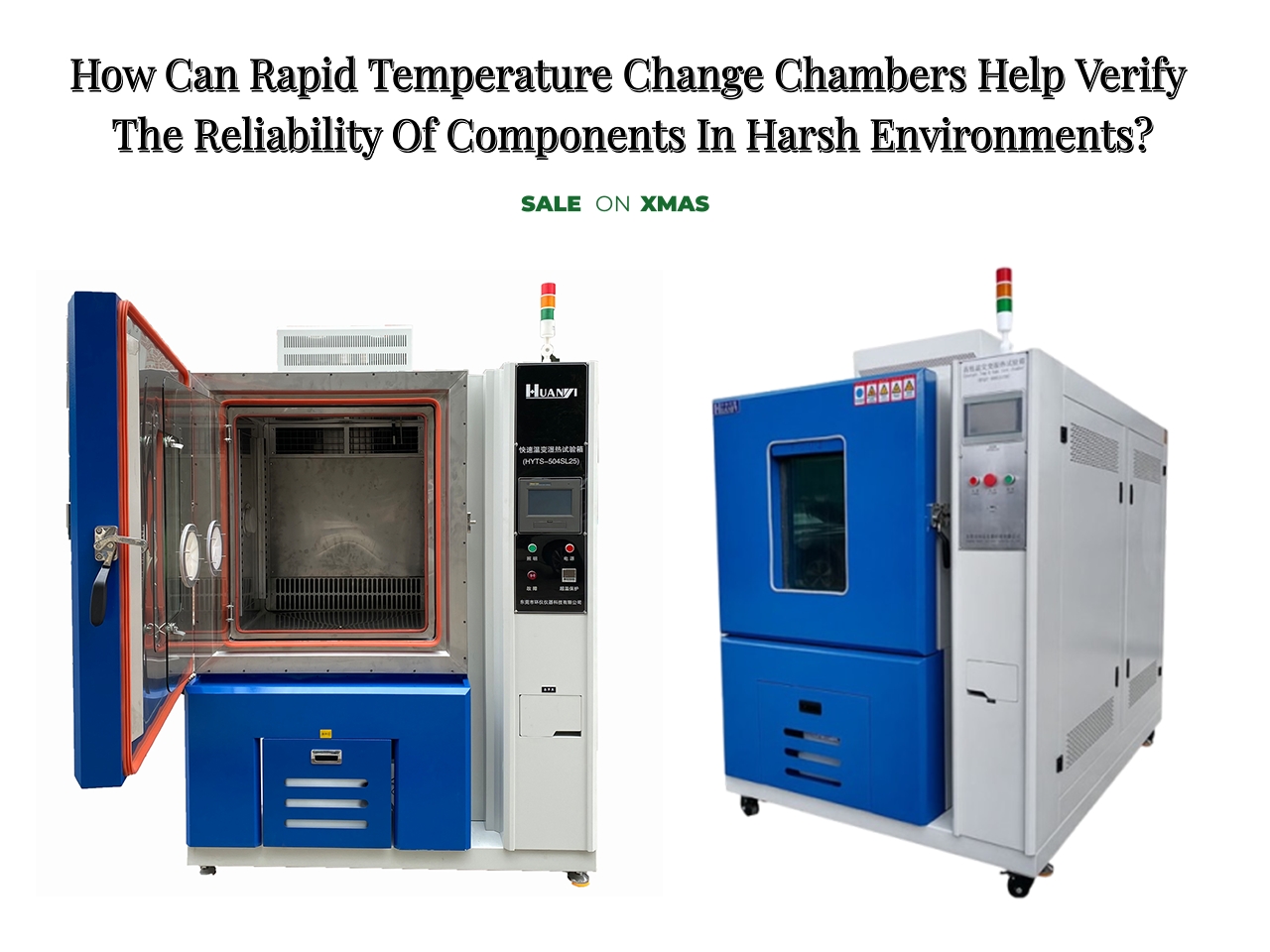
A rapid temperature change chamber is a testing device capable of simulating environments with rapid temperature changes. Through refrigeration and heating technologies, it can achieve precise and rapid temperature increases and decreases within the test chamber in a short time, thereby replicating the harsh temperature conditions that products might experience in the real world, such as a rapid transition from the high temperatures of a desert to the extreme cold of a high-altitude region. Compared to ordinary constant temperature and Humidity Chambers, its core advantages lie in "speed" and "change," enabling more efficient stimulation of potential product defects and accelerating the aging process, thus allowing for rapid assessment of the long-term reliability of components.
Core Application Value in New Energy Testing
New energy components are highly sensitive to temperature. Taking lithium-ion batteries as an example, their performance, lifespan, and safety are all closely related to operating temperature. Excessive temperature gradients or frequent drastic changes can lead to changes in battery internal resistance, capacity decay, and even thermal runaway.
The application value of rapid temperature change chambers is mainly reflected in the following aspects:
1. Screening for potential defects (HALT testing): By applying rapid temperature change stress far exceeding normal operating conditions, weaknesses in the design, materials, or processes of components can be quickly exposed, such as solder cracking, material aging, and poor contact. This helps companies identify and solve problems in the early stages of product development, reducing the risk of failure in the later market.
2. Verifying durability and lifespan (Temperature Cycling Testing): Simulating the temperature cycles that components will experience throughout their entire lifespan due to diurnal temperature variations, seasonal changes, and start-up/shutdown processes. Through hundreds or thousands of rapid high and low temperature cycles, the fatigue durability of the product can be evaluated, thereby predicting its service life.
3. Improving product quality and safety thresholds: Based on test data, engineers can optimize product design, select more temperature-resistant materials, and improve packaging processes, fundamentally improving the quality of components and their safety thresholds in harsh environments.
Factors to Consider in Selection and Use
When selecting a rapid temperature change chamber, key considerations include its temperature change rate (e.g., °C/min), temperature range, load capacity, and control accuracy and uniformity. Furthermore, the stability and reliability of the equipment are crucial for ensuring accurate and reliable test results. Compliance is equally important; testing typically requires adherence to international or industry standards such as GB/T, IEC, and ISO.
Conclusion
In summary, rapid temperature change chambers are no longer merely testing tools, but crucial infrastructure enabling the new energy industry to achieve technological iteration and quality upgrades. They provide scientific and efficient data support for the reliability verification of components, and build a solid technical defense line for improving the safety and durability of new energy vehicles and energy storage systems. As new energy technologies continue to evolve, the requirements for testing equipment will become increasingly stringent, and the technology and development of rapid temperature change chambers will continue to advance alongside the industry.