




How To Effectively Set The Test Time And Cycle In A Dust Test Chamber?
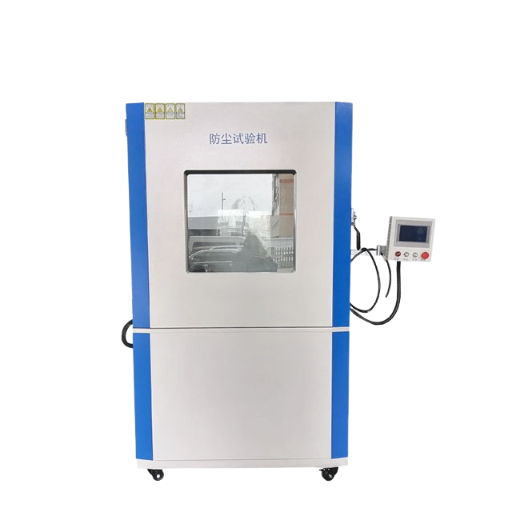
A Dust Test Chamber is a device used to simulate natural dust conditions to conduct aging tests on products or materials. It can evaluate the durability, functionality, and long-term reliability of various materials, equipment, and products in dusty environments. To obtain scientific and reasonable test results, setting the test time and cycle is crucial. Correctly setting the test time and cycle not only effectively simulates actual dust conditions but also helps companies accurately evaluate product performance, optimize product designs, and enhance market competitiveness.
The setting of the test cycle is directly related to the scientific and practical effectiveness of dust tests. An appropriate test cycle should consider the following aspects:
1. Test Cycle Length
The length of a dust test cycle should be determined based on the product's service life, the expected operating environment, and standard requirements. Generally, test cycles can be categorized as short or long:
Short-cycle tests are generally used to quickly assess surface wear of products in dusty environments. Short-cycle tests typically last less than 24 hours and are suitable for rapid feedback on product quality or design improvements. Long-term testing: Primarily used to simulate the effects of dust and sand on products over extended periods of time, particularly for products that must withstand harsh environments. Testing cycles can last for days, weeks, or even months.
2. Multi-stage testing
Certain demanding tests may require phased testing to better assess product performance over varying time periods. For example, in the initial stages of testing, a product may face more intense dust and sand exposure, while the cumulative effects of dust and sand may become more pronounced as testing progresses. Multi-stage testing can help researchers better understand the long-term effects of dust and sand on a product.
3. Repeated and cyclic testing
In actual applications, some products may need to undergo multiple exposures to dust and sand, so the testing cycle should be designed to replicate this. For example, cyclic testing can simulate repeated exposure to dust and sand to test the durability of a material in such an environment.
4. Natural disaster simulation
If the goal is to simulate a specific natural disaster scenario (such as a sandstorm), the test cycle should be designed based on the frequency and duration of the disaster. Clients can consult meteorological data and natural disaster records to determine the appropriate test cycle to ensure that test results accurately reflect the actual environment.
Recommendations for Optimizing Test Time and Cycle:
1. Adjust Test Settings Based on Product Type
Adjust the test time and cycle settings of the dust test chamber based on the product's application and usage environment. For example, electronic products can undergo relatively short test cycles, while automotive parts and building materials require longer dust exposure tests.
2. Arrange Test Phases Appropriately
For products requiring extended testing, it is recommended to divide the test process into several phases, each testing different dust concentrations, temperature, humidity, and wind speeds to evaluate product performance under various environmental conditions.
3. Reference Industry Standards
Customers can refer to relevant industry standards and specifications to understand the industry's requirements for dust test time and cycle, ensuring that the test process meets industry requirements and that the test results are valuable.
4. Repeat the Test Multiple Times
To improve test accuracy and reliability, customers may consider performing multiple repeat tests. By comparing data from multiple test cycles, you can better assess the product's performance in a dusty environment and avoid the influence of unforeseen factors on test results.
The test time and cycle settings of the dust test chamber are one of the key factors in ensuring test effectiveness. Correctly setting the test time and cycle can more realistically and accurately simulate actual dust conditions, providing a scientific basis for product quality testing and design improvements. When setting the test time and cycle, customers should consider multiple factors, such as product characteristics, dust type, and industry standards, to ensure accurate settings and scientific and effective test results.