





How to Test Formaldehyde Emission?
What harmful substances are there in furniture? How to test the content of harmful substances? What are the relevant national standards for them? How can buyers purchase green and harmless furniture? In June 2024, the newly revised mandatory national standard GB 18584-2024 "Limits of Hazardous Substances in Furniture" (hereinafter referred to as GB 18584-2024 standard) standardizes the requirements for the limits of harmful substances in various types of furniture, completely replacing GB18584-2001 "Limits of Hazardous Substances in Wooden Furniture for Interior Decoration and Renovation Materials" and GB28481-2012 "Limits of Hazardous Substances in Plastic Furniture", and is applicable to the determination of all furniture products. It will be officially implemented on July 1, 2025.

GB 18584-2024 "Limits of Hazardous Substances in Furniture", GB 28008-2024 "Safety Technical Specifications for Furniture Structures", and GB 17927-2024 "Safety Technical Specifications for Flame Retardant Performance of Furniture" are all safety standards in the furniture standard system. Compared with GB 18584-2001 "Limits of Hazardous Substances in Wood Furniture for Interior Decoration and Renovation Materials" and GB28481-2012 "Limits of Hazardous Substances in Plastic Furniture", the new national standard has expanded the scope of application of the standard to all types of furniture products. In addition, the requirements and test methods for formaldehyde emission, the definition, requirements and test methods for heavy metals (i.e., migratable elements), and the requirements and test methods for harmful substances such as radionuclides, benzene, toluene, xylene, and TVOC have been changed.
GB 18584-2024 standard specifies the limits of major harmful substances in three types of furniture through three tables. The first category is the overall release of harmful substances in furniture, including formaldehyde, benzene, toluene, xylene and TVOC (total volatile organic compounds). The second category is the requirements for furniture surface coatings, namely 8 migratable harmful elements, that is, heavy metals. The third category is the requirements for furniture materials, such as phthalates and other harmful substances. Zhao Jing said that these harmful substances come from different sources. Formaldehyde comes from artificial board substrates and adhesives for pasting. Benzene, toluene, xylene, and TVOC come from adhesives and coatings. Migratable elements come from furniture surface coatings. Harmful substances in plastic products are mostly phthalates and polycyclic aromatic hydrocarbons. Polybrominated biphenyls and polybrominated diphenyl ethers are mainly concentrated in raw materials such as sponges, fabrics, and plastics.
Calculate the content of harmful substances based on furniture volume and area tests
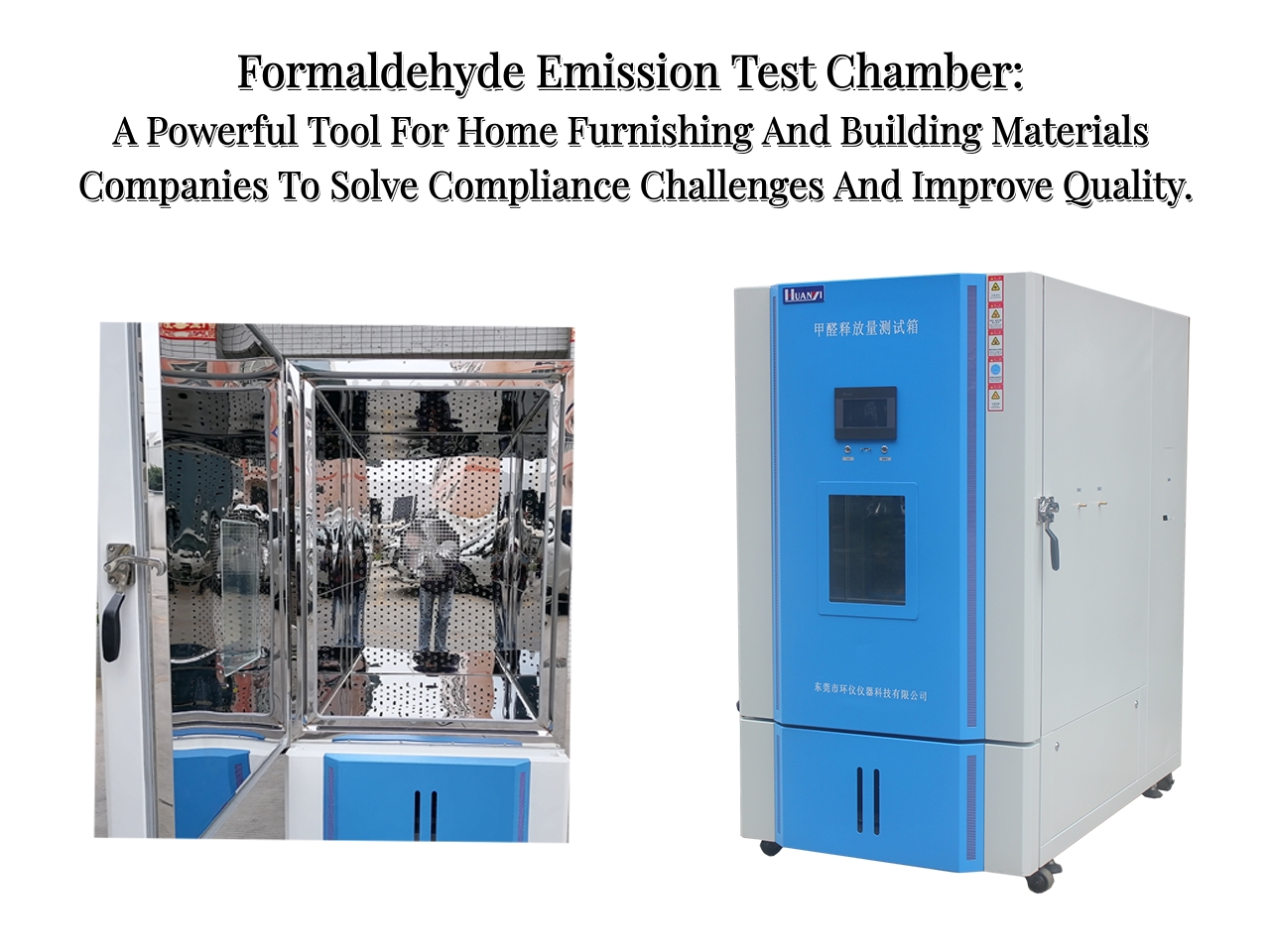
Before conducting a formal test of the content of harmful substances in furniture, the samples to be tested must be pre-treated and then placed in a Climate Chamber for testing. Zhang Ensong, laboratory director of Shenzhen Sai De Testing Technology Co., Ltd., said that the testing methods for different furniture are different, but they all need to be based on the exposed area and volume of the furniture to determine whether the concentration of harmful substances exceeds the standard, so it is necessary to accurately measure the exposed area and volume of the furniture.