







Introduction to ISO 16750 Automotive Electronics Thermal Shock Testing Machine
In the field of reliability verification for automotive electronics, environmental adaptability testing is a crucial means of evaluating the performance stability of components under harsh temperature conditions. Thermal shock testing, as a key test item, is primarily used to simulate environmental conditions where products experience drastic temperature changes within a short period, verifying the reliability of their materials, structure, and function. Thermal Shock Testing Machines conforming to ISO 16750 standards are specialized equipment for performing such tests, with their design, function, and application strictly adhering to international standard requirements.
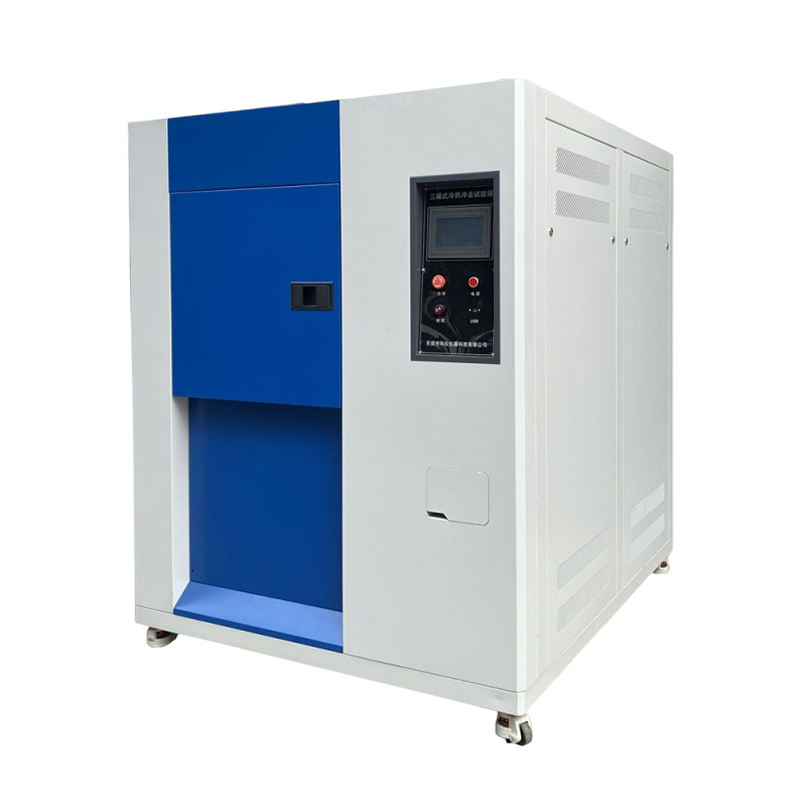
ISO 16750 is an international standard for environmental conditions and testing of electrical and electronic equipment for road vehicles. It details the various environmental stresses that automotive electronic equipment must withstand, including temperature, humidity, and vibration. Thermal shock testing, as an important component of this standard, primarily verifies the product's tolerance to rapid temperature changes. By simulating harsh alternating low-temperature environments, the testing machine accelerates the product aging process, thereby identifying potential defects in a shorter time and improving product reliability.
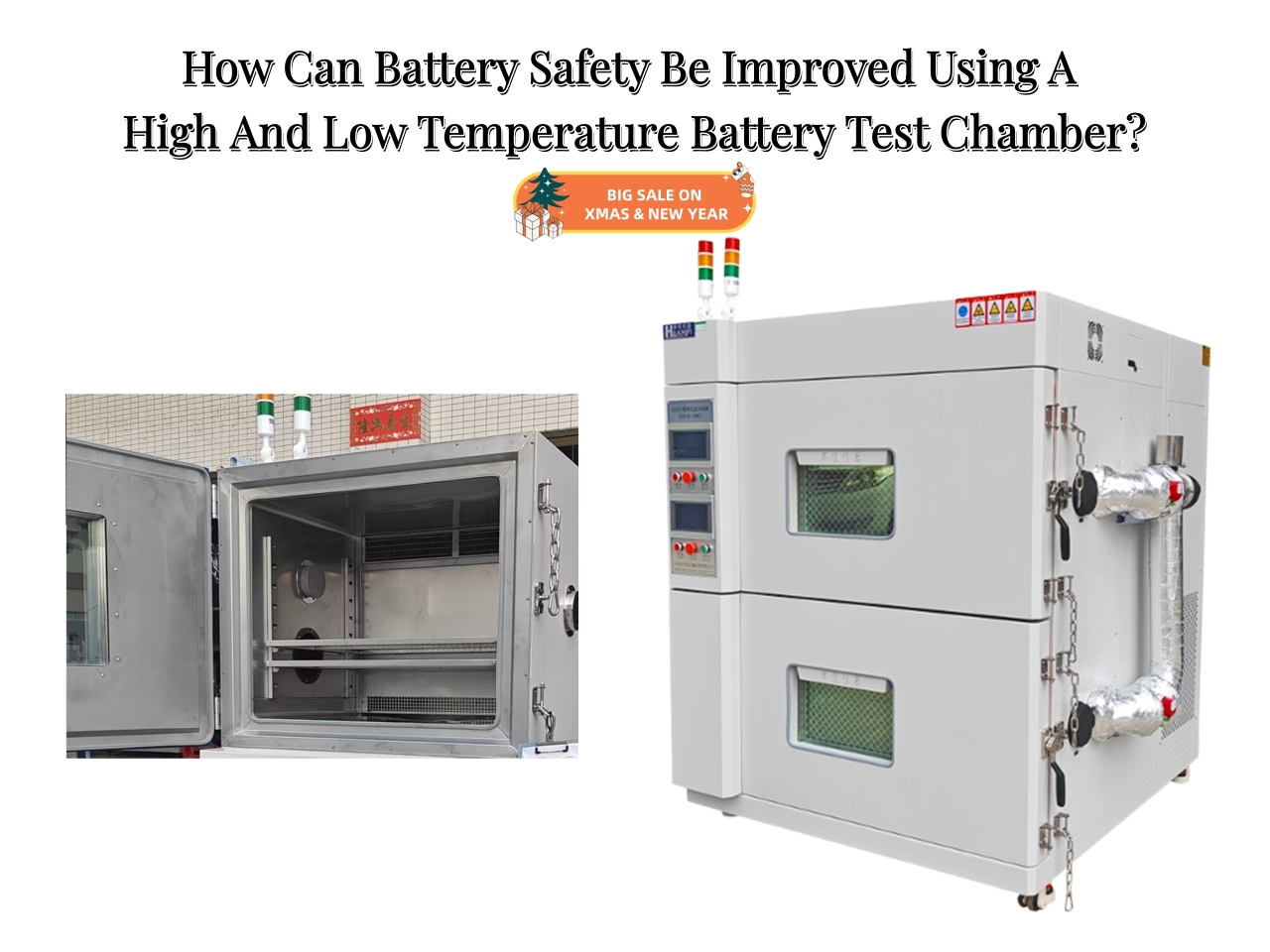
The thermal shock testing machine conforming to ISO 16750 standards possesses several core characteristics. The equipment employs a dual- or triple-slot design to achieve rapid switching between high-temperature and low-temperature zones. The high-temperature zone can typically reach an impressive 150 degrees Celsius, while the low-temperature zone can reach as low as -65 degrees Celsius. Temperature transition times are short, completing temperature changes within tens of seconds, ensuring the rigor of the test. The equipment control system is precise and reliable, employing a programmable logic controller (PLC) and a touchscreen human-machine interface. Users can customize parameters such as temperature range, residence time, and number of cycles, and monitor the testing process in real time. Data logging is comprehensive, and test reports can be exported for easy subsequent analysis. The equipment features excellent safety protection measures, including overheat protection, overcurrent protection, and door lock linkage, ensuring the safety of operators and equipment.
The thermal shock testing machine's testing process typically includes several steps. The first step is sample preparation. The automotive electronic components to be tested are installed in the test chamber, ensuring a secure connection to prevent loosening due to vibration or temperature changes. The second step is parameter setting. According to ISO 16750 standards or specific customer requirements, the high-temperature value, low-temperature value, residence time (e.g., 30 minutes), and number of cycles (e.g., 50 cycles) are set in the control system. The high-temperature dwell phase simulates the product's operation in a hot environment, while the low-temperature dwell phase simulates a cold environment, rapidly switching between scenarios with drastic temperature changes. The third step is test initiation. The equipment automatically executes temperature cycles, monitoring the electrical performance and physical state of the sample during this period, recording any abnormalities such as cracking, deformation, or functional failure. The fourth step is post-test analysis. After completion, the sample is removed for visual inspection, functional testing, and data comparison to assess its compliance with standard requirements.
In practical applications, thermal shock testing machines conforming to ISO 16750 standards are widely used in the automotive electronics industry. For example, critical components such as engine control units (ECUs), sensors, and battery management systems must undergo this type of testing to ensure normal operation even when encountering harsh weather conditions during vehicle operation. Testing not only helps manufacturers identify design flaws but also supports product improvement and quality enhancement, reducing the risk of after-sales failures. This equipment is also used for prototype verification during the R&D phase and batch sampling inspection during the production phase, spanning the product lifecycle.
When selecting a thermal shock testing machine, several factors need to be considered. One is the temperature range and control accuracy, ensuring diverse coverage of the outstanding temperatures required by ISO 16750 while maintaining stability. Secondly, equipment reliability and durability are paramount, employing high-quality materials and components such as a stainless steel inner tank and a high-efficiency compressor to extend service life. Thirdly, energy consumption and maintenance costs are crucial; energy-saving designs reduce operating expenses, and regular maintenance ensures long-term equipment stability. Fourthly, supplier service and support are essential, including installation, training, and after-sales maintenance.
Cold and thermal shock testing machines conforming to ISO 16750 standards are vital tools for automotive electronics reliability testing. By simulating harsh temperature variations, they help manufacturers improve product quality and safety. As automotive electronics become increasingly sophisticated, the importance of such equipment is growing, driving the industry towards greater reliability and safety.