



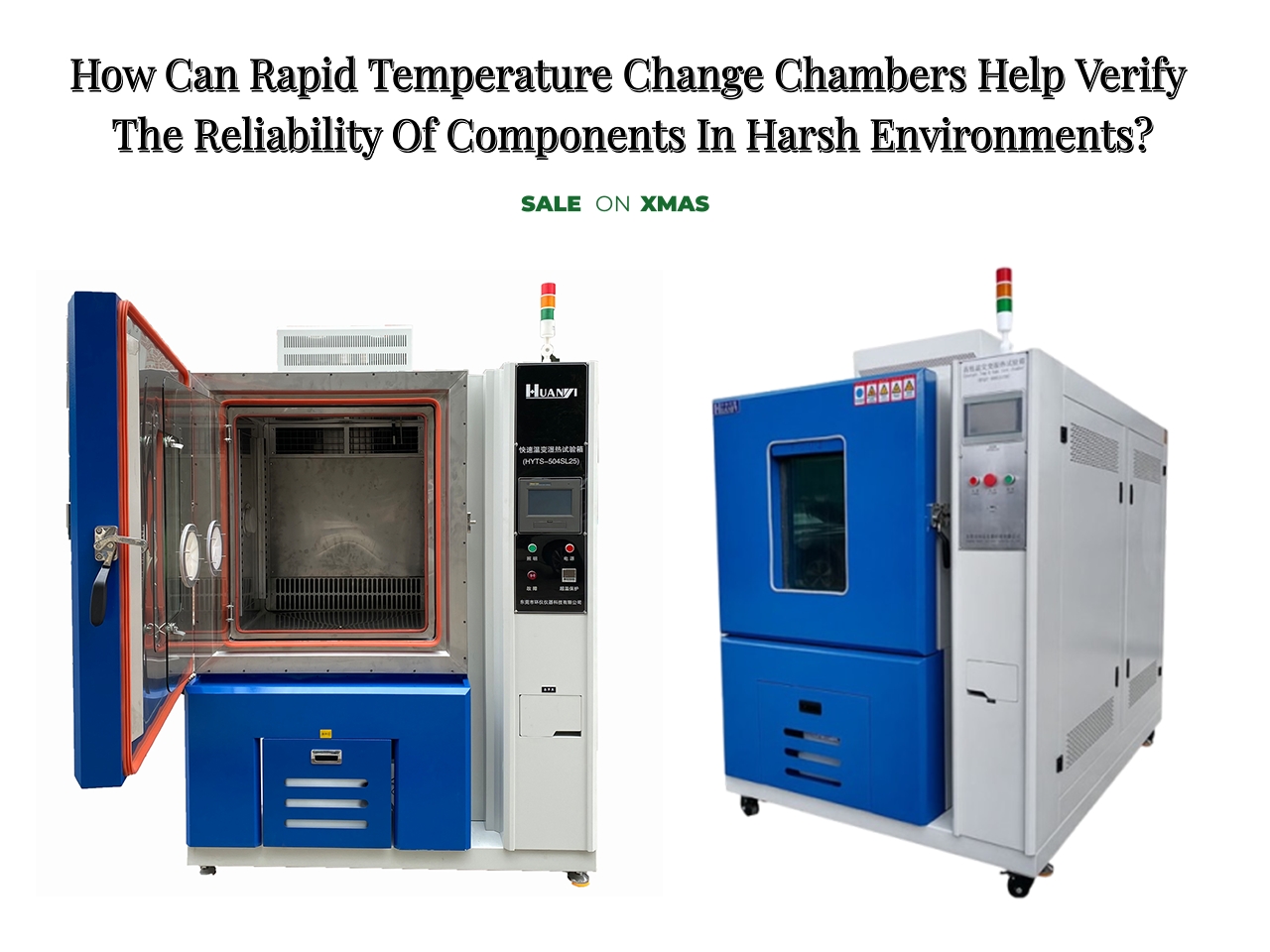
Research on Temperature Uniformity Technology of Rapid Temperature Change Test Chamber
1. Introduction
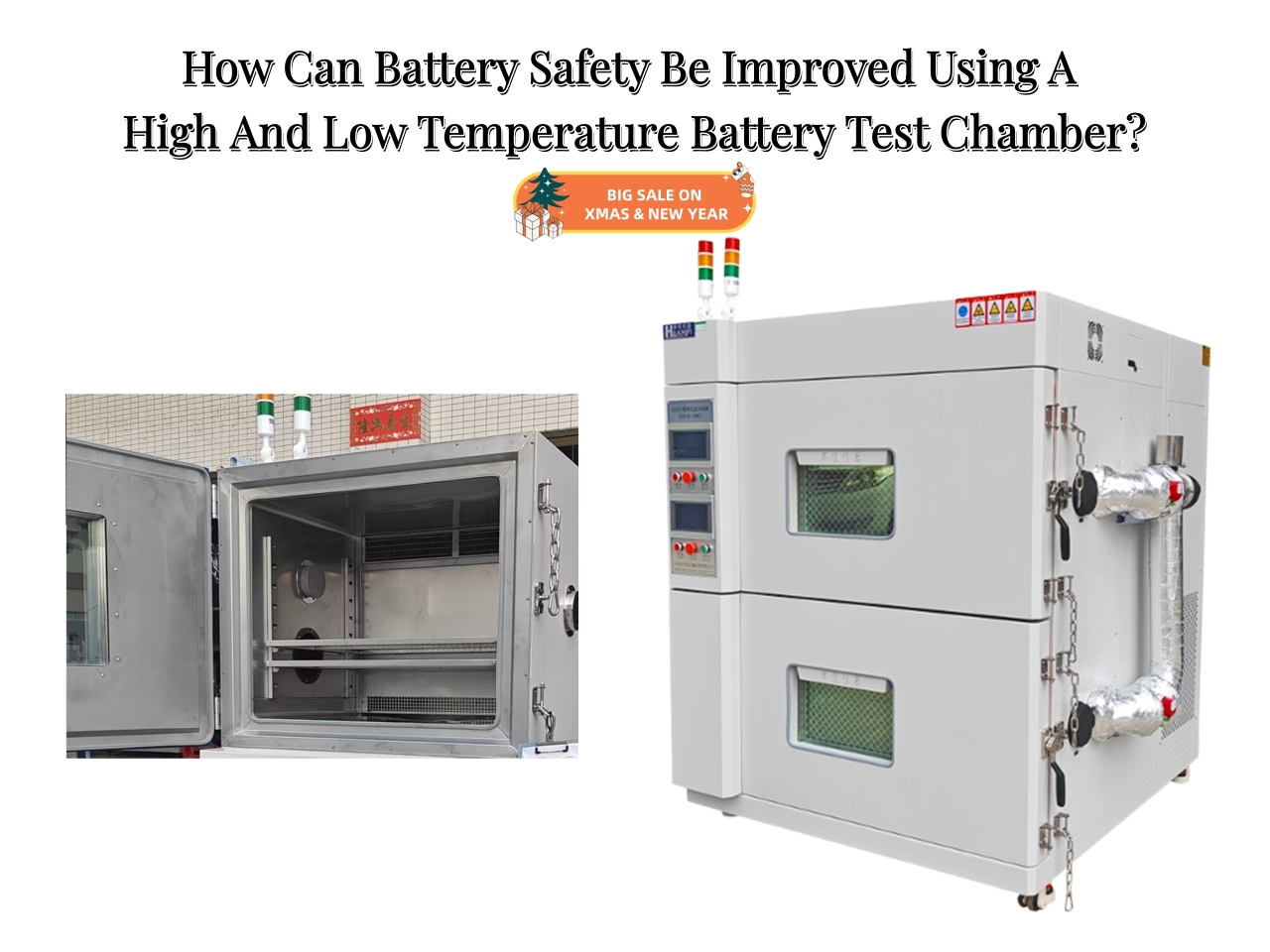
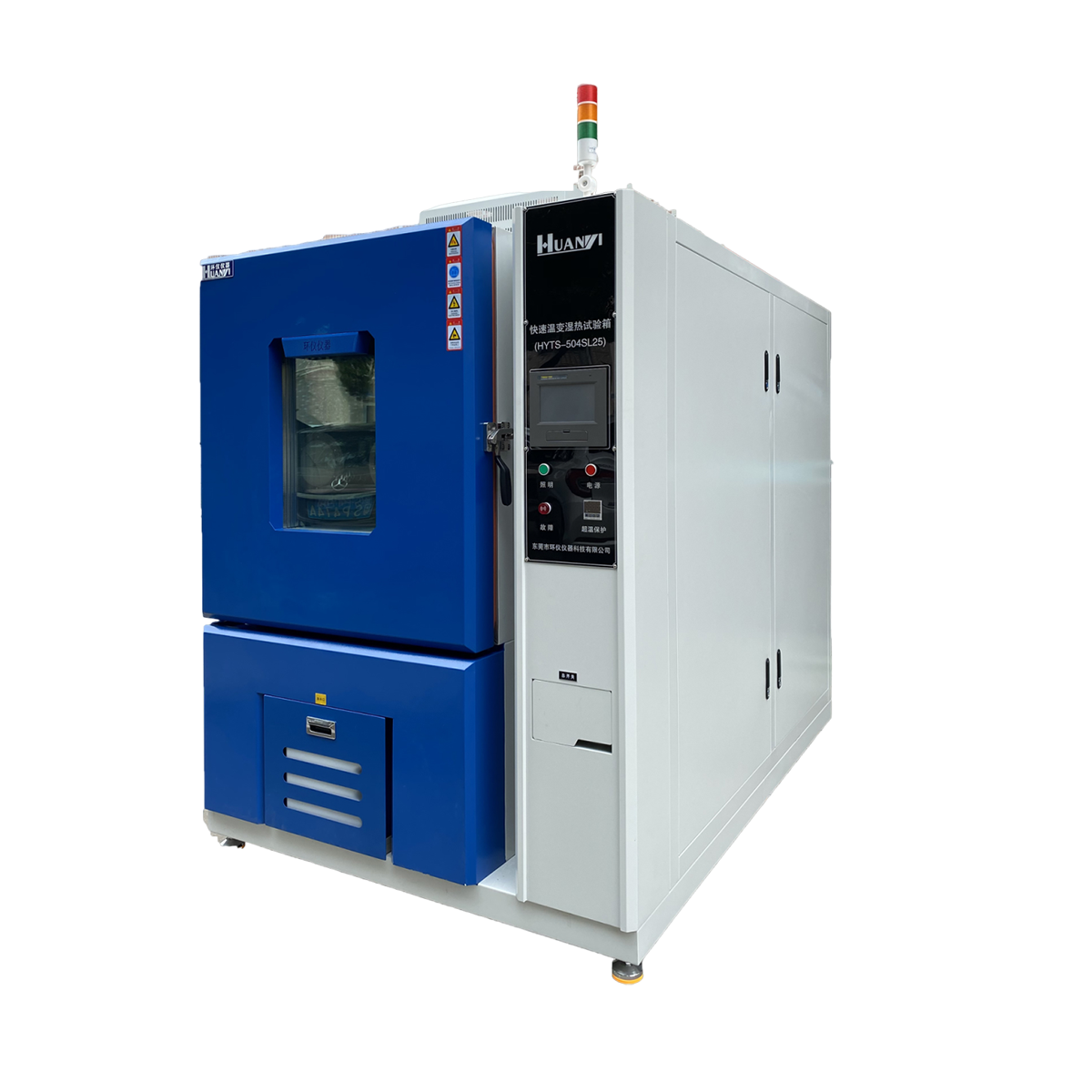
As an important member of environmental testing equipment, high and low temperature rapid temperature change test chambers are widely used in electronics, electrical appliances, automobiles, aerospace, scientific research institutions and other fields. They are used to simulate the use, storage and transportation of products under different temperature environments to test the reliability and stability of products. In these applications, the temperature uniformity in the test chamber is a crucial performance indicator, which directly affects the accuracy and reliability of the test results. Therefore, it is of great significance to study the temperature uniformity technology of high and low temperature rapid temperature change Test Chambers.
2. Factors affecting temperature uniformity
(I) Duct design
The duct is the channel for air circulation in the test chamber. Its design directly affects the flow and temperature distribution of air. A reasonable duct design should enable the air to flow evenly in the test chamber to avoid dead corners of air flow and local over-high or over-low temperatures.
(II) Heating and cooling system
The heating and cooling system is a key component to achieve temperature changes in the test chamber. The layout, power size and control method of the heating element and the refrigeration evaporator will affect the temperature uniformity. For example, uneven distribution of heating elements or insufficient cooling capacity of the refrigeration evaporator may lead to uneven temperature in the test chamber.
(III) Box structure
The box structure of the test box includes the outer shell, inner liner, insulation layer, etc. The material, thickness of the outer shell and inner liner, and the performance of the insulation layer will affect the heat conduction and heat radiation of the test box, thereby affecting the temperature uniformity. In addition, the sealing performance of the box will also have a certain impact on the temperature uniformity. If the box is not sealed tightly, the outside air will enter the box, which will cause temperature fluctuations and unevenness.
(IV) Sample placement
During the test, the placement and number of samples will also affect the temperature uniformity. If the samples are placed too densely or block the air flow, it will cause local air circulation to be poor and the temperature distribution to be uneven.
3. Technical measures to improve temperature uniformity
(I) Optimize air duct design
Use advanced fluid dynamics (CFD) simulation technology to optimize the design of the air duct. By simulating the flow of air in the test box, adjust the shape, size and inlet and outlet positions of the air duct so that the air can flow evenly through various areas of the test box to improve temperature uniformity.
(II) Improve the heating and cooling system
Use multi-point heating and cooling to evenly distribute heating elements and cooling evaporators to improve the accuracy and uniformity of temperature control. At the same time, use advanced control algorithms, such as fuzzy control and PID control, to accurately control the heating and cooling systems to achieve fast and stable temperature changes and uniform temperature distribution.
(III) Optimize the box structure
Use materials with low thermal conductivity and high strength to make the outer shell and liner, increase the thickness and thermal insulation performance of the insulation layer, and reduce heat conduction and heat radiation. At the same time, strengthen the sealing design of the box, use high-performance sealing materials and sealing structures to ensure the sealing of the box.
(IV) Standardize sample placement
Develop standards and specifications for sample placement, requiring test personnel to reasonably place samples during the test to avoid samples being too dense or blocking air flow. At the same time, set up sample racks or sample carts in the test box so that samples can be evenly distributed in the test box to improve temperature uniformity.
4. Temperature uniformity detection method
(I) Point measurement method
Arrange multiple temperature sensors at different positions in the test chamber, such as at the top, middle, bottom, left, right, front and back of the test chamber, measure the temperature values at different positions, and then calculate the average, standard deviation and deviation of these temperature values to evaluate the temperature uniformity in the test chamber.
(II) Thermal imaging method
Use a thermal imager to shoot the temperature distribution in the test chamber, observe the temperature distribution in the test chamber visually through the thermal imaging image, and find out the areas and parts with uneven temperature.
5. Conclusion
The temperature uniformity of the high and low temperature rapid temperature change test chamber is one of the important indicators to measure its performance. By optimizing the air duct design, improving the heating and cooling system, optimizing the box structure, and standardizing the sample placement and other technical measures, the temperature uniformity in the test chamber can be effectively improved. At the same time, the use of scientific and reasonable temperature uniformity detection methods can accurately evaluate the temperature uniformity performance of the test chamber, providing a reliable basis for product research and development, production and quality control.
With the continuous development of science and technology and the continuous improvement of application needs, the research on temperature uniformity technology of high and low temperature rapid temperature change test chambers will continue to deepen. In the future, more advanced temperature uniformity control technologies and detection methods will appear, providing more powerful support for the development and application of environmental testing equipment.