



Salt Concentration In Salt Spray Corrosion Test Chamber Exceeds Standard?
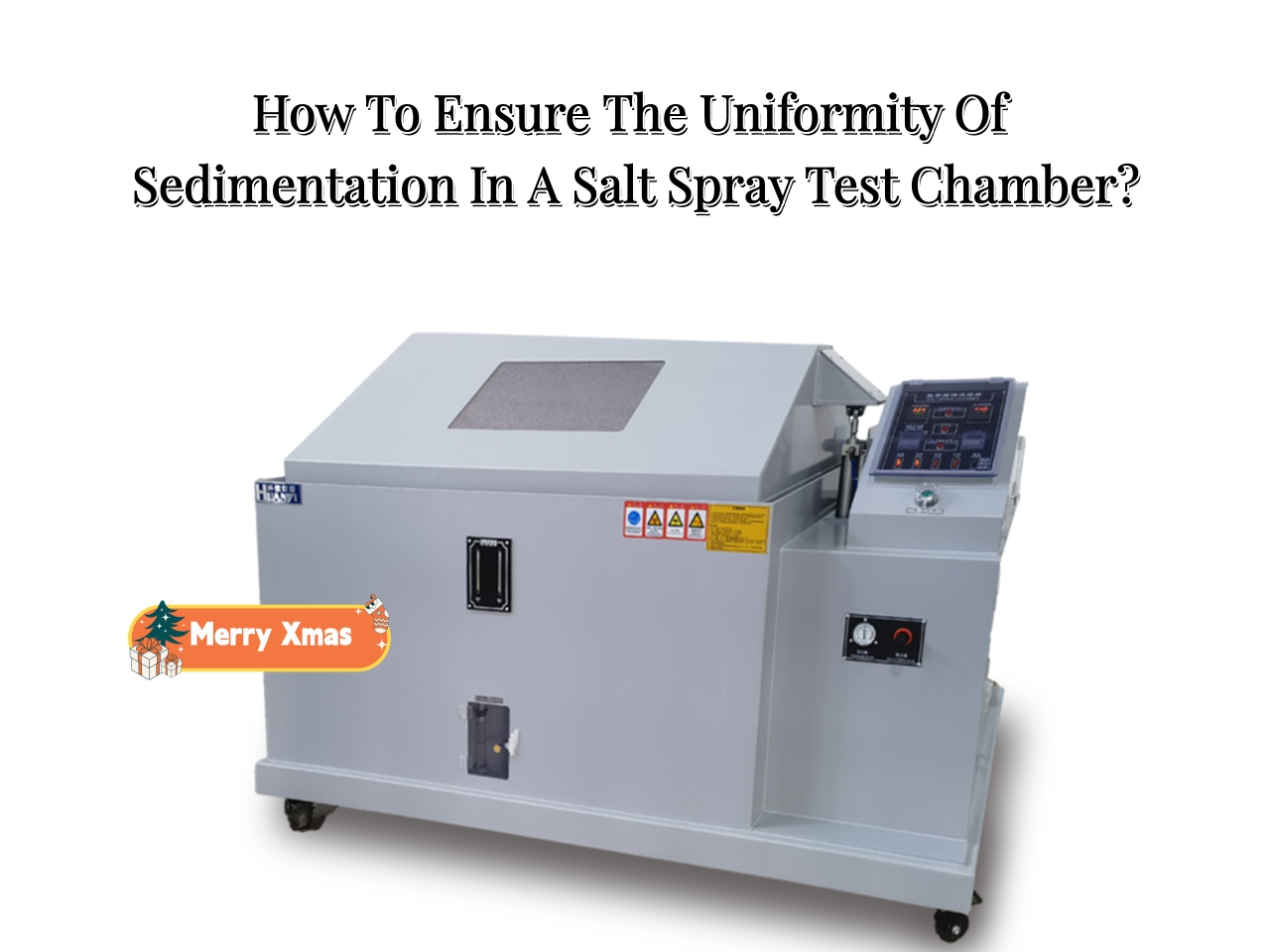
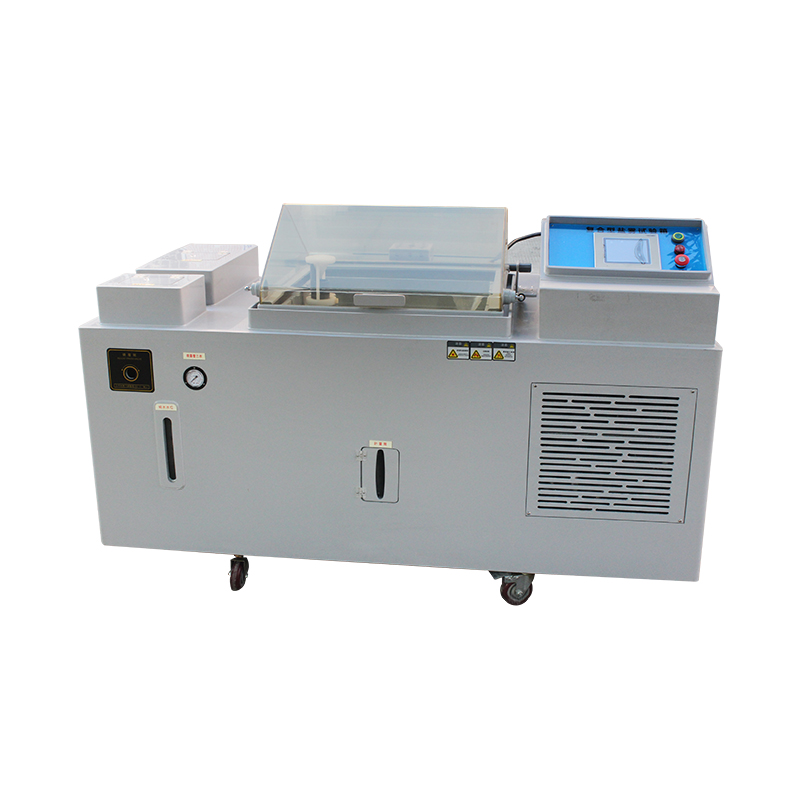
Salt spray Corrosion Test Chambers play a crucial role in testing the corrosion resistance of numerous products, including metallic materials, automotive parts, and electronic equipment. Salt solution concentration is a core factor affecting the accuracy of test results; exceeding the standard concentration will accelerate the corrosion rate of the test samples, leading to data deviations and failing to accurately reflect the actual corrosion resistance level of the product. This article will delve into the two main causes of excessive salt concentration—incorrect solution ratios and automatic water replenishment malfunctions—and provide targeted solutions.
I. Solution Proportioning Errors Leading to Excessive Salt Concentration
1. Errors in Proportioning Calculations
Different types of Salt Spray Tests, such as neutral salt spray test (NSS), acetic acid salt spray test (AASS), and copper-accelerated acetic acid salt spray test (CASS), have strict requirements on the concentration and composition of the salt solution. Taking the common neutral salt spray test as an example, 50g ± 5g of sodium chloride needs to be dissolved in 1L of distilled or purified water to prepare a solution with a concentration of 50g/L ± 5g/L. If an error occurs in calculating the amount of solute sodium chloride or solvent water, for example, mistakenly calculating the amount of sodium chloride required for 1L of water as 60g, far exceeding the standard, it will directly cause the salt concentration to exceed the standard.
Solution: Recheck the requirements for salt solution proportions in the test standard. Accurately weigh the sodium chloride using an electronic balance with an accuracy of 0.1g, and accurately measure the solvent water using a graduated cylinder or pipette. After preparation, measure the specific gravity of the solution using solution titration or a hydrometer (the specific gravity of the neutral salt spray test solution should be 1.0258 - 1.0402 between 33-35°C) and compare it with the theoretical value to verify the accuracy of the concentration.
2. Solute Purity Issues Salt spray testing requires the use of high-purity sodium chloride, containing no more than 0.1% sodium chloride and no more than 0.5% total impurities. Sodium chloride containing anti-caking agents is strictly prohibited, as it may have a corrosion-inhibiting effect and interfere with the test results. If sodium chloride that does not meet purity standards is used, impurities will account for a certain mass, increasing the proportion of sodium chloride actually participating in the reaction relative to the solvent, which may cause the salt concentration to appear to exceed the standard.
Solution: Purchase analytical grade sodium chloride produced by a reputable chemical reagent manufacturer and clearly labeled as suitable for salt spray testing. Before each preparation, check the integrity of the reagent packaging and the shelf life, and observe the appearance of the sodium chloride for any discoloration, clumping, or other abnormalities. If there is any doubt about the purity of the solute, it can be sent to a third-party testing institution for testing to ensure it is correct before using it in solution preparation.
3. Insufficient Stirring of the Solution
Insufficient stirring during the dissolution of sodium chloride in water can lead to locally high salt concentrations and uneven overall solution concentration, creating a false impression of excessive salt concentration. This problem is particularly common when preparing large quantities of solution in large containers, especially when manually stirring.
Solution: Use a magnetic stirrer or electric stir bar at an appropriate speed to ensure continuous stirring for 15-30 minutes to fully dissolve the sodium chloride. Observe the solution during stirring until no obvious particulate sodium chloride residue remains and the solution is clear and homogeneous.
II. Automatic Water Replenishment Malfunction Causing Excessive Salt Concentration
1. Water Replenishment Device Malfunction
The automatic water replenishment system monitors the salt solution level through a water level sensor. When the water level drops to a set value, it automatically opens the water replenishment valve to add water. If the water level sensor malfunctions, such as corrosion due to prolonged contact with the salt solution leading to abnormal signal transmission, it may misjudge the water level and continue adding water when replenishment is not needed. This causes excessive dilution of the salt solution, and the displayed salt concentration may exceed the standard due to algorithm issues (in reality, the detection is inaccurate after dilution). Additionally, a malfunctioning water replenishment valve, such as one that does not close tightly, causing leakage and continuous seepage into the salt solution, can also cause a similar situation.
Solution: Inspect the water level sensor for corrosion or damage. Use a multimeter to check its resistance value or signal output to ensure it is within the normal range. If abnormal, replace the water level sensor with the same model. For the water replenishment valve, after shutting off the water supply, check the valve seal for aging or wear. Replace it immediately if necessary. Manually operate the valve to test its flexibility. If the valve malfunction is irreparable, the entire valve must be replaced. After repair, recalibrate the water replenishment system, set the correct water level threshold, and observe whether it can replenish water normally and stop replenishing.
2. Water Quality Issues in Replenishment If the water source used for replenishment is of poor quality, containing more minerals, impurities, or microorganisms, these substances may interfere with salt concentration detection or react with the salt solution, altering the solution composition and causing the detected salt concentration to exceed the standard. For example, in replenishment water with excessive hardness, the calcium and magnesium ions may undergo a double decomposition reaction with sodium chloride, generating slightly soluble substances that affect the true salt concentration of the solution.
Solution: Prioritize using distilled water or deionized water as the automatic water replenishment source, as this type of water has high purity and fewer impurities. If other water sources are used, water quality testing must be conducted in advance. Water quality testing kits can be used to test indicators such as calcium and magnesium ions and pH in the water, or the water can be sent to a professional institution for testing. If the water quality does not meet the standards, install suitable water purification equipment, such as a reverse osmosis water purifier, to purify the replenishment water before use.
Excessive salt concentration in the salt spray corrosion test chamber is a complex issue involving multiple aspects, including solution preparation and automatic water replenishment. In daily use, operators should strictly follow the standard procedures to prepare solutions and regularly maintain the automatic water replenishment system. If any abnormal salt concentration is found, the above causes should be investigated and resolved in a timely manner to ensure the accuracy and reliability of the test results.