




Simulated Transport Vibration Table: Using Technology to Help Various Industries Meet Transportation Challenges
In global supply chains, the transportation journey of products is fraught with unforeseen challenges. The persistent vibrations and impacts generated during extended road transport are among the primary causes of product damage and performance degradation. How can these potential risks be scientifically anticipated and addressed before actual shipment? As a vital environmental simulation testing technology, the automotive transport vibration simulator provides critical solutions for numerous industries, helping enterprises enhance product packaging reliability and quality stability.
I. Transportation Vibration: A Cross-Industry Challenge
Regardless of a product's value, vibration hazards during transport are ubiquitous. For precision instruments, even minor vibrations can cause component loosening or calibration inaccuracies. For electronics, persistent impacts compromise solder joints and internal structural integrity. For fragile items like ceramics and glass, vibration is the direct culprit behind breakage. Even heavy industrial equipment faces fatigue loosening of fasteners under vibration. Therefore, replicating and studying these vibration effects in laboratory settings has become a critical component of product development and quality control.
II. Technical Core: How to Simulate Real Transportation Environments?
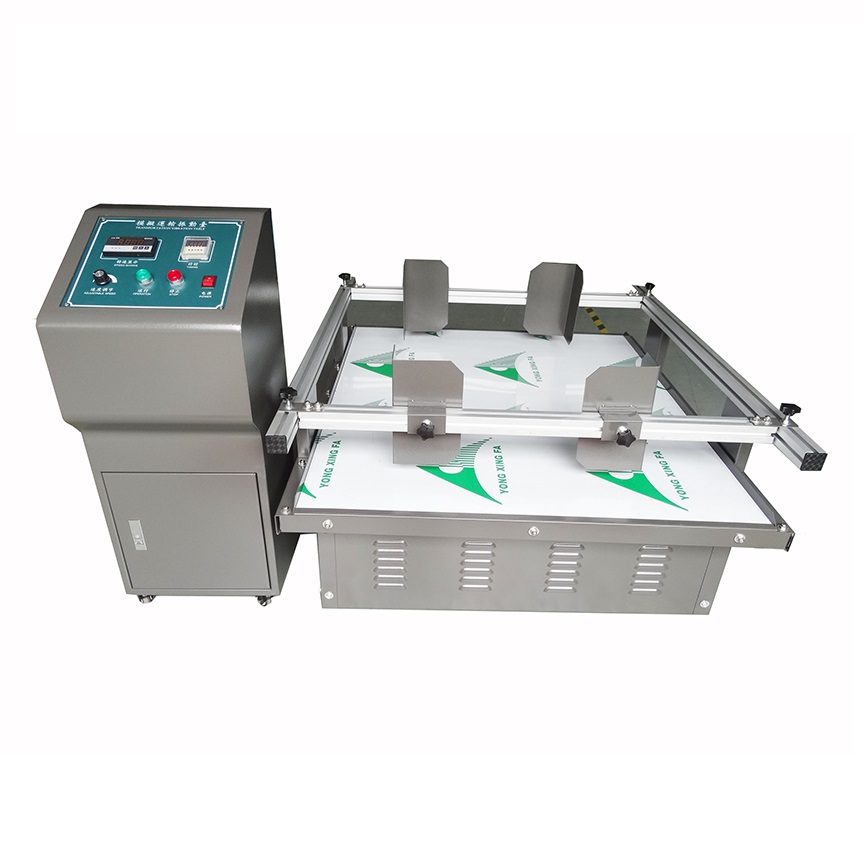
Modern automotive vibration test rigs are far more than simple vibration devices. Integrating mechanical engineering, digital control, and sensor technology, they can highly replicate real-world road transport conditions.
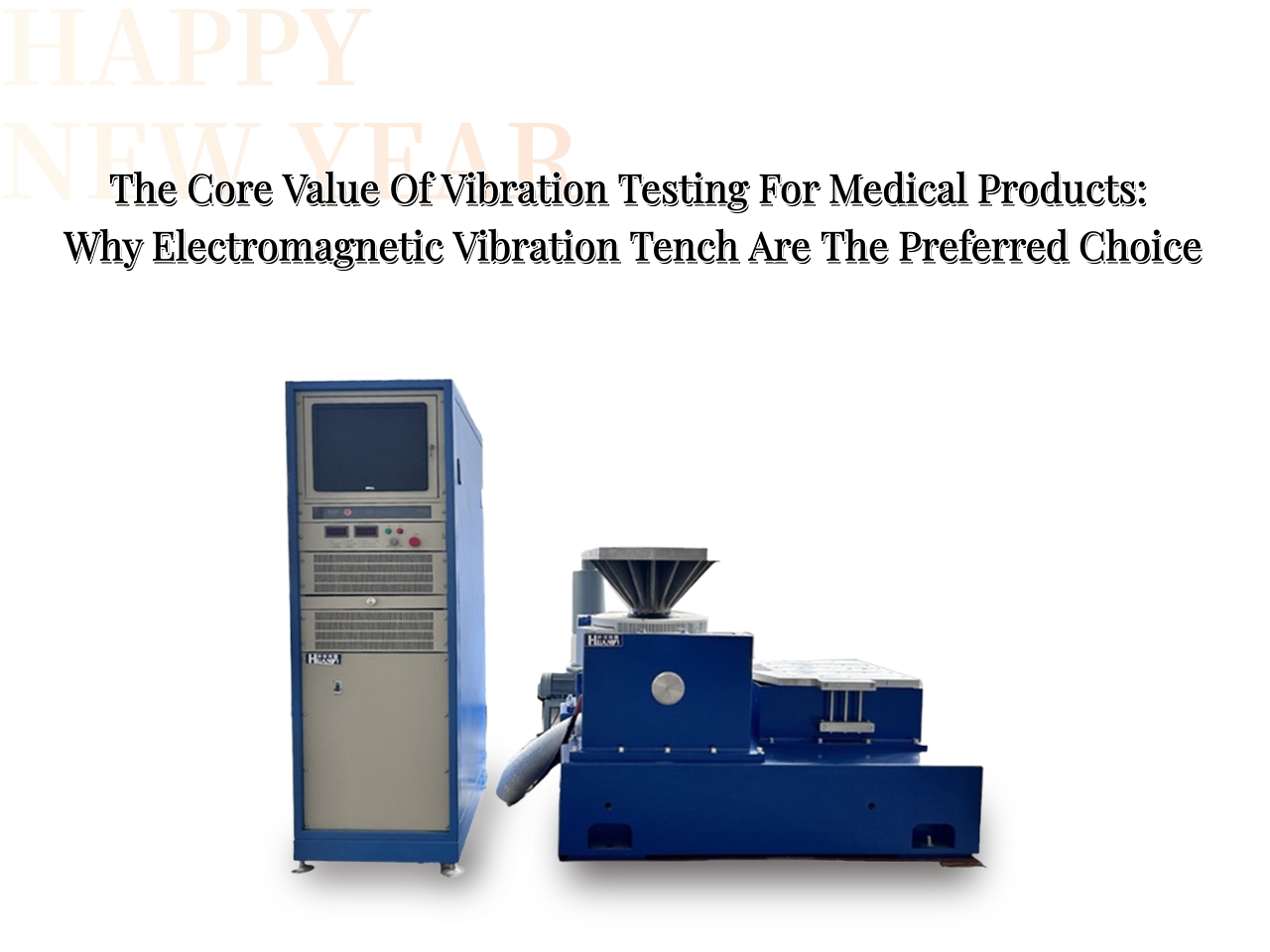
Their operating principle is based on collecting and analyzing actual transportation vibration data. Engineers deploy recorders on roads to gather metrics such as vibration frequency, acceleration, and power spectral density (PSD) under various vehicle types, road conditions, and speeds. This data is then fed into the vibration table's control system, driving the platform to execute precise, reproducible motions.
Advanced equipment typically employs electromagnetic or hydraulic drive systems, enabling vertical, horizontal, or simultaneous multi-directional vibration to comprehensively simulate the complex dynamic stresses encountered in truck, ship, or rail transport. Through this scientific simulation, weeks or even months of transport fatigue effects can be equivalently replicated within days or hours, significantly enhancing testing efficiency.
III. Multi-Industry Application Scenarios
Vibration testers for automotive transport simulation have extensive applications, covering nearly all manufacturing sectors requiring transportation:
Consumer Electronics Industry: Tests structural integrity, screw tightness, and the reliability of screens and connectors in products like smartphones, laptops, and home appliances, ensuring functional integrity upon delivery.
Automotive Components Industry: Tests components like headlights, rearview mirrors, and infotainment systems to verify their ability to withstand transportation shocks from suppliers to vehicle assembly plants.
Medical Devices & Pharmaceuticals Industry: Ensures precision diagnostic equipment and surgical instruments maintain accuracy after transport, while verifying pharmaceutical packaging protects glass ampoules or pre-filled syringes from breakage.
Industrial Manufacturing Sector: Tests large equipment control cabinets, precision sensors, robotic components, etc., to prevent internal wiring loosening and structural deformation.
New Energy Sector: Specifically evaluates mechanical stress changes in battery modules and photovoltaic components during transport, enabling preliminary validation of safety and performance lifespan.
IV. Core Value for Enterprises
Investing in simulated automotive transport vibration testing signifies a company's commitment to building a forward-looking quality assurance system. Its primary value lies in:
Risk Proactive Management: Identifying issues before shipment to avoid post-sale losses and brand reputation risks.
Cost Efficiency: Reducing expenses from returns, repairs, and excessive packaging caused by transport damage.
Data-Driven Decision Making: Providing scientific, quantifiable basis for packaging design, material selection, and structural optimization.
Conclusion
The challenges of transport vibration are real, yet no longer unmanageable. As a bridge connecting laboratories to the real world, the automotive transport vibration simulator empowers enterprises to shift quality control from “reactive response” to “proactive anticipation” through its advanced technological applications. It serves not only as a tool for enhancing product delivery quality but also as a vital asset for strengthening supply chain resilience and market competitiveness, providing robust technical support for the steady development of industries across all sectors.