





Test Methods And Severity Levels Of Alternating Salt Spray Test Chamber
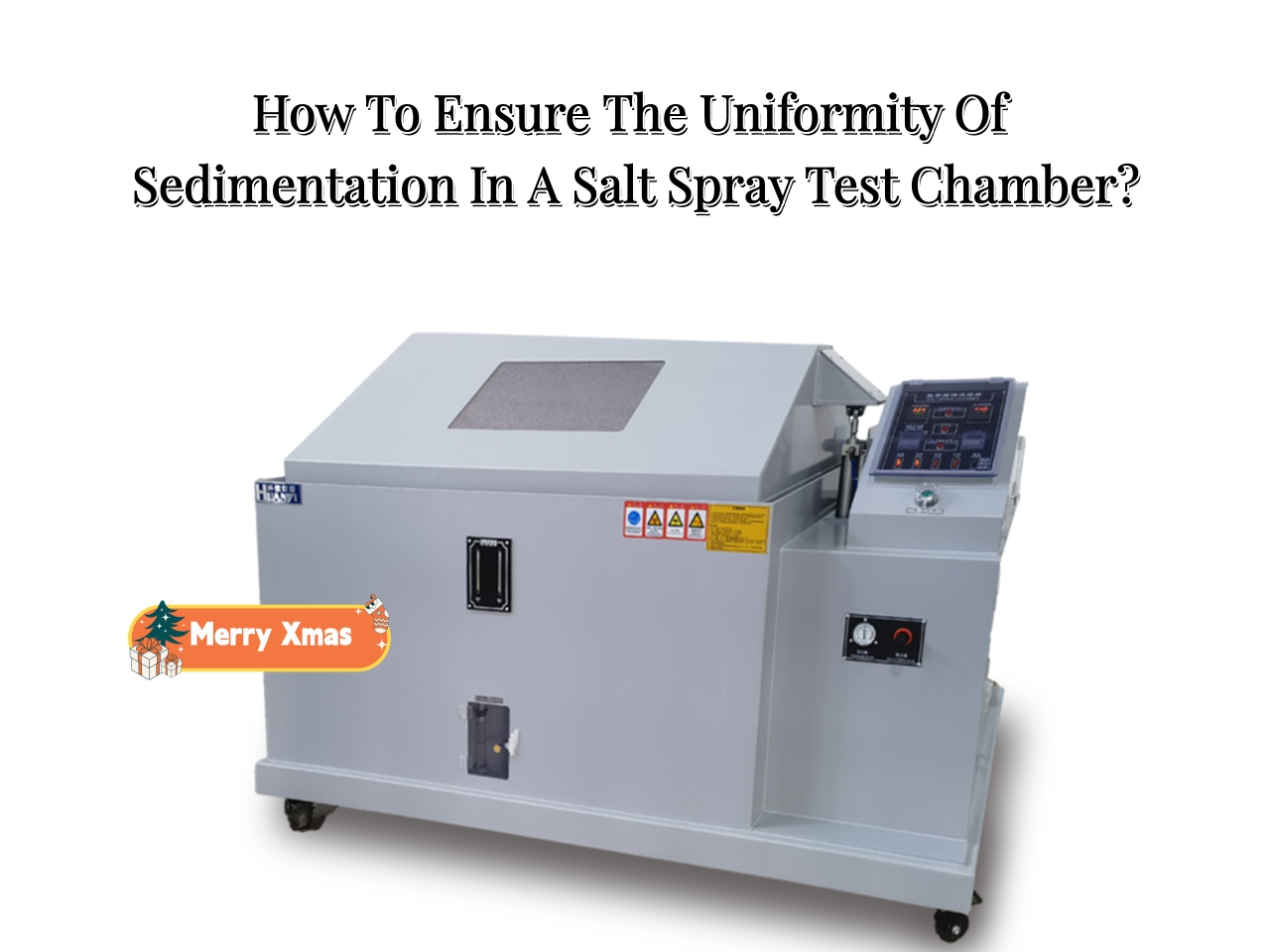
Alternating Salt Spray (Sodium Chloride Solution) Introduction
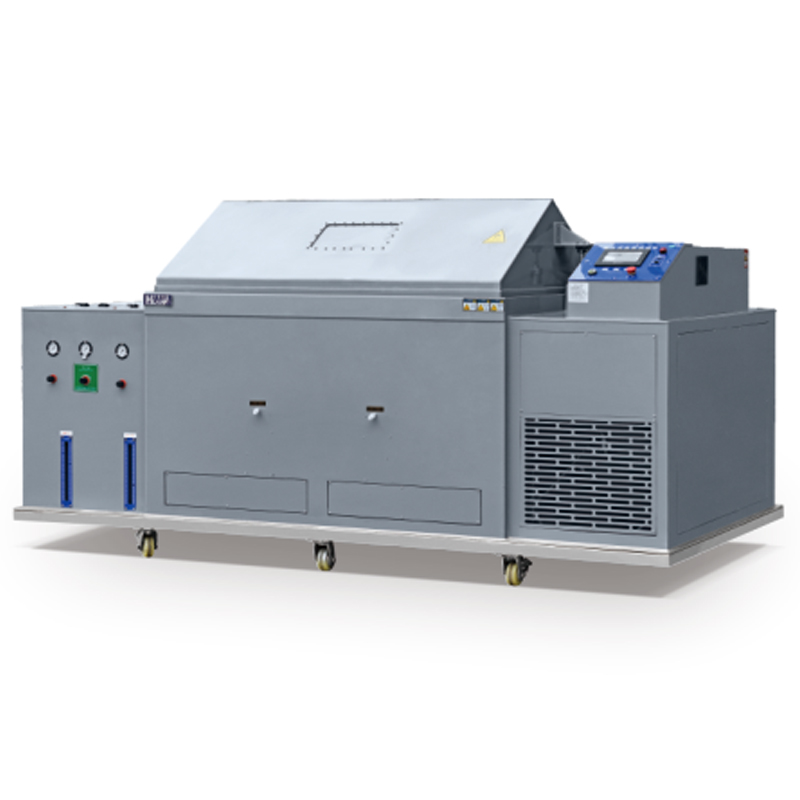
Salt can degrade the properties of metallic and/or non-metallic materials.
Alternating salt spray is suitable for components or equipment that can withstand saline atmospheres. The appropriate severity level is selected based on the tolerance level during the test.
The alternating Salt Spray Test consists of alternating test conditions, including salt spray conditions, dry conditions, humid heat conditions, and standard atmospheric conditions.
Salt Spray Conditions: The test sample undergoes electrochemical or complex chemical reactions in an acidic or neutral salt solution, resulting in corrosion. During the test, a thin electrolyte film forms on the surface of the test sample, further promoting corrosion.
Dry Conditions: Heated air in the test chamber may cause moisture evaporation from the surface of the test sample, thereby reducing relative humidity and increasing the temperature of the test sample. This leads to an increase in solution concentration and accelerates the chemical reaction, thus accelerating the corrosion process. Under these conditions, salt precipitates from the solution onto the sample surface. The evaporation and heating rates vary depending on the test chamber and the test sample.
1. From Dry Conditions to Humidity and Heat Conditions
As relative humidity increases, salt crystals precipitated on the sample surface absorb water vapor until a liquid electrolyte solution is formed, and the corrosion process restarts.
2. From Salt Spray to Humidity and Heat Conditions
At the end of a salt spray cycle, humidity and heat conditions allow the test sample surface to maintain its existing humidity, preventing excessive dilution of the solution due to moisture condensation.
Standard Atmospheric Conditions: Placing test samples under standard laboratory conditions allows most test samples to gradually dry, and the corrosion reaction gradually slows down. In practice, a phase of gas drying may occur during operational interruptions, such as over the weekend. Including such a drying phase may result in a corrosion mechanism that is completely different from that under constant humidity and heat conditions. The test method should be selected according to the procedure given below. No additional drying period (e.g., over the weekend)
Test Method 1 (Level 1)
One cycle is 7 days. One cycle should consist of spraying the test sample with salt solution at 35°C ± 2K for 2 hours, followed by storage at 40°C ± 2K and a relative humidity of (93 ± 3)% for 6 days and 22 hours. The number of cycles is four (28 days). In manual operation, the transfer time (maximum 2 hours) should preferably be included in the 6 days 22 hours of humid heat conditions.
Test Method 2 (Level 2)
One cycle is 1 day. One cycle should include spraying the test sample with a salt solution at 35°C ± 2K for 2 hours, followed by storage at 40°C ± 2K and (93 ± 3)% relative humidity for 22 hours. The number of cycles is three (3 days). In manual operation, the transfer time (maximum 2 hours) should preferably be included in the 22 hours of humid heat conditions.
Test Method 3 (Level 3)
One cycle is 7 days. One cycle should include spraying the test sample with a salt solution at 35°C ± 2K for 2 hours, followed by storage at 40°C ± 2K and (93 ± 3)% relative humidity for 22 hours. This is repeated four times. The test sample is then stored at 23°C ± 2K and (50 ± 5)% relative humidity for 3 days. The required number of cycles is one (7 days). In manual operation, the transfer time (maximum 2 hours) should preferably be included within the 22-hour humid heat period and the 3-day standard atmospheric period.
Test Method 4 (Level 4)
The required number of cycles is two (14 days) as specified in Test Method 3.
Test Method 5 (Level 5)
The required number of cycles is four (28 days) as specified in Test Method 3.
Test Method 6 (Level 6)
The required number of cycles is eight (56 days) as specified in Test Method 3.
Test Method 7 (Level 7)
One cycle is 8 hours. One cycle should include spraying the test sample with a salt solution at 35°C ± 2K for 2 hours, followed by maintaining it under dry conditions at 60°C ± 2K and relative humidity <30% for 4 hours, and then maintaining it under humid heat conditions at 50°C ± 2K and relative humidity >95% for 2 hours. The transition time for temperature and humidity (the permissible time to reach the specified temperature and relative humidity after changing test conditions) should be selected from the following: Salt spray to dry conditions: within 30 min or 30 min to 60 min; Dry to humid heat conditions: within 15 min or 15 min to 30 min; Humid heat to salt spray conditions: within 30 min; These transition times should be included in the time of the next test condition, for example, the dry condition time includes the transition time from salt spray to dry conditions. Once the salt spray conditions begin, start spraying the test sample with the salt solution. Recommended number of cycles are 3 (1 day), 6 (2 days), 12 (4 days), 30 (10 days), 45 (15 days), 60 (20 days), 90 (30 days), 150 (50 days), and 180 (60 days)
Test Method 8 (Level 8)
One cycle is 8 hours. As with Test Method 7, use an acidic salt solution instead of a neutral salt solution. The number of cycles should be similar to that of Test Method 7.