



Unveiling the High and Low Temperature Test Chamber: How to Ensure Product Reliability
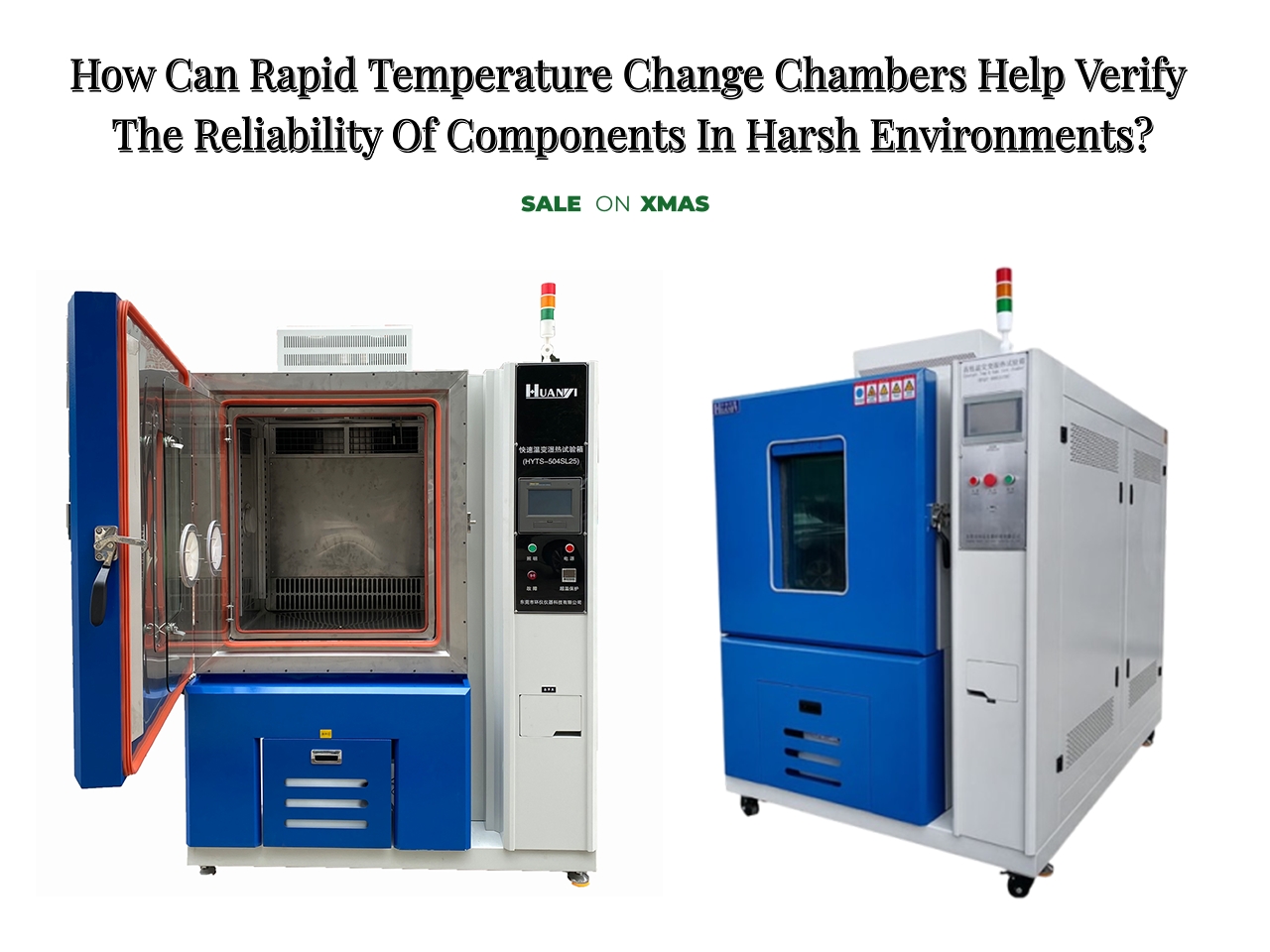
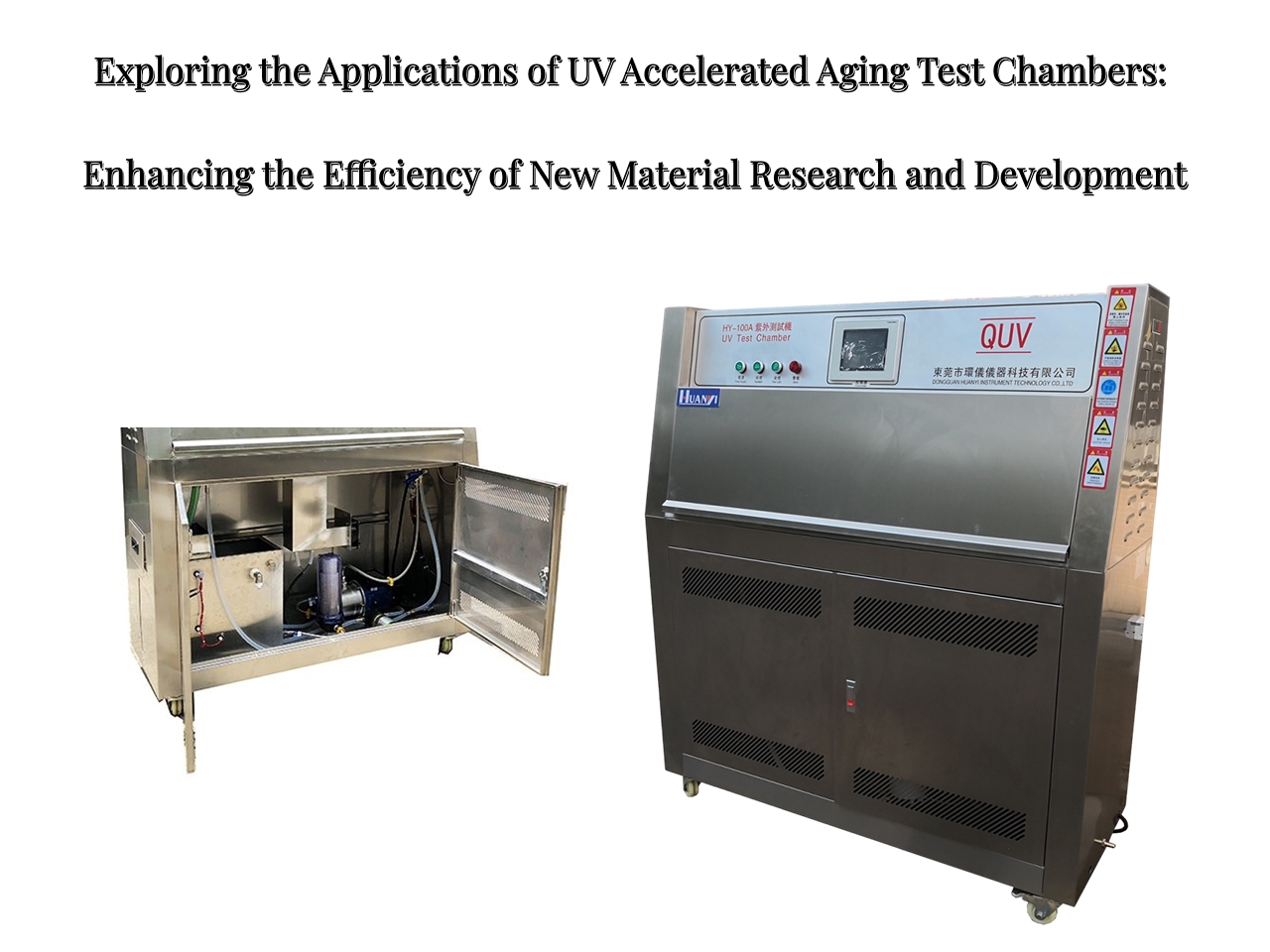
In the field of modern manufacturing and scientific research, the reliability of product quality directly affects the market competitiveness and brand reputation of enterprises. As the core equipment for simulating special temperature environments, high and low temperature test chambershave become a key tool for verifying product durability. This article will deeply analyze the technical principles, application scenarios and selection points of high and low Temperature Test Chambers, and reveal how they can safeguard product reliability.
Temperature simulation technology: from basic control to intelligent optimization
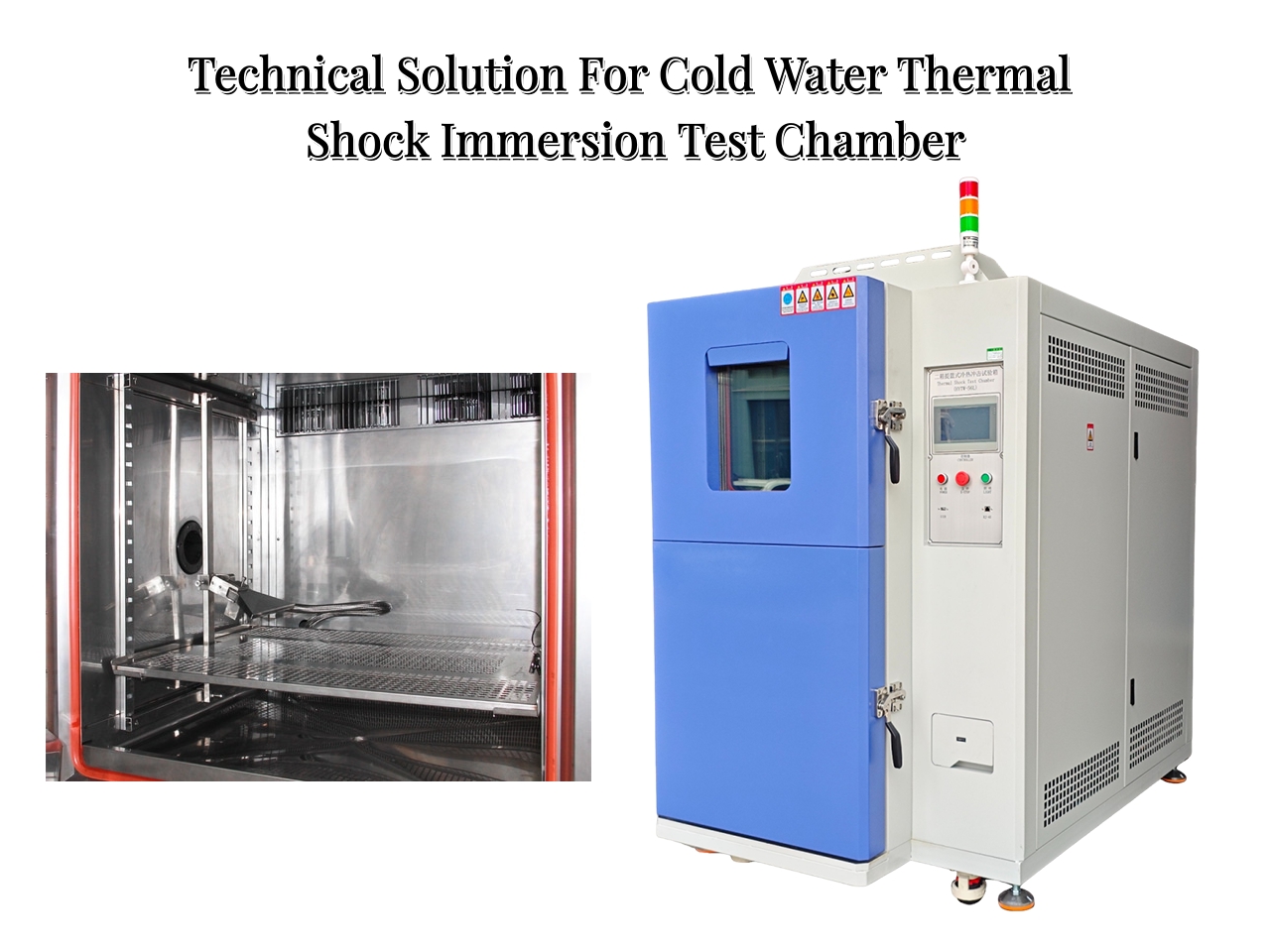
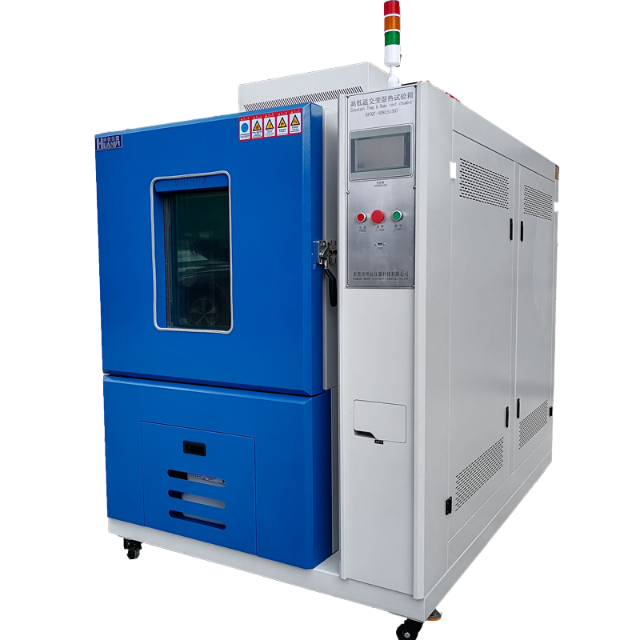
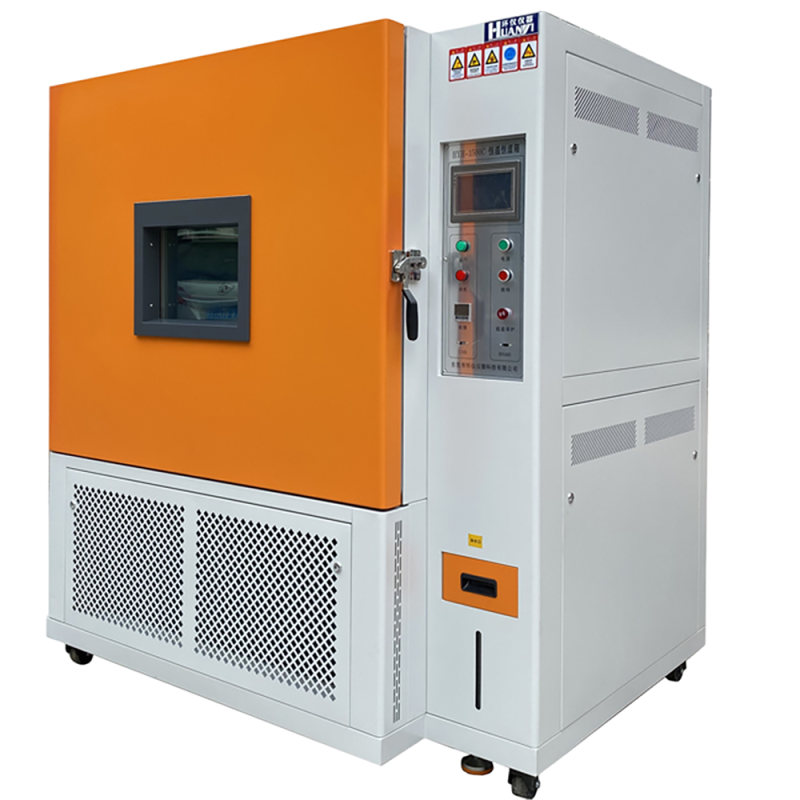
The core of high and low temperature test chambers lies in their precise temperature control system. Modern equipment uses cascade refrigeration technology, and through multi-stage compressor refrigeration cycles, it can achieve a wide temperature range of -70℃ to 150℃. Some special models can even reach the extreme range of -100℃ to 250℃. The temperature fluctuation is controlled within ±0.5℃, and the uniformity is maintained at ±2℃ to ensure the stability of the test environment.
In terms of intelligence, some manufacturers have introduced AI dynamic temperature control algorithms, which automatically adjust the cooling/heating power by collecting multi-point temperature data in the box in real time, and realize accurate prediction and control of temperature changes. Some equipment is also equipped with an Internet of Things module to support remote monitoring and data analysis, greatly improving test efficiency.
Multi-industry applications: targeted solutions to reliability challenges
The requirements for high and low temperature testing vary significantly in different industries, and the design of the test chamber also needs to be adjusted accordingly:
Electronic appliances: The equipment is required to support rapid temperature changes (5-15℃/min), simulate the thermal shock effect of the chip when it is turned on and off, and detect solder joint fatigue, material expansion and other problems.
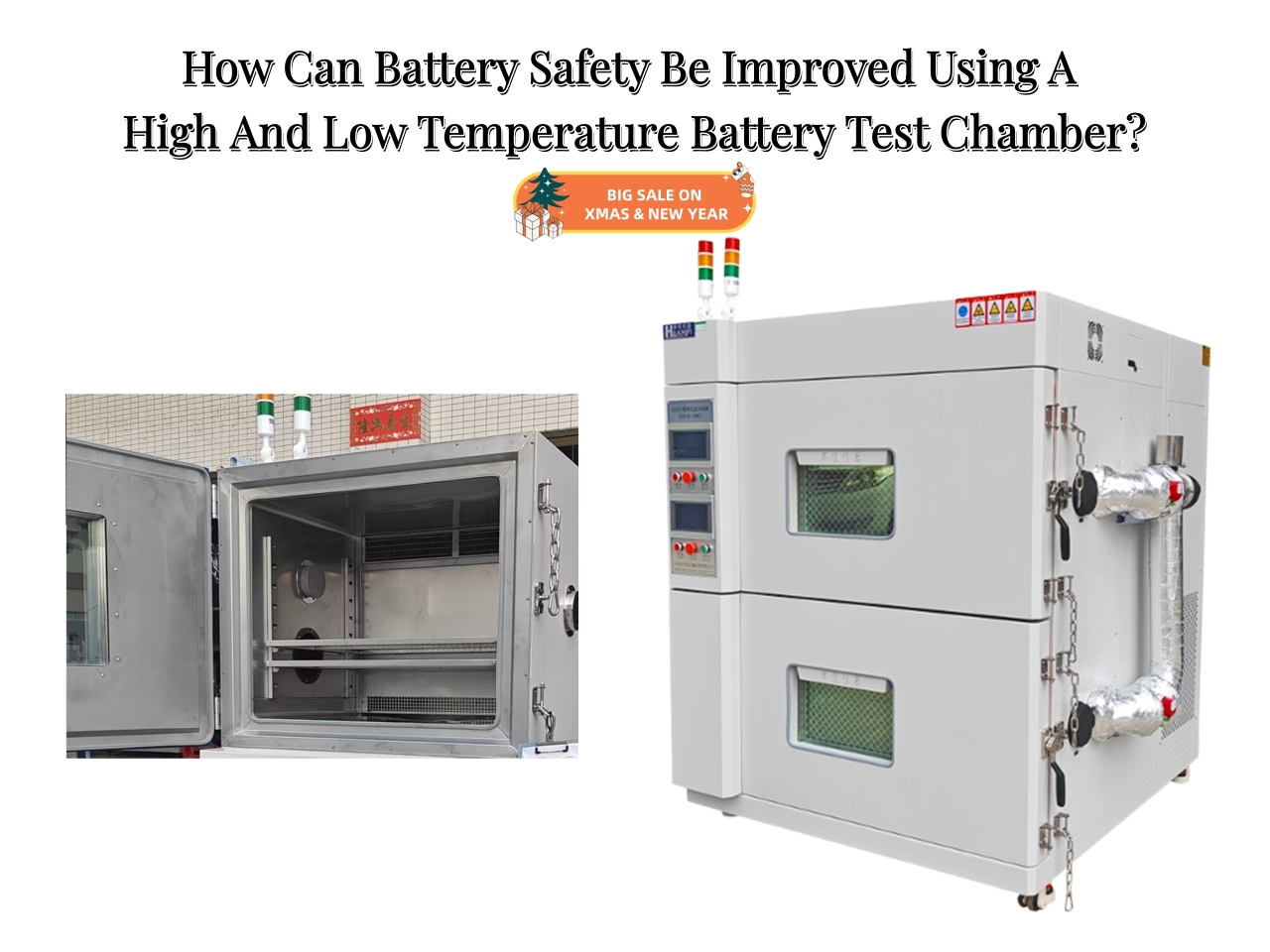
New energy vehicles: Battery pack testing needs to integrate explosion-proof design to meet the IEC 62133 standard, and support multi-temperature zone synchronous testing to shorten the R&D cycle.
Photovoltaic modules: According to the GB/T 10592-2023 standard, a -40℃ to 85℃ cycle test is required to evaluate potential failure modes such as silicon wafer microcracks and packaging material aging.
Aerospace: Materials and components need to be tested for tens of thousands of cycles in an ultra-wide temperature range of -120℃~+300℃, with high requirements for equipment sealing and temperature uniformity (±0.5℃).
Key to structural design: scientific balance between sealing and insulation
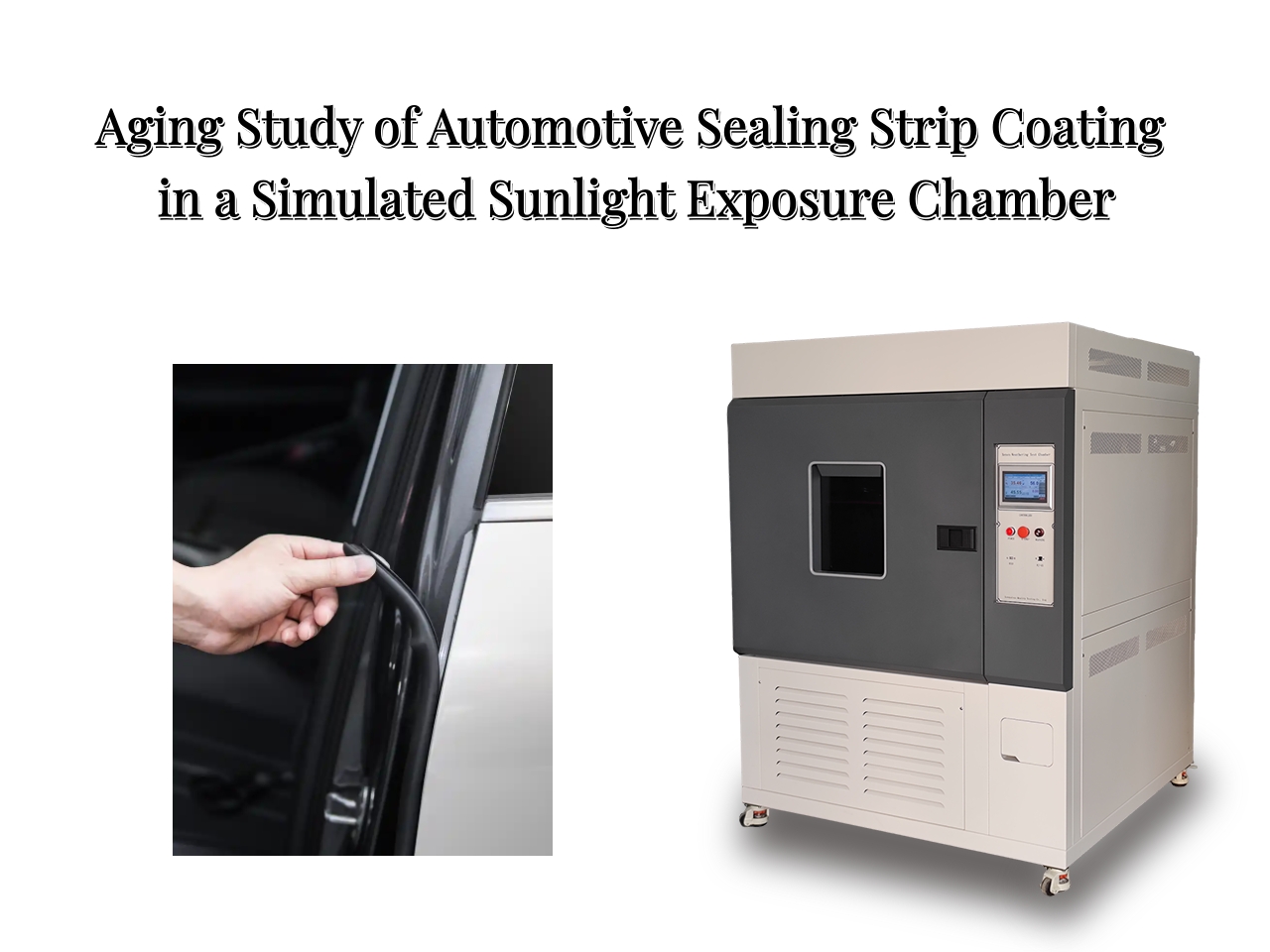
The sealing design of the test chamber directly affects the accuracy of the test. High-quality equipment uses a double-layer door structure and silicone rubber sealing strips to maintain airtightness in the range of -60℃ to 200℃, and the leakage rate does not exceed 1×10⁻⁵ Pa·m³/s. The insulation layer uses polyurethane foam or glass fiber wool, with a thermal conductivity as low as 0.022W/(m·K), which effectively reduces heat exchange.
The air duct design is also crucial. Reasonable airflow organization (such as up-sending and down-returning or horizontal circulation) can ensure uniform temperature in the chamber. Some new equipment uses three-dimensional air supply technology to control the temperature deviation within ±1℃, and data reliability can be guaranteed even during full-load testing.
Selection and maintenance: Scientific decision-making to extend equipment life
When selecting, companies should focus on:
Temperature change rate: 3-5℃/min can be selected for conventional testing, and 15-20℃/min equipment is required for rapid temperature change.
Box volume: The sample volume should not exceed 1/3 of the studio to avoid obstructing air circulation.
Energy efficiency ratio: The new equipment uses environmentally friendly refrigerant (R32) and heat recovery technology, and the comprehensive energy consumption is reduced by more than 30%.
Daily maintenance is also critical:
Clean the condenser every 3 months to ensure heat dissipation efficiency;
Check the status of the sealing strip regularly to prevent aging and leakage;
When it is out of use for a long time, power it on for 1 hour every half month to maintain system activity.
Future Trends: Greening and Specialization in Parallel Development
With the increasing complexity of testing needs, high and low temperature test chambers present two major development directions: in terms of environmental protection and energy saving, the application of natural refrigerants (such as CO2) and frequency conversion technology further reduces carbon emissions; in terms of functional expansion, the equipment supports the combination of "basic chamber + module", and users can flexibly select functions such as humidity control and low pressure simulation to achieve multi-environmental factor coupling testing.
Conclusion
High and low temperature test chambers help companies discover potential product defects in advance and improve reliability from the source by accurately simulating special temperature environments. With technological advances, its application scope is expanding from traditional manufacturing to emerging fields such as new energy and biomedicine. When selecting models, companies should base themselves on actual testing needs, comprehensively consider temperature control accuracy, energy efficiency standards and expansion performance, and choose high-quality equipment that truly fits long-term development to build a solid line of defense for product reliability.