





Using Salt Spray Test Chambers to Evaluate the Corrosion Resistance of Materials and Coatings
Introduction
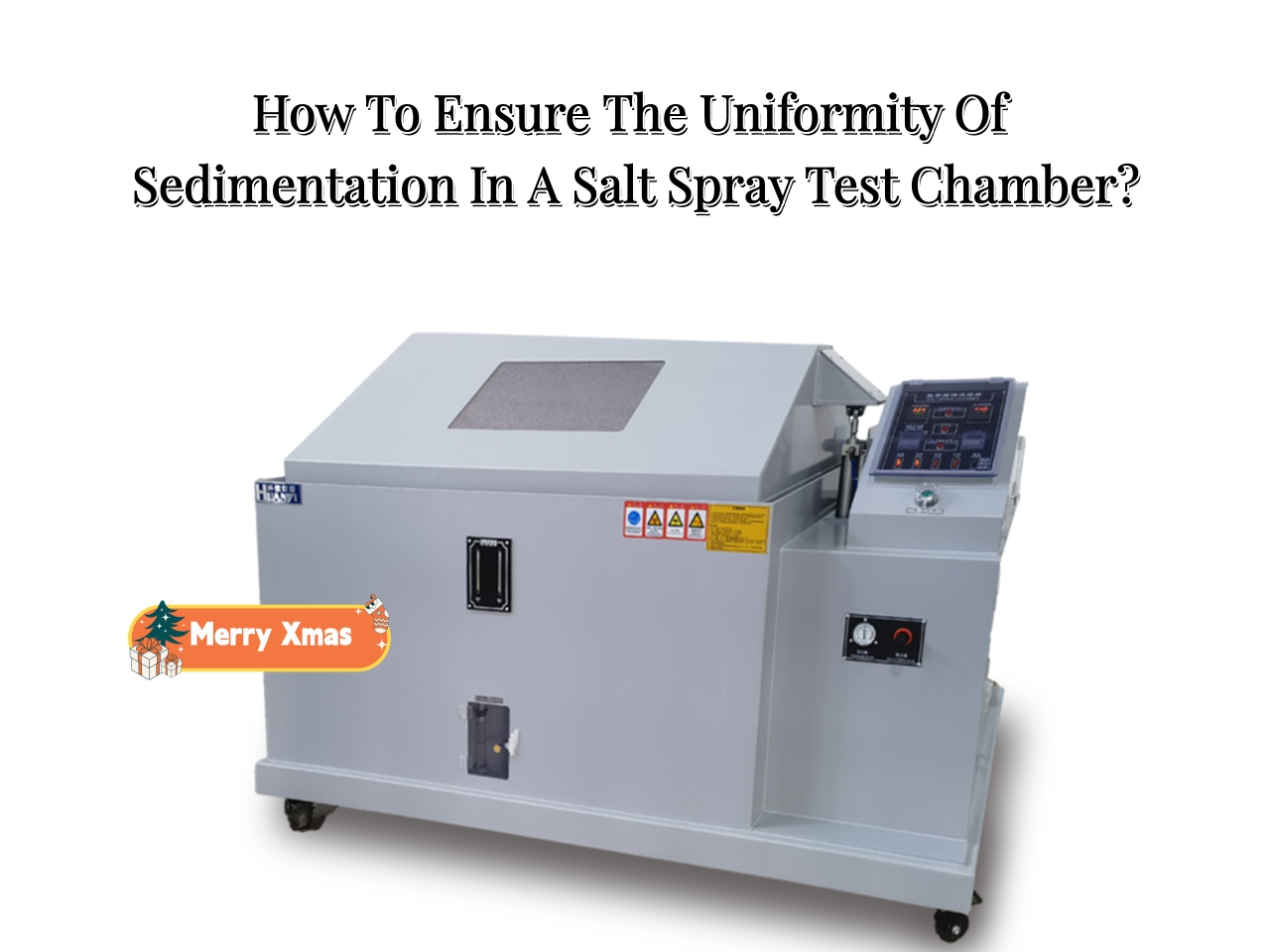
Corrosion is a persistent problem that impacts the durability and performance of components, electronic devices, metal materials, and industrial products. Salt Spray Test chambers, such as the HY-SST Salt Spray Test Chamber from Huanyi, play a key role in evaluating the corrosion resistance of materials and coatings in simulated salt spray environments. This article explores the application of salt spray test chambers in determining the quality and lifespan of protective coatings and provides relevant data and insights.The Importance ofSalt Spray Corrosion Testing
Salt spray testing is an accelerated corrosion test that simulates harsh environmental conditions, including high salinity, high humidity, and high temperature. Its purpose is to evaluate the corrosion resistance of materials and coatings, such as plating, paint, anodized coatings, and other surface treatments. Industries ranging from automotive to electronics rely on salt spray testing to ensure product quality standards, improve product reliability, and reduce the risk of premature field failures.
The HY-SST Salt Spray Test Chamber from Huanyi excels in this field, enabling precise control of testing conditions. Complying with international standards such as ASTM B117 and ISO 9227, it is an ideal choice for a variety of testing needs.
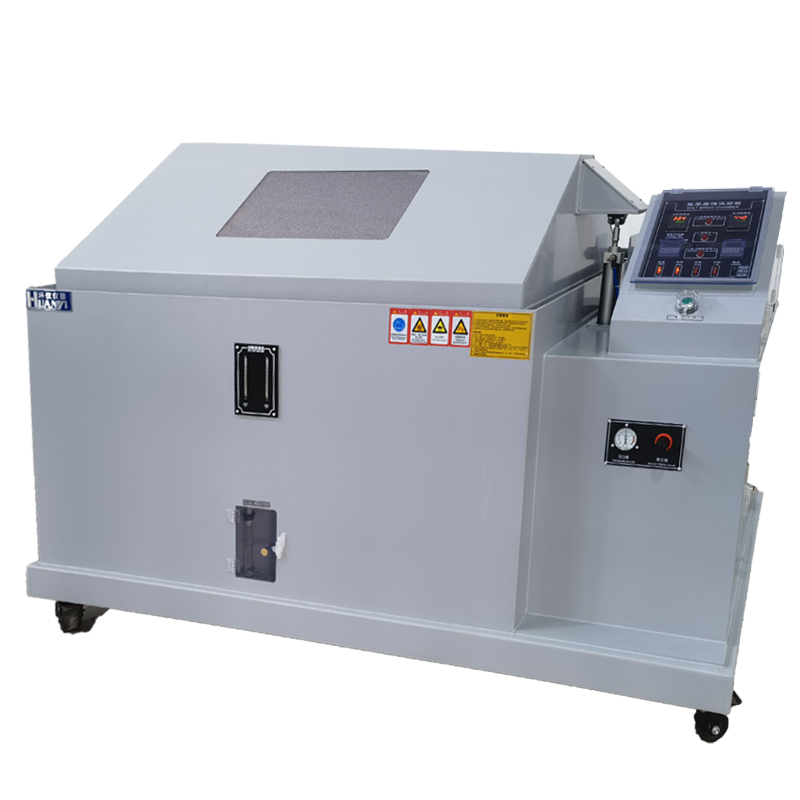
HY-SST Salt Spray Test Chamber Structure and Features
The HY-SST is designed with advanced features to provide consistent, reliable test results:
• Rugged Construction: Constructed of corrosion-resistant materials to ensure durability.
• Advanced Control System: Enables precise adjustment of temperature, salt solution concentration, and test duration.
• Flexible Test Modes: Supports Neutral Salt Spray (NSS), Acetic Acid Salt Spray (AASS), and Copper-Accelerated Acetic Acid Salt Spray (CASS) tests.
• User-Friendly Interface: The digital controller simplifies operation, allowing users to set parameters and monitor real-time progress.
These features accurately simulate corrosive environments, ensuring test results reflect real-world conditions.
Applications of Salt Spray Test Chambers
• Automotive Components: Corrosion testing of brake systems, fasteners, and body panels to prevent material degradation.
• Electronics: Testing protective coatings on electronic connectors, circuit boards, and housings to ensure durability in humid or coastal environments.
• Industrial Products: Evaluate the resistance of machinery and tools to harsh operating conditions.
• Metallic Materials: Evaluate the performance of electroplated coatings, painted surfaces, and anodized layers in protecting the substrate.
The Salt Spray Test Procedure follows these steps:
• Preparation: Clean the specimens and mount them in the test chamber without overlapping to ensure uniform exposure.
• Setup: Configure parameters, including temperature (typically 35°C), salt solution concentration (5% NaCl), and test duration.
• Testing: The test chamber generates a salt spray environment, depositing fine salt particles onto the test specimens.
• Evaluation: After the test, the specimens are analyzed for signs of corrosion, such as rust, pitting, or coating delamination.
Table 1 lists typical test parameters for various materials and coatings:
| Material/Coating | Test Type | Temperature (°C) | Salt Solution (%) | Duration (hours) | Evaluation Criteria |
| Galvanized steel | NSS | 35 | 5 | 48 | Rust (area percentage) |
| Anodized aluminum coatings | AASS | 50 | 5 | 240 | Color changes, blistering |
| Painted metal surfaces | NSS | 35 | 5 | 168 | Peeling, rusting |
| Electrical connectors | CASS | 50 | 5 | 96 | Contact resistance, discoloration |
Advantages of Using the HY-SST
• Accurate Simulation: Ensures reliable data on material and coating performance under harsh conditions.
• Cost-Effective: Provides rapid feedback, reducing the need for long-term outdoor exposure testing.
• Compliance Assurance: Supports global standards, making it suitable for international markets.
• Customizable Parameters: Suitable for a wide range of industrial applications, from electronics to heavy machinery.
Case Study: Testing Galvanized Steel
Galvanized steel samples were subjected to a 48-hour salt spray test in the HY-SST test chamber according to the NSS test method. The following results are obtained:
| Range | Value |
| Debut | Smooth, glossy finish |
| After 24 hours | Slight rust (1% of area) |
| After 48 hours | Moderate rust (5% of area) |
These findings highlight the protective properties of the zinc coating and demonstrate the chamber's accuracy in replicating real-world conditions.
Conclusion
Salt spray test chambers, such as the HY-SST Salt Spray Test Chamber, are essential tools for evaluating the corrosion resistance of materials and coatings. By simulating harsh environmental conditions, these chambers provide critical insights into the durability and reliability of industrial and consumer products. Using these advanced testing solutions ensures product quality standards are met, improving performance and extending product life, benefiting industries worldwide.