


UV Aging Test Chamber: Simulates Environmental Challenges to Help Improve Material Weather Resistance
01 Uv Weathering Test Chamber Functions and Roles
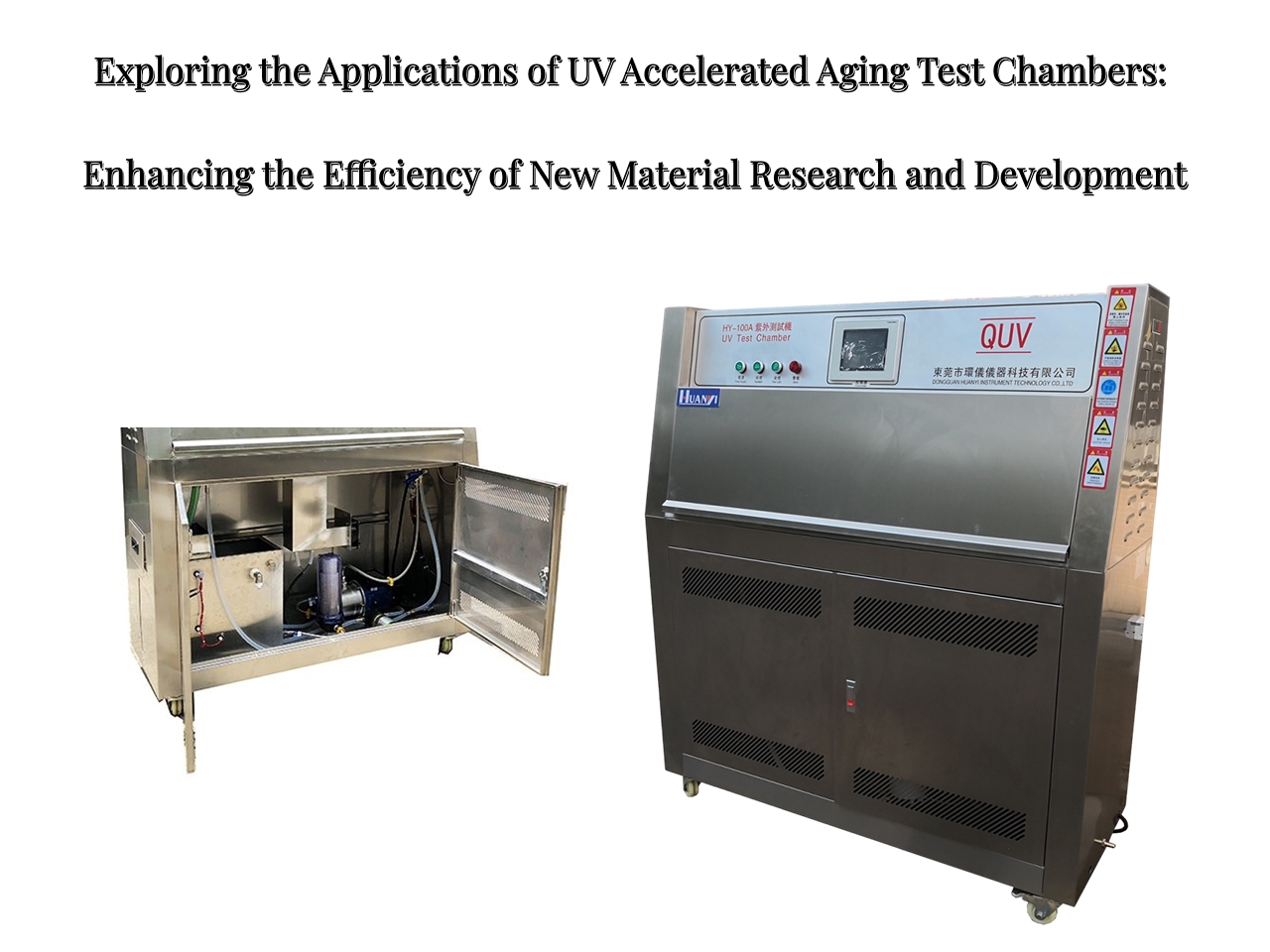
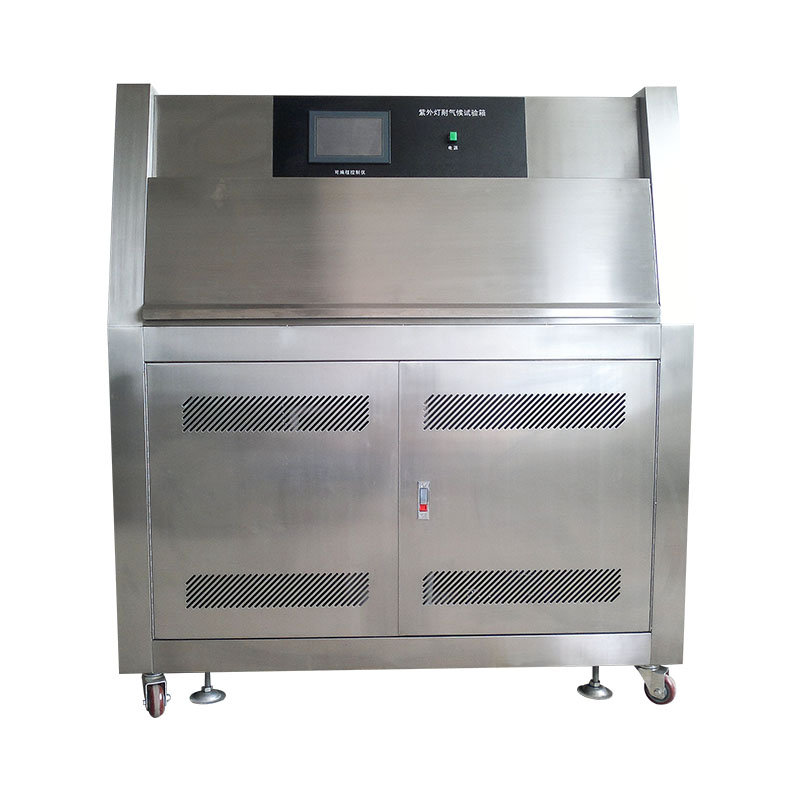
UV weathering Test Chambers, designed to simulate the effects of UV radiation on materials in natural environments, play a vital role in numerous industries, including plastics, coatings, rubber, and building materials. With increasing demands for durability in industrial products, UV weathering testing has become an essential component of quality control and R&D processes. By accurately simulating long-term UV exposure, potential material issues can be identified in advance, ensuring product stability and reliability in various outdoor environments.
[Importance and Function of the Equipment]
When designing a UV weathering test chamber, multiple factors must be considered, including the light source's spectral range, radiation intensity, temperature, and humidity control, striving to realistically replicate UV radiation and its effects in natural environments. UV weathering test chambers of varying models and specifications vary in radiation capacity, test duration, and environmental parameter control, requiring users to select the right chamber based on their specific needs. For example, some industries may require materials to be exposed to UV radiation for over 2,000 hours, while others may be more focused on the material's weatherability over a shorter period of time.
[Design and Selection Key Points]
By comparing the irradiation intensity and aging effects of different equipment, companies can further optimize product formulations and production processes, thereby improving their weather resistance. Uv Aging Test Chambers also play an indispensable role in new material development, standard setting, and quality inspection. Below, we will use specific case studies to delve into the key technical parameters of UV aging test chambers, their diverse application scenarios, and how to select the appropriate equipment based on specific needs, aiming to help companies improve product performance and market competitiveness.
[Industry Applications and Importance]
The core working principle of UV aging test chambers is to simulate solar ultraviolet radiation to evaluate the weather resistance of materials. The key lies in simulating both UV-A and UV-B wavelengths. UV-A significantly affects material aging, while UV-B accelerates the aging process. High-intensity UV lamps, such as xenon or high-pressure mercury lamps, provide continuous and stable irradiation to material samples. Temperature and humidity parameters are precisely controlled to simulate diverse climate conditions. Common UV aging test chambers offer temperatures ranging from 30°C to 80°C and humidity levels ranging from non-humidified to high humidity, providing a variety of testing environments. Furthermore, irradiation intensity is a key metric. Industry standards require a certain intensity within the 340nm wavelength range to ensure test accuracy and repeatability.
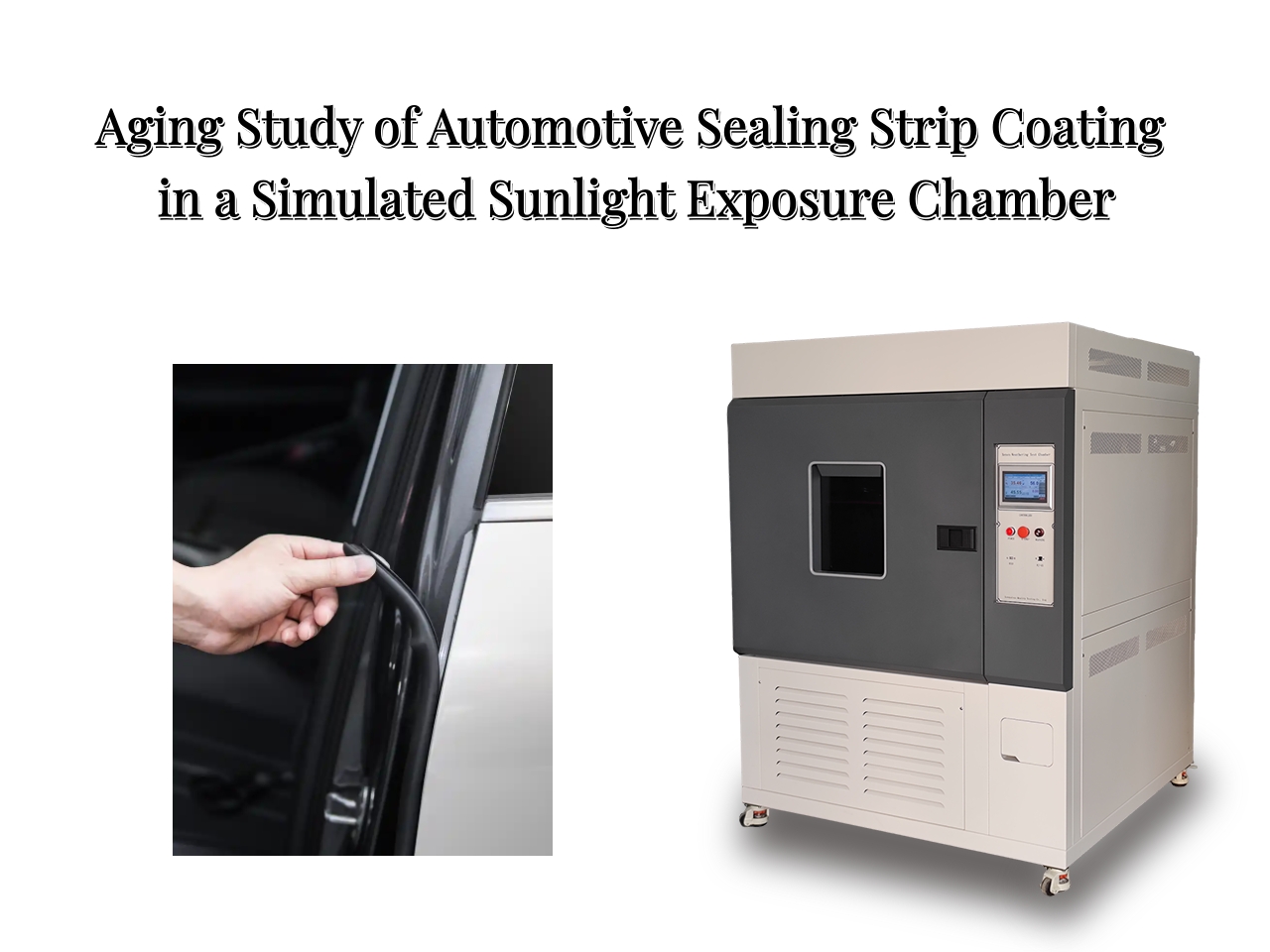
UV aging test chambers play an important role across various industries. For example, the automotive industry frequently uses them to test the weatherability of body paint and plastic parts to prevent issues such as fading, brittleness, or cracking. By introducing a UV aging test chamber, a plastic parts manufacturer identified discoloration and brittle cracking in certain batches of plastic after aging, enabling them to optimize their raw material formulation and improve their product's weatherability. Similarly, the coatings industry relies on this test to verify the UV resistance of coatings and ensure their long-term stability.
02 Key Technologies and Intelligent Development
[Working Principle and Technical Parameters]
When selecting a UV aging test chamber, companies must comprehensively consider several key parameters. Primarily, the light source type and irradiation intensity are important, as different testing objectives require different irradiation levels to simulate different environmental conditions. Temperature and humidity control capabilities are also crucial, especially for materials that are sensitive to temperature and humidity. Furthermore, test capacity and spatial layout are also crucial factors. They not only impact test satisfaction but also ease of operation and maintenance. Of course, equipment energy consumption, operational stability, and service life are also crucial considerations for companies. Large enterprises may require high-end equipment with multi-channel and diverse environmental simulation capabilities to meet the complex demands of diverse projects.
[Future Trends in Intelligence and Dataization]
The future prospects for UV weathering test chambers focus primarily on intelligence and dataization. Leveraging IoT and big data technologies, these devices will enable remote monitoring, automated control, and real-time analysis of test data, improving not only test efficiency but also data reliability and traceability. Furthermore, some high-end equipment features automatic cleaning functions and lamp life management systems, reducing maintenance costs and improving operational stability. Furthermore, environmental protection and energy conservation are emerging trends in UV weathering test chamber design. The use of low-energy light sources and optimized optical path design can reduce energy consumption and further lower operating costs.
Overall, UV aging test chambers play a vital role in evaluating the weatherability of materials. Through rational selection and scientific application, companies can obtain accurate test data, assist in product development and quality control, and thus enhance their products' market competitiveness. Looking ahead, with the continuous advancement of technology, UV test chambers will become increasingly intelligent and convenient, providing more accurate and efficient weatherability testing solutions for various industries.